Concept
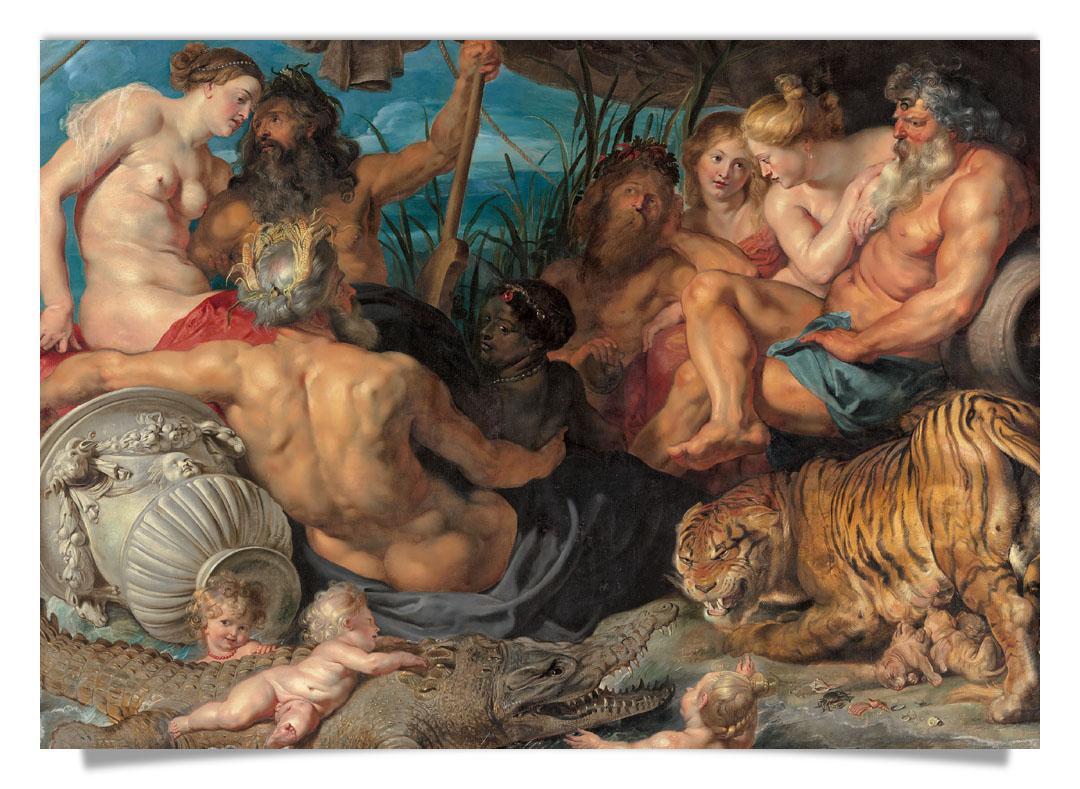
What always struck me about the paintings of Peter Paul Rubens was how lifelike the human bodies appear. The skin seems to retain warmth, the muscles are taut, and the soft folds make the figures almost tangible. Yet, the artist conveys both vibrant vitality and its complete absence with equal conviction. Although he seems to use the same palette, the feeling evoked by the images is entirely different.
It is particularly fascinating to compare his works against each other. In «The Three Graces,» the bodies appear soft and warm; in «Daniel in the Lions' Den,» you feel the tension in the muscles; and in «The Entombment,» the lifeless body of Christ differs from the surrounding figures even in skin tone. It suggests that a person’s physical state can be conveyed not only through gesture and facial expression but through the painting itself.
How did Rubens use color, light, and painterly texture to convey a person’s physical and emotional states? Why does the body appear warm and soft in some works, tense in others, and lifeless in a third? And can this difference be perceived by examining only isolated fragments of the paintings, without knowing their narrative?
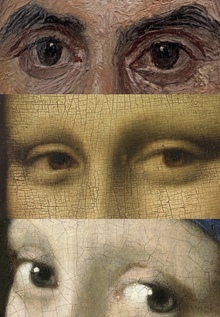
These questions became the starting point of my research. I aim to examine Rubens’s painting through the representation of the human body, focusing on skin tones, the transitions of light and shadow, the character of the brushstrokes, and the methods used to convey volume. To achieve this, I will compare paintings and their enlarged fragments, while also referencing preparatory drawings, sketches, and technical studies. Gradually, these comparisons will form a unique atlas of human states—ranging from tenderness and strength to pain and death.
My hypothesis is that in Rubens' paintings, color, light, and the painterly texture of the skin function as a unique language that conveys human emotion and physical state. The artist does not merely depict the body; he uses its materiality as a narrative device. Through shades, the transitions of light and shadow, the character of the brushstrokes, and the modeling of form, he allows the viewer to almost physically feel the character’s condition.
vvvvvvv
pppppppppp
ppppppppppp