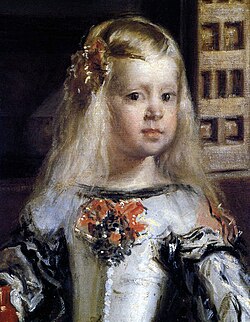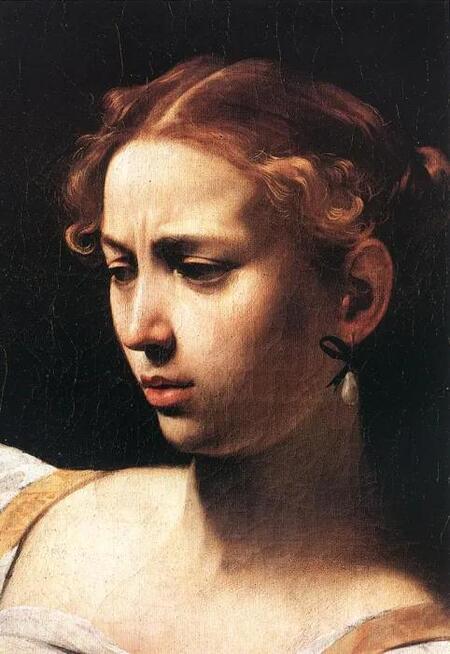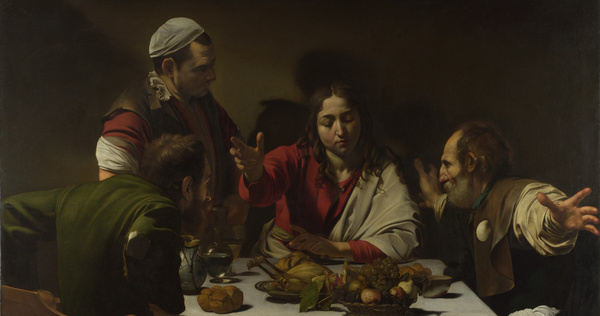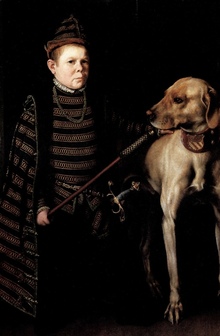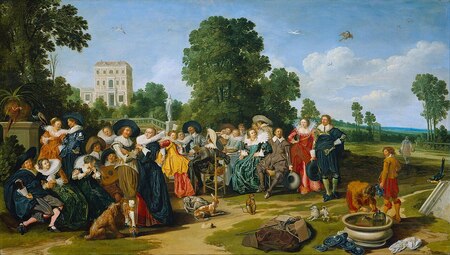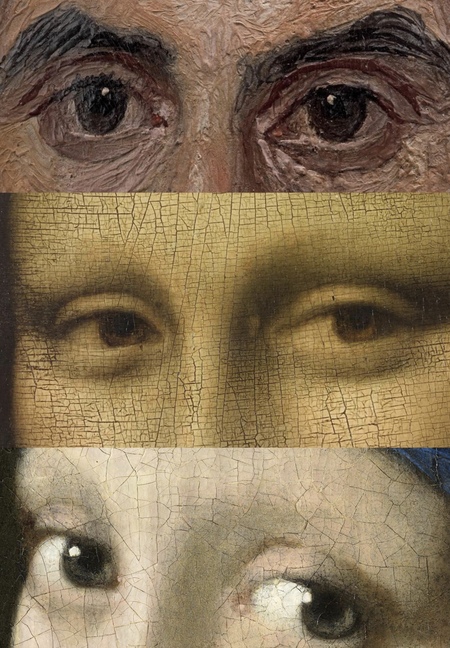
Eyes are not merely a part of the face. Across various historical periods, they have symbolized life, the soul, divine presence, power, fear, love, and individuality. The core concept of this project is to illustrate how human perception of oneself and the surrounding world has evolved throughout millennia through the depiction of the eye.
Concept
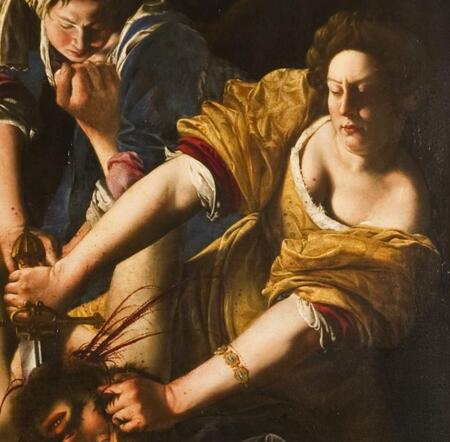
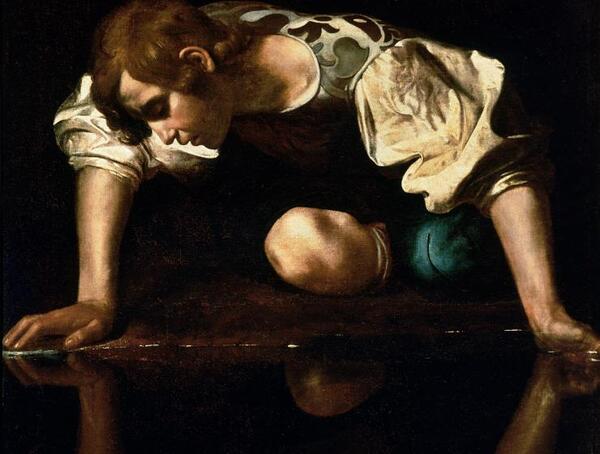
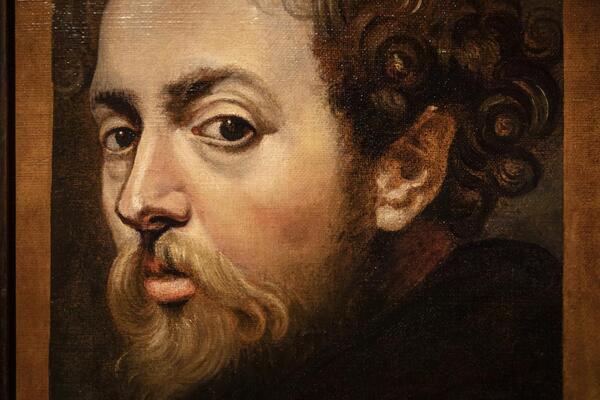
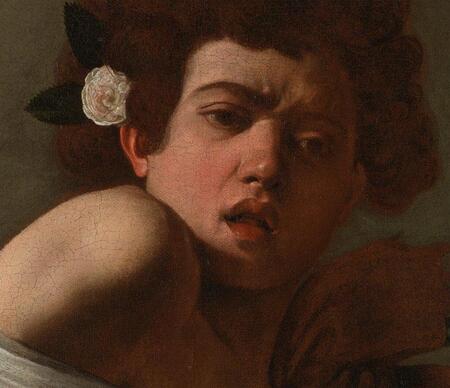
The visual study is dedicated to the evolution of the image of the eye and gaze in art, spanning from the ancient Paleolithic era up to the 17th century. Throughout history, the eye has taken on various meanings. In primitive art, the depiction of a human figure was linked to magical beliefs and the power of the image. In ancient civilizations, eyes evolved into symbols of protection and divine power. During the Middle Ages, the gaze gained spiritual significance, while in the Renaissance, artists began to focus intently on human individuality, emotions, and inner states. By the 17th century, the gaze becomes a crucial tool for psychological expressiveness and the character’s interaction with the viewer.
Main Research Question: How has the significance of the human gaze changed in art, and how have artists used the depiction of eyes to convey concepts of the soul, personality, faith, and human emotion?
Research Goals and Objectives
Goal: To trace the evolution of the artistic and symbolic meaning of the eye and the human gaze from the most ancient depictions to the art of the 17th century. Objectives: — To study early conceptions of the human figure and the symbolism of the eye.
— To examine the significance of the eye in the cultures of the Ancient World.
— To explore the sacred gaze in Medieval art.
— To trace the emergence of psychological expressiveness during the Renaissance.
— To study the methods of conveying emotion and visual contact in 17th-century art.
— To compare the artistic techniques used to depict eyes across different historical periods.
The Genesis of Gaze — Paleolithic Era
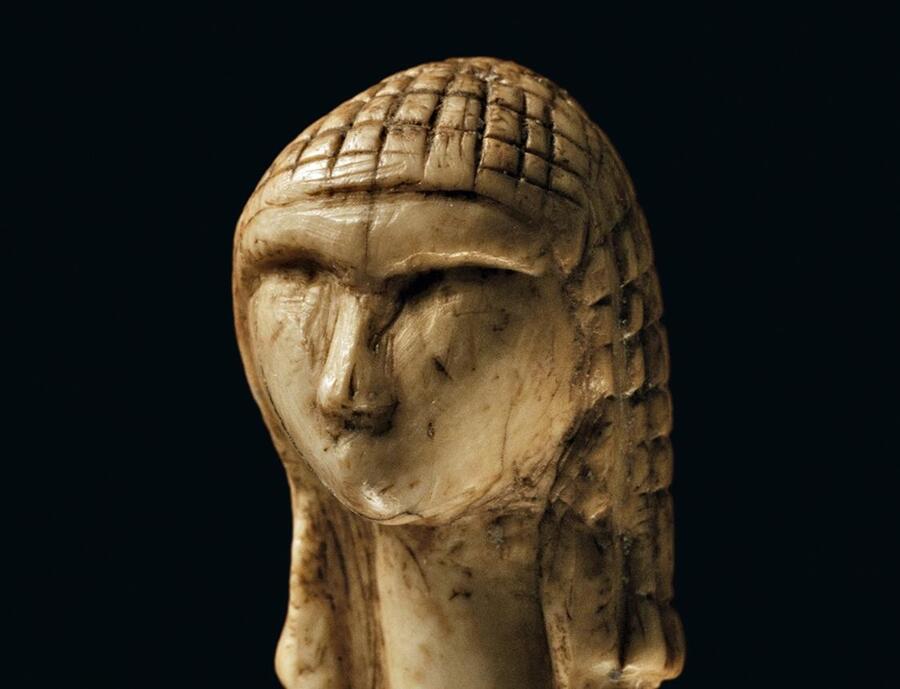
Period: Approximately 40,000–10,000 BCE. In prehistoric art, the human face appears significantly less often than animal imagery. It is more fascinating to study early anthropomorphic figurines, masks, and engravings. Here, we can examine the issue of when humans began imbuing a facial representation with special meaning.
The First Depictions of the Human Face.
The Conventions and Schematic Nature of Features.
The Eyes as a Means of Imparting a Human Visage to an Image.
The Connection Between Facial Imagery and Ritual and Magical Practices.
The depiction of the face gradually becomes a means of lending a human presence to a material form.
The All-Seeing Eye — Art of the Ancient World
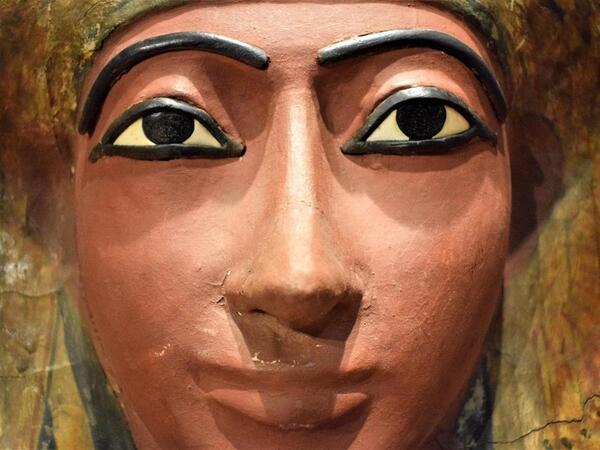
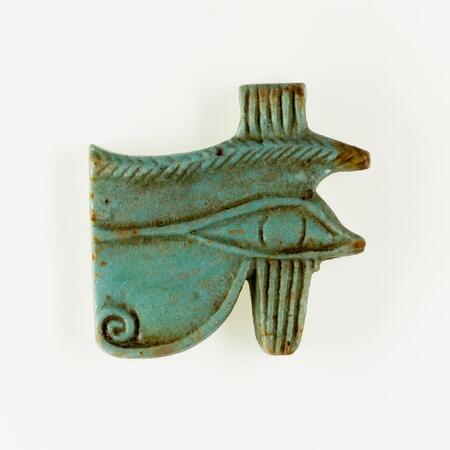
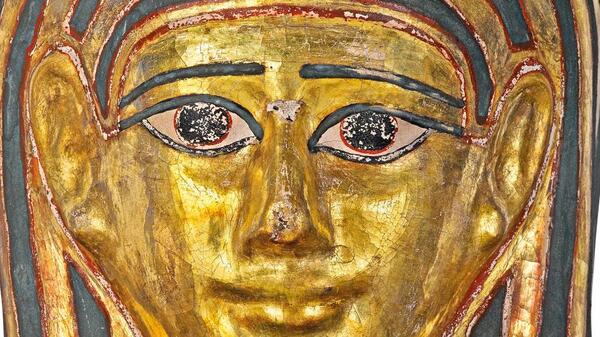
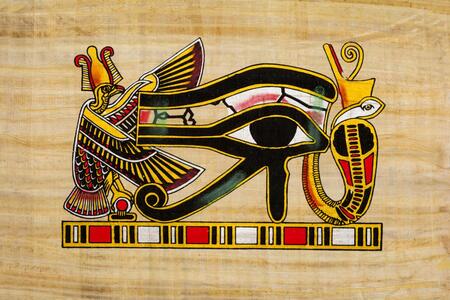
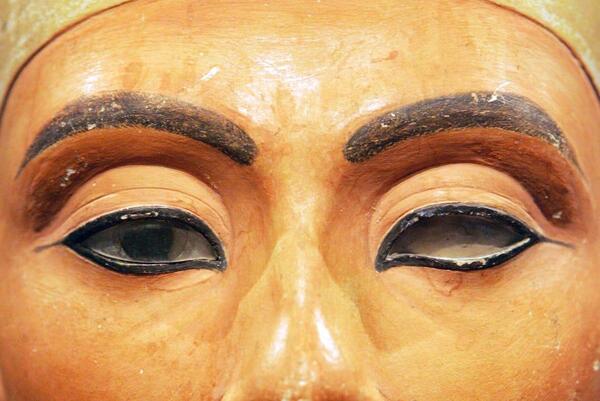
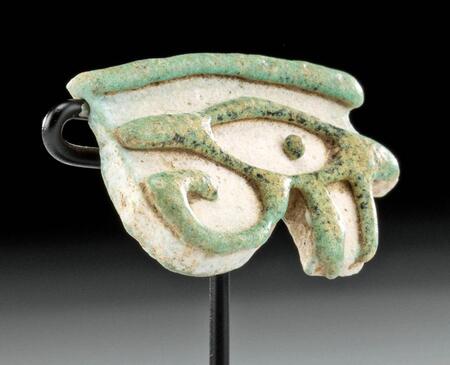
Period: 4th–1st millennia BCE and Antiquity.
In Ancient Egypt, the eye acquires special symbolic meaning. One of the most famous images is the Eye of Horus, a symbol of protection, healing, and restoration.
Egyptian depictions were often created not for realistic resemblance, but to convey a stable, idealized image. The eyes emphasized the sanctity and significance of the character.
In ancient culture, the interest gradually shifts toward human individuality, facial plasticity, and the expressiveness of the gaze.
-The Eye of Horus and its symbolism.
-Depictions of eyes on burial masks and sarcophagi.
-Eyes in ancient Greek sculpture.
-Realism and individuality in Roman portraiture.
The Fayum portraits are particularly fascinating: their large, expressive eyes create a sense of direct connection between the person and the viewer, even after almost two millennia.
A Gaze Toward Eternity—the Middle Ages and Byzantium

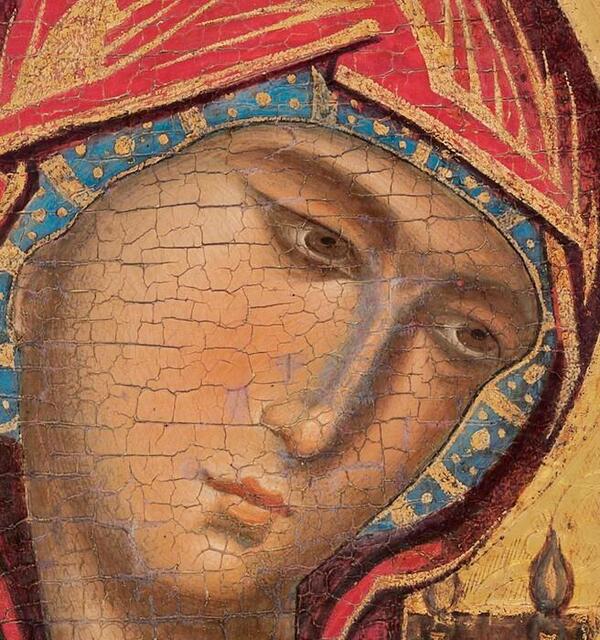
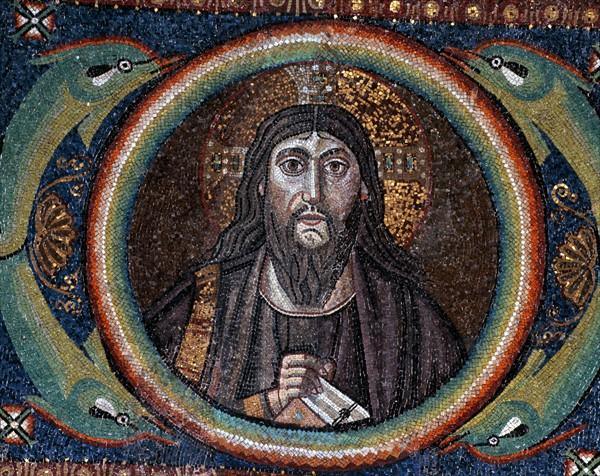
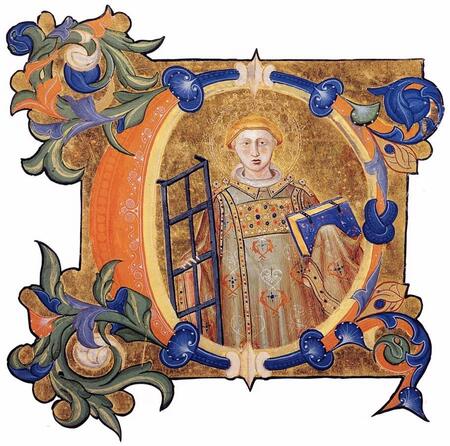
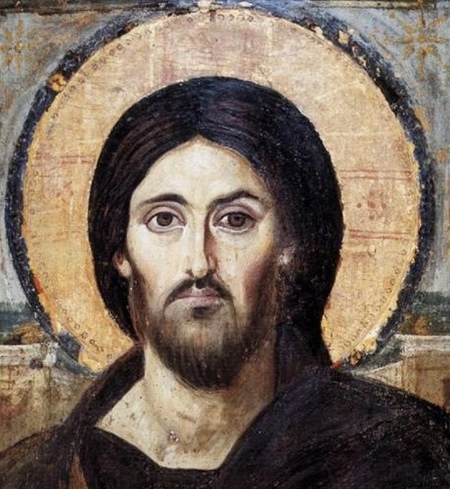
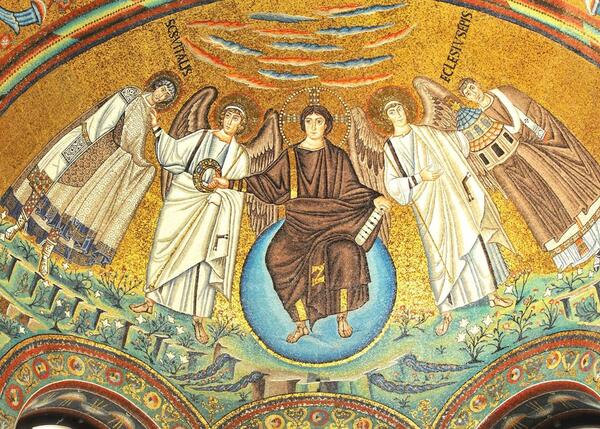
Period: 4th–15th centuries. In medieval art, the gaze becomes primarily spiritual and symbolic. In Byzantine icons, the eyes are often depicted as large, expressive, and directed straight at the viewer. This gaze creates a sense of the saint’s presence and a special connection between the image and the observer. Unlike portraiture, the icon’s purpose was not to convey individual appearance but to express a spiritual image. - The direct gaze of Christ and the saints.
- Enlarged eyes in Byzantine icons.
- The absence of conventional psychological expression.
- The gaze as a symbol of spiritual connection.
- The golden background and its role in perceiving the image.
The gaze ceases to be merely a human characteristic and becomes a means of expressing divine presence.
The Return of Humanity — The Renaissance
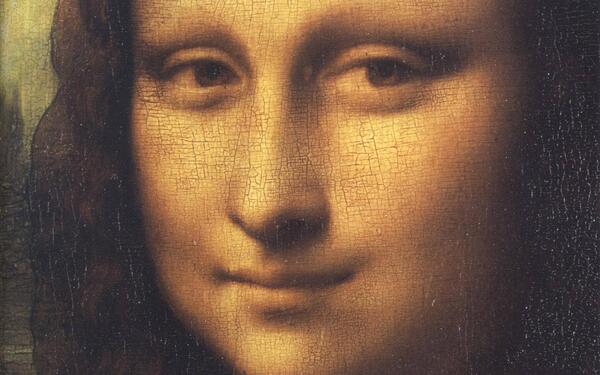
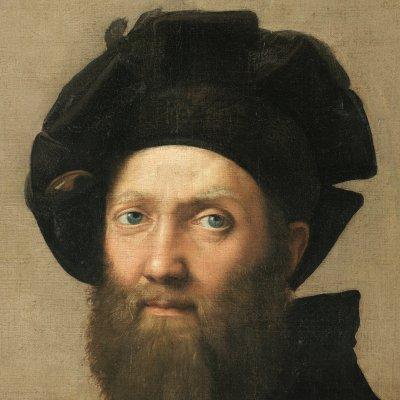
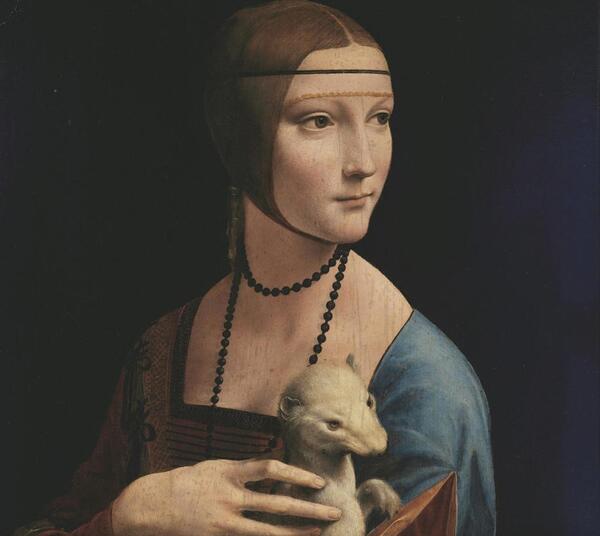
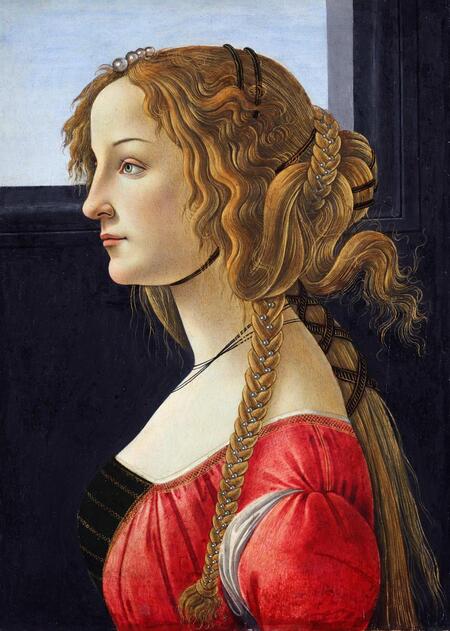
Period: 14th–16th centuries. This is one of the most crucial phases of study. During the Renaissance, artists began to place increasing emphasis on individual human identity. The gaze becomes psychologically expressive: it can convey calm, contemplation, interest, anxiety, or mystery. Artists studied facial anatomy, chiaroscuro, proportions, and methods for capturing a lifelike gaze.
— The emergence of psychological depth in portraiture.
— Natural placement of the eyes and direction of the gaze.
— The character’s interaction with the viewer.
— The use of light and shadow to convey expressiveness.
— The gaze as a reflection of the inner world.
Gaze as a Mirror of Emotion — Mannerism and Baroque