Table of Contents
- Concept
- Historical Background a) Sistine Madonna
- Chapter 1
- Chapter 2. Transition to Volume. Fumie
- Chapter 3. Maria-Canon. Figuration in Volume
- Conclusion
- Sources
Concept
The Mother of God—artist unknown. Europe, 16th–17th century. The Mother of God—artist unknown. Europe, 16th–17th century. The Mother of God—artist unknown. Europe, 16th–17th century. The Mother of God—artist unknown. Europe, 16th–17th century.
Historical Overview
The Mother of God—Unknown artist. Europe, 16th–17th century. The Mother of God—Unknown artist. Europe, 16th–17th century. The Mother of God—Unknown artist. Europe, 16th–17th century. The Mother of God—Unknown artist. Europe, 16th–17th century. The Mother of God—Unknown artist. Europe, 16th–17th century.
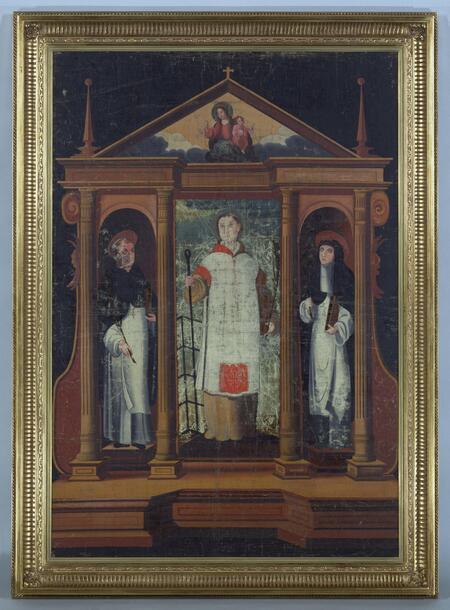
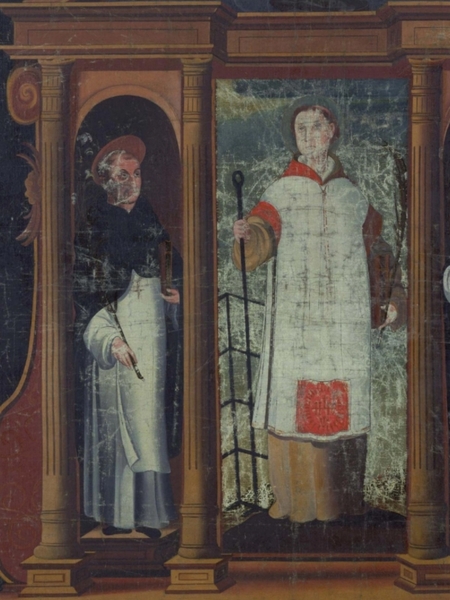
Three Sages (三聖人像), artist unknown. 16th–17th century
European Painting in Japan. Sistine Madonna as an example for future devotees of the Virgin Mary — artist unknown. Europe, 16th–17th century. Virgin of the Madonna — artist unknown. Europe, 16th–17th century. Virgin of the Madonna — artist unknown. Europe, 16th–17th century. Virgin of the Madonna — artist unknown. Europe, 16th–17th century. Virgin of the Madonna — artist unknown. Europe, 16th–17th century.
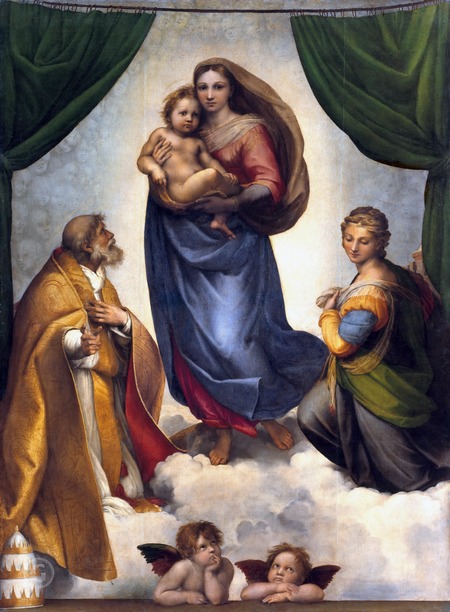
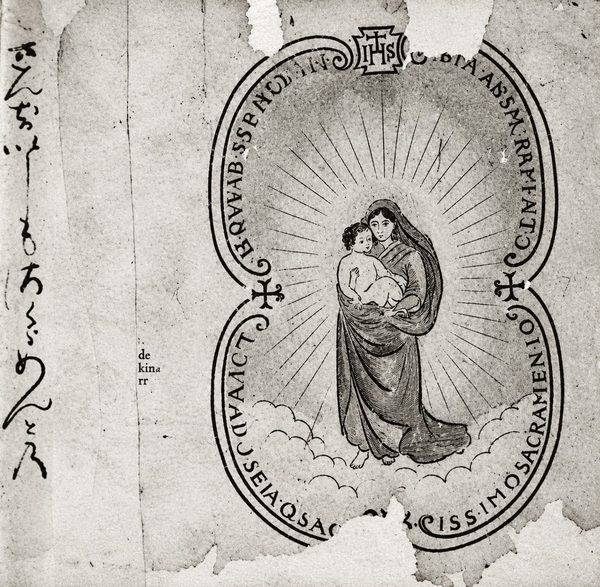
«Sistine Madonna» — Raphael Sanzio. 1512.
Guidance on general compositional techniques and narrative. A complete reinterpretation of European religious painting through Japanese graphic arts.
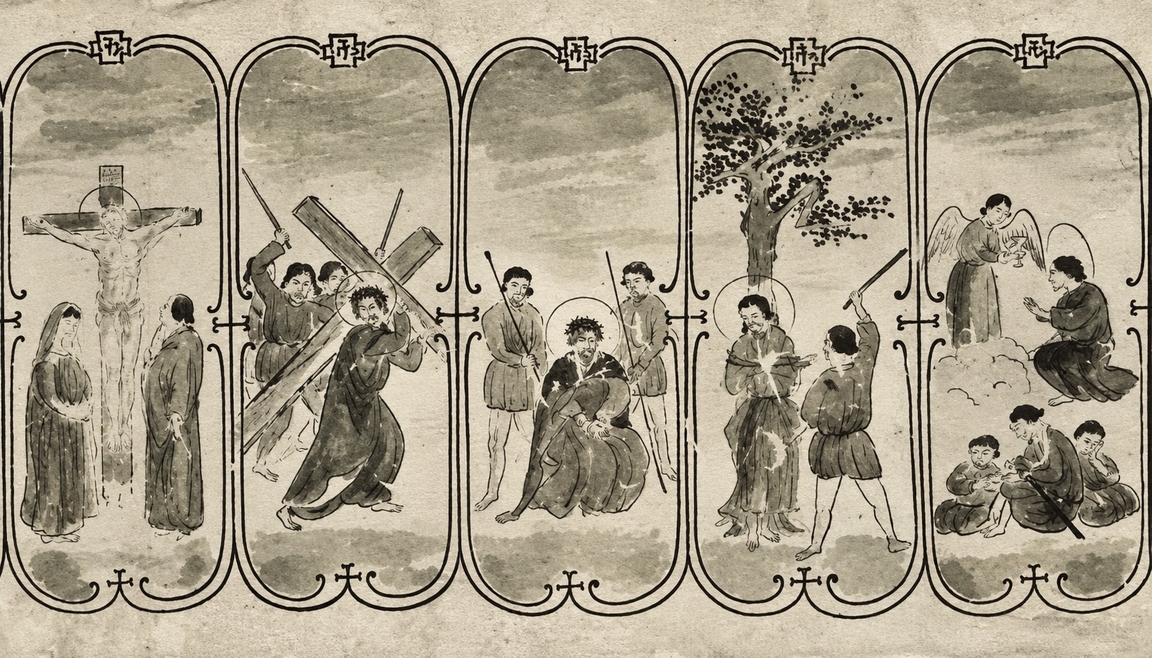
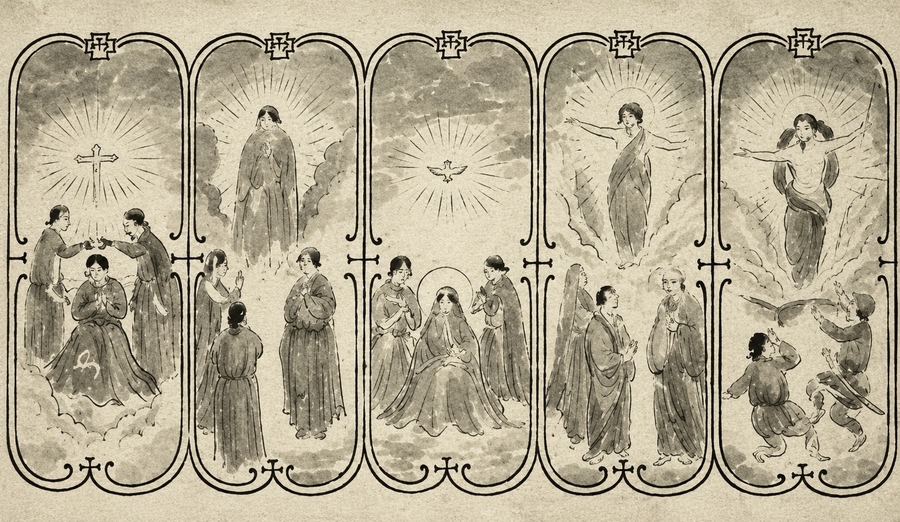
Chapter 1
Hanging sacred picture (Okage-e) — artist unknown. Edo period, 17th century.
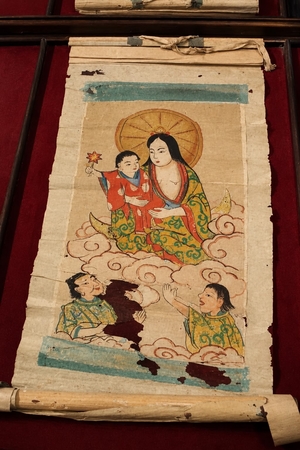
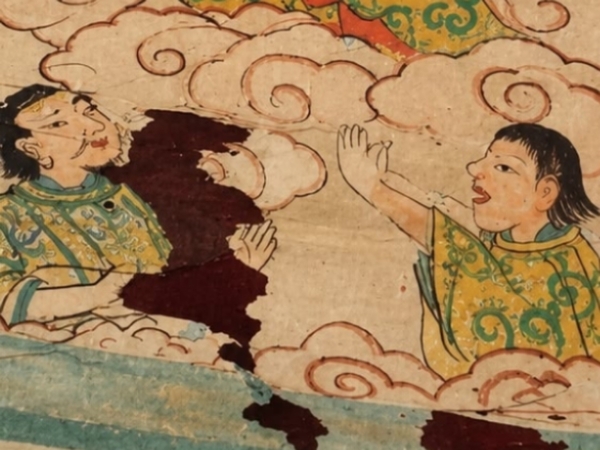
Hanging sacred painting (Okage-e) — Artist unknown. Edo period, 17th century.
a reference to the nude and the fact that in Japan, they did not strive to paint the nude. The body here is an element of external symbolism, whereas the Japanese did not see a need for an exposed body.
The first use of the Canon image as a disguise for the Virgin Mary—which is unusual for her with an infant.
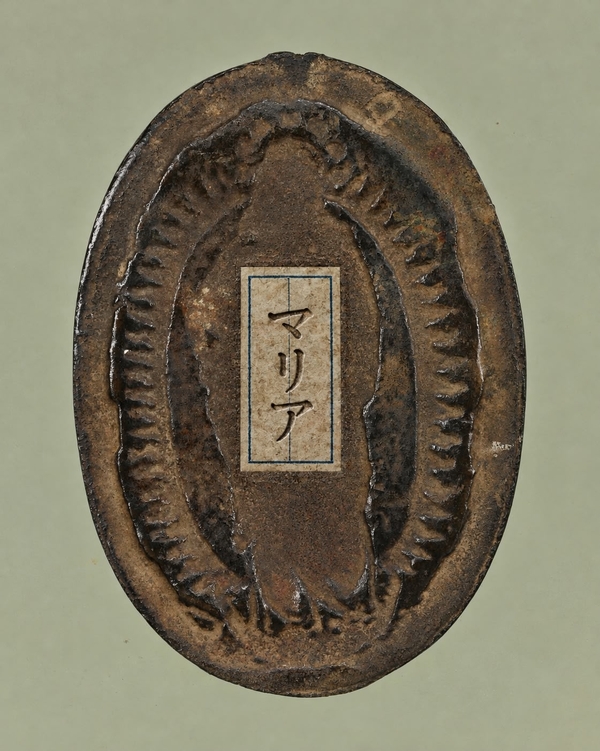
Hidden Maria—artist unknown. Edo period, 17th century (1637–1638).
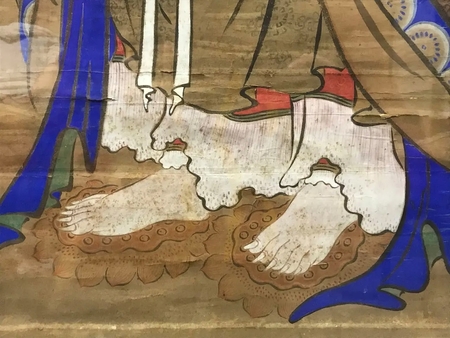
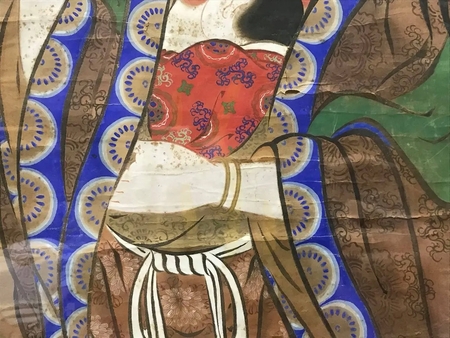
Everyday objects masked as religious themes
How is the visual alteration of the Guard Katana to a religious theme considered as a camouflage element?
Tsuba guard—artist unknown. Edo period, 17th century.
Guards (Tsuba) — Unknown artist. Edo period, 17th century.
Chapter 2. Transition to Volume. Fumie
What is Sumi-e and how did it come about? How do you practice it?
Relief depiction of Christ — artist unknown. Europe, 16th century.
copies and casts that lose their original appearance. copies made from European reliefs that have become fumie-e
1. Bronze plaque depicting Christ — artist unknown. Europe, 17th century. 2–3. Sumi-e painting depicting Christ — artist unknown. Edo period, 17th century.
1. Fumie depicting Christ — artist unknown. Edo period, 17th century.
Pietà (Fumi-e) — artist unknown. Edo period, 16th–17th century.
1. Pietà — unknown artist. Europe, 17th century. 2. Pietà (Fumi-e) — unknown artist. Edo period, 16th–17th century. 3. Madonna and Child — unknown artist. Edo period, 16th century.