Navigator
- Concept
- Children’s Portrait
- Within the Family Circle
- Games and Activities
- Conclusion
1. Concept
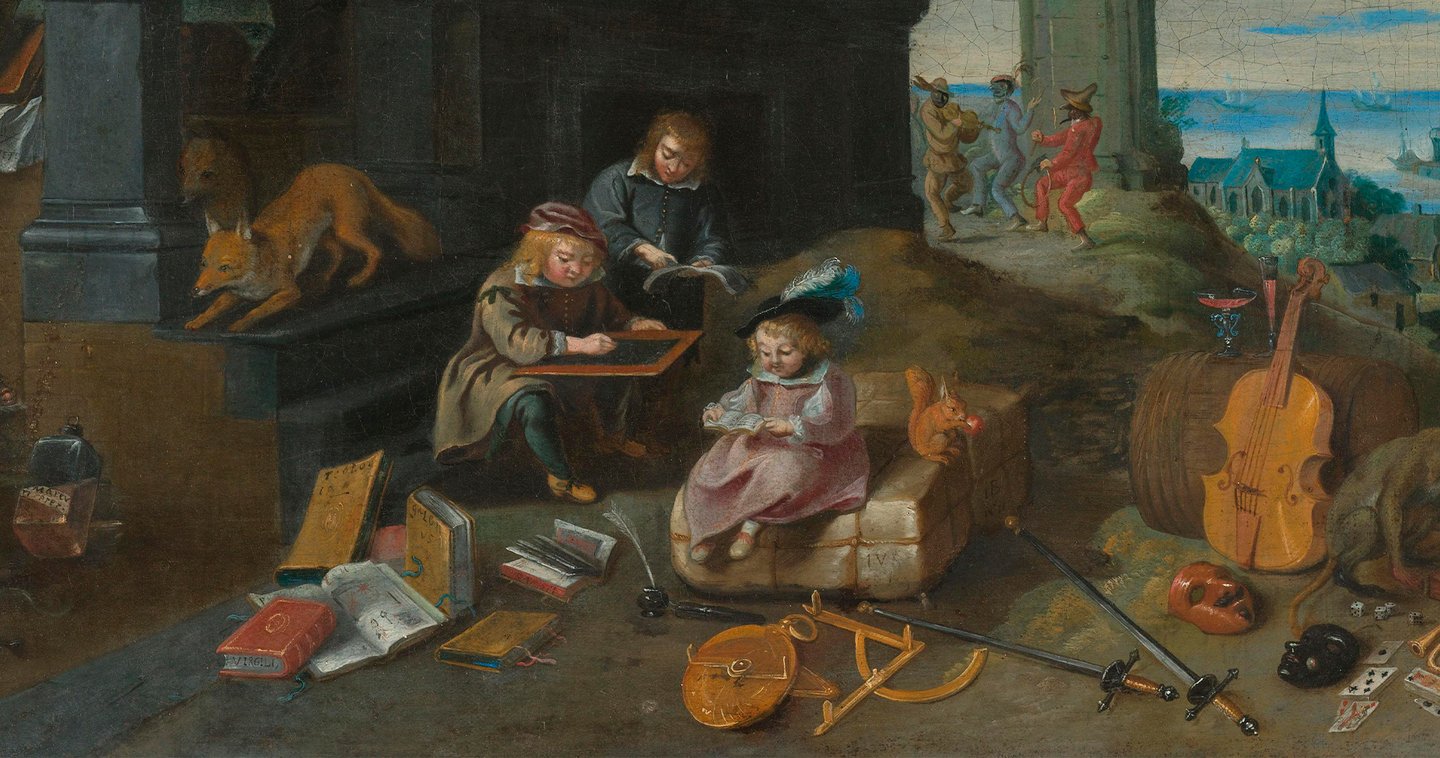
Seventeenth-century Dutch painting is distinguished by a great diversity of subjects and a particular attention to the world surrounding humans. Alongside depictions of adults, children held a significant place in painting. Their presence in artworks allowed artists to reveal not only the characteristics of family life but also the society’s perceptions of child-rearing and maturation.
The parents' goal was to raise responsible citizens of the Republic and faithful Christians.
Research Questions
How do Dutch artists depict the child? What conceptions of childhood, growing up, and upbringing are reflected in their works? How is the image of the child revealed through their appearance, relationships with others, daily activities, and games?
Let’s examine the works of Dutch painters, from Paulous Moreles to Pieter de Hooch, to answer these questions.
Structuring Principles
The research is structured thematically: the material sequentially explores various ways of depicting childhood in 17th-century Dutch painting. It begins with the research concept, followed by works organized into three thematic sections: the children’s portrait, depictions of children within the family circle, and play and daily activities. This sequence allows the reader to move from the individual image of the child to their place within family life and the everyday world. The study concludes with a summary that synthesizes the main observations and states the conclusions.
Hypothesis
The portrayal of childhood reflects not only artists' interest in depicting youth but also the era’s broader perceptions of humanity, family, and daily life. It is assumed that the artistic interpretation of children depended on the genre and narrative function of the work, resulting in childhood acquiring various semantic and visual characteristics.
2. Kids' Profile
«Childhood as an independent and very important part of a person’s life is not yet fully realized by people of this era.» [2]
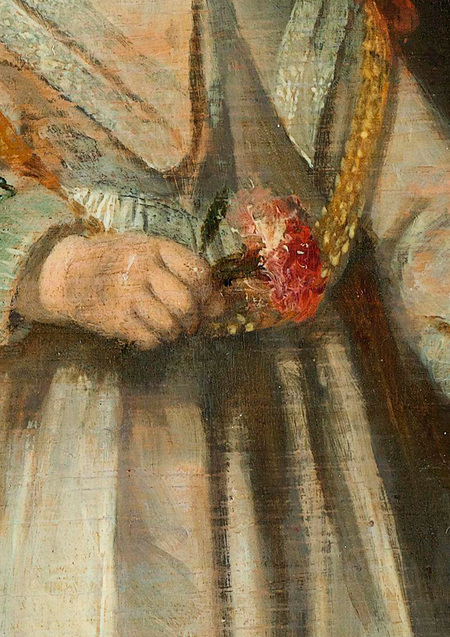
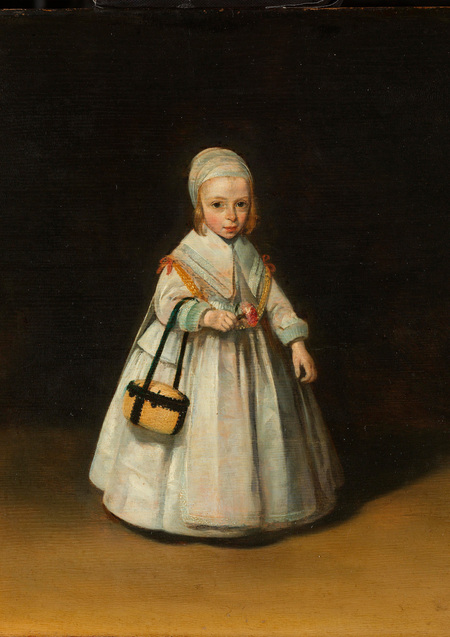
Gerard Terborch. «Portrait of Helena van der Schalk.» c. 1648
In Gerard Terborch’s portrait, the girl is dressed in a neat white dress with trim and a cap—in the style of fashion for ladies from affluent families. Such «adult» attire on a child emphasized the family’s status and reflected the era’s views on upbringing: children were expected to be reserved and well-mannered, and their outfit served as a visible sign of belonging to a specific social circle.
Symbolism plays an important role here: the carnation in the girl’s hands alludes to Christian ideas about the fragility of life and hope for resurrection—a motif particularly significant against the backdrop of high child mortality in that age.
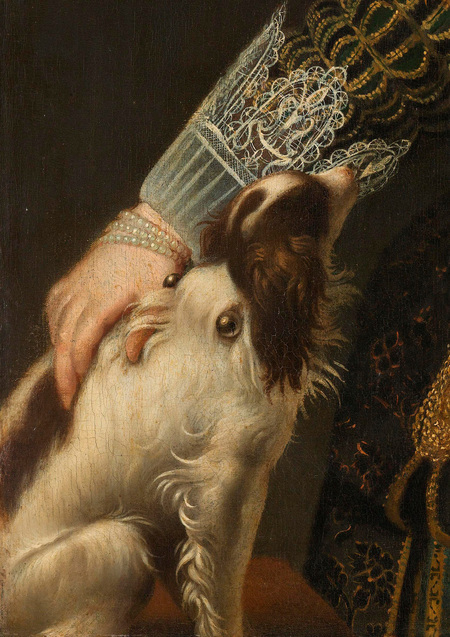
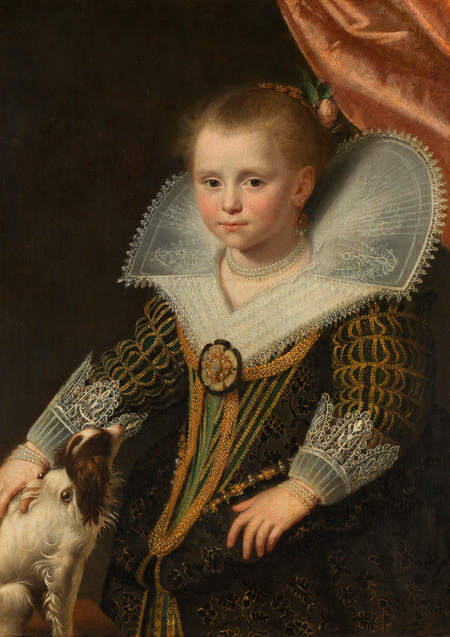
Paulus Moreles. «Portrait of the Girl Known as the 'Little Princess'». Circa 1623
A reserved expression and composed posture continue the «adult» line of the portrait: rather than immediacy, one expected refinement and self-control from the child.Nevertheless, the master softens the rigor of the composition with a touching detail: the girl gently touches the small dog. In European tradition, the dog often symbolized loyalty and devotion, and in portraits, it could allude to the model’s purity and innocence; here, this motif adds a heartfelt warmth to the image and reminds the viewer of the heroine’s age.
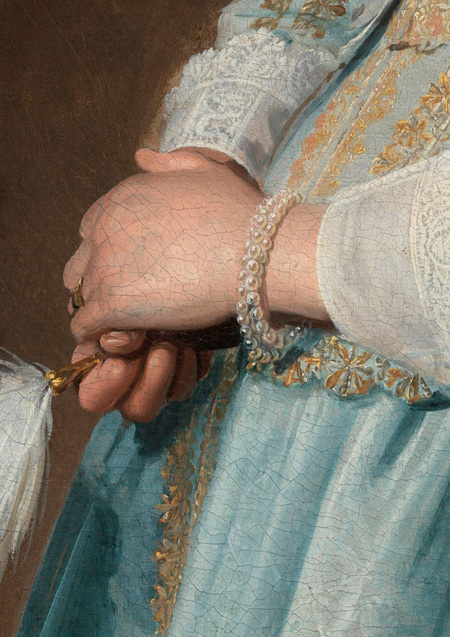
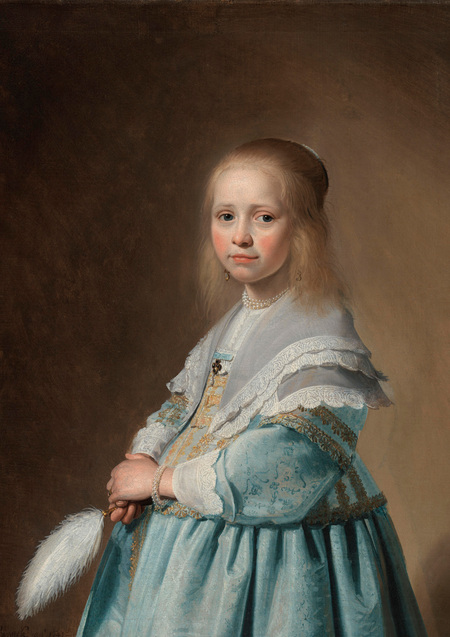
Johannes Vermeer. «Portrait of a Girl in Blue.» 1641
One of the most recognizable childhood images of the Dutch Golden Age. In her restrained pose and slightly serious gaze, the girl conveys not so much an imitation of adult manners as a child’s concentration—as if she is trying to meet expectations but has not yet fully mastered this role. Her soft curls, light blush, and delicate hand gestures retain the sense of youth.
3. Within the Family Circle
Kids were typically portrayed as a reflection of their parents—as future adults in formation. [3]
Abraham van den Tempel. «David Leuw and Cornelia Hoft with Children.» 1671
The painting captures a family musical scene. In 17th-century culture, music served as a symbol of harmony, and by depicting relatives engaged in this activity, the merchant seemed to emphasize the unity and cohesion of his family.
In the master’s work, the children embody the bourgeois values of the 17th century: restraint and refinement, yet each possesses unique individuality.The girl with the sheet music embodies the image of a young lady; her calm gaze and formal attire suggest that the child is already «capable of being an adult.» The infant in the gray dress with the pink hat is slightly more spontaneous, but even in her, the ideal of good breeding is visible; the hat is the only playful accent. The girl in the brown dress stands confidently; her posture resembles the stately bearing of a father. The boy with the viola da gamba seems to have interrupted a game: seriousness shines through his concentration, and the subdued tones of his costume connect him with older figures.The little dog at their feet softens the composition’s formality, adding a touch of domestic warmth to the scene.Thus, the artist portrays the children as an extension of the family: common traits and bearing are combined with age-appropriate details.
Jan Steen. «Merry Family.» 1668
If the children in Tempel’s portrait embody bourgeois restraint, then in Yan Sten’s genre scene, we see the complete opposite: the painting is immersed in chaos, and the adults are not so much directing the children as setting a poor example.
The painting’s moral is clear. The head of the family does not hide his fondness for alcohol. A remarkable detail is the thin yellow line on the sides of the glass. In this way, the artist virtuously captured the glint of light on the glass and emphasized the significance of the vessel.
Next to the man is a woman, representing the older generation among the three figures in the painting. Her participation in the feast involuntarily shapes the model of behavior that the younger ones assimilate over time.
Ham is positioned at the center of the composition. It symbolizes the abundance of food, hinting at gluttony.
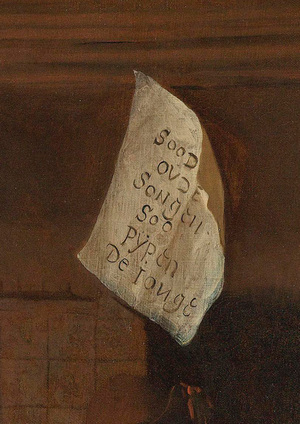
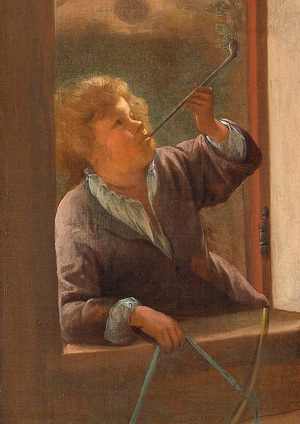
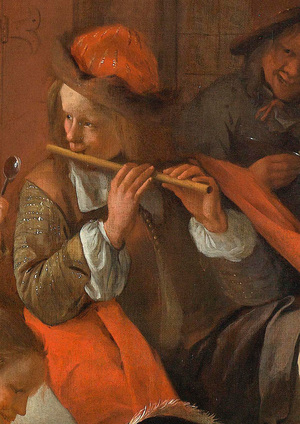
«As the elders sing, so the young flute plays.»