Between Beauty and Cruelty: The Image of the Strong Woman in Art
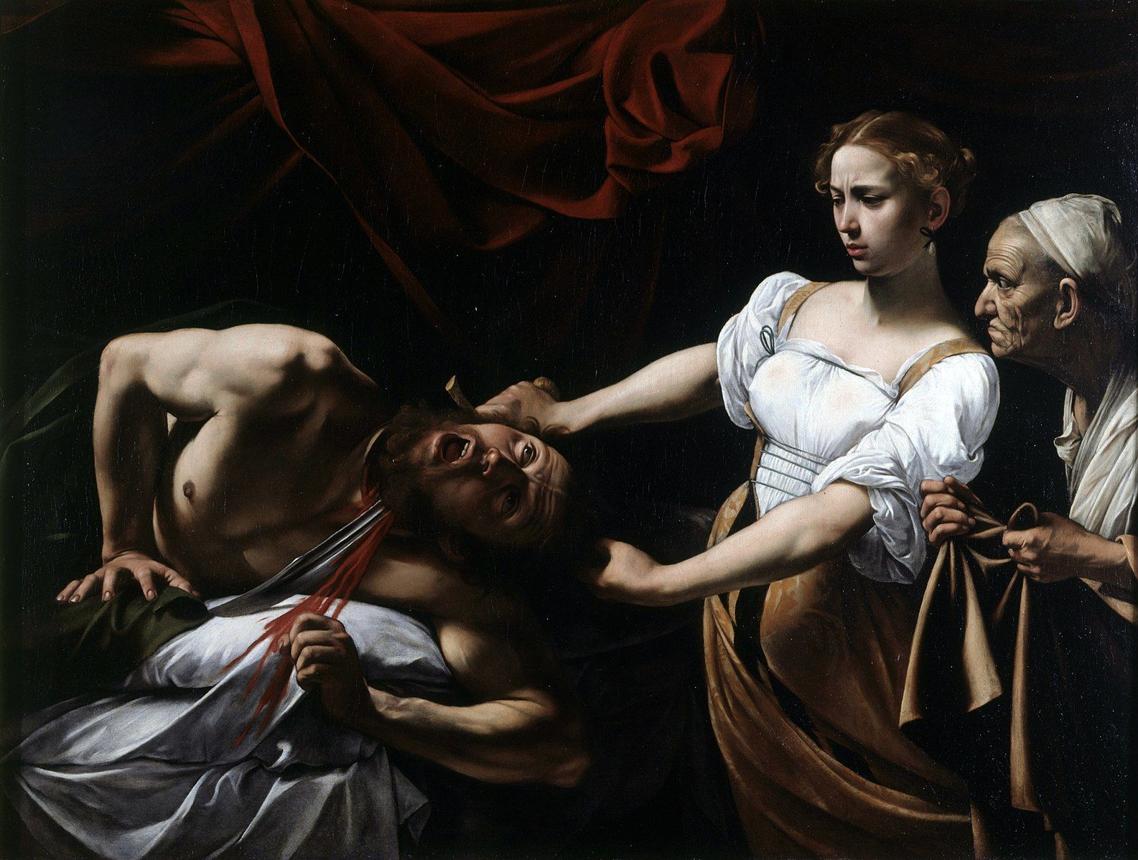
Concept
In this study, we will examine how the image of a strong woman was depicted in Baroque art of the 17th century. We will focus on the contradiction between the beauty of the female figure and the actions of the heroines, which could be cruel, dangerous, destructive, and powerful.
In Baroque art, women often became the central figures in dramatic biblical and mythological narratives. They could possess authority, display cunning, fight for their goals, and even cause the death of others. Simultaneously, artists portrayed them as beautiful and captivating, creating a contrast between their appearance and their conduct.
We will analyze how artists conveyed female strength through composition, posture, gesture, facial expression, color, light, and shadow. We will determine why some heroines were perceived as symbols of courage and justice, while others were seen as dangerous and destructive women.
For this analysis, we will look at 17th-century European painting, focusing on artists such as Artemisia Gentileschi, Caravaggio, and others. Their works particularly reflect the chosen theme. I would like to pay special attention to the female figures in biblical and mythological scenes: Judith, Salome, and Medusa. We will compare them to see how different facets of female power were revealed through them.
Thus, the research will be dedicated to how the image of a strong woman was portrayed during the Baroque era and what qualities artists imbued into that image—how the perception shifted, and why her figure could simultaneously evoke admiration, fear, and interest.
The hypothesis suggests that during the Baroque era, the depiction of a strong woman was constructed through the contrast between outward beauty and ruthless actions. Through these heroines, artists sought to portray how feminine strength could simultaneously evoke admiration, fear, and fascination.
The main research question:
How was the image of a strong woman portrayed in Baroque art, and why was her beauty often intertwined with cruelty, danger, power, and violence?
The research idea is to explore the ambiguity of the strong woman’s image during the Baroque era—characters could simultaneously inspire admiration for their beauty and fear due to their actions. We will examine how artists conveyed this contradiction and why female strength was frequently depicted through cruelty, struggle, and power.
Topics
1. Concept
2. Introduction to the Research
3. 18th Century Baroque
4. Feminine Beauty in Baroque Art
5. Cleopatra
6. Solomene
7. Judith
8. Medusa the Gorgon
9. Jael
10. Conclusion
11. Bibliography
What is Baroque? Where did the artists draw their subjects?
Baroque. A visual style that gained widespread popularity across Europe in the late 16th and 17th centuries. Originating in Italy, it subsequently spread to other European nations. The defining characteristic of the Baroque period was the drive to convey intense emotions, dramatic impact, movement, and theatricality. Artists and sculptors aimed to astonish the viewer, eliciting strong feelings of awe, anxiety, fear, or sympathy. The artists sought not merely to depict characters and events, but to create the sensation that the viewer was an active participant within the scene. Consequently, artworks from this era frequently feature tense moments, dynamic compositions, and strong contrasts. Baroque is closely intertwined with religious and mythological subjects.
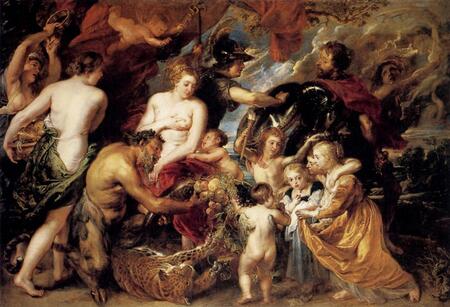
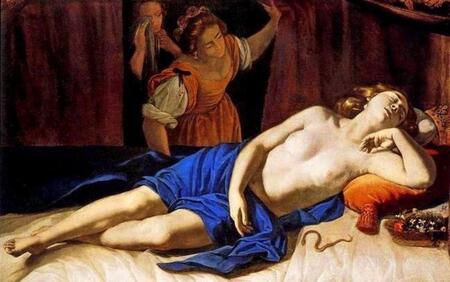
1. Pieter Paul Rubens, «Minerva Defending the World from Mars, ” 1629–1630. 2. Artemisia Gentileschi, „Cleopatra, ” c. 1633–1635.
In Baroque painting, female figures were often depicted in moments of intense emotional tension. Artists portrayed them not only as beautiful but also as resolute, authoritative, frightened, or cruel. This is precisely why the characteristics of the Baroque era help to unpack the theme, «Between Beauty and Cruelty: The Image of the Strong Woman in Art”—through movement, light, shadow, and facial expression, we can see how the image of a woman who simultaneously inspires admiration and fear was created.
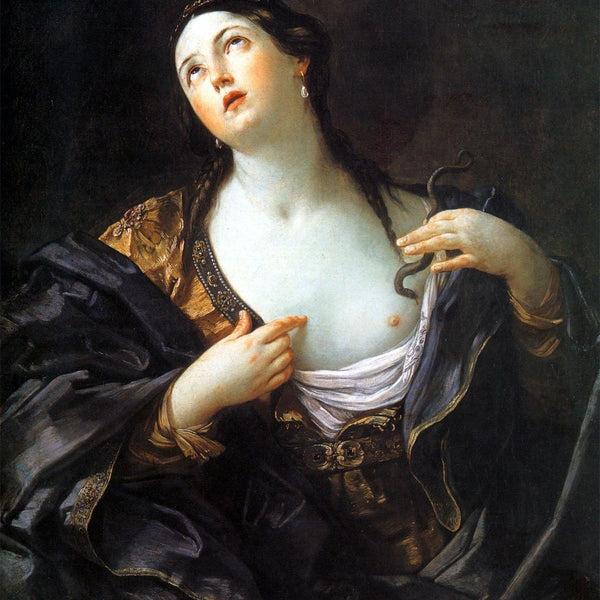
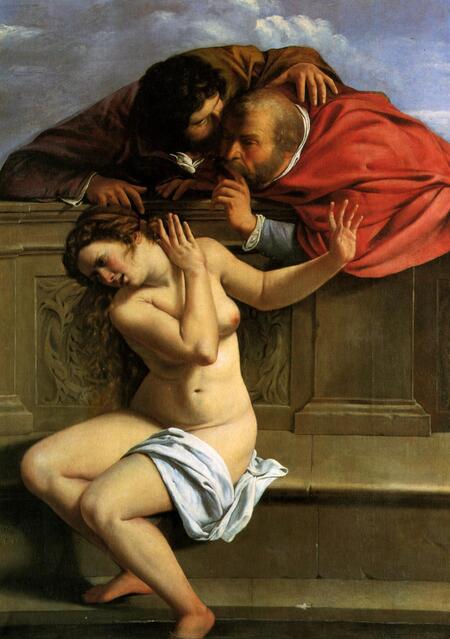
1. Guido Reni, «Cleopatra with an Asp,» c. 1628. 2. Artemisia Gentileschi, «Susanna and the Elders,» 1610.
In the Baroque era, artists frequently drew upon three primary sources for subject matter: The Bible. Stories of faith, sacrifice, martyrdom, betrayal, and punishment. (Judith, Salome, Mary Magdalene). Classical Mythology. Myths concerning goddesses, heroines, and mortal women grappling with love, revenge, power, and tragedy. (Medea, Venus, Dido). Historical Legends. Accounts of queens, rulers, and famous women from the past whose destinies were entangled with power, struggle, and tragic events. (Cleopatra).
Pieter Paul Rubens, «The Death of Dido, ” circa 1630
In Baroque painting, beauty often coexists with violence, fear, and death. Female characters are depicted with grace, expressive faces, and beautiful clothing, yet they are participants in brutal and dramatic events. This contradiction is the central focus of my research: how did 17th-century artists fuse feminine beauty with cruelty, strength, and tragedy?
Guido Reni, «The Stoning of the Innocents, ” circa 1611
In Baroque painting, female figures were often depicted as contradictory and ambiguous. A woman could be simultaneously a heroine and a villain, inspiring both admiration and fear. Artists portrayed her not only as beautiful and delicate but also as powerful, resolute, cruel, or vengeful. Particular attention was paid to women capable of influencing the destinies of others. These could be queens, mythological, or biblical heroines who possessed power and used their beauty and intelligence. Some of them became saviors, protecting others and demonstrating bravery, while others were associated with vengeance, violence, death, and destruction.To convey these qualities, artists employed expressive poses, gestures, gazes, and movements. Strong contrasts of light and shadow, rich colors, and dynamic composition also played a major role in amplifying the drama of the events.
Let’s consider this using examples of paintings:
Cleopatra
Guido Reni, «Cleopatra, ” 1638–1639
Cleopatra. The last queen of Ancient Egypt, renowned for her intellect, beauty, and political ambition. She sought to preserve Egypt’s independence and strengthen its influence by forging alliances with Julius Caesar and Mark Antony. Following her defeat by Octavian, Cleopatra faced the threat of capture and took her own life in 30 BCE. Her image has become a symbol of feminine power, pride, beauty, and tragedy. This is why artists across different eras depicted her as a woman embodying strength, charm, and a fateful destiny. In painting, she is often portrayed at the moment of her death, applying a serpent to her body. This feminine figure combines beauty, power, and tragedy. Cleopatra does not appear as a helpless victim of circumstance; her death is perceived as her final act of autonomy. The artist juxtaposes her external beauty against the tragedy unfolding, utilizing expressive gestures, body positioning, light, and shadow. This artwork allows for an examination of female strength not through domination over others, but through independence, authority, and the capacity to command one’s own destiny.
Salome
Salome. One of the most controversial female figures in Baroque art. Her story is based on the biblical narrative of John the Baptist, who was executed at Salome’s request.During a celebration, King Herod hosted a feast where Salome, daughter of Herodias, performed a beautiful dance. Impressed by her performance, Herod promised to grant her any desire. Following her mother’s advice, Salome asked for the head of John the Baptist, who was imprisoned. Herod did not want to do this, but due to his promise, he ordered John’s execution.
Filippo Lippi, «The Feast of Herod, ” 1452–1465
Bartolomeus Strobel Jr., «Feast of Herod with the Beheading of Saint John the Baptist, ” c. 1630–1643
Different artists interpreted this subject in various ways. Some depicted Salome as a participant in a tragic event, while others emphasized her beauty and outward serenity. Because of this, her image took on different meanings—from an innocent young woman caught in someone else’s cruel story to a fateful woman tied to death. Therefore, the question arises: who is Salome truly? A heroine, a victim of circumstances, or a dangerous woman? It is this ambiguity that makes her character compelling for study.
Michelangelo Merisi da Caravaggio, «Salome Receiving the Head of John the Baptist, ” circa 1609–1610.