This project is a student academic work from the HSE Art and Design School or a faculty research project from the School. This project is not commercial and serves educational purposes.
INDEX
- ConceptI. The Body as ArtworkII. Historical Precursors to the Ideal of BeautyIII. Silhouette Formation: The Body as ArchitectureIV. Anatomical Alteration: Transforming the Natural BodyV. Proportion Exaggeration: The Aesthetics of Artificial VolumeVI. Artificial Surface: Face, Hair, and CosmeticsVII. Material Luxury: The Body as a Carrier of WealthVIII. Discipline and Self-Representation: The Body as Social ImageIX. Conclusion. Beyond the Natural BodyX. Bibliography and Visual Sources
INTRODUCTION. RESEARCH CONCEPT
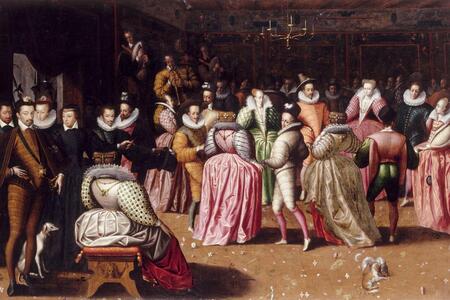
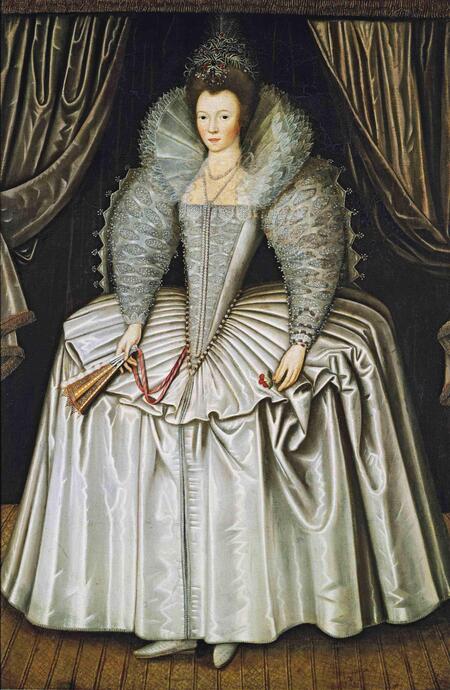
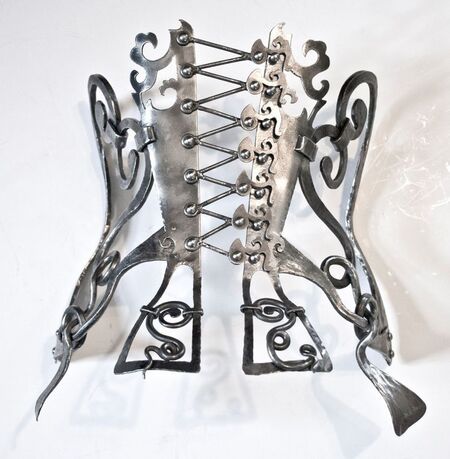
The visual study explores how the human body has been subjected to aesthetic transformation across various historical societies. Its focus is not on the history of costume itself, but on the methods by which people constructed desired appearances—altering silhouettes through clothing, adjusting proportions, utilizing cosmetics and ornamentation, transforming specific body parts, and adopting certain behavioral models. Thus, the body is viewed as a culturally conditioned image, whose formation depended on perceptions of beauty, social status, gender, and power.
The study spans from antiquity through the end of the 17th century, drawing upon materials from diverse regions: Europe, China, Japan, the Ottoman Empire, the Mughal Empire, and specific ancient Andean cultures. Comparing these traditions reveals that the ideal of beauty was not universal; different societies valued distinct proportions, shapes, skin tones, ornamentation styles, and modes of corporeal behavior. Furthermore, superficial similarities between individual practices do not necessarily imply convergence in their cultural meanings.
The material is organized not merely chronologically, but primarily functionally. Visual examples are grouped into six categories: silhouette formation; anatomical alteration and discipline; exaggeration of proportions; creation of an artificial body surface; demonstration of material status; and discipline and self-representation. This structure allows for the comparison of objects from different eras and cultures based on the role they played in constructing an external image. A single object may belong to several categories simultaneously, as clothing, ornamentation, and bodily practice often functioned as an integrated system.
The materials utilized include works of fine art, historical garments and footwear, accessories, jewelry, cosmetic items, archaeological finds, and written accounts. Museum objects hold particular significance as they allow for the study of not only the idealized image but also the actual constructions, materials, and manufacturing techniques.
Portraits are examined critically: they may reflect an idealized image, political representation, or artistic convention, and do not always serve as an accurate record of everyday appearance.
The research revolves around the question: how did objects and corporeal practices transform the human body into a culturally conditioned artistic and social image?
The main hypothesis is that the historical ideal of beauty was not created solely by emphasizing natural features, but also through the deliberate construction of appearance. Artifice was not necessarily antithetical to beauty; it could have served as a primary means of achieving it. The transformed body became a way to express aesthetic concepts, social status, gender identity, and political power.
I. The Body as a Work of Art
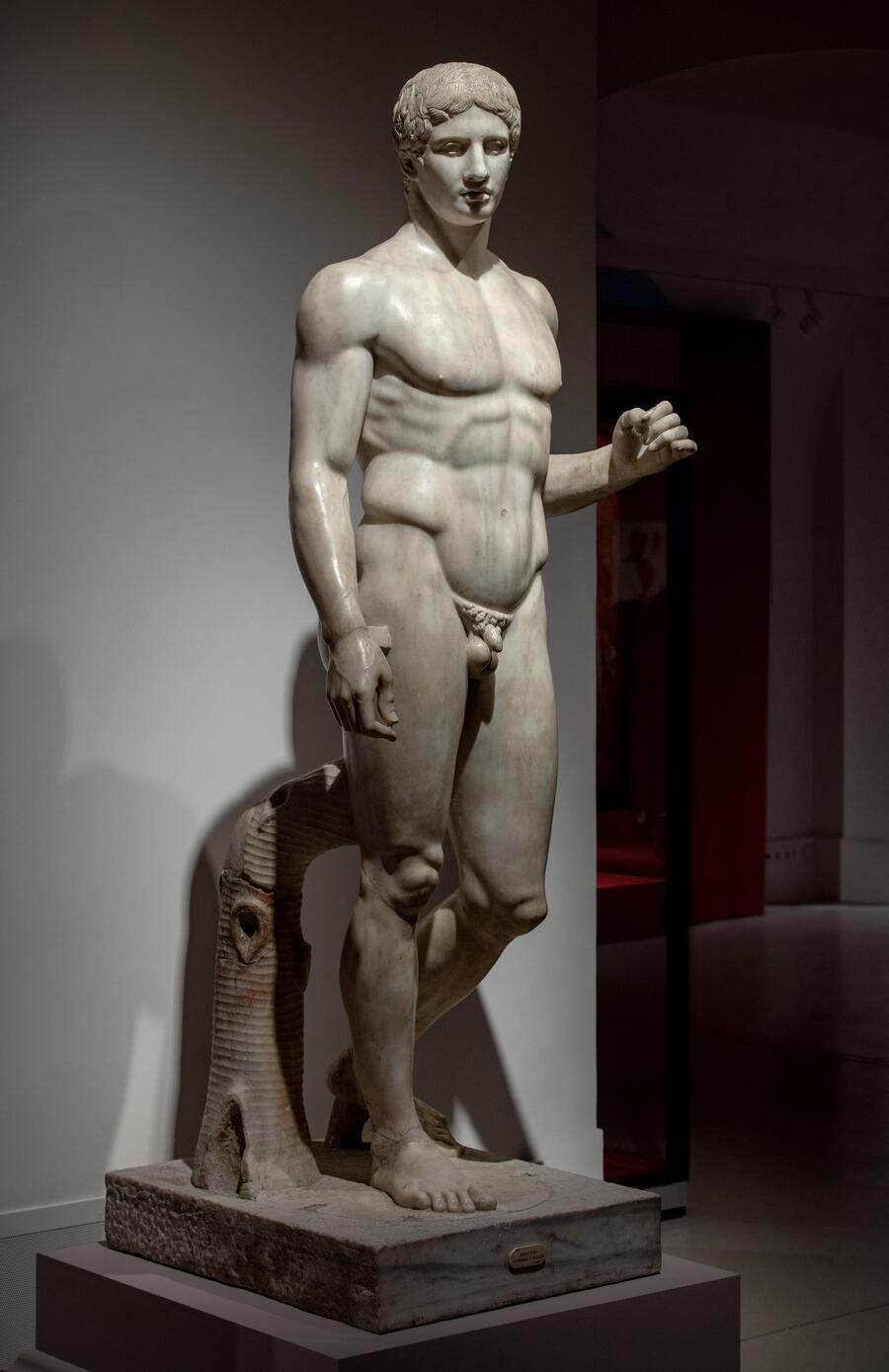
1. Polykleitos, Doryphoros («Spear Bearer»), Greek original circa 450–440 BCE; Roman marble copy, National Archaeological Museum of Naples. Original lost.
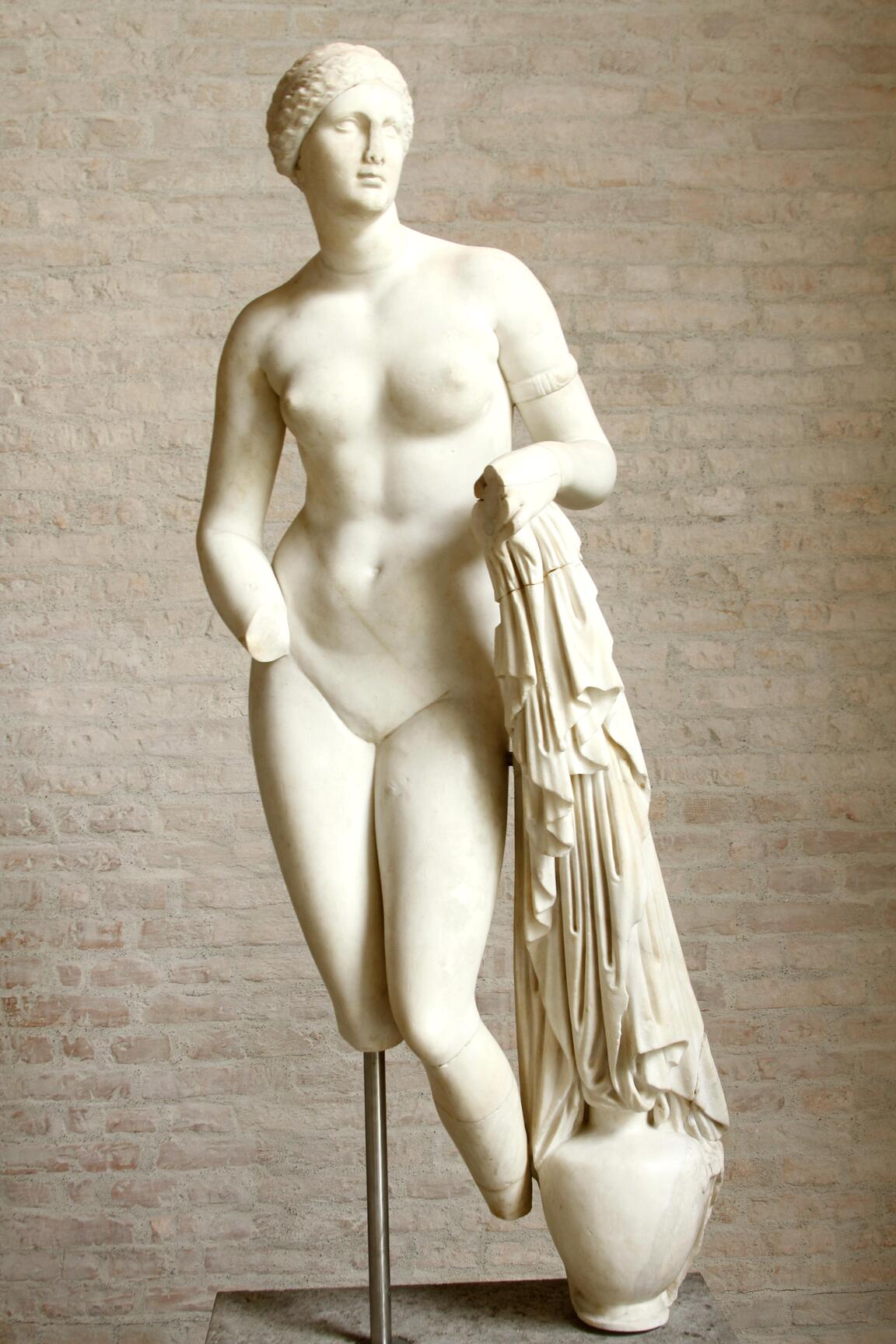
2. Roman copy of the Aphrodite of Knidos type, by Praxiteles, Greek original circa 350–340 BCE; marble.
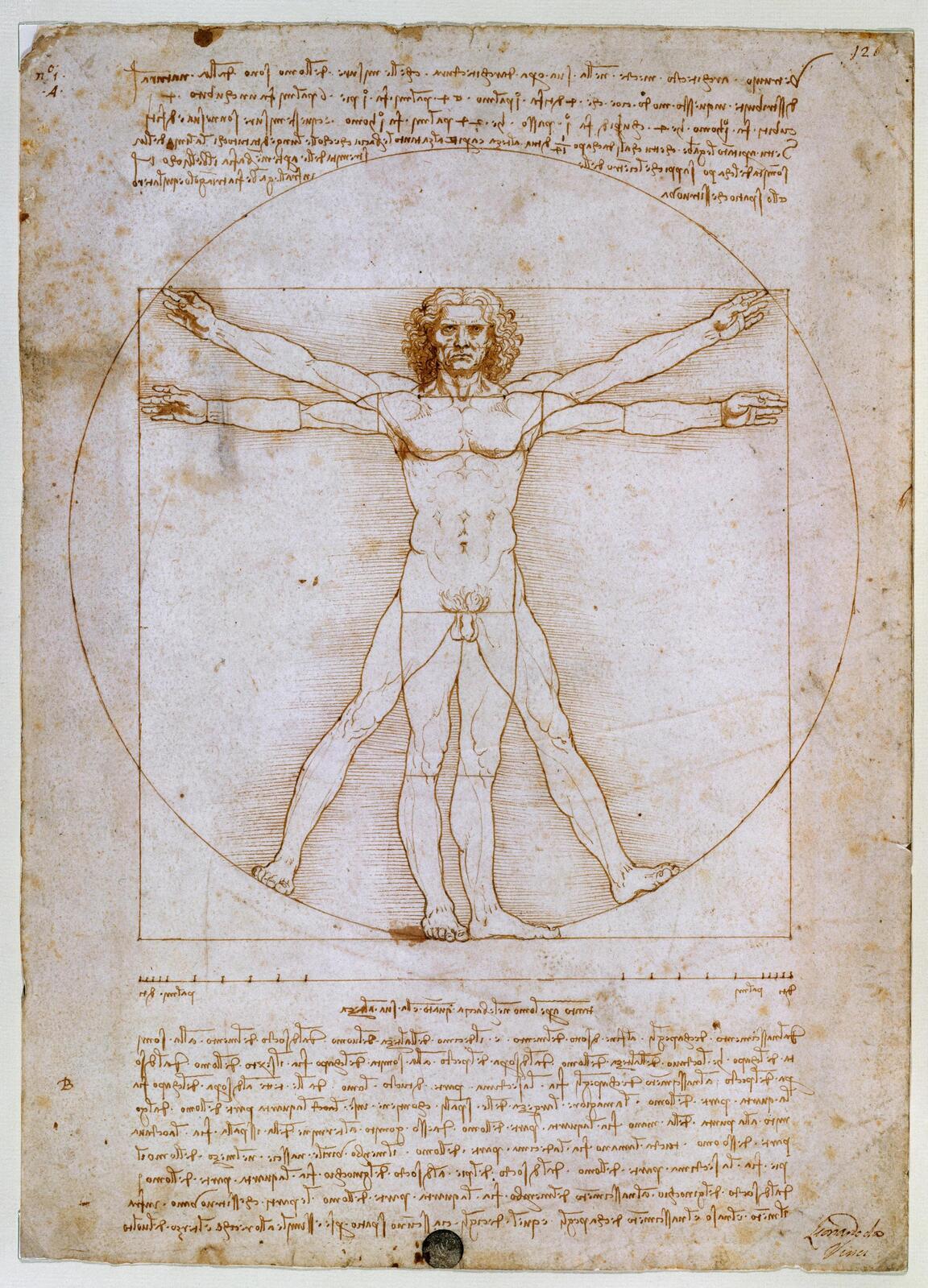
Leonardo da Vinci, Vitruvian Man, circa 1490; pen, ink, and metalpoint pencil on paper. Venice