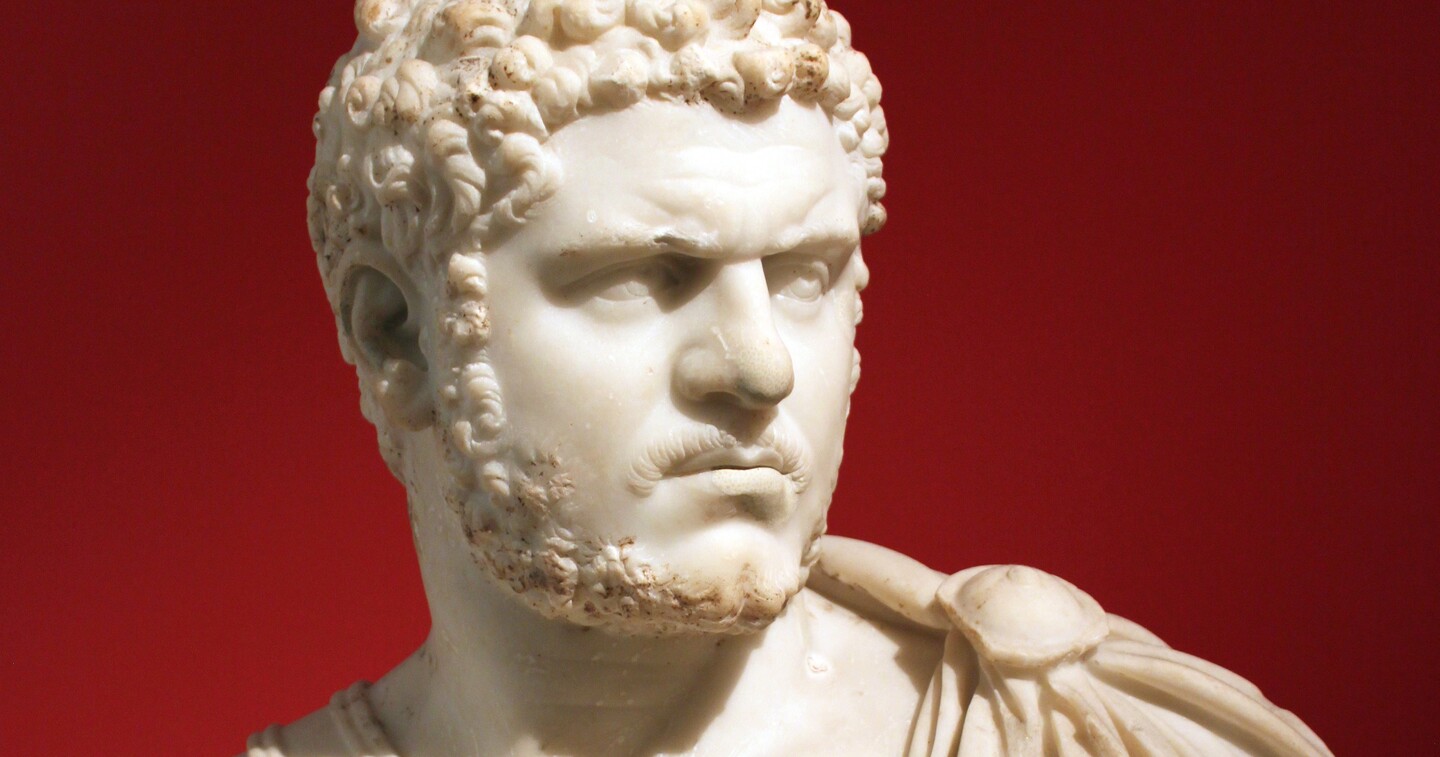
CONCEPT
Art always reflects the people of its time—their dreams, their outlook on life, and their experiences. This is especially apparent during periods of state crisis: people seek a new ideology, a new source of hope, a foundation. Consequently, many opposing ideas emerge in a short span. At first glance, the process of state collapse seems spontaneous and chaotic, but this is not the case. It possesses a discernible pattern that can be traced and identified.
After studying the decline of the Roman Empire and the crisis of its ideology through the example of sculptural portraits, further research can be conducted to identify parallels with other states experiencing similar challenges. For example, the Soviet Union also underwent a crisis—the government could no longer justify communist ideology, and the USSR soon collapsed. Just like the Roman Empire, this was reflected in the art (the transition from Socialist Realism to a stark style, followed by a resurgence of avant-garde movements). The characteristics observed in Roman sculptural portraits can be applied to any artistic discipline to determine whether a specific nation is undergoing a period of crisis.
At the onset of a crisis, people attempt to rectify the situation and seek solutions to similar problems in history and the past. In the next phase of the crisis, the state tries to conceal the true state of affairs from the populace, beginning to embellish and idealize reality. However, the crisis intensifies; the people can no longer live in a lie, and consequently, protests against this idealization begin. After the complete collapse of the existing ideology, the people begin searching for meaning in life in an entirely different direction—often one opposite to previous principles.
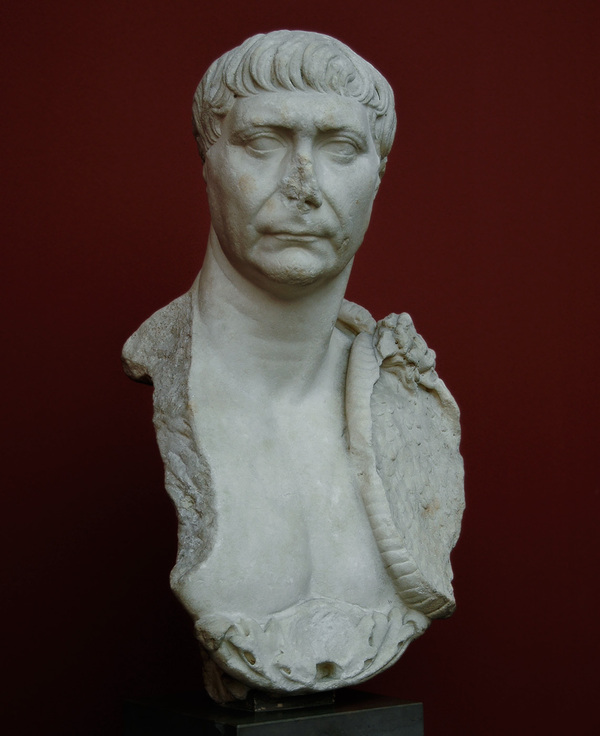
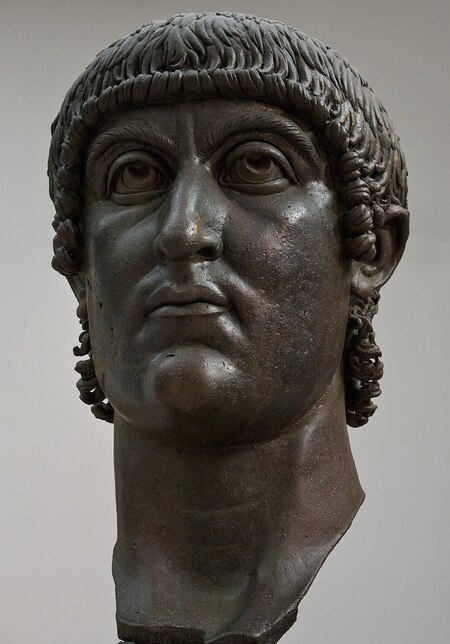
Bust of Trajan (98–117 AD) and Bust of Maximin II Thrax (4th Century AD)
During the course of this study, a question arises: how and why did Roman sculptural portraits change between the 1st and 4th centuries? Answering this question will help not only to identify the characteristic features of each period but also to understand the underlying reasons for their emergence.
For this visual study, statues and sculptural portraits of the Roman Empire from the second half of the 1st century to the 4th century were selected, alongside Greek statues and Republican portraits to establish parallels. Roman funerary portraits were excluded from the study because they exhibit a different, more conservative style that was less susceptible to state-driven change. Furthermore, portraits created in the empire’s provinces were not included, as these regions initially possessed their own culture that merged with Roman influence to develop a distinct style.
To contextualize the changes in art, literature on the distinctive characteristics of Roman sculptural portrait styles for each period, as well as the historical context of those periods, was reviewed.
The work is divided into five sections: — The first section is dedicated to the Flavian dynasty. It highlights the characteristic features of human depiction from this period and describes the worldview of the Romans prior to the crisis. — The second section focuses on the reign of Trajan. It explains the reasons for the return to the republican style in sculptural portraiture and demonstrates the specific characteristics of the subjects portrayed. — The third section covers the reigns of Hadrian and Antoninus, as well as the end of the second century. This section provides the historical context of the era and posits that there was a strong drive to idealize and heroize portraits, emphasizing the key stylistic techniques of this period. — The fourth section is devoted to the era of the soldier emperors. This block describes the crisis and its impact on the populace in greater detail, the collapse of ideology, and the complete abandonment of the second-century portrait style. — The fifth section addresses the late third century and the fourth century. This section details the consequences of the Crisis of the Third Century and the complete rejection of the original Roman ideology.
THE FLAVIAN DYNASTY
In the Roman Empire, portraiture always played a huge role. Since the Republic, the Romans considered it important to depict the subject’s individual characteristics so that everyone could understand who was portrayed and what achievements they had. Statues were also one of the greatest means of promoting the Roman Empire’s propaganda.
The reign of the Flavian dynasty marked the zenith of the Roman Empire. Roman sculptural portraiture reached its peak—a pursuit that had existed since the Republic—the accurate rendering not only of a person’s physical features but also of their character.
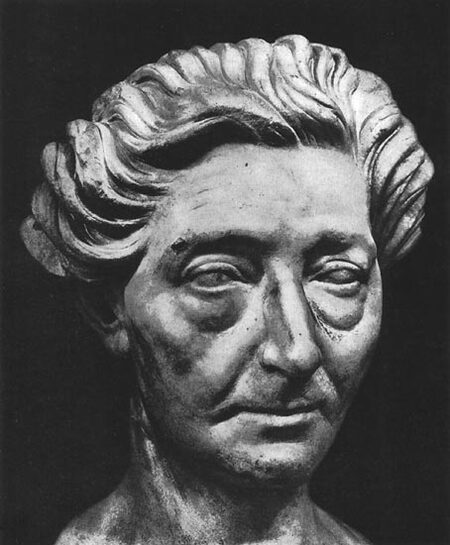
Portrait of Cecília Yukunda (1970s) and Portrait of an Elderly Roman Woman (second half of the 1st century AD)
For the Romans, the depiction of characteristic facial features was essential in portraiture since the early Republic. However, inspired by Hellenistic Greek art, sculptors also began to focus on the inner world of the individual, attempting to represent that as well. During the reign of Augustus, Roman sculptures—especially those of the emperors—were idealized. In the Flavian period, portraiture achieves a balance among recognizability, idealization, and the conveyance of character.
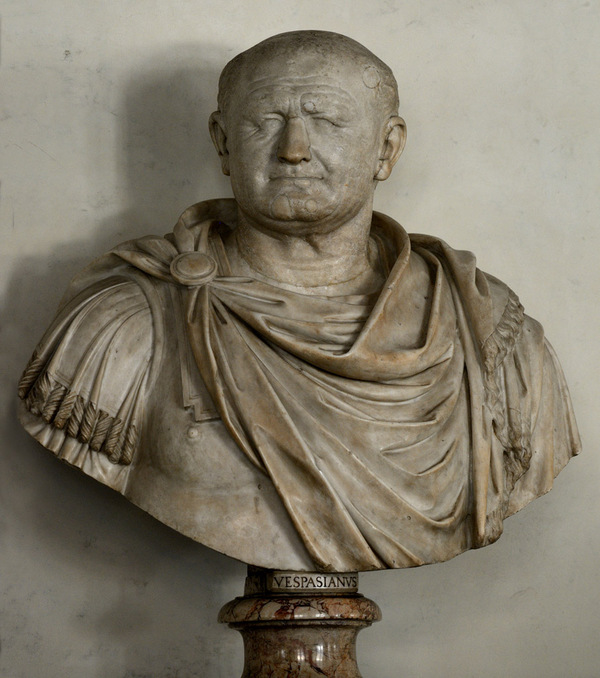
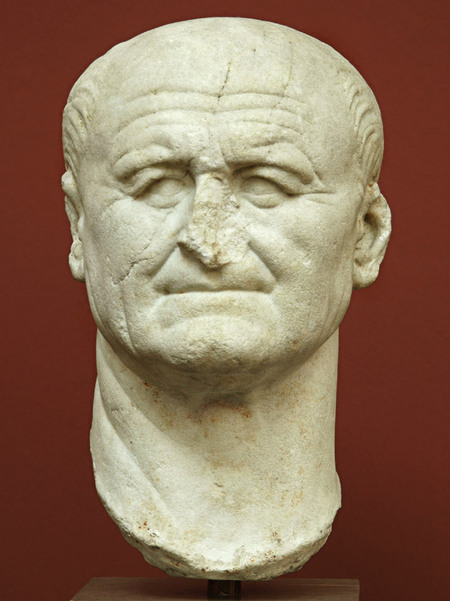
Bust of Vespasian (70s AD) and Portrait of Vespasian (70s AD)
One of the characteristic works from this period is the portraits of Vespasian. The sculptors precisely captured the Emperor’s distinct features: a high forehead, a rectangular face, and deep-set eyes with downturned corners. They also did not shy away from depicting his age, clearly rendering wrinkles on his forehead, around his mouth and eyes, and under his eyes. Despite the significant focus on the face itself, the hair is merely suggested by a few lines on the head. For the sculptors, the most important element was the recognizability of the subject—the entire emphasis had to be on the face, so the hair is rendered much more simply to avoid distracting the viewer from the main focus. The character of Vespasian is also visible in the portraits. The Emperor was modest and of a gentle disposition, which the sculptor masterfully conveyed through slightly upturned lips and relaxed brows.
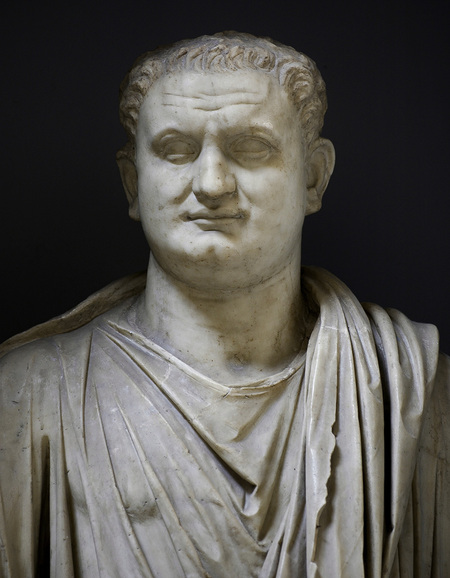
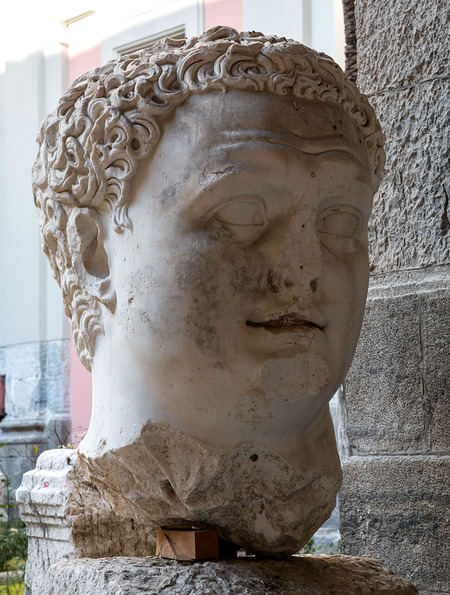
Statue of Emperor Titus (1st Century CE) and the Colossal Head of Titus (96 CE)
The portraits of late Flavian emperors are undoubtedly idealized, yet the sculptors still strived to convey the emperor’s essential characteristics. For example, the portraits of Emperor Titus retain individual character, though his face was rendered more proportional and noble.
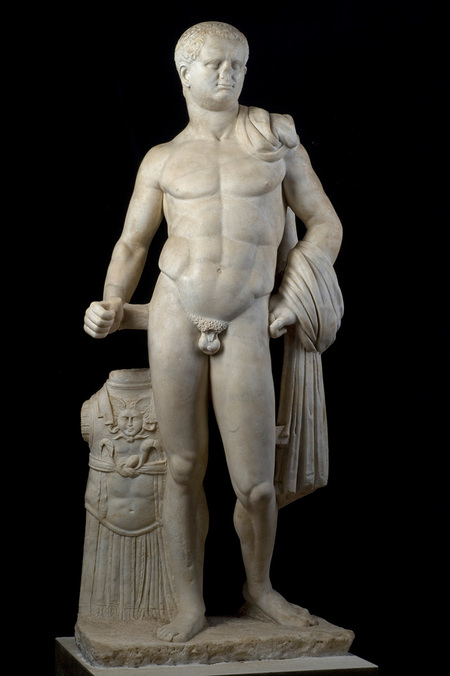
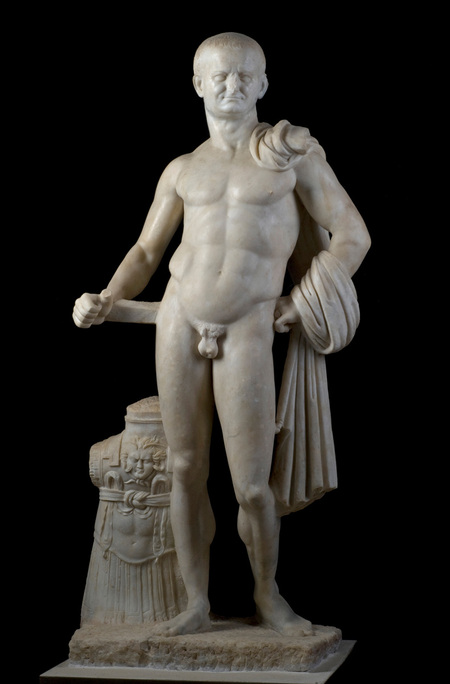
Statue of Titan (1st century AD) and the Statue of Vespasian as a Hero (81–96 AD)
Roman statues are characterized by using the idealized Greek body juxtaposed with a realistic and lifelike head, creating a strong contrast between the youthful, athletic physique and the aged face.
TRAYANA REIGN PERIOD
The second century is generally considered a period of flourishing for the Roman Empire: Trajan conquered many lands and expanded the Roman Empire, the economy and slave-based industry were stable, and the army was numerous and powerful. Furthermore, this period saw numerous technological and scientific advancements. However, already during Trajan’s reign, the preconditions for the empire’s crisis in the 3rd century began to emerge.
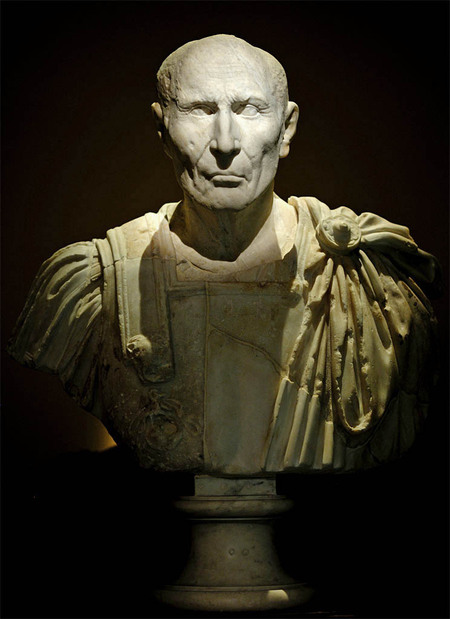
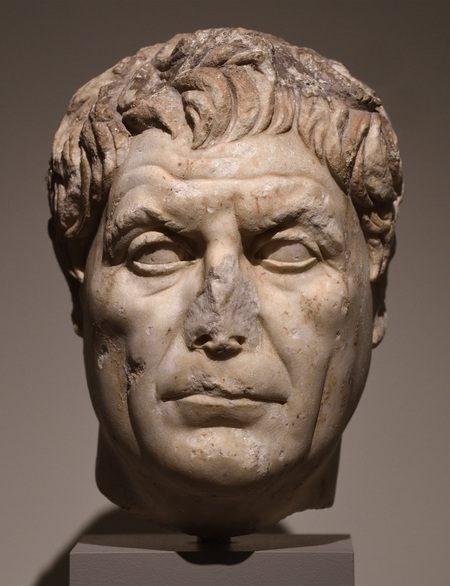
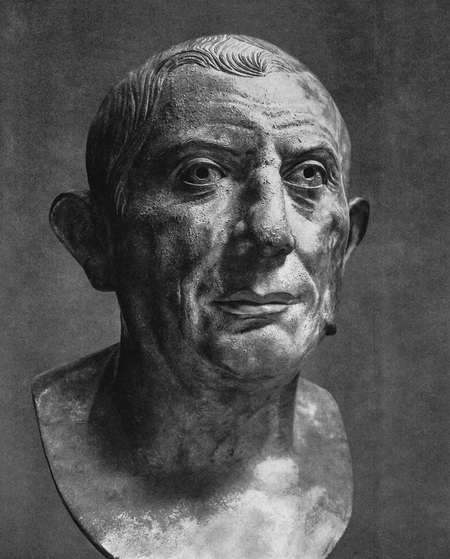
Portrait of a Republican (mid-1st century BCE) and Portrait of a Man (100 CE)
The Romans looked back to the times of the Roman Republic, a period when the state was actively expanding and thriving. During this time, citizens nostalgically recalled the lives of their fathers and ancestors, wishing to recreate everything as it was in the «good old days”—a sentiment that, naturally, was reflected in sculpted portraits. Special attention is paid to older citizens; wrinkles, bags under the eyes, and all imperfections are depicted with the characteristic Republican verism of portraiture. Idealization is completely absent.
Tiberius was the last emperor who attempted to prevent it, but he was unsuccessful, and a larger number of territories conquered by Tiberius broke away from the empire after the emperor’s death.
The desire to halt the growing crisis is reflected in the portraits of this period.
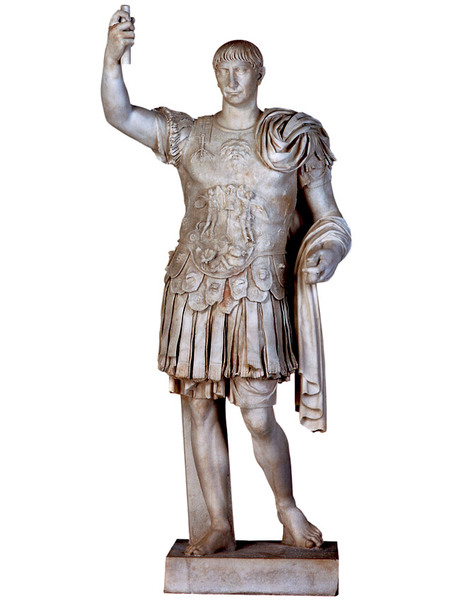
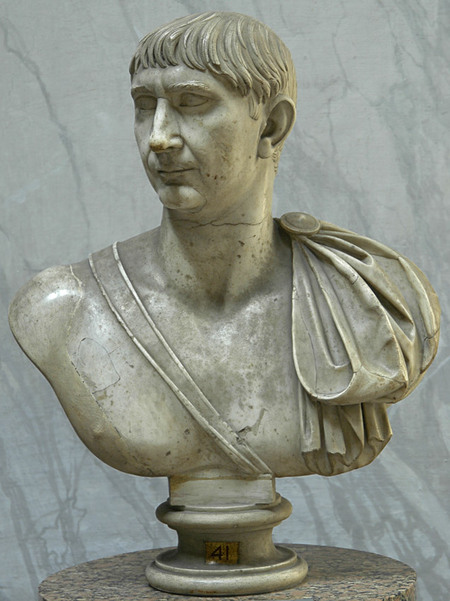
Trajan’s Statue (108–117 AD) and Trajan’s Bust (103–117 AD)
Even in the emperor’s portraits, the wrinkles and his stern eyebrows are clearly visible. His face does not adhere to neoclassical ideals—his nose is too long, his ears too large, his face long, and his forehead small.
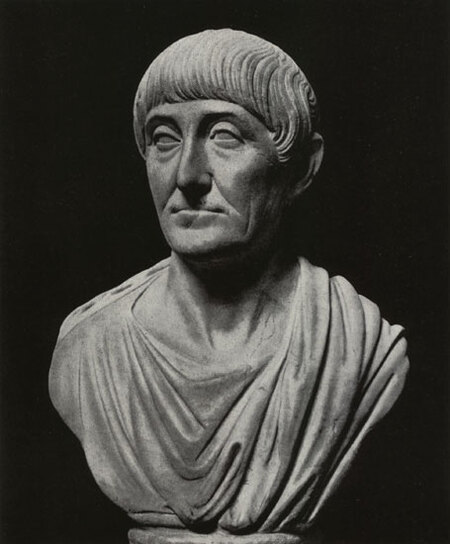
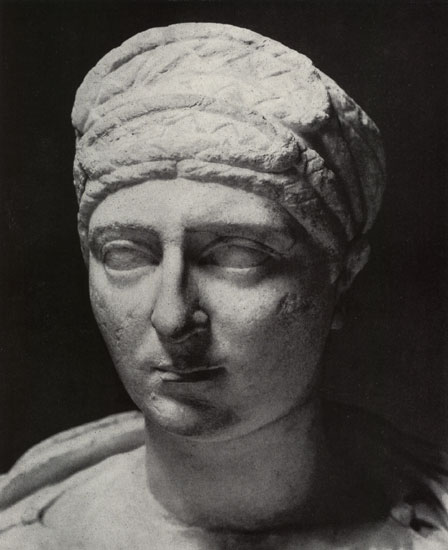
Bust of an elderly Roman (early 2nd century CE) and bust of an unknown woman (98–117 CE)
As in the time of the republic, portraits do not convey the inner world of the sitter; most portraits from the Trajan period feature cold, severe expressions devoid of individual character traits.
THE REIGN OF ADRIAN AND ANTONINE
After Trajan, Hadrian becomes emperor. The preconditions for the Crisis of the Third Century worsen: the absence of a stable system for managing new lands and provinces, the exploitation of the rural population, and the crisis of slavery began gradually to erode the state. However, the consequences of this crisis would not manifest until the turn of the third century.