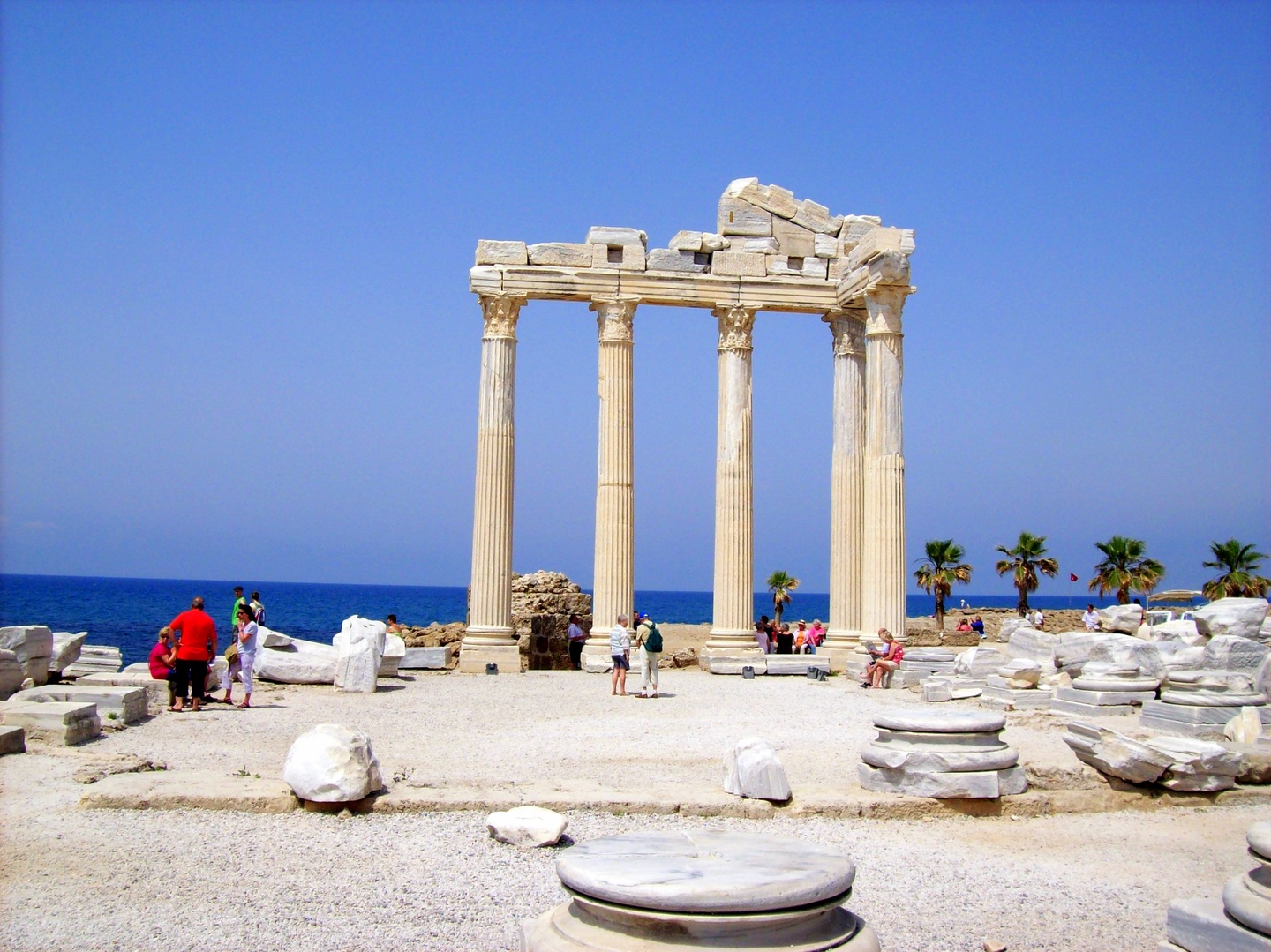
Ордерная система и каноны античности.
Один культ — три архитектурных образа: храмы Аполлона в Коринфе, Дидимах и Сиде.
Visual Research Concept
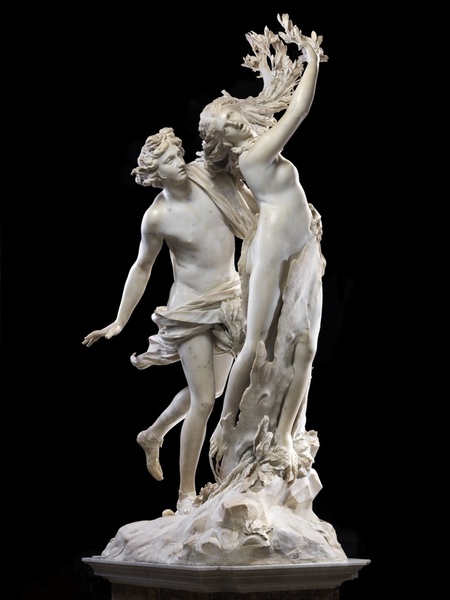
My interest in this topic developed quite unexpectedly. While watching a TV series, I saw a scene that discussed Apollo and his love story. The plot captivated me, and I became curious to learn who Apollo was and why so many legends had formed around his image. I began reading about him and became interested in the story of the nymph Daphne. According to the myth, Apollo fell in love with her, but Daphne did not reciprocate his feelings and, trying to escape him, transformed into a laurel tree. Since then, the laurel has become associated with the image of Apollo, and the laurel wreath has become a symbol of victory and glory. Initially, I just wanted to learn more about this story, but my interest evolved into classical culture and the architecture of the temples dedicated to this deity. («Apollo and Daphne» by Bernini: Unrequited Love, 1st Century CE)
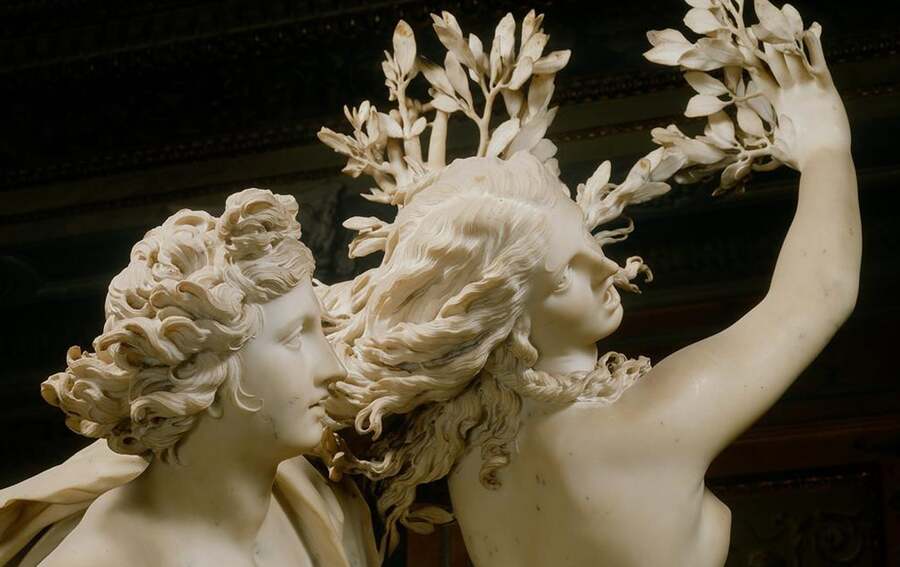
Bernini’s «Apollo and Daphne»: Unrequited Love
For my research, I have selected three temples dedicated to Apollo: those in Corinth, Didyma, and Sidon. I am intrigued by the fact that while they are all tied to the same cult, they appear completely different. Each temple represents a distinct architectural order: Doric, Ionic, and Corinthian. Using this example, I aim to analyze how the choice of order influences the structure’s architecture and why the order alone is insufficient to explain the differences between the temples.Initially, I will compare their external appearance: proportions, height, and the placement of columns, the rhythm of the colonnade, the design of the facades, and the ornamentation of the capitals. Then, I will move on to the layout and interior space. Here, it is important for me to understand how each temple is structured, how its internal sections are organized, and how they differ. I will also examine their setting: the place they occupy within the surrounding urban fabric, how they relate to the sanctuary and the natural landscape, and whether this affects their perception.The central question of my research is:
How do the order system, layout, and placement influence the architectural appearance of Apollo temples?
My hypothesis is as follows: I propose that the order establishes the primary visual characteristic of the temple, but does not define its entire appearance. The building’s proportions, floor plan, organization of interior space, and environment also influence its perception. Therefore, even structures dedicated to a single deity can possess vastly different architectural character.
In this work, I will rely not only on texts but also on the works of art themselves. It is important to me to illustrate how the image of Apollo and the related cult were reflected in art. Consequently, I will utilize reliefs, mosaics, frescoes, coins, and other historical imagery to help unfold the theme.
The theoretical foundation of this research will consist of scholarly publications concerning ancient architecture and the archaeology of Corinth, Didyma, and Sida. These sources will aid in verifying details regarding the arrangement, floor plan, and architectural features of the temples.
Through comparison, I aim to understand the role the order plays in shaping the appearance of each temple and how the floor plan, interior space, and surrounding environment influence that appearance.
Section 1. Apollo: Cult and Architecture
Аполлон — божество, определившее архитектурный контекст исследования.
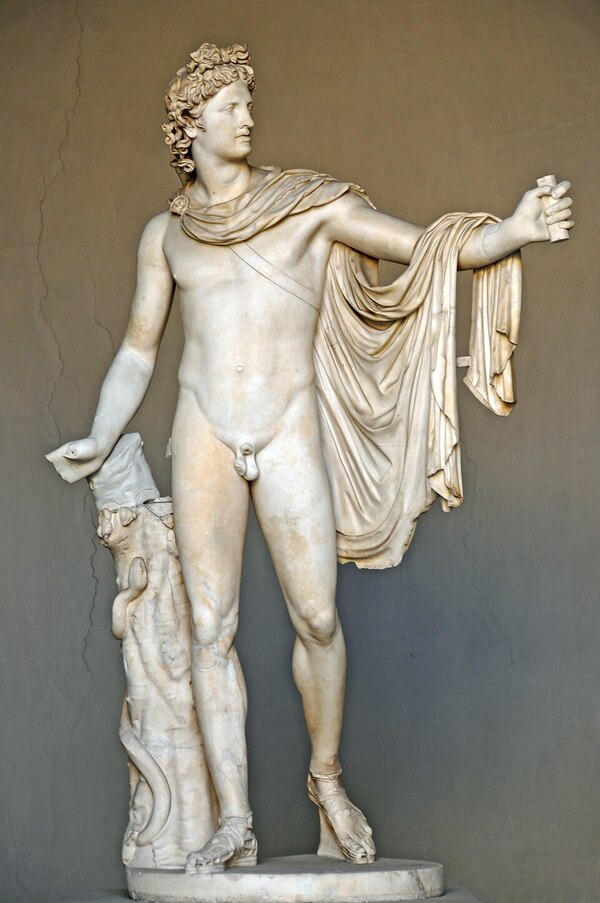
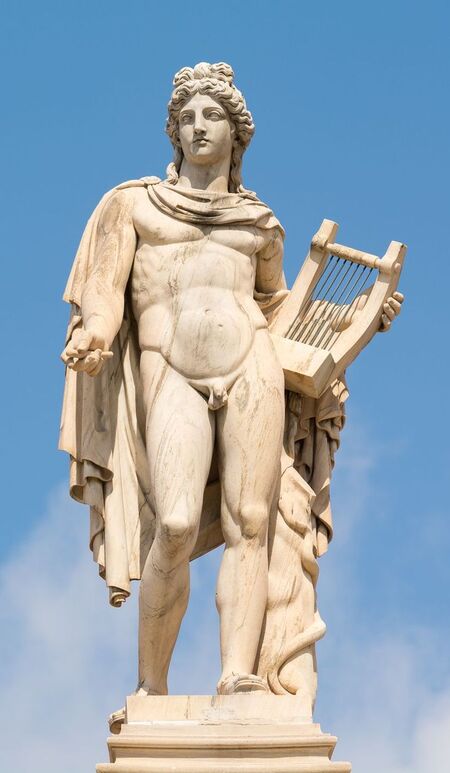
Apollo Statue
Apollo held a special place in the religious and cultural life of Ancient Greece. He was revered as the god of light, art, and harmony. His worship was widespread across many regions of the ancient world, and the sanctuaries dedicated to him became important religious and social centers.
The image of Apollo was associated with concepts of order, measure, and harmony. These ideas are particularly compelling within the context of ancient architecture, where proportions, rhythm, and the relationship between the building’s parts held great significance.
For my research, the cult of Apollo serves as my starting point. I am examining three temples associated with this deity to investigate why their architectural expressions differ so significantly.
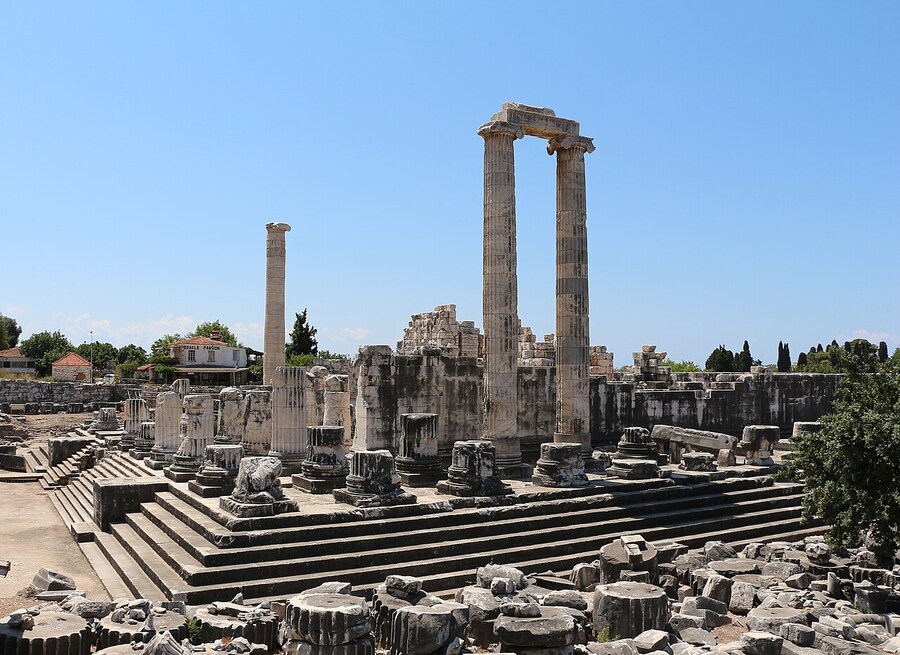
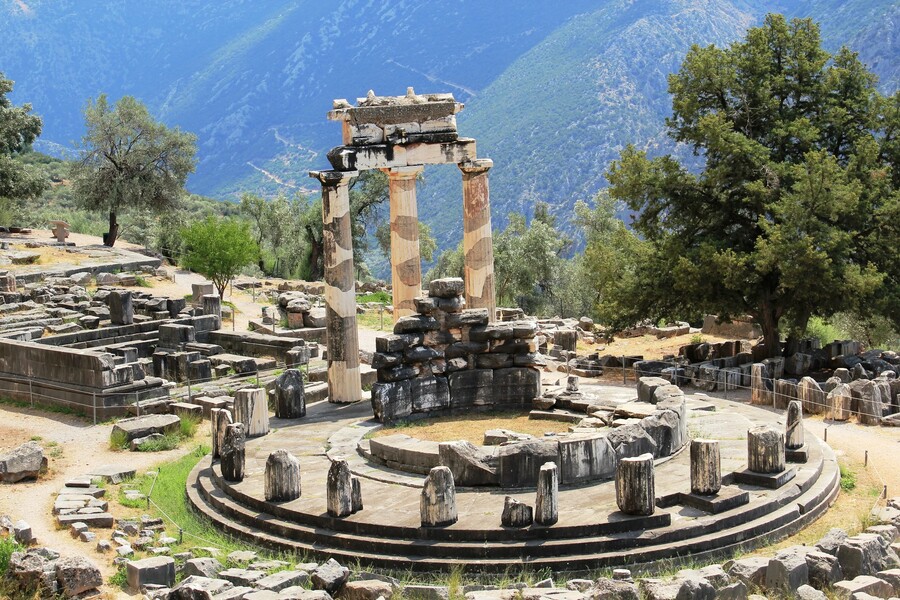
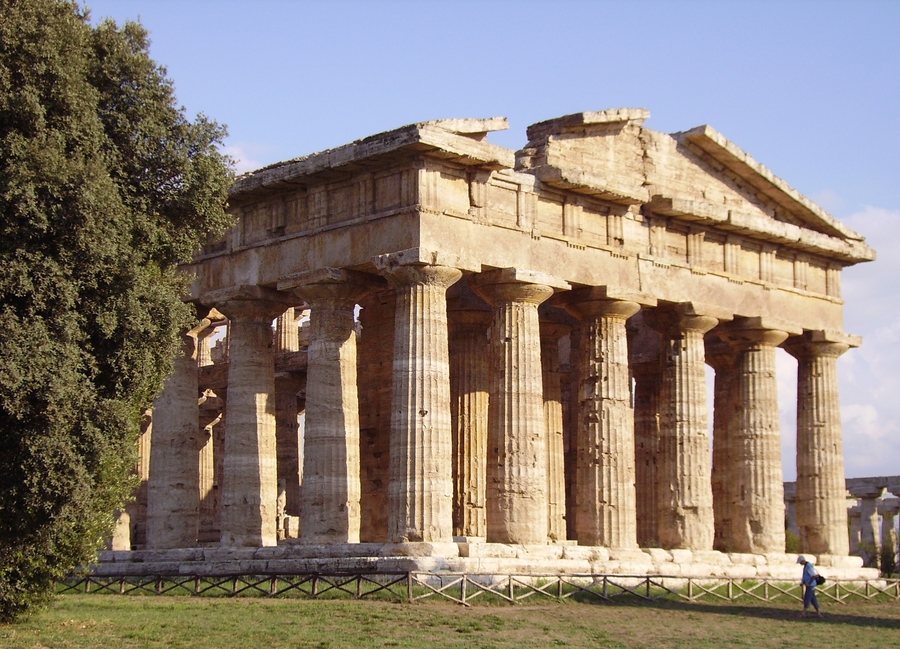
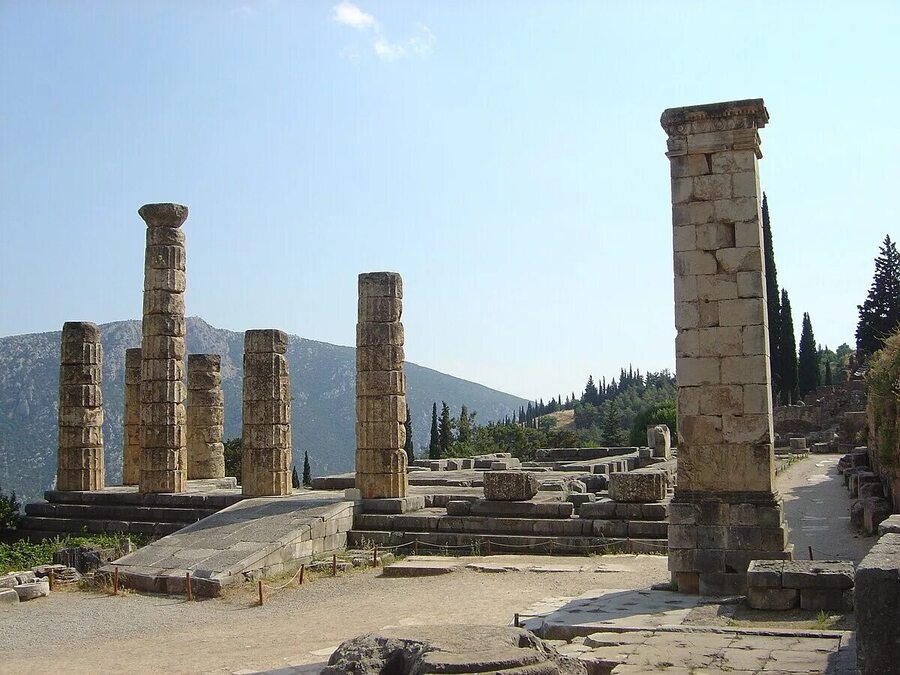
Apollo’s Sanctuaries in the Ancient World
Apollo shrines existed in various parts of the ancient world. The most famous were Delphi and Didyma, where religious activity was tied to divination. In other cities, the cult of the deity became integrated into public and civic life.Temples dedicated to Apollo did not share a singular architectural design. Their exterior appearance depended on the time of construction, local building traditions, and environmental characteristics.In this study, I will focus on three monuments: the Temple of Apollo in Corinth, Didyma, and Sidon.
va