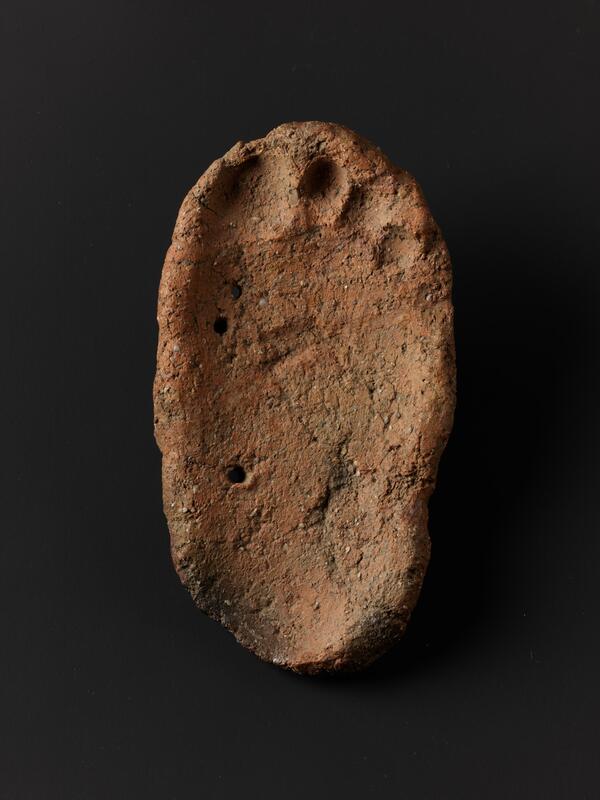
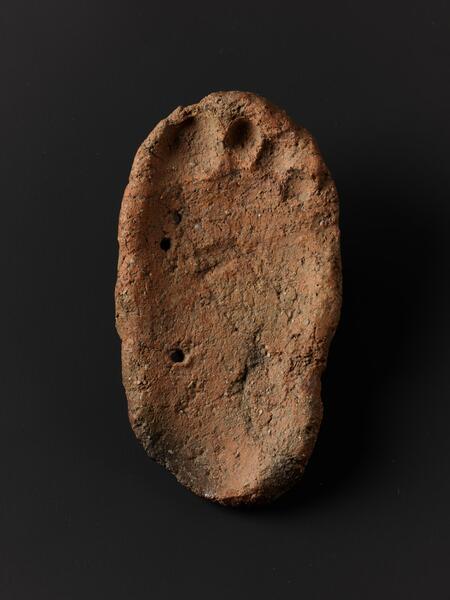
Throughout its history, humanity has strived to understand its own image and leave a mark. Ceramics became one way of fulfilling this desire, allowing the expression of the human figure, facial features, and individual body parts. In ancient Japanese ceramics, anthropomorphic imagery achieved a unique diversity of forms and methods of plastic expression.Footprint of a Child Murakami, Niigata Prefecture Jōmon (c. 1000 BCE — 1000 BCE) https://colbase.nich.go.jp/collection_items/tnm/J-38391?locale=ja
Throughout its history, humankind has striven to comprehend its own image and leave a mark. Ceramics has been one way to realize this desire, allowing for the conveyance of the human figure, facial features, and individual body parts. In ancient Japanese ceramics, anthropomorphic forms developed a unique diversity of shapes and methods of plastic expression.
Key research question: How were anthropomorphic representations of humans manifested in ancient Japanese ceramics, and how did the methods of depiction change?
Hypothesis:
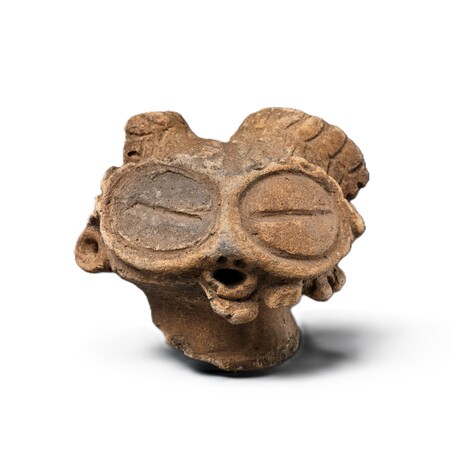
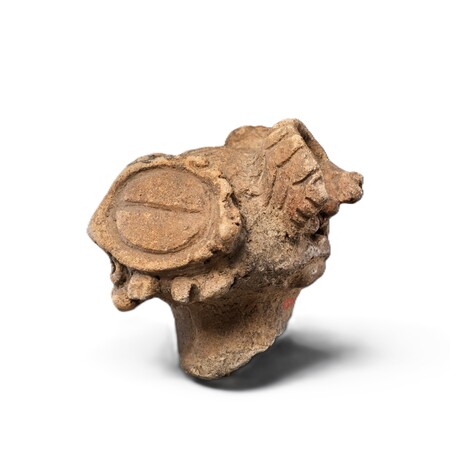
The research hypothesis posits that the methods of rendering the human figure in ancient Japanese ceramics gradually expanded and grew more complex. The human form could function either as a symbolic plastic image—a sign integrated into the structure of the object—or as an independent figure endowed with recognizable physical traits and a specific social role. Consequently, the changes addressed not only the degree of pictorial detail but also the very nature of the human presence within the ceramic object.Head of a clay figurine (1200–900 BCE)
Research Material:
The study materials consist of samples of ancient Japanese ceramics from the Jōmon, Yayoi, and Kofun periods, which exhibit anthropomorphic elements. The visual investigation covers freestanding anthropomorphic figures, including Dogū and Haniwa, as well as masks and vessels featuring sculpted representations of human faces and figures. Each of these forms represents a distinct approach to interpreting the human image, revealing the diversity of its plastic embodiment and interaction with the object’s form.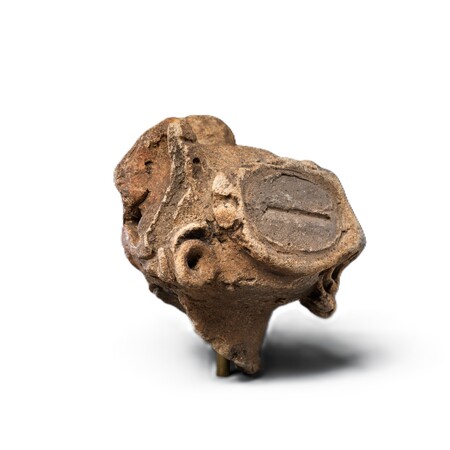
Research Structure:
The principle of research categorization is not built upon a strict chronological sequence, but rather on the characteristics of the plastic embodiment of the anthropomorphic image in ancient Japanese ceramics. The primary principle of categorization involves dividing the material according to the methods of expressing the anthropomorphic quality and the nature of its interaction with the object’s form.Navigation:
1. Concept
2. Pre-course: Anthropomorphic Figurines
3. Masks: The Human Face
4. The Human as Part of an Object
5. Hanimav: The Human as an Independent Image
6. Conclusion
7. Bibliography
Figurines: Anthropomorphic figures
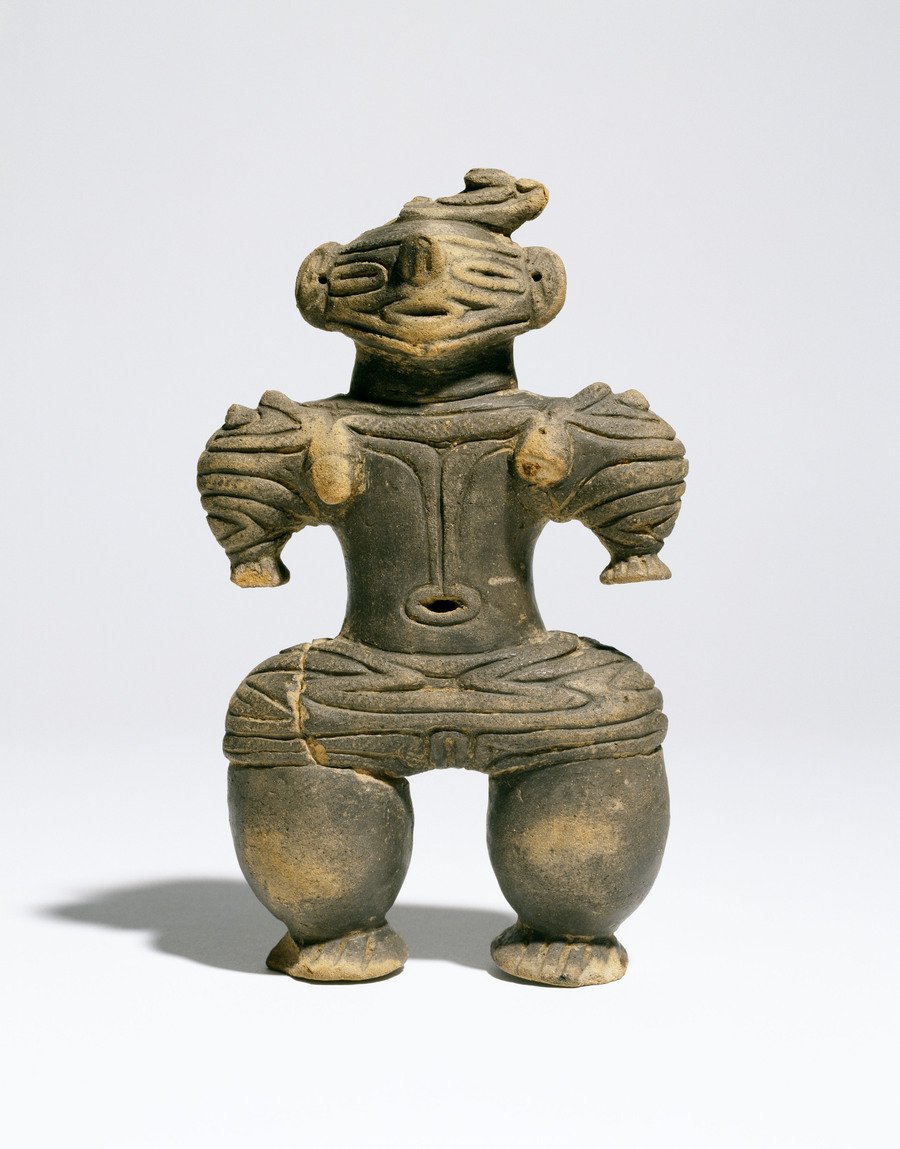
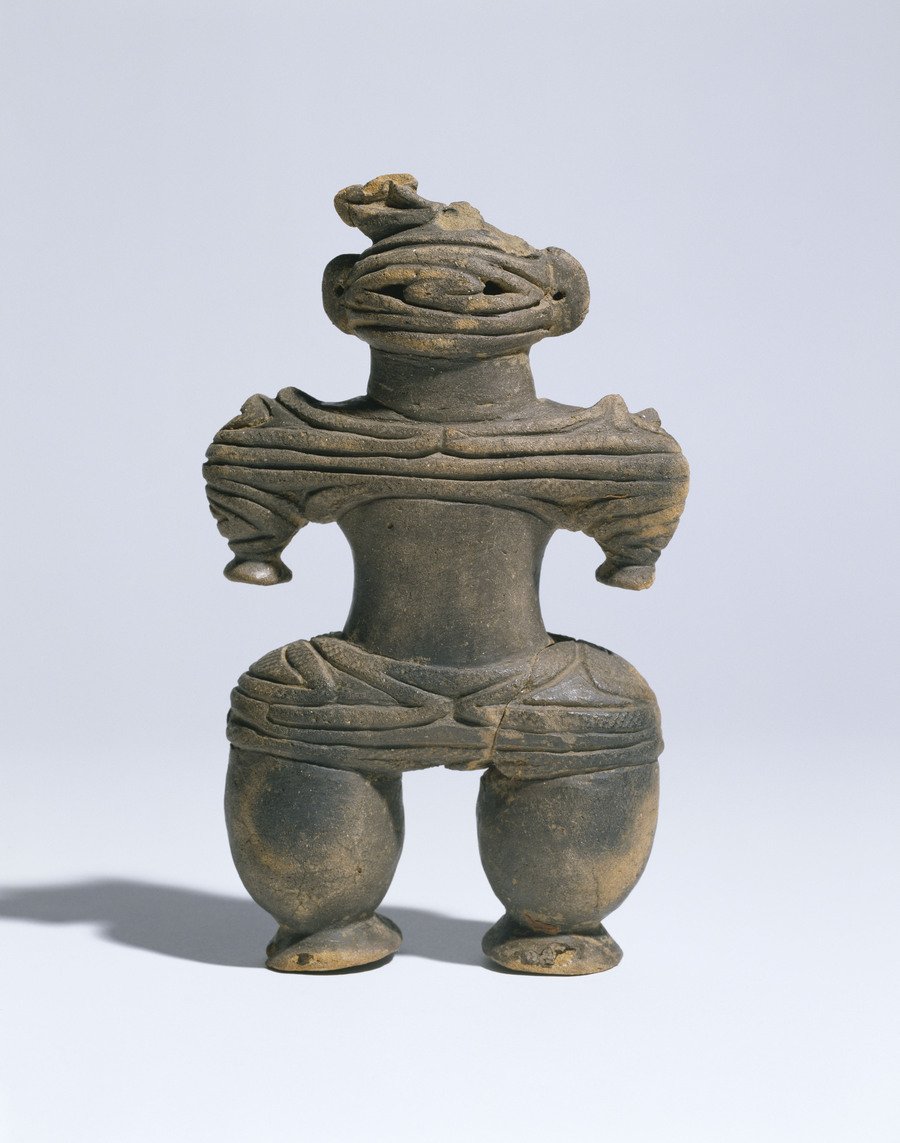
Clay Figurine («Dogu») Jōmon Period (c. 1000–400 BCE) Kawanehoncho, Shizuoka https://colbase.nich.go.jp/collection_items/tnm/J-36928?locale=en
Figurine name
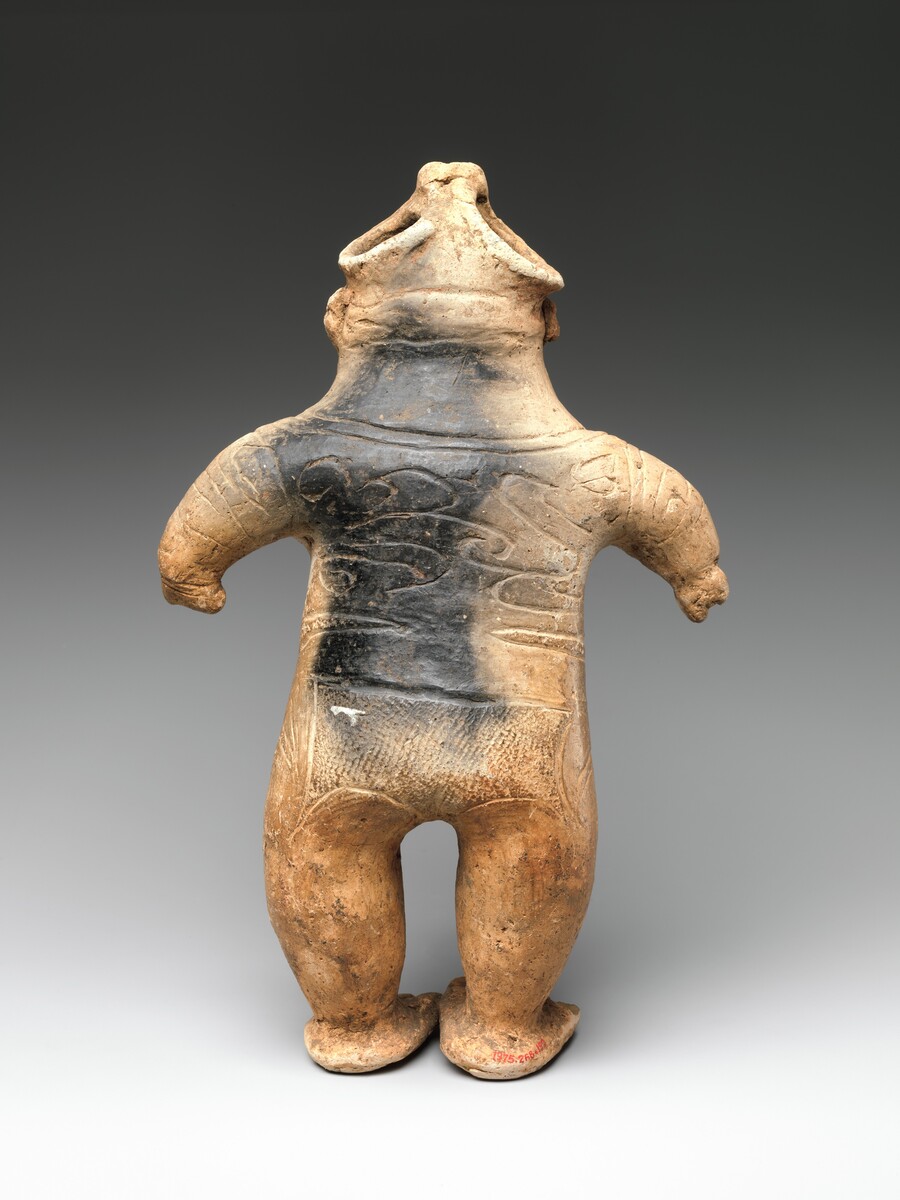
figurine name
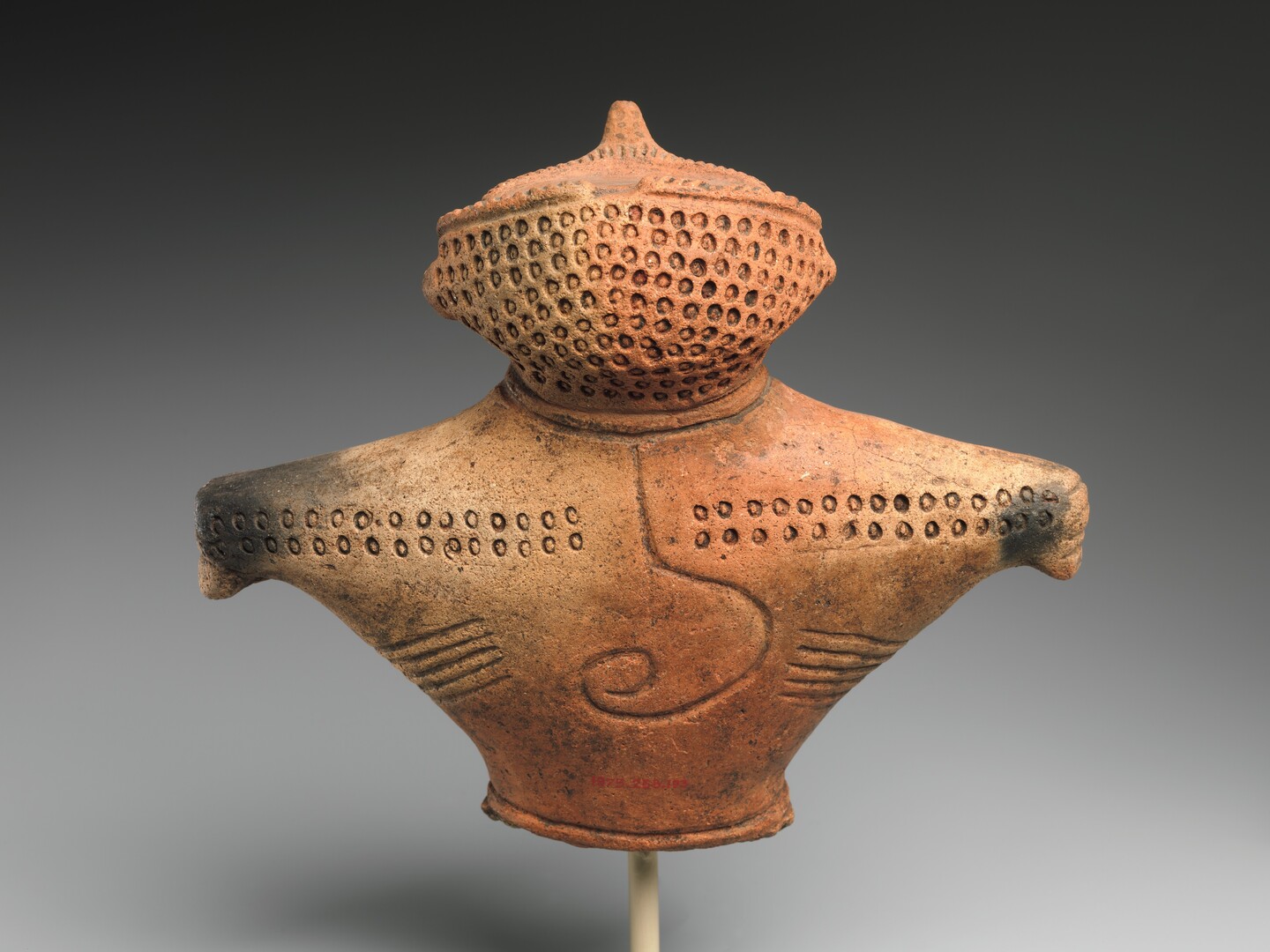
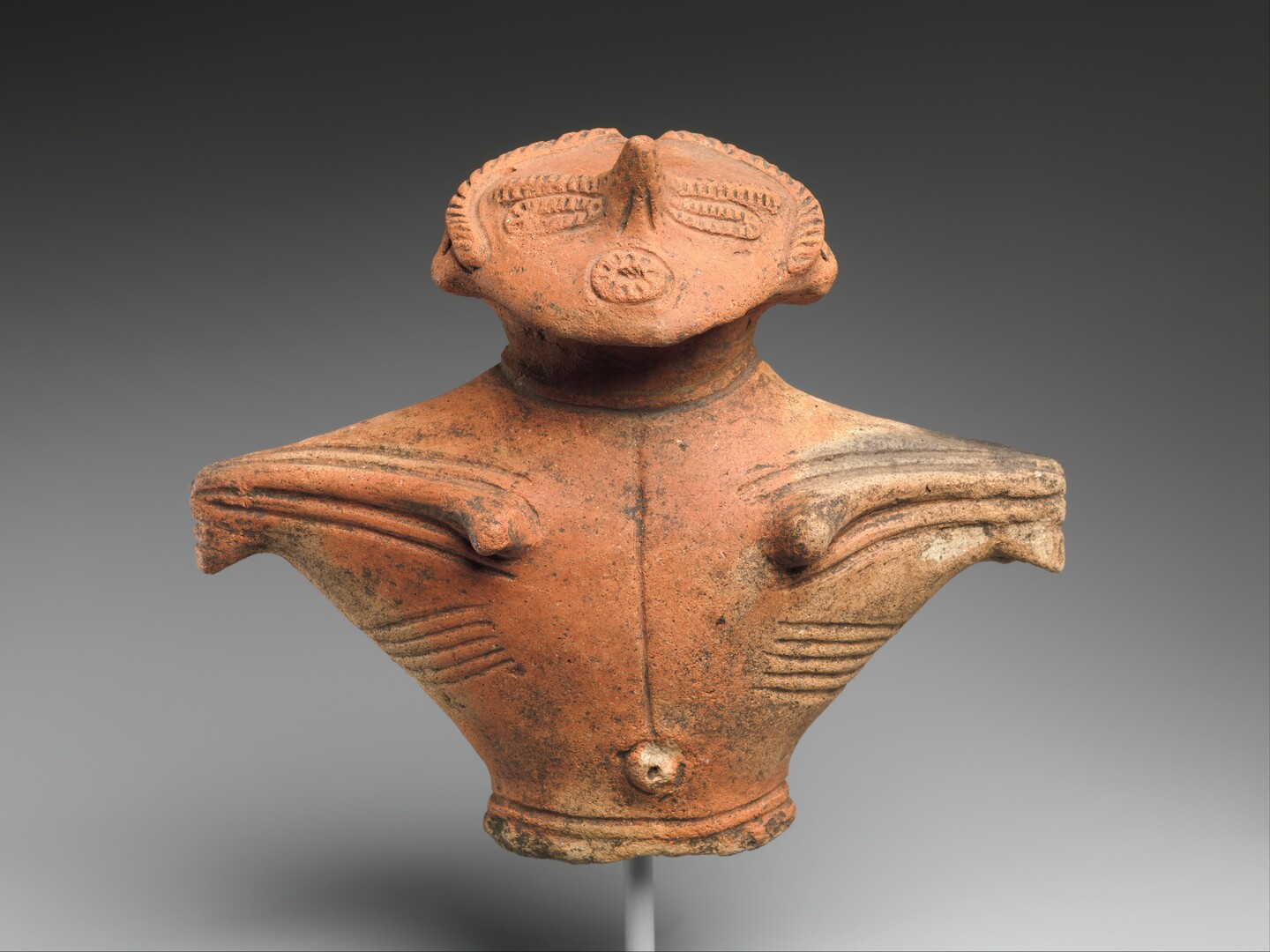
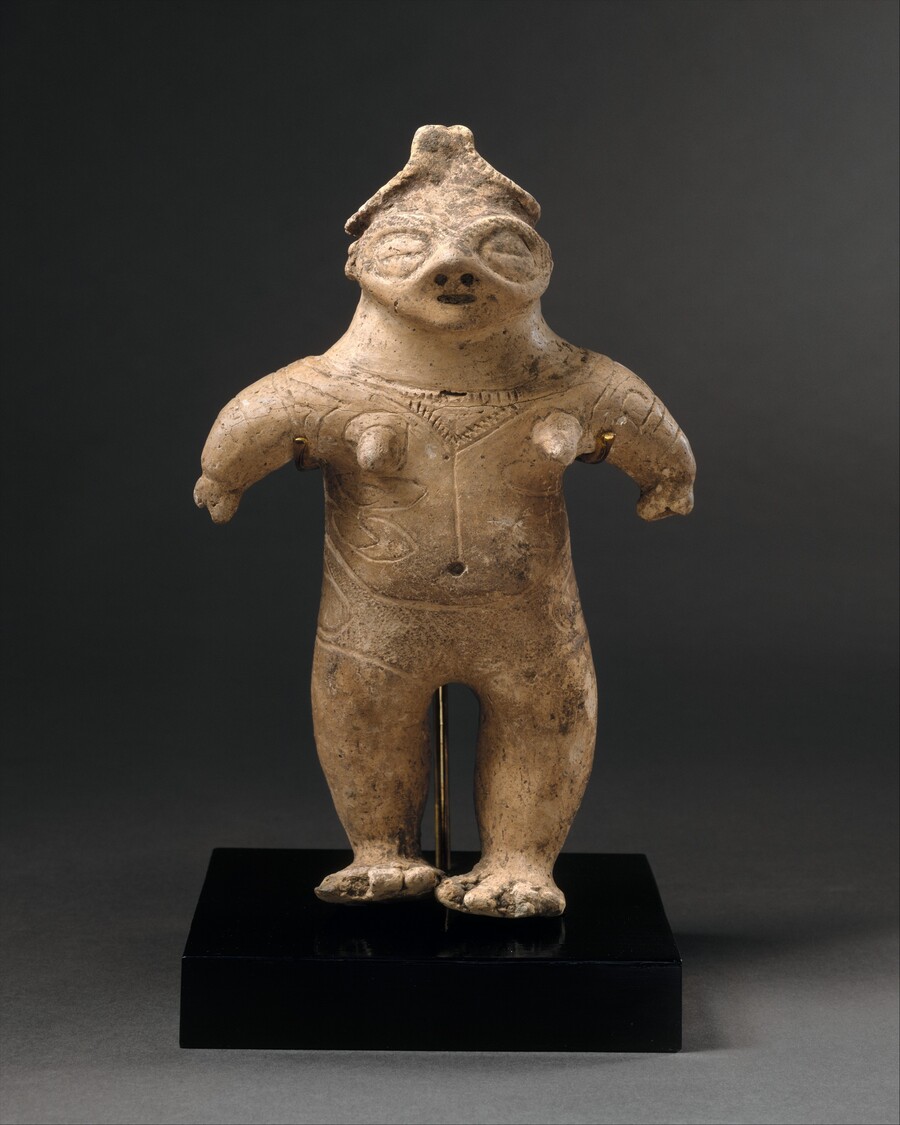
The Jomon Period (c. 14,000–300 BCE) is known for the development of a unique ceramic culture, among which the Dogu held a significant place. These figurines were likely connected to spiritual beliefs and ritual practices. They depicted specific people or deities and may have embodied unseen spirits that, according to Jomon beliefs, inhabited the surrounding natural world.
Dogu — small, clay anthropomorphic figurines created in Japan during the Jōmon period. They were handcrafted from clay and distinguished themselves by the diversity of their forms, the conventional nature of their depiction, and their expressive plasticity. They were likely used in ritual practices and were connected to the spiritual beliefs of ancient Japanese people.
In plastic solutions, Dogu’s work is characterized by exaggerated proportions, the geometricization of forms, unusual body contours, and expressive detailing. The human figure takes on a symbolic quality, where anatomical resemblance gives way to convention and artistic expressiveness.
Masks: The Image of the Human Face
During the Jōmon period, clay masks were created alongside anthropomorphic figurines. They were molded from fired clay, giving the face conventional and expressive features. Artisans emphasized the eyes, sculpted the nose and mouth, and complemented the surface with geometric patterns and raised lines. Many of the masks are small and could not completely cover a human face. Therefore, it is presumed that they were used in ritual practices: they might have been held in hand, fastened to the chest, or placed in other ritual spaces. These masks allow us to see how the human face was transformed into an independent symbolic image.
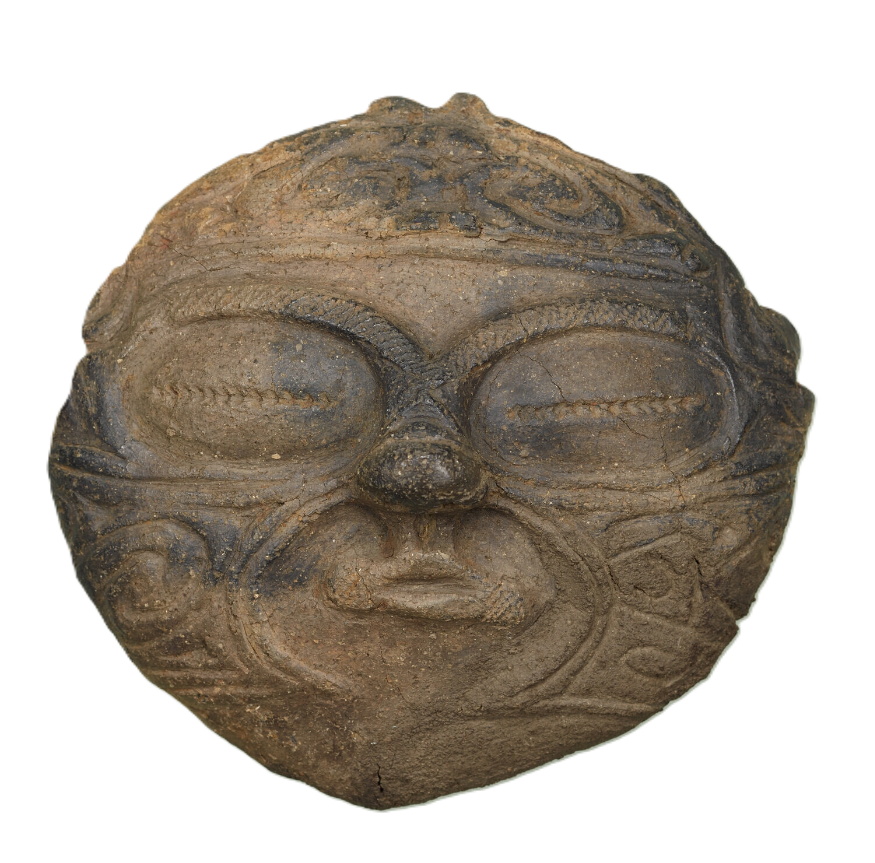
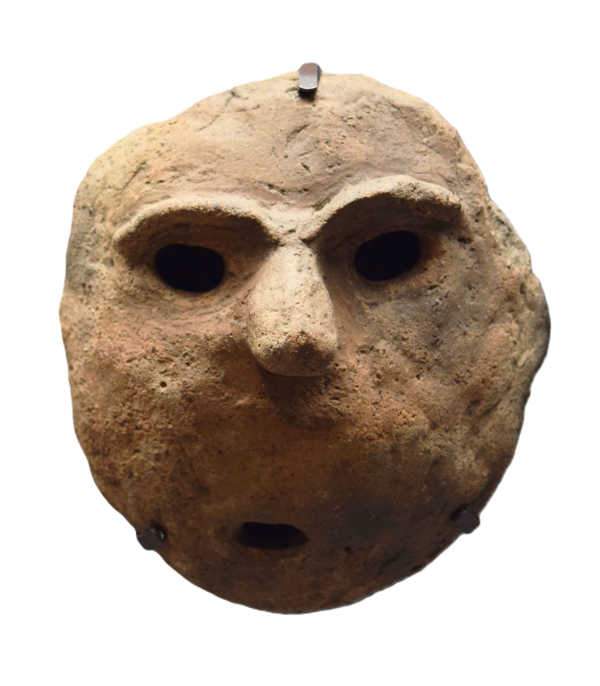
1. Clay Mask
Tsugaru City, Aomori Prefecture
(Jomon Period, c. 1000–400 BCE)
2. Clay Mask
Nagano City
Jomon (2000–1000 BCE)
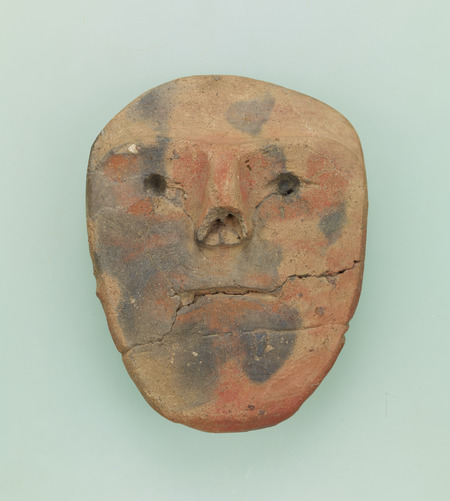
Clay Mask Hanyu City, Saitama Jomon Period (1000–400 BCE) https://colbase.nich.go.jp/collection_items/tnm/J-38330?locale=en(Write about the red pigment coating)
Clay Mask
Hanyu City, Saitama
Jomon (1000–400 BCE)
https://colbase.nich.go.jp/collection_items/tnm/J-38330?locale=en
The Human as Part of the Object
Hominoid food carrier Moheji, Hokuto City, Hokkaido. Jomon Period (2000–1000 BCE)
Haniva: Human as an Autonomous Image
Khaniva
— this isComparison of the first and second figurine
Conclusion
Vevee