Contrapposto (from Italian contrapposto—meaning «opposition» or «counterpoise») is an artistic technique in visual arts where the posture of one part of the body is contrasted against the posture of another. It allows the depiction of the figure’s plasticity, tension, and three-dimensionality without disrupting the overall balance of forms. Artists around the world continue to use this technique to bring vitality and dynamism to their drawings.
Categories
The timeline traces the evolution from ancient times to the Baroque period, divided into sections based on when contrapposto flourished and when it was neglected:
- Antiquity
- Middle Ages
- Renaissance
- Baroque
Concept and Topic Selection
Contrapposto emerged from the ancient masters' desire to depict the dynamism and naturalness of the human form. To this day, artists around the world employ this technique, often without realizing it. In this study, I aim to explore how contrapposto evolved, how it changed, why it fell out of use at one point, and why it has since returned.
Antiquity
We will begin with antiquity—with the period when the static, motionless figure in profile gave way to the classical standard of sculpture and movement.
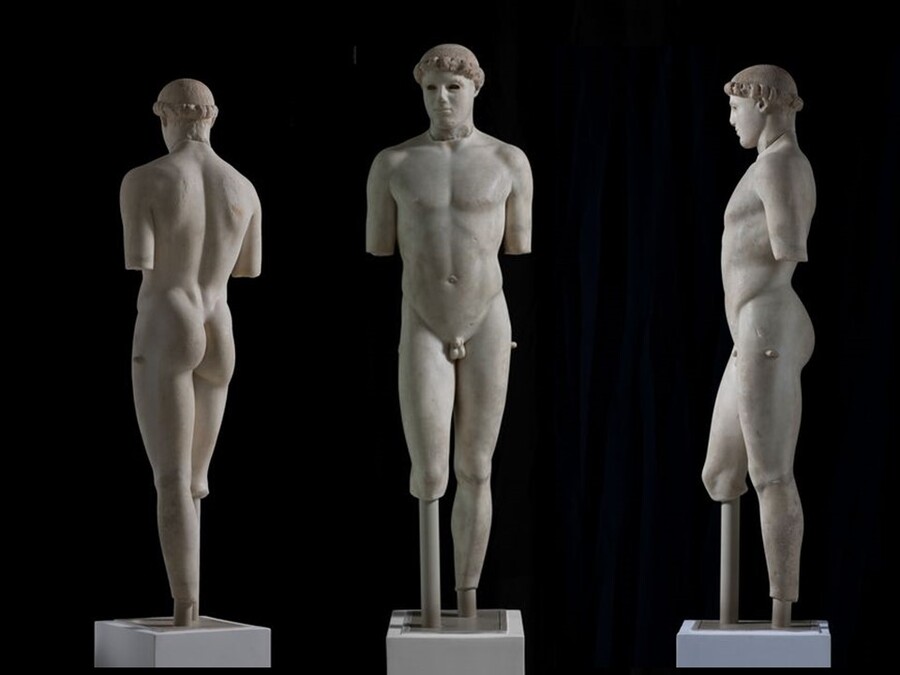
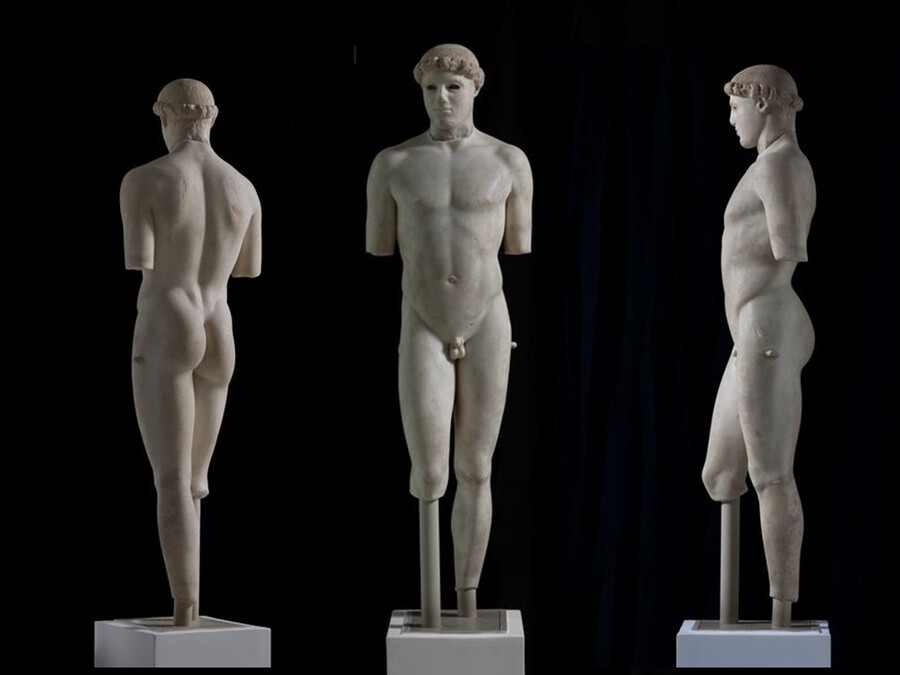
Critias, 480 BCE. Critias
The Boy of Kritios, or as he is sometimes called the Kritios Youth, is the first example of contrapposto, and the sculpture is also considered one of the key works demonstrating the transition from the Archaic to the Classical style in ancient Greek sculpture. Contrapposto is precisely what marked that transition.
The boy stands before the viewer, extending his right leg forward and slightly turning his head toward his support leg. The rigidity separating individual body parts and their functions dissolves, and the forms begin to flow smoothly into one another; the «side-by-side arrangement» of the parts gives way to organic unity. If the faces of students in earlier years were illuminated by a sublime and dazzling smile, the Boy of Kritios possesses no particularly pronounced emotional tone: he simply stands before the viewer with ease and tranquility, demonstrating his freedom and youthful grace. His spiritual structure has not yet acquired a sense of «rigor.»
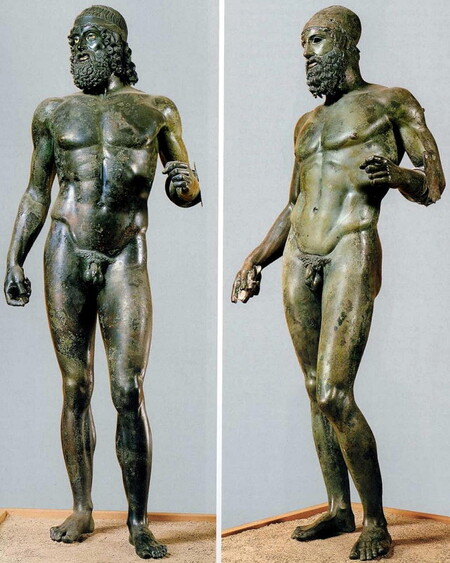
The Warriors of Riace, cast in bronze, are attributed to an unknown artisan. They were discovered at sea. The style of these figures is ascribed to the Classical period. «The Riace statues can serve as a standard for relaxed posture (contrapposto). The proportions are idealized and bear little resemblance to the real anatomy of the human body. The eyeballs are made of glass and bone, the teeth are silver, and the nipples and lips are copper. Each figure originally held a spear and a sword (which are no longer preserved). One figure is presumed to have worn a laurel wreath on its head, while the other wore a helmet.» — Unknown author.
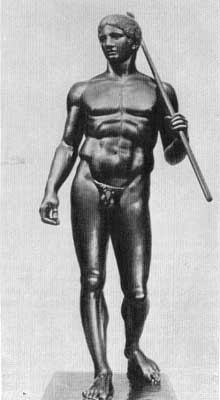
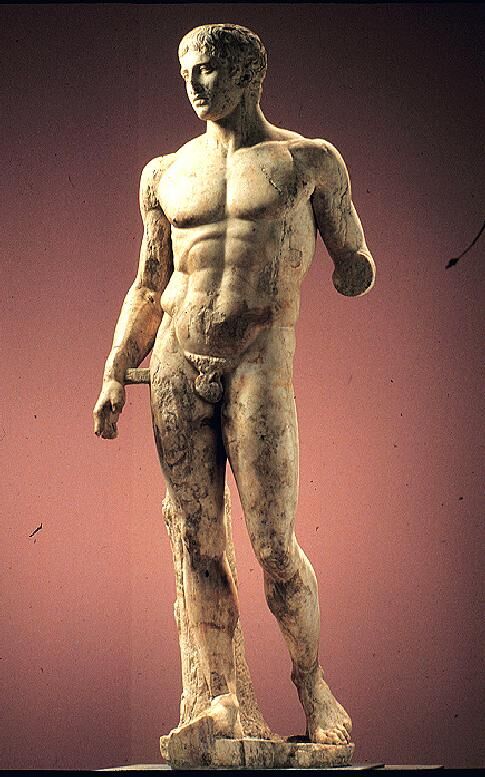
Dorphoros (spear-bearer), Polykleitos, c. 450–440 BCE—on the left is a reconstruction
Doriphor is an excellent example not only of contrapposto but also of the second vital brother of this technique—chiasmus. The symmetry of the arms and legs, the turn of the head—all of this creates a sort of conceptual letter X.
two pairs of intersecting forces: two supporting (right leg—left arm), and two non-supporting (left leg—right arm). This mirror-symmetrical distribution of forces in a living organism is called a chiasm (from the Greek letter «chi» — $\chi$).
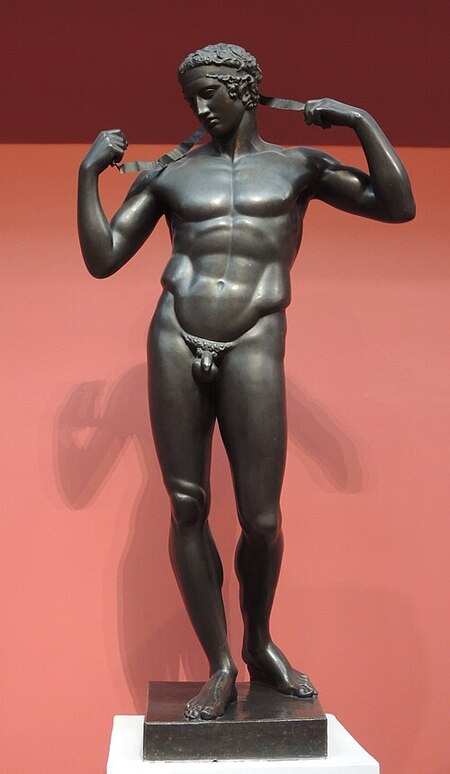
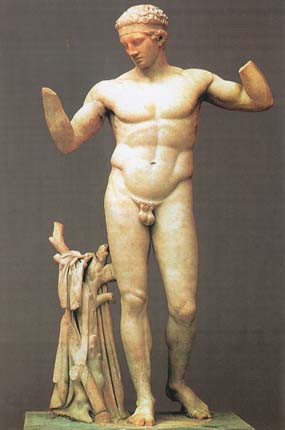
Diadumen, Polykleitos, c. 430 BCE
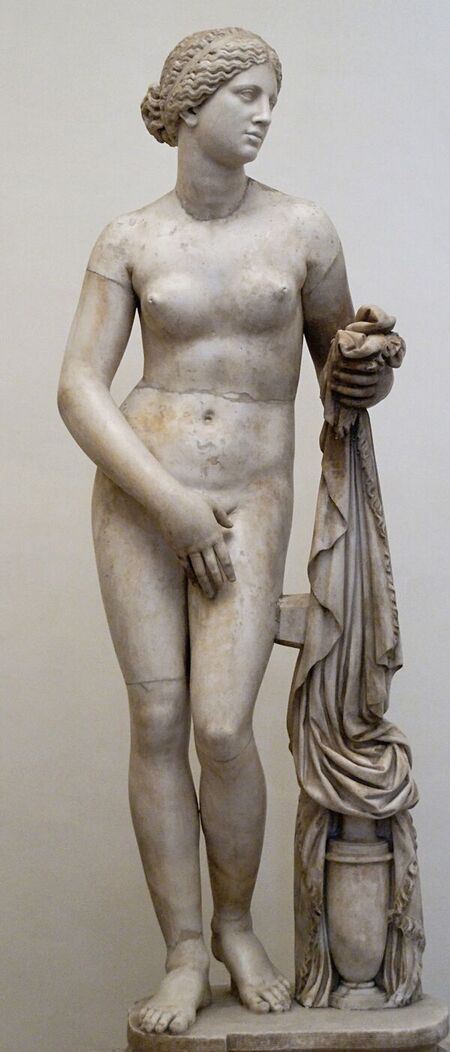
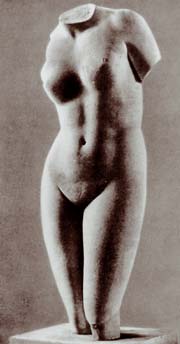
Aphrodite of Knidos, Praxiteles, circa 350 BCE. A Roman replica is shown on the left.
In the Late Classical period of the 4th century BCE, the character of contrapposto changes significantly: athletic solidity gives way to soft, lyrical grace. Praxites introduces the so-called «Praxitelean curve"—a deep, arched shift of the hip that requires additional external support.
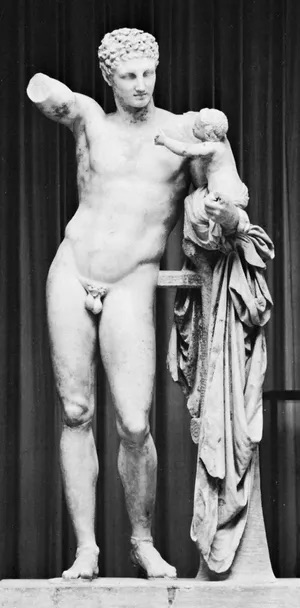
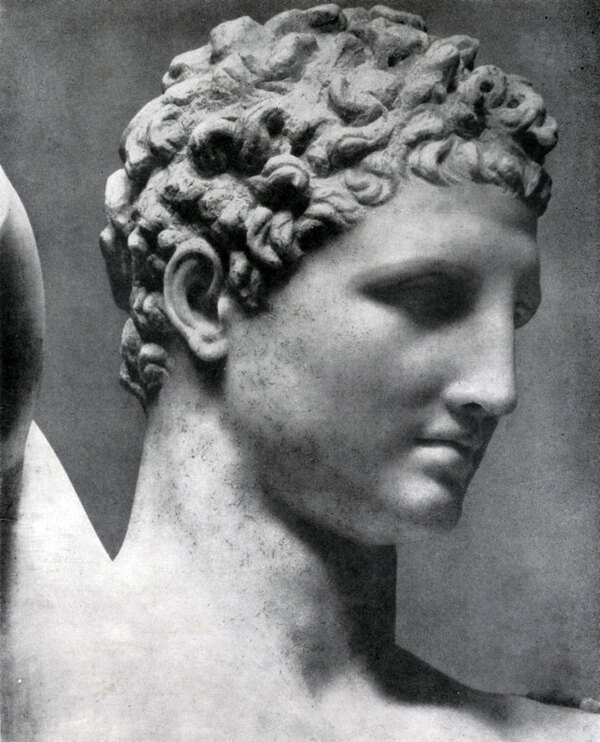
Hermes with the infant Dionysus, Praxiteles, statue from Olympia. Circa 340 BCE.
It replaces the classic athletic body pose with a very natural posture—a body casually leaning against an object, usually the trunk of a tree, with the waist distinctly curved to form an «S» line along the body’s vertical axis.
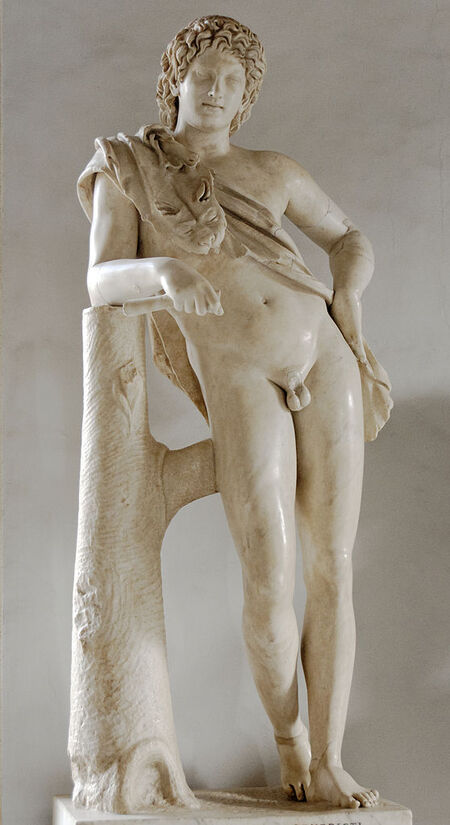
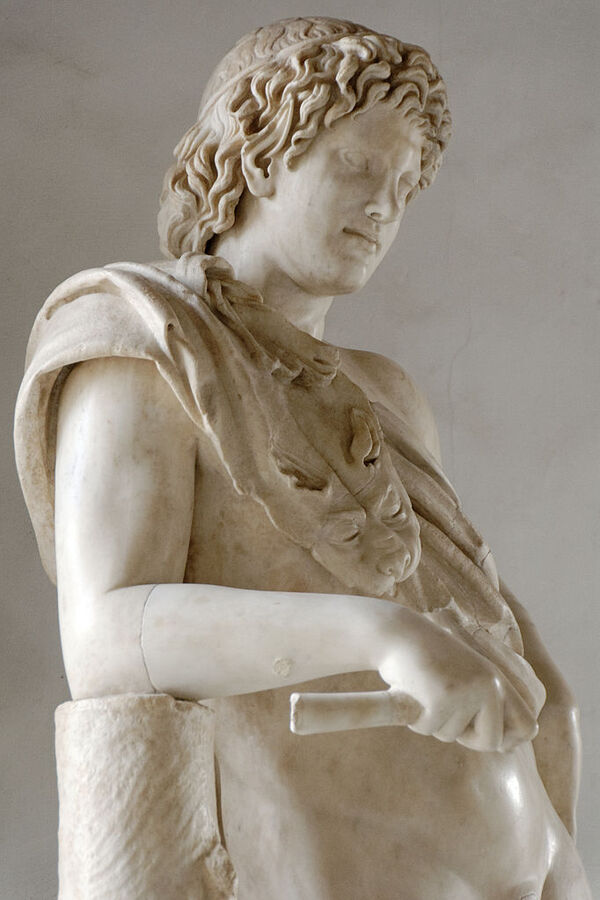
Resting satyr, Praxites, marble Roman copy of a Greek original from around the mid-4th century BCE. Rome, Capitoline Museums.
It was Practiter and the practice-based approach that allowed for the development of dynamism in sculpture, adding liveliness and movement.
Thus, the practitioner becomes a creator of an elegant artistic style capable of expressing not only the perfection of the human form but also the feeling and inner disposition of the depicted individual.
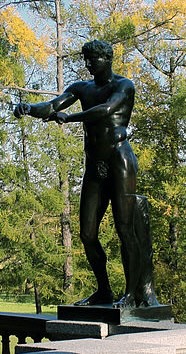
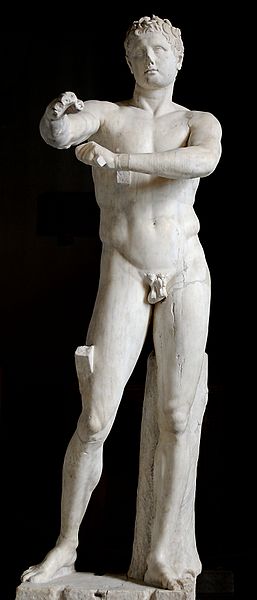
Polykleitos, Lysippos. Marble Roman copy of a Greek bronze original, circa 330 BCE. Rome, Vatican Museums. To the left, a copy from Tsarskoye Selo, Russia, St. Petersburg.
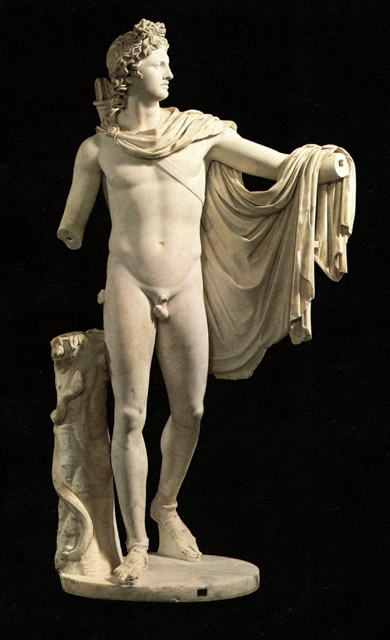
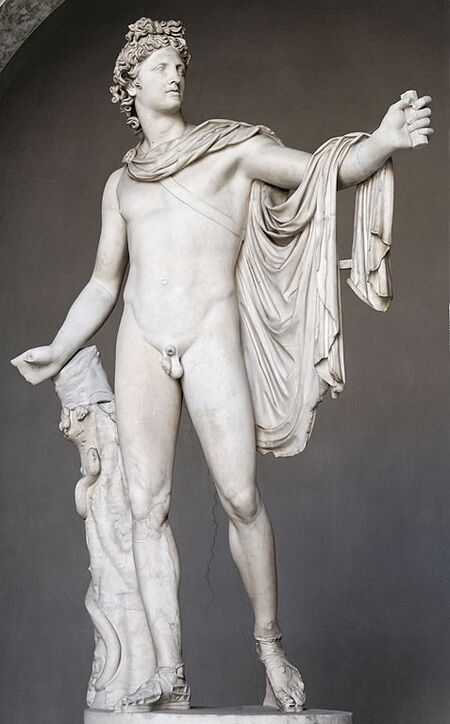
Apollon Belvedere, Leochara, 325–350 BCE
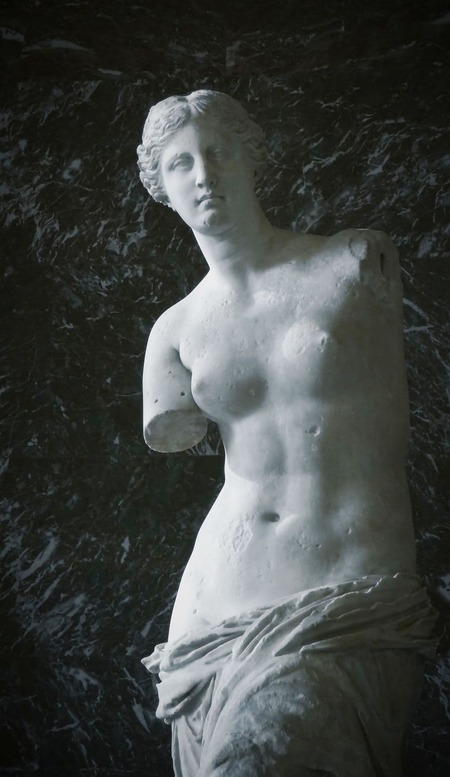
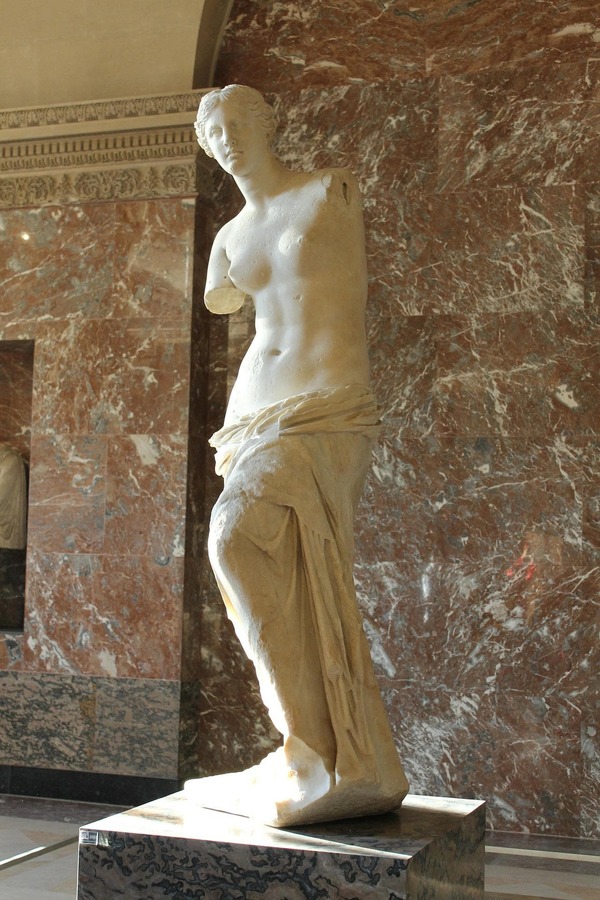
Venus de Milo, Alexander Antiochus, 130–100 BCE
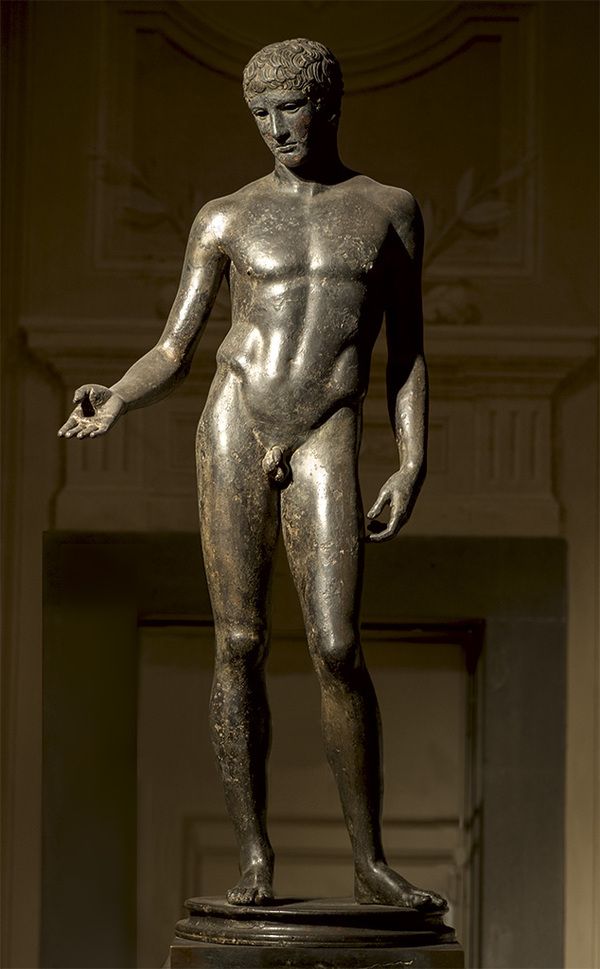
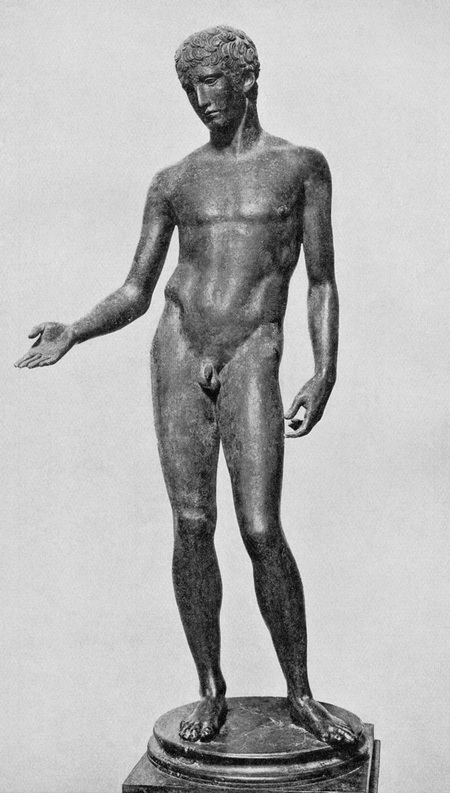
Figure of a youth, known as «Little Idol from Pesaro.» Bronze. Roman copy from the Augustan era of a Greek original dating to the late 5th century BCE. Height 146 cm.
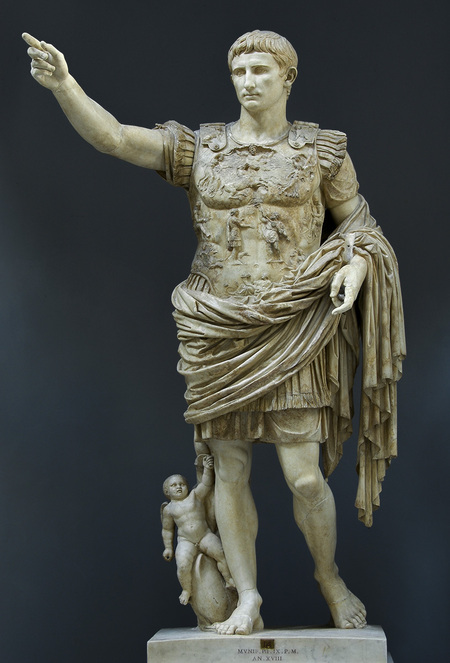
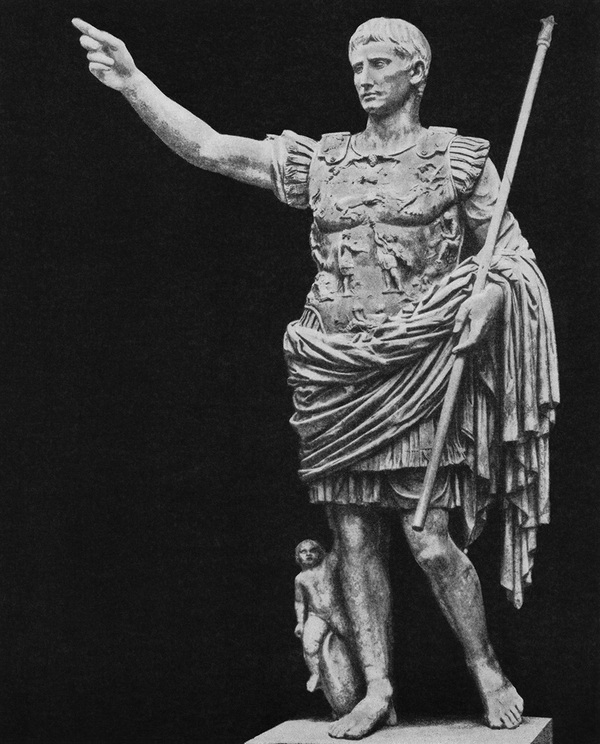
Augustus Statue from Prima Porta. Marble. c. 20–17 BCE
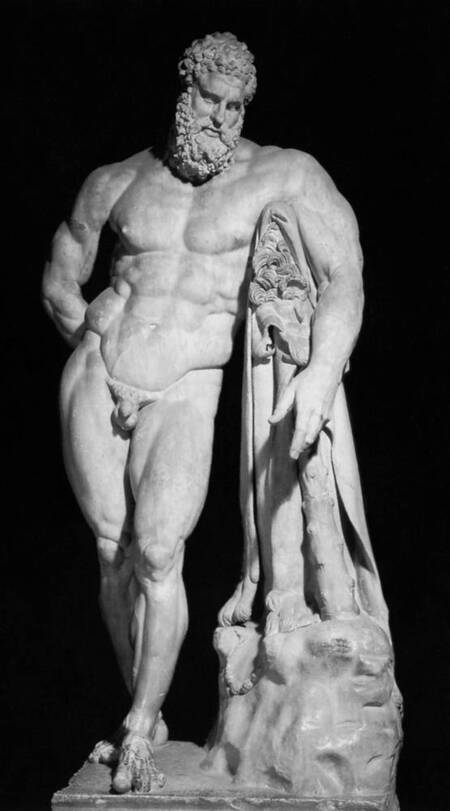
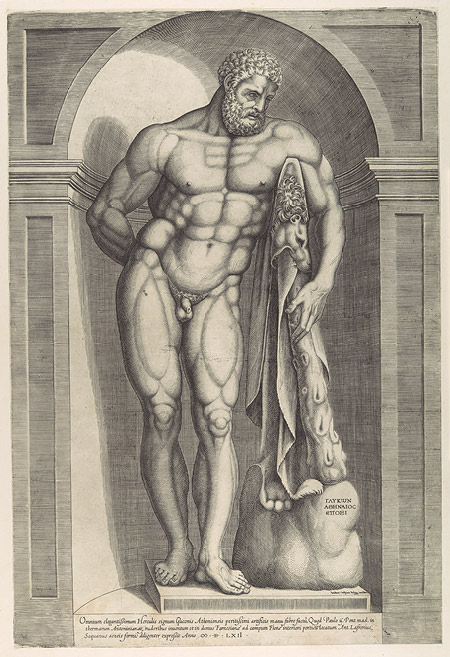
Hercules Farnese. Roman marble copy from the 3rd century CE based on the bronze original by Lysippos. Jakob Bösch. (Born c. 1520, active 1549–1580) Hercules Farnese. Engraving published by Antonio Lafreri (right).