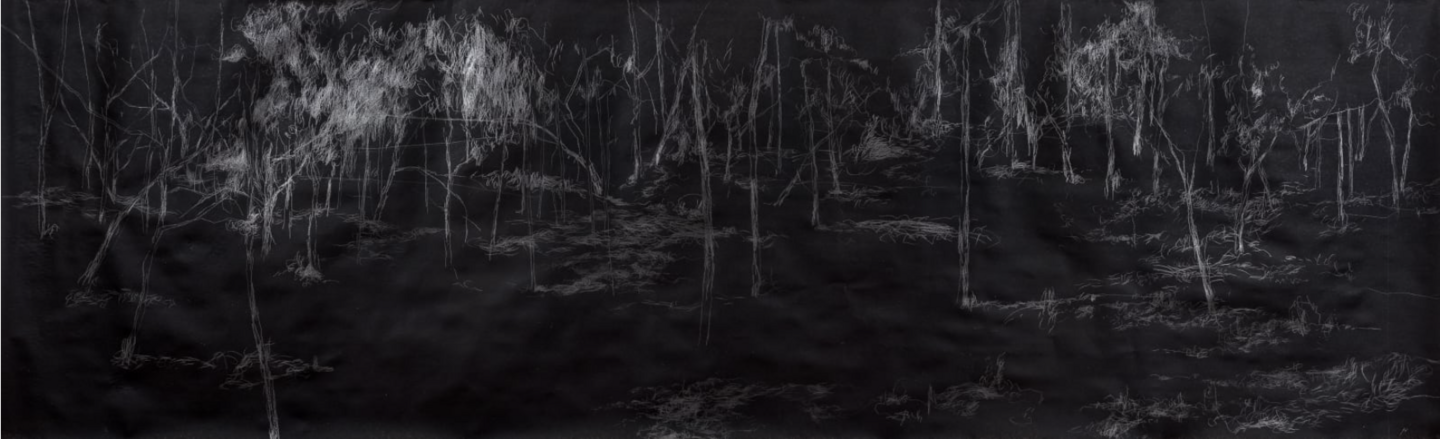
Alexandra Hart Untitled | No Title, 2021
Categories
I. Concept
II. Painting and Graphics III. Sculpture and Installation IV. Photography
V. Conclusion
VI. Sources
Concept
Liminality—an anthropological concept developed by Arnold van Gennep and further elaborated by Victor Turner. Originally, it was used in the context of initiation rituals in traditional societies to denote a transitional state between social statuses. Liminality can be seen as one aspect of the initiation (or rite of passage), whose main stages are separation, transition, and reincorporation. This motif is traceable across various cultural forms—from visual arts to literature—and often carries sacred significance.
According to Mircea Eliade, initiation represents «… a set of rituals and oral instructions whose goal is the radical transformation of the religious and social status of the initiate. <…> At the end of the trials, the neophyte obtains a completely different existence than before initiation: he becomes another» [1]. Thus, philosophical interpretation links initiation with the «transformation of existential conditions, ” resulting in the subject moving into a qualitatively new state, becoming „other.“ [2]
Victor Turner expanded the understanding of liminality, defining it as «an open space for the play of thought, feeling, and will» [3].
Thus, liminality—understood as a state of uncertainty and in-betweenness—reflects the transformation of identity, the reinterpretation of the past, and the search for new meanings. Within the scope of this study, two forms of liminality will be examined: spatial and bodily. Spatial liminality is interpreted as the physical representation of a state of «in-betweenness”—a space of emptiness and non-being that is foreign to that place. Bodily liminality is viewed not only as a change in the human body but also as the metamorphosis of any material or abstract object. As Victor Turner noted, the key characteristic of liminal beings is their ambivalence, since they exist in a „melted, ” amorphous state. [4]
Research Objective—to identify and analyze the visual representation of liminality in the works of contemporary Russian artists through the lens of previously described concepts, as well as to interpret the meanings embedded within them. The analysis will involve determining the role the motif of liminality plays in the work of specific authors and the significance it holds within the context of contemporary art overall.
Material selection is based on studying artists such as Vitaly Pushnitsky, Alexandra Hart, Grecht, Stas Polnaryov, and Denis Patrakeev. The selection criterion was the opportunity to investigate liminality in various forms of fine art: painting, graphics, installation, and photography.
II. Painting and Graphic Arts
Alexandra Hart
Fig. 1 Alexandra Hart, Untitled, 2019
Alexandra Gart is a Petersburg artist who frequently addresses the motif of liminality, exploring it through various art forms—from graphic arts to sculpture (which will be discussed later). In my view, Gart herself most accurately describes her working principle:
«In imagery, I value ambiguity, subtlety, the possibility for diverse interpretations, combined with visual simplicity”—Alexandra Hart [5]
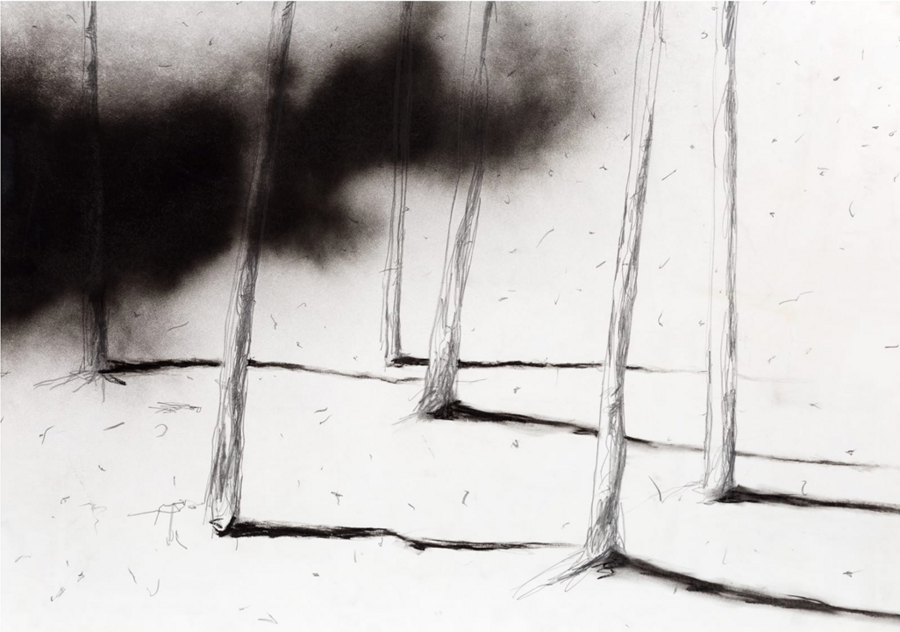
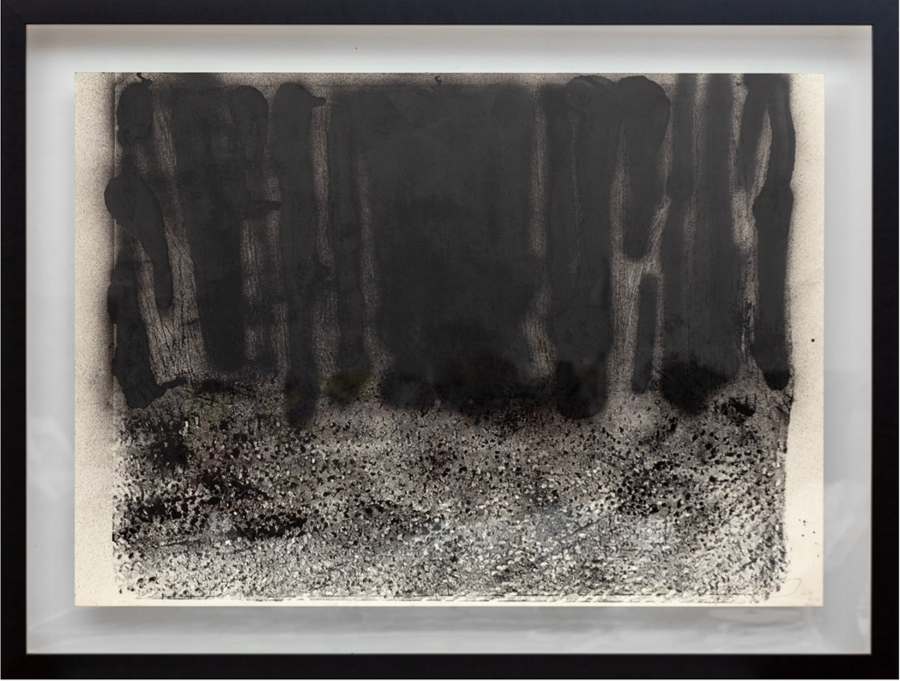
Fig. 3 Alexandra Hart, Untitled, 2021; Fig. 4 Fig. 2 Alexandra Hart, Untitled, 2020
Fig. 5 Aleksandra Hart, Untitled, 2019
In the paintings and graphics of the artist, landscapes often appear devoid of explicit markers of time or function. We can observe a «frozen» moment of natural force (Figs. 6–7), much like a bolt of lightning captured on canvas. These barely suggested forms—whether an electrical discharge or a tree not yet reaching its final shape—are merely an allusion, like a mirage appearing among tree trunks. The surrounding forest also balances between states: it retains its natural essence, yet the geometric outlines of the trunks resemble processed logs, as if they were industrial raw materials. Here, it seems to me, the idea of ambivalence in liminal objects is reflected most vividly. The artist masterfully captures that fleeting moment when form wavers between different states of being, inviting the viewer to witness the process of transformation itself, rather than its result.
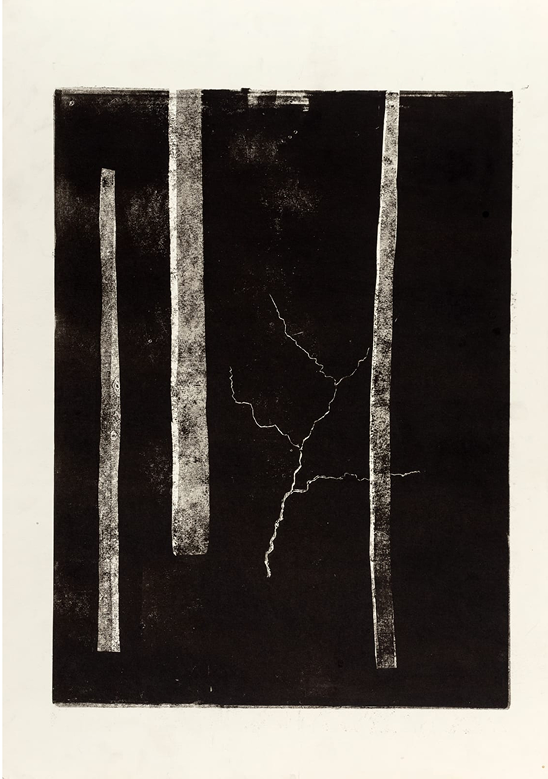
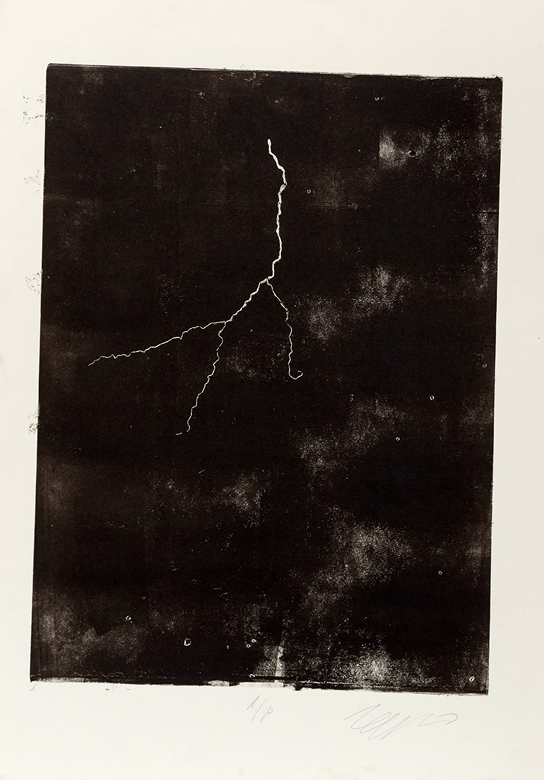
Fig. 6 Alexandra Gart, Untitled, 2018; Fig. 7 Alexandra Gart, Untitled, 2018
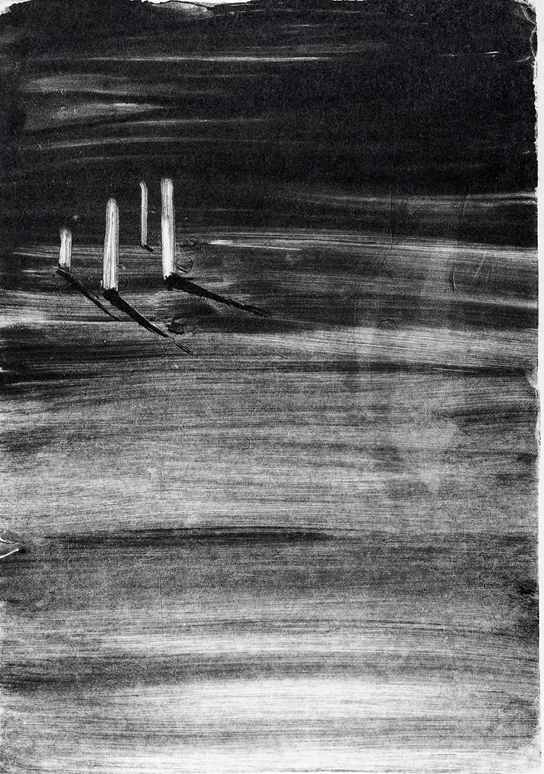
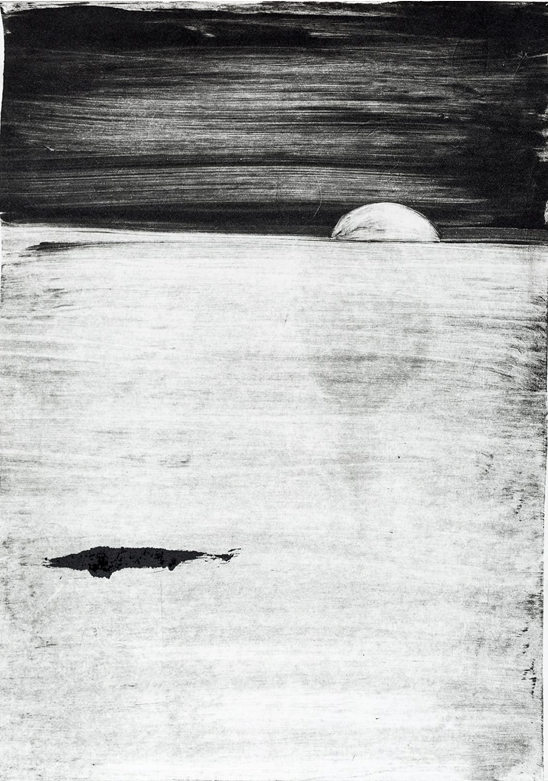
Fig. 8 Alexandra Hart, Untitled, 2015 Fig. 9 Alexandra Hart, Untitled, 2015
In his work, Alexander Hart immerses the viewer in a ruined, deserted, and desolate space. It is less a grim place than a mysterious and mystical one.» [6]
Fig. 10 Spider’s Web Forest | Anna Nova Gallery 2020
In a series of works for the exhibition «Forest of Webs, ” the artist creates visual worlds where the boundary between civilization and nature dissolves, where urban forms—such as fences, electric cables, and traffic cones (Figs. 11–14)—seem to lose themselves in a formless space. Losing their original function and materiality, the objects begin to resemble natural formations. The work with texture and color palette plays a crucial role here: one texture evokes the roughness of aged paper, while the other recalls the coarse surface of a concrete wall.
Fig. 11 Alexandra Gart, Untitled, 2019 Fig. 12 Alexandra Gart, Untitled, 2019 Fig. 13 Alexandra Gart, Untitled, 2019
Fig. 14 Alexander Hart, Untitled, 2015
Vitaly Pushnitsky
Another artist whose work consistently explores the theme of liminality is Vitaly Pushnitsky. This theme is especially pronounced in his Gap project, which he began in 2020.
Fig. 15 Vitaliy Pushnitsky Gap. Forest. No. 62, 2022
«The Gap is a state of in-betweenness between worlds, a state of consciousness outside of the body.» — V. Pushnitsky [7]
Fig. 16 Vitaly Pushnitsky GAP. Moonlight. 2022, Fig. 17 Vitaly Pushnitsky GAP. Unity. 2021, Fig. 18 Vitaly Pushnitsky GAP. Threat of Clarity #1. 2021
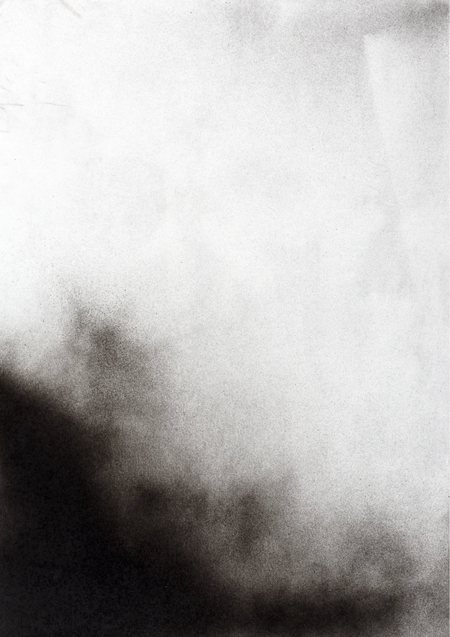
In his work, Pushnitsky explores the «interstice» between states of being, creating an image of disembodied consciousness—the moment of the soul’s transition. These pieces lack concrete imagery; instead, they represent a kind of «gap» between the living world and the transcendental—those elusive moments when consciousness, freed from physical constraints, has not yet assumed a new form of existence. The artist seems to invite the viewer to pause and linger in this «nowhere.» Despite this state of indeterminacy, the works are not anxious; rather, they are permeated by a surprising, almost meditative calm.
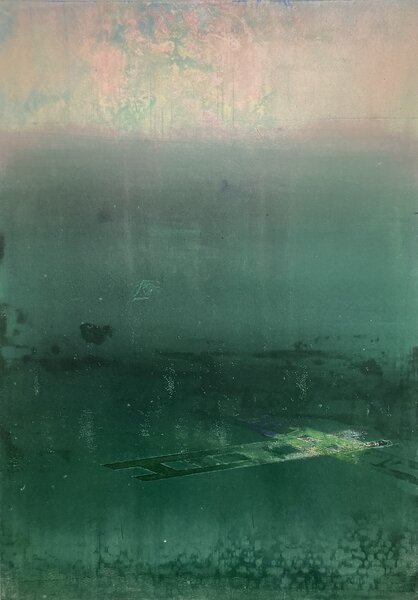
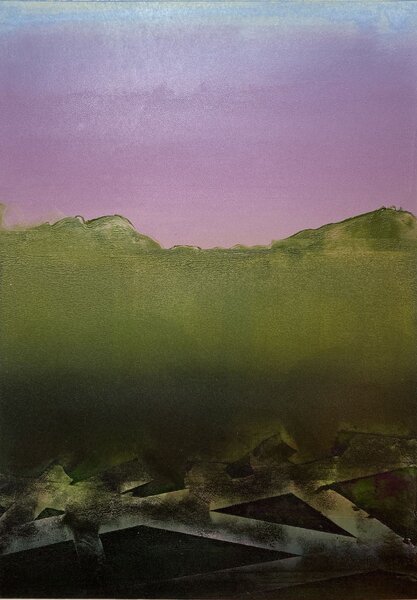
Fig. 19 Vitaly Pushnitsky No. 46 from the Gap. Garden series. 2021 Fig. 20 Vitaly Pushnitsky No. 48 from the Gap. Garden series. 2021