Concept
Sound is one of the most ancient ways to influence human perception. Even before the advent of theater, drum beats, repetitive chants, and rhythmic movements were used in ritual practices to create a specific emotional and psychological state. In such rites, music became the action itself, unifying participants and helping to create a sense of transcendence from everyday reality.
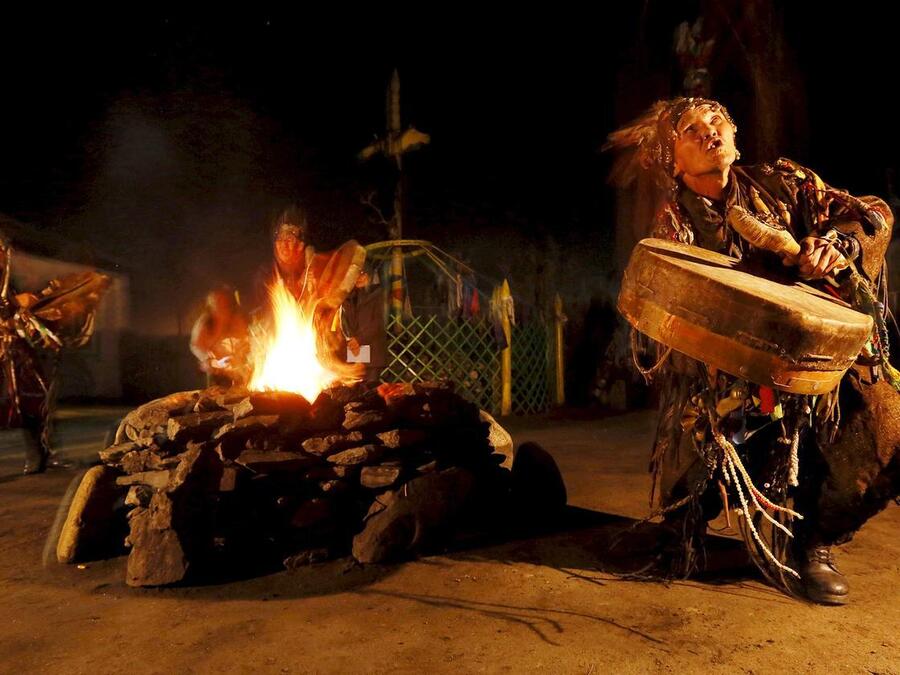
In contemporary European theater, one can trace the development of a similar principle. Music gradually stopped serving solely as background accompaniment and transformed into an independent instrument of dramaturgy. Rhythm, repetition, the human voice, polyphony, noise, and electronic sound structures are capable of building tension, directing the audience’s attention, and creating a sense of deep immersion in the action on stage.
The core idea of this research is to trace how the principles of shamanic sound influence have transformed into means of contemporary theatrical expressiveness.
From ritualistic drumming rhythms and repetitive chants to experimental music, spatial sound, and electronic compositions—this study explores how accompanying sound transforms into an autonomous force capable of influencing viewer perception.
Research Index
- Introduction. Why does sound become part of ritual?
- Shamanic Rhythm: Sound as a Means of Altering Perception
- The Drum and Repetition: How Ritual Music is Structured
- The 20th Century. Yezhi Grotovsky: Song as Action and the Path to Inner Experience
- Odin Teatret: Music as an Independent Participant in Performance
- Contemporary European Theatre. From Rhythmic Repetition to Sonic Immersion
- Teatr ZAR: Ancient Songs as the Foundation of Modern Musical Theatre
- The 21st Century. GAMUT INC: Ritual in the Age of Electronic Sound
- Contemporary Theatrical Music: From Rhythm to Sound Space
- How Has the Meaning of Sound Changed in Theatre from the 20th to the 21st Century?
- Conclusion. From the Shamanic Drum to Modern Theatrical Music
Introduction. Why does sound become part of a ritual?
Sound has played a crucial role throughout human history in religious rites, collective ceremonies, and ritual practices. In traditional shamanic cultures, music and rhythm served not merely as accompaniment to actions, but as one of the primary means of organizing the ritual.Repetitive drum beats, chants, rhythmic movements, and distinct vocal intonations helped create an atmosphere separate from everyday life, becoming part of a unique human interaction with the surrounding world.
A monotonous, repeating rhythm took on particular significance in such practices.
Unlike conventional musical composition, which is built upon melodic development and harmonic shifts, ritual music could be based on a sustained sonic pattern that gradually became the central element of the event. This repetition created a sense of continuous action and helped participants focus on the sound.
In the 20th century, European theater began actively rethinking the role of music and sound in stage art, and theatrical reformers gradually moved away from viewing music as merely secondary accompaniment to a performance. Sound started becoming an independent expressive tool capable of shaping space, managing the audience’s attention, and intensifying the emotional impact of a production.
Shamanic Rhythm: Sound as a Means of Shifting Perception
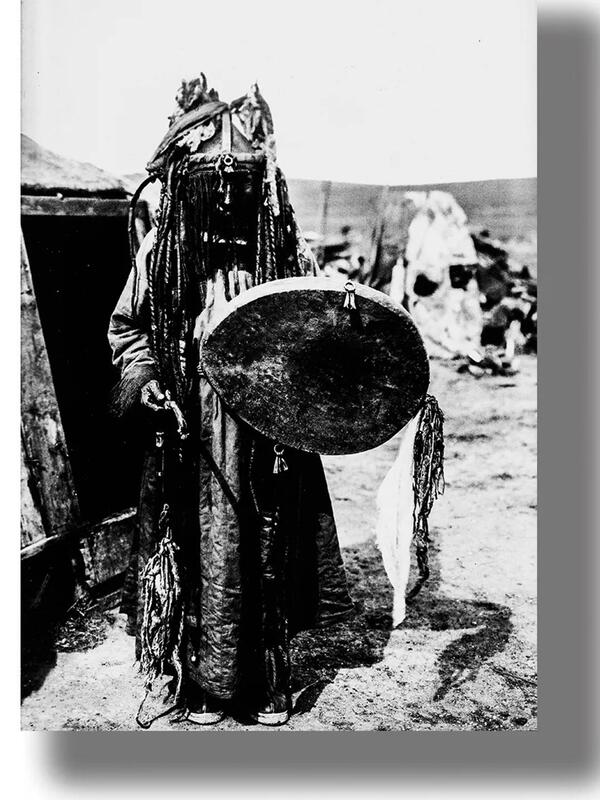
In shamanic traditions, sound holds a special place because it is an integral part of the ritual action’s structure.Shamanic rites can be accompanied by drum beats, chants, vocal intonations, and repeated sonic formulas, where music becomes connected to the movement and symbolic meaning of the event.
The drum is one of the most recognizable instruments in shamanic practices, and in some traditions, it is viewed not merely as a musical object but as a symbolic tool connected to the spirit world and the shaman’s journeys between different planes of existence.The sound of the drum became an essential basis for the ritual, establishing the sequence and tempo of actions.