Concept
Alchemy, throughout many centuries, was intertwined with the study and transformation of substances. One of the primary goals of alchemists was the creation of gold from less valuable metals. They also sought to create the philosopher’s stone—a special substance purported to have the ability to transmute metals into gold and alter the properties of matter. These ideas were reflected in numerous manuscripts and printed treatises, where complex concepts were conveyed not only through words but also through imagery.
A distinct visual language gradually formed within alchemy. Colors, planets, human figures, animals, and mythological characters were utilized to denote substances, their stages of transformation, and their interactions with one another. Consequently, the illustrations did more than just supplement the text; they conveyed its content through allegorical images.
This study examines the symbolism of alchemical illustrations in European manuscripts and printed books from the 16th to the end of the 18th century. The work addresses the chromatic stages of transformation, the correlation between planets and metals, the union of opposites, motifs of death and rebirth, as well as the depiction of animals and fantastic creatures.
The objective of this research is to analyze how alchemical concepts of material transformation were reflected in the illustrations and to reveal the significance of key symbols and narratives.
Alchemy and its visual language
Alchemy is a historical tradition that combined the study of substances, practical experiments, and concepts of matter transformation. Alchemical pursuits were not limited to turning base metals into gold; researchers also sought methods for purifying and perfecting substances, uncovering their hidden properties, and understanding the laws of natural change.
The philosopher’s stone was believed to possess the ability to transmute metals into gold, prolong life, and restore health.
Its search was linked to the Great Work—a complex process of substance transformation. Descriptions could encompass several stages that alchemists communicated through a sequence of operations, colors, and symbolic images.
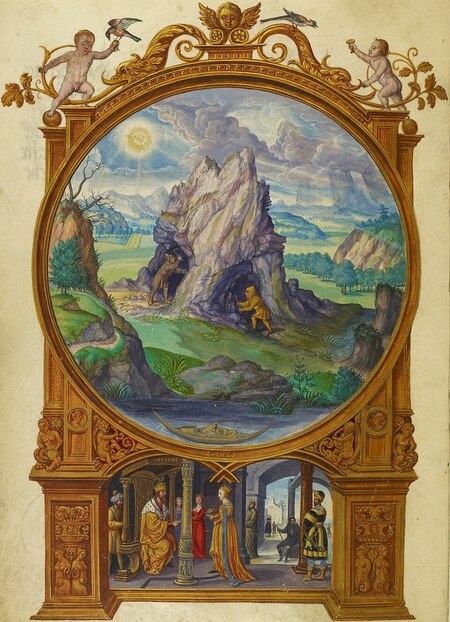
Аллегорическая сцена добычи серебра и золота, Splendor Solis, 1582 г.
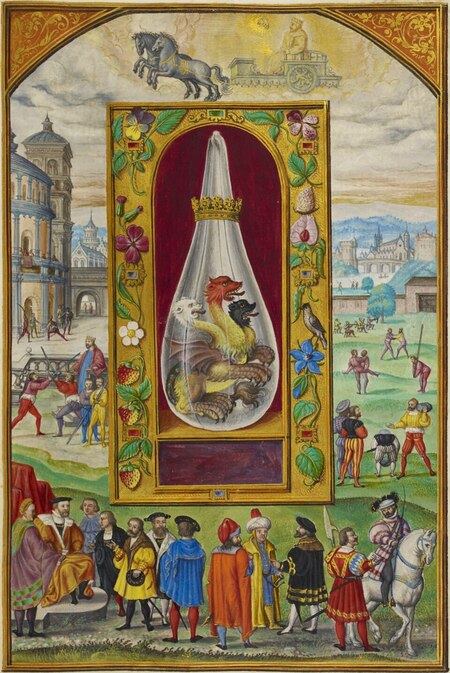
Дракон с тремя головами (философский камень), Splendor Solis, 1582 г.
Alchemical knowledge was disseminated through handwritten and printed treatises. These texts combined writings, recipes, diagrams, tables, and illustrations. Images served not only a decorative function but also aided in explaining complex processes, illustrating the workings of the alchemical world, and conveying information that authors did not always state explicitly.
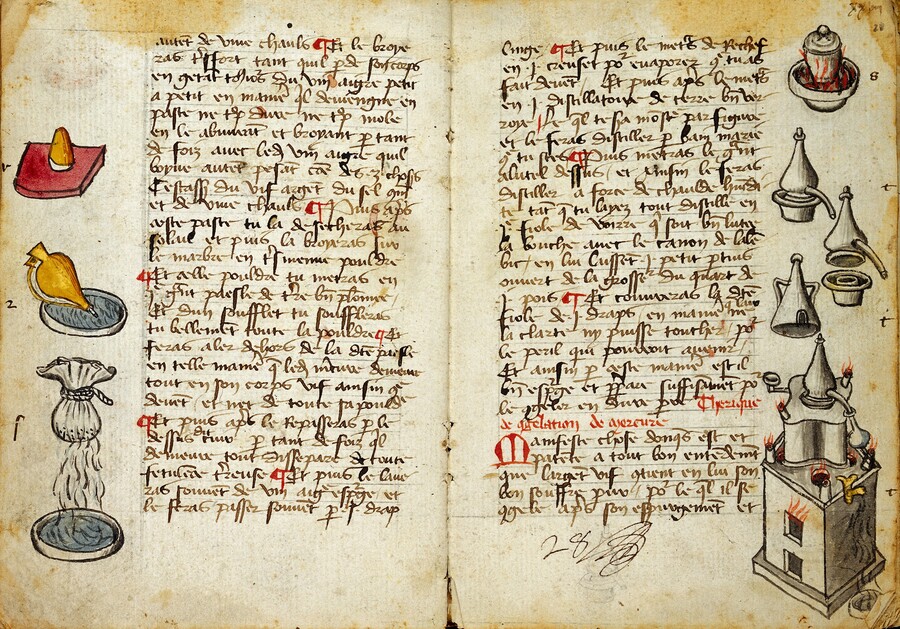
Image of Life, R. Lullius, late 15th century
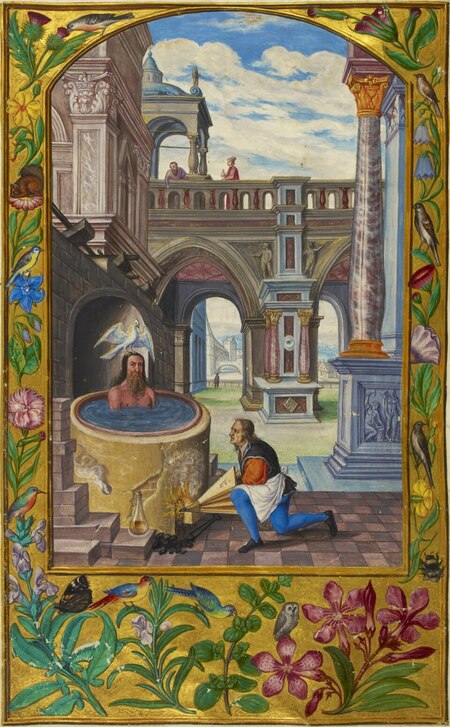
Кипячение тела в сосуде, Splendor Solis, 1582 г.
Ординал алхимии, Томас Нортон, 1652 г.
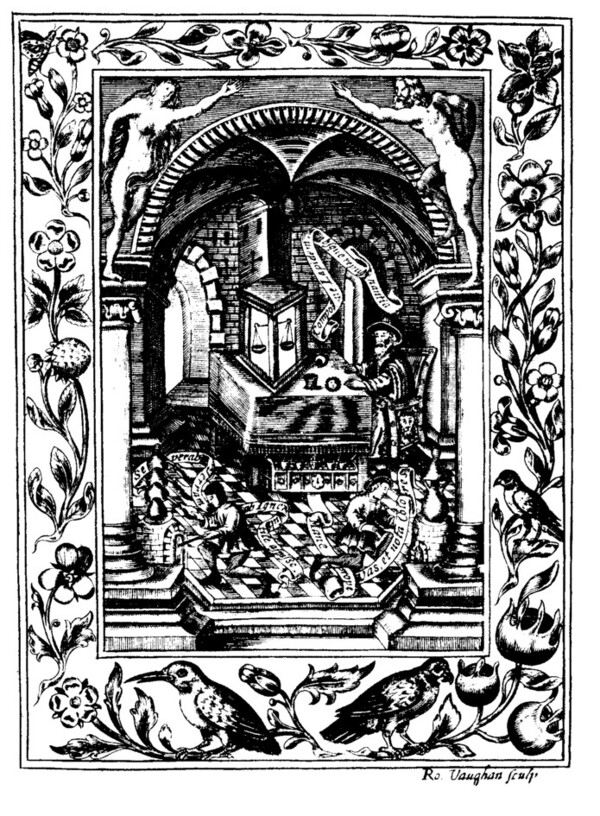
In alchemical texts, real objects and processes were frequently intertwined with fantastic imagery: vessels, furnaces, and instruments might coexist with animals, mythological figures, the Sun, the Moon, and human forms. Such depictions should not always be interpreted literally. The same object or figure could symbolize a particular substance, its properties, or a stage of transformation. The meaning of the image depended on the context of the specific treatise and its accompanying text.
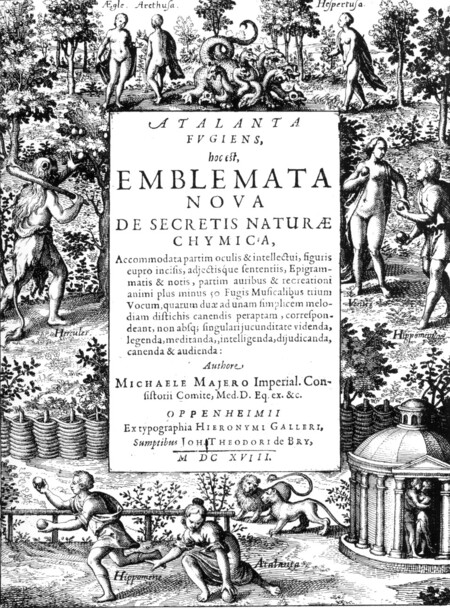
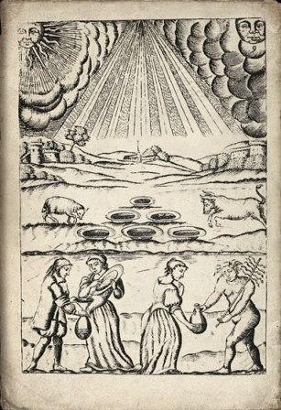
In the 17th century, alchemical emblems gained particular popularity—compositions where an image was combined with a short motto and textual explanation. The meaning was derived not only from the illustrations but also from their arrangement and the inscriptions. In some alchemical treatises, the images formed a distinctive visual narrative. To grasp its content, one had to consider individual scenes holistically, rather than perceiving each illustration as a standalone picture.
Титульный лист алхимической эмблематической книги Михаэля Майера, Atalanta Fugiens, 1617 г.
Гравюра № 9, Mutus Liber, 1677 г.
Color Stages of the Alchemical Transformation
In alchemical treatises, the change in a substance’s color was closely intertwined with the transformation taking place. Often, the process of the Great Work was described through four main stages: «Nigredo, ” „Albedo, ” „Citrinitas, ” and „Rubedo.“ Their names originate from Latin words signifying black, white, yellow, and red colors.
This sequence was not uniform across all texts. Some treatises featured four stages, while others omitted „Citrinitas“ or merged it with „Albedo.“ Therefore, the color system could vary depending on the time period, the author, and the tradition.
«Nigredo» — the stage of blackening.
It was associated with the decay and destruction of the initial state of the substance. In alchemical texts, the dissolution of the former form was viewed as a necessary prerequisite for further transformation.
In illustrations, «Nigredo» was often conveyed through imagery of death, skeletons, dark birds, decaying nature, and blackened bodies. These motifs helped demonstrate the change of the substance as a process of losing its prior state.
«Cauda Pavonis» means «peacock’s tail.»
In some alchemical treatises, this name designated an intermediate phenomenon where numerous colors appeared on the surface of the substance. Their combination resembled a spread peacock’s tail.
In certain descriptions, this phase is placed between «Nigredo» and «Albedo,» but it was not always isolated as a distinct stage of the Great Work.
«Albedo» is the stage of whitening.
Following the blackening was a phase associated with purification and the emergence of white color. In alchemical conceptions, this represented the transformation of the original substance and the transition to a new state.
Visually, «Albedo» was depicted through white objects, birds, and light landscapes. Some manuscripts contain images of a white peacock or a swan. Their light coloring served as a clear visual representation of this stage.
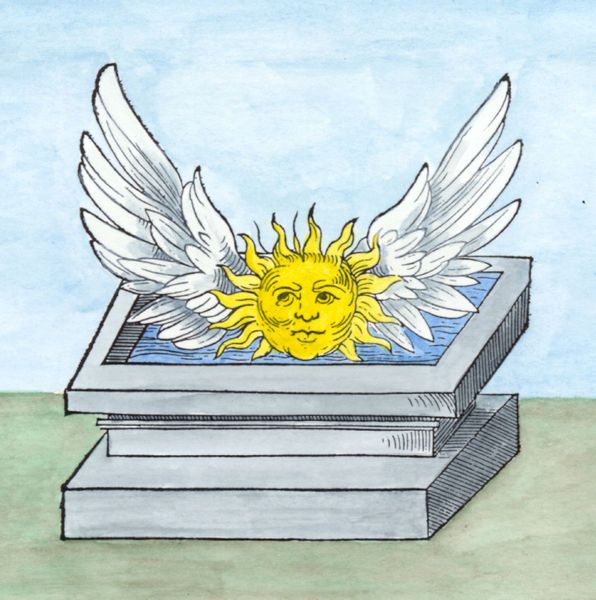
«Citrinitas» is the stage of yellowing.
It followed «Albedo» and preceded «Rubedo.» At this stage, the substance acquired a yellow or golden hue, which was linked to further change and the approach to the completion of the Great Work.
The color yellow could be associated with sunlight and gold. However, «Citrinitas» was not present in all systems of describing the alchemical process; some authors merged it with other stages or did not separate it at all.
«Rubedo» is the stage of reddening.
It was linked to the completion of the Great Work and the attainment of the substance’s new state. The red color became the primary visual sign of this stage.
In alchemical texts, «Rubedo» could signify the acquisition of the red elixir or the finished philosopher’s stone. In illustrations, this stage was conveyed through red bodies, the sun, fire, and other images related to the warmth and completion of the transformation.
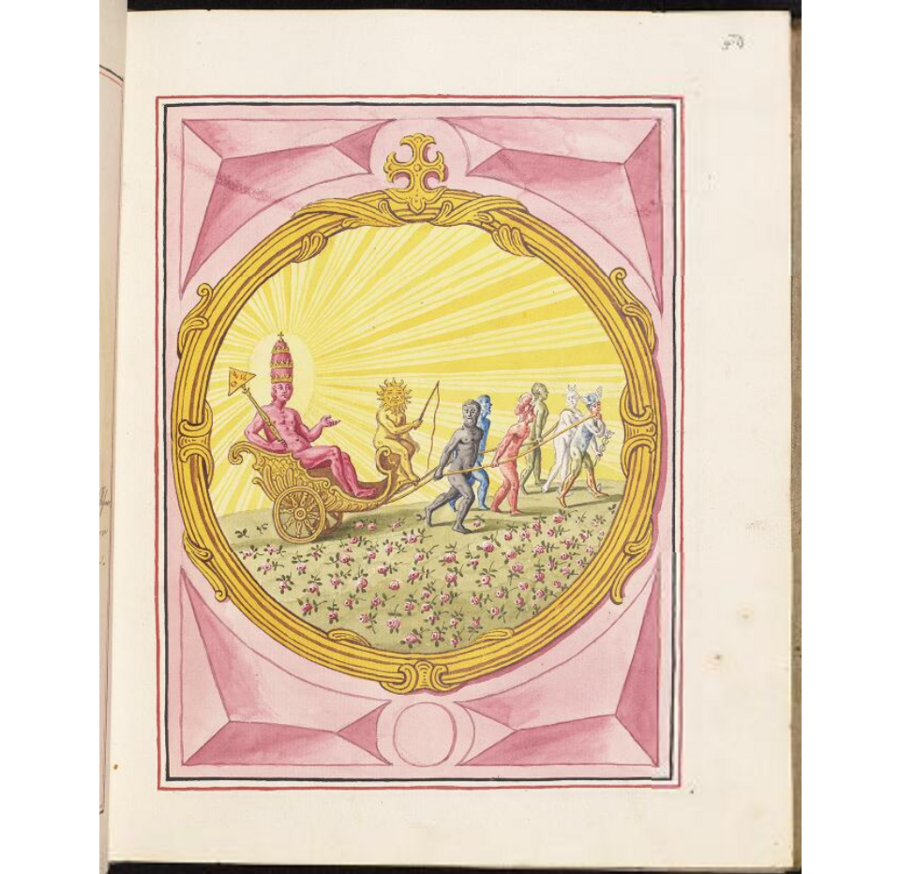
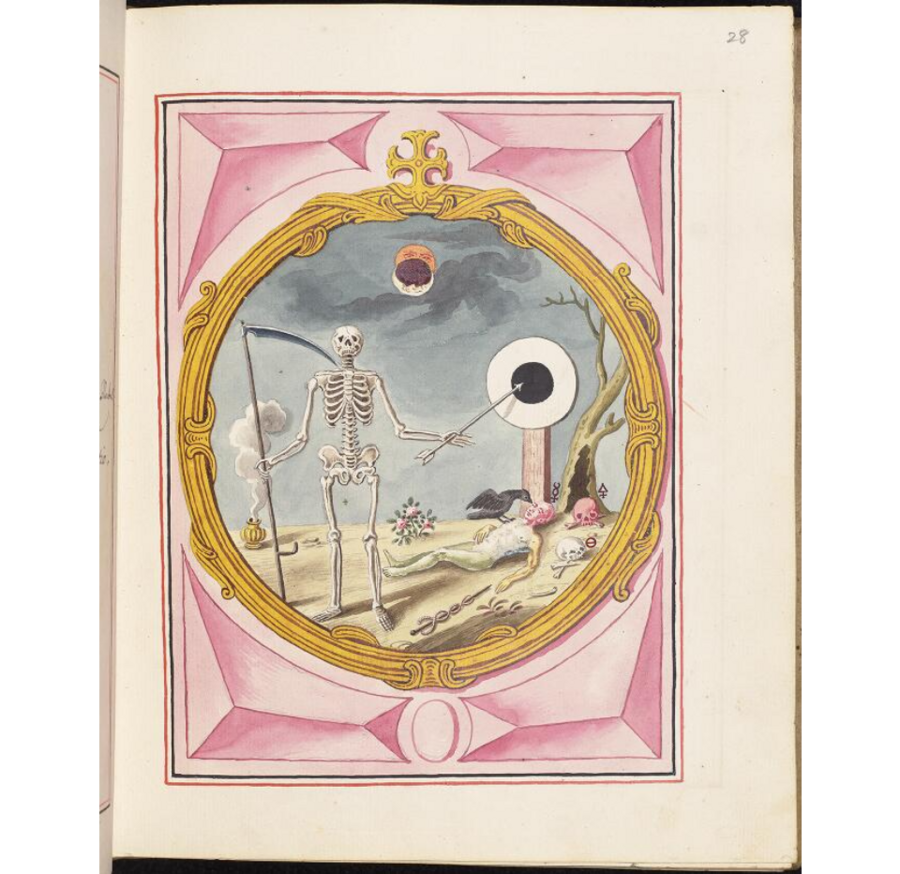
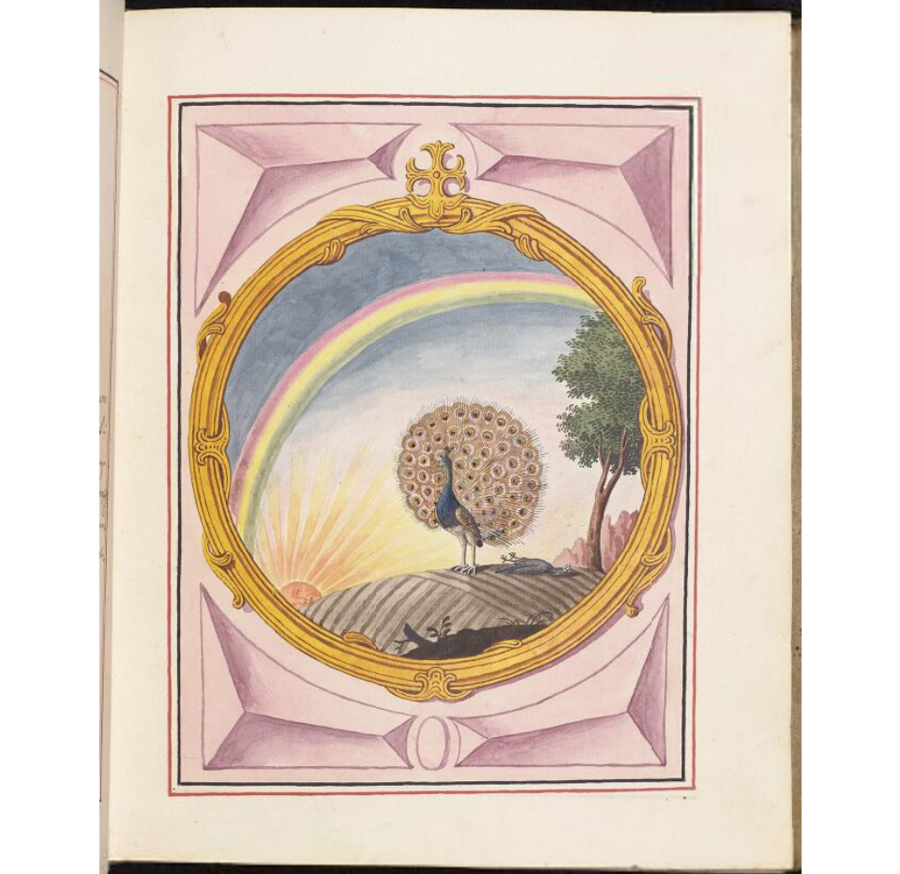
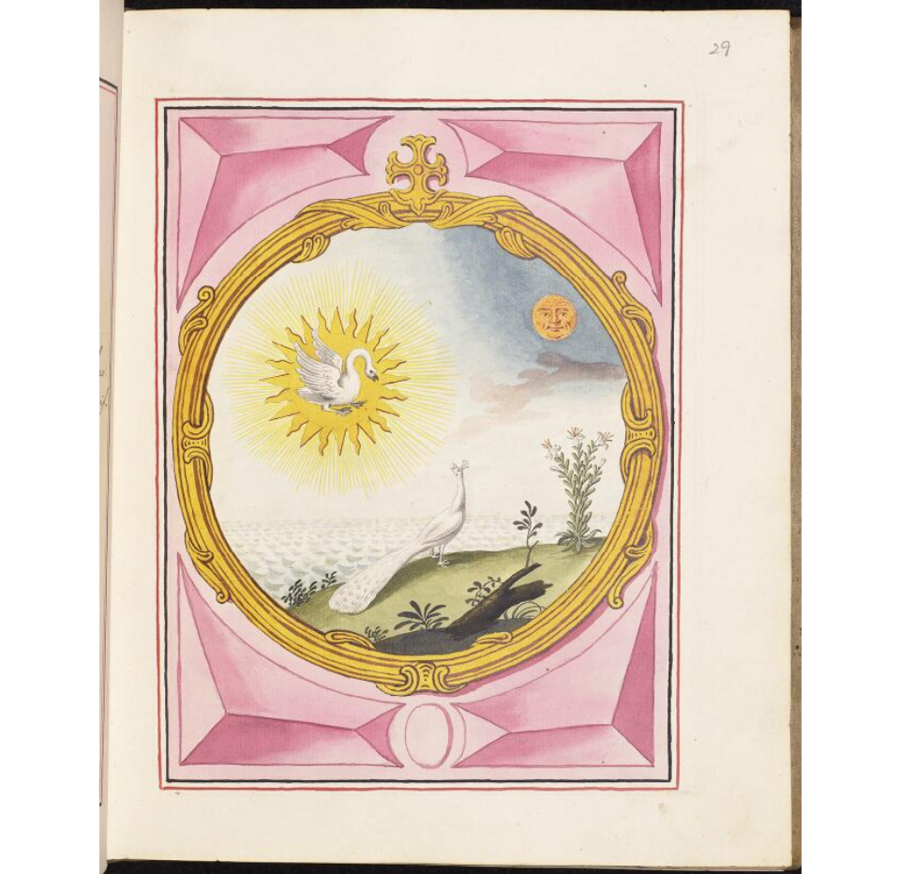
Nigredo, Sammlung Alchymistischer Schriften, XVIII век