Эволюция мифологического образа в искусстве
Как художники разных эпох изображали богов и героев
This project is a student assignment from the HSE Art and Design School or a research paper by an HSE Art and Design School faculty member. This project is non-commercial and serves educational purposes.
Mythology in art offers an inexhaustible source of imagery, narratives, and symbols—through which artists of different eras expressed their perceptions of the world, humanity, and the ideal of beauty.
1. Concept:
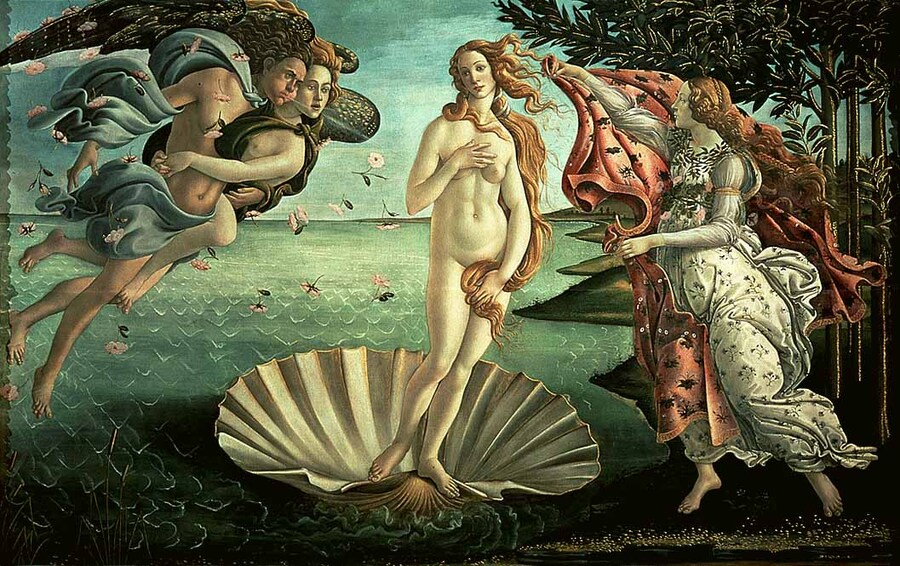
The theme of the work was «Mythology in Art: How Artists Depicted Gods and Heroes.» Ancient narratives have remained a living source for masters of various eras in European painting and sculpture for centuries. Moving from one century to the next, the myths retained familiar plots, but their meaning and external depiction changed each time. For artists, ancient lore served as a familiar and understandable language for the viewer. Through these stories, they spoke of love and fear, power and conflict, and the beauty and inevitability of death. Moreover, the heroes themselves never remained fixed within a single canon. In Antiquity, the gods embodied physical perfection and proportional harmony. Renaissance masters returned to these figures, but viewed them differently—through the lens of an interest in the individual and their inner world. In the Baroque era, the same stories took on a far more intense and dramatic tone, and later, myth entirely transformed into a means of expressing personal experiences and complex philosophical questions. The study was based on paintings and sculptures from different periods, created from ancient legends. To maintain focus, the work concentrates on several of the most popular heroes among artists: Venus (Aphrodite), Apollo, Perseus, Narcissus, as well as Cupid and Psyche. Observing these characters allows one to clearly see how the same image transformed under the influence of the era, societal tastes, and the author’s personal perspective.
Project Objective
— The goal is not to retell ancient myths or compile a catalog of Olympian gods. It is far more important to grasp the essence of the artistic interpretation: how the author conveyed the character of the hero through specific details, how the composition was structured, and what role plasticity, color palette, and the overall mood of the painting played.The foundational resources included museum catalogs, art historical treatises, and original ancient texts—primarily Ovid’s «Metamorphoses.» By comparing the literary source material with the final work produced by the master’s brush or chisel, one can trace how the ancient text inspired new visual solutions, and concurrently—what ideals, anxieties, and values occupied people across different historical periods.
Key Research Question:
How has the depiction of ancient gods and heroes evolved across different eras of art, and what conceptions of humanity and the world did artists imbue into mythical figures?
Hypothesis
The hypothesis posits that mythological figures in the art of every era reflect not only ancient conceptions of gods and heroes but also the ideals of their respective times. Consequently, the same character can embody vastly different traits—from the incarnation of harmony and perfection to the symbol of human passions and internal conflict.
Navigation
1. Concept
2. Main Body: Chapter 1. Antiquity — The Birth of the Mythological Image
Chapter 2. The Renaissance — The Return of Ancient Gods
Chapter 3. Baroque and Classicism — Dramatizing and Idealizing the Myth
Chapter 4. 19th–20th Centuries — Mythology as a Reflection of the Human Soul
Chapter 5. Comparing Images — One Myth Across Interpretations of Different Eras
3. Conclusion 4. Bibliography 5. Illustration Sources
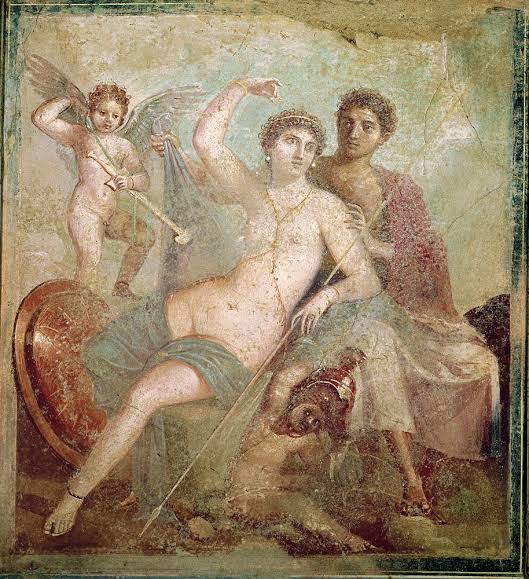
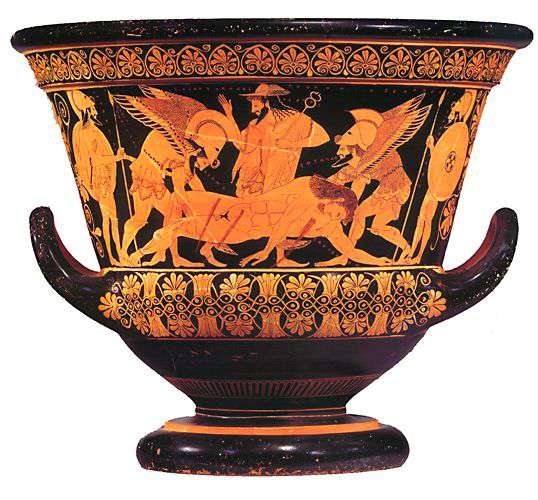
1. Antiquity—The Birth of the Mythological Image
For the ancient Greeks and Romans, mythology was the foundation of all life. Myths explained the structure of the world, the forces of nature, and human emotions, nourishing religion, theater, literature, and painting. By referencing legends of the gods' exploits, passions, and wrath, masters did more than just retell well-known narratives. Their task was to reveal the character of the figures—their status and power. To achieve this, a clear set of visual symbols and attributes developed in antiquity, allowing the viewer to immediately recognize the hero: Aphrodite embodied love and beauty, Apollo represented light, harmony, and art, and Athena symbolized wisdom and martial skill.