Original size 1152x1536

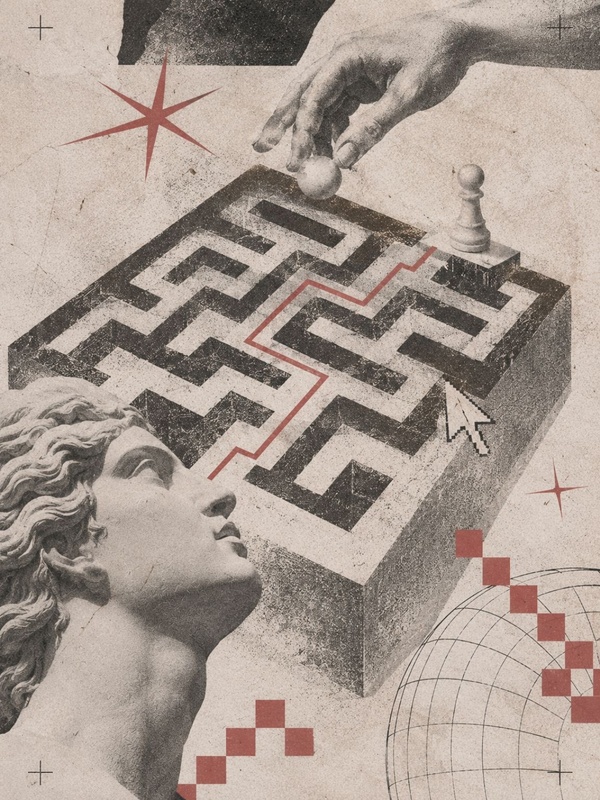
MAZE: How Pathfinding Became a Game

PROTECT STATUS: not protected
This project is a student project at the School of Design or a research project at the School of Design. This project is not commercial and serves educational purposes
The project is taking part in the competition

The Emergence of the Labyrinth
0
1/3

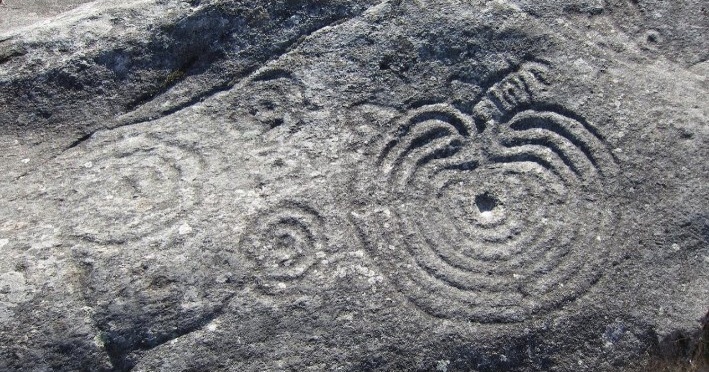
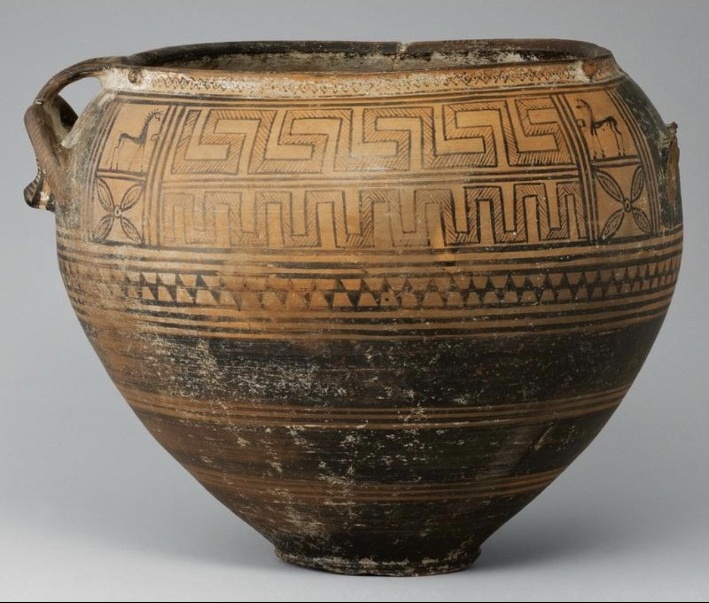
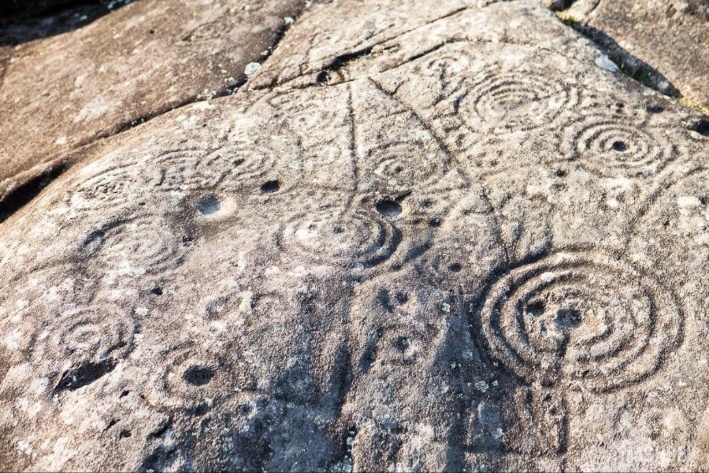
1. Labirinto de Mogor (c. 3000–2000 BCE) / 2. Melos Crater (750–725 BCE) / 3. Petroglifos de Mogor (c. 3000–2000 BCE)

The earliest depictions of labyrinths date back several thousand years. Their precise origins remain unknown. Some of the earliest examples are found in Southern Europe and the Mediterranean. Labyrinths were depicted on stones, ceramics, everyday objects, and later on coins. Gradually, a recognizable structure began to form: a winding path from the edge to the center, complete with dead ends and sharp turns. This very form became the foundation of the classical labyrinth.
MAZE: How Pathfinding Became a Game
Project created at 20.11.2026
adcr.dafes
The Art Directors Club of Russia sets the benchmark for creative excellence in design and advertising, serving as a central hub where industry professionals connect. Since 2004, the Club has hosted the ADCR Awards—a premier national competition celebrating creativity, design, and advertising. The core mission of the awards is to champion agencies and independent creators making their mark in the local market. By presenting this honor on behalf of the professional community, the Club reaffirms its endur... Show more
adcr advertising
adcr design
adcr students and young creators