Concept
concept
Historical Overview
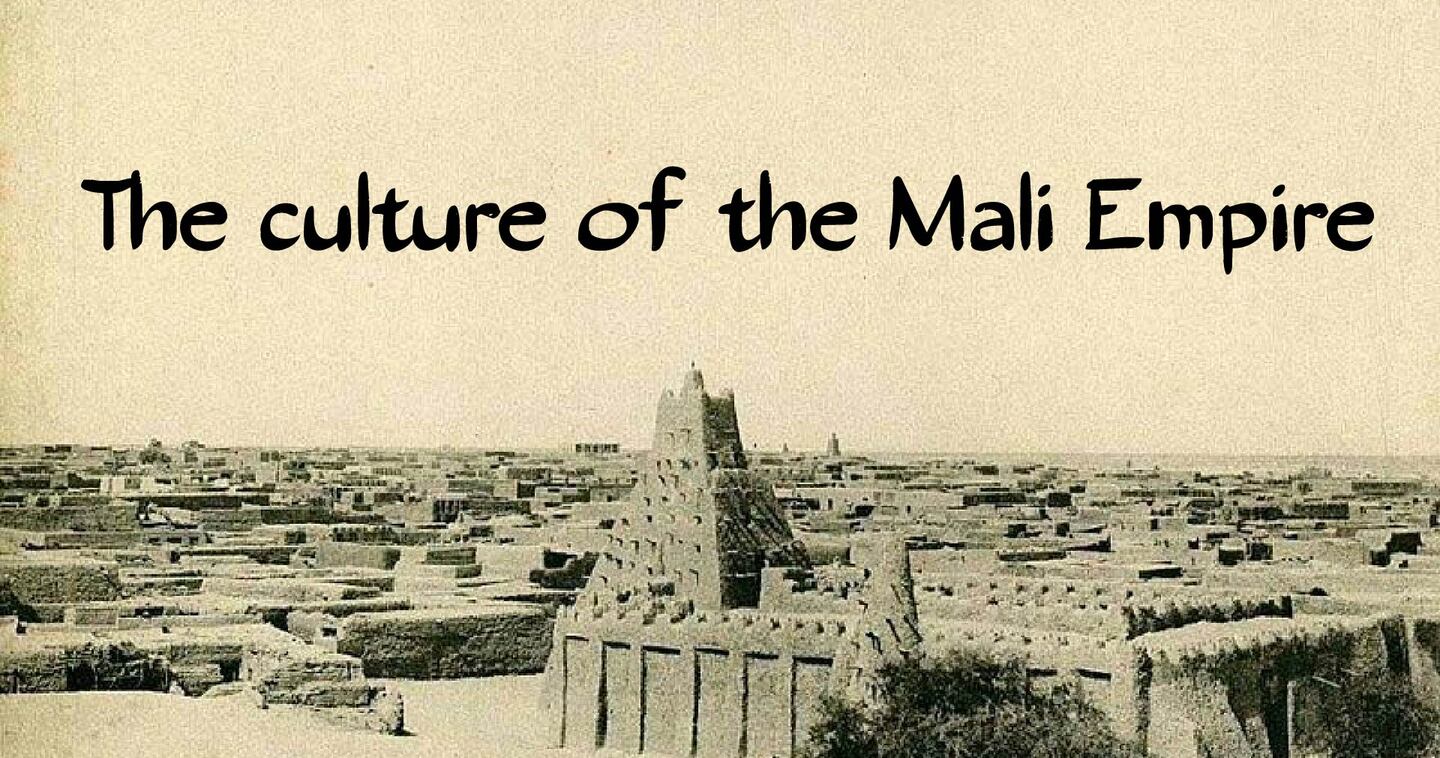
In North-West Africa, south of the Sahara Desert, where the desert gradually transitions into dry steppe and where most of the population lives, there existed a mighty state—the Mali Empire. The unique culture and distinctive architecture of the state’s inhabitants are recognized as a UNESCO World Heritage Site.
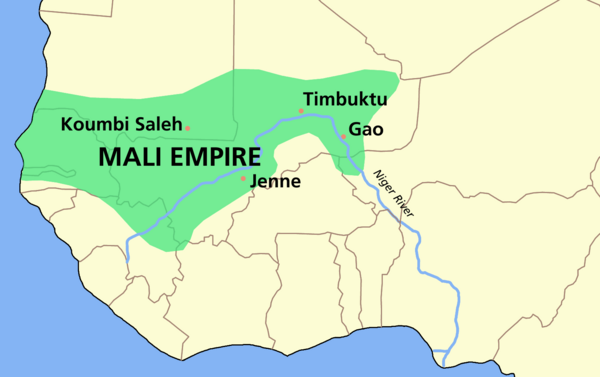
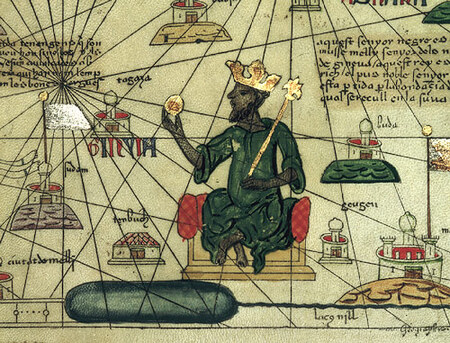
1. The Mali Empire Territory (circa 1350) 2. The ruler of Mali, Mansa Musa, holding a gold nugget (image from the Catalan Atlas)
The Mali Empire existed from the 13th to the 15th centuries.
By the 14th century, the medieval state was at the peak of its power and wealth—especially during the reign of the legendary Mansa Musa (1312–1337).
Mali controlled some of the world’s largest gold deposits, making it a crucial trading partner for North African states.

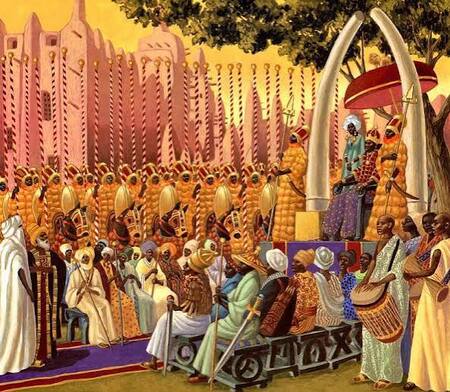
1. Flag of the Mali Empire 2. «Mansa Musa 14» Leo and Diana Dillon, 2001
Major trading cities—Timbuktu, Djenné, and Gao—were also cultural centers. The empire’s cities were key nodes of trans-Saharan trade, through which massive flows of gold, salt, and ivory passed. Muslim colonies developed within these cities, exerting a noticeable influence on the cultural development of Mali.
Sudano-Sahelian architecture
Исторический контекст, Характерные черты, Памятники архитектуры
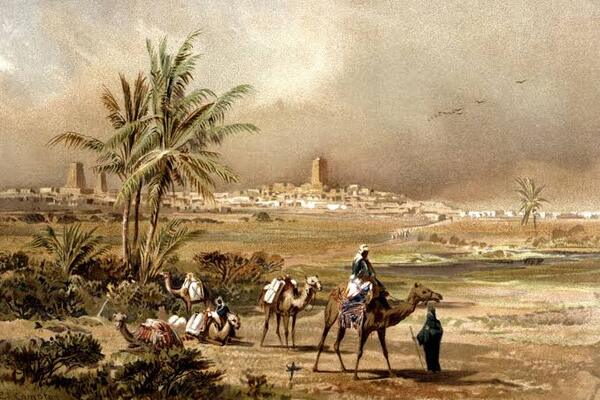
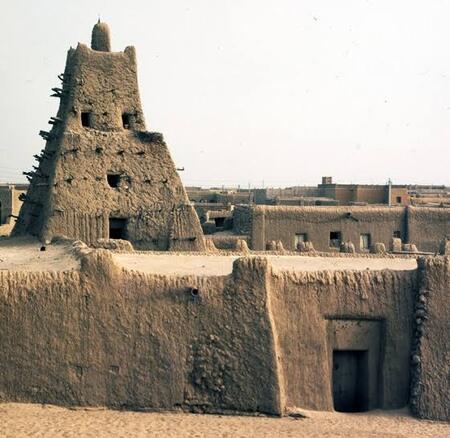
1. «Timbuktu» by Johann Martin Bernatz, 1852 2. «Timbuktu» by Vittoriano Rastelli
Historical Context
In 1324–1326, the ruler of Mali, Mansa Musa, undertook a famous pilgrimage to Mecca with a retinue of tens of thousands, carrying tons of gold. By dispensing lavish charity and making enormous expenditures in Cairo and Arabia, he triggered a prolonged crisis and devalued gold for twelve entire years.
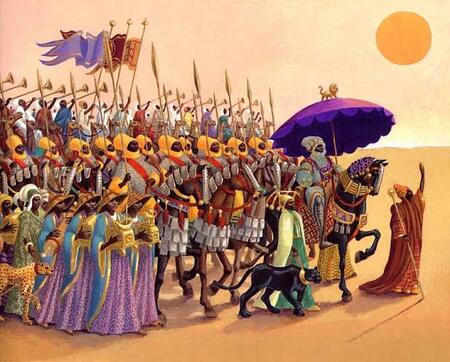
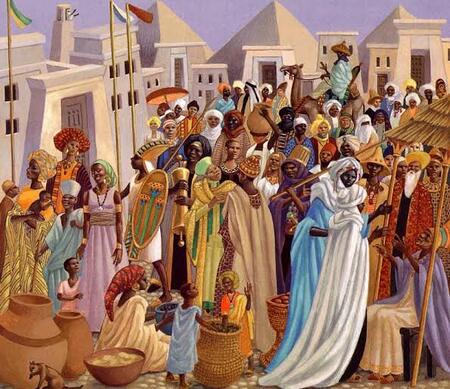
1. «Musa Mass 17» Leo and Diana Dillon, 2001 2. «Musa Mass 11» Leo and Diana Dillon, 2001
Following this journey, Musa devoted himself to expanding the empire and invited the Andalusian architect Abu Ishaq al-Sahili, who introduced new building traditions to West African architecture.
Key Characteristics
Материал, форма
This style is characterized by the use of saman—a brick made from clay soil mixed with straw or other plant materials—covered with plaster, supported by large wooden timbers that jut out from the walls of substantial buildings.
The wooden beams (toron) protruding from the adobe walls served not only a structural role but also acted as permanent scaffolding for regularly applying clay plaster after each rainy season. This tradition of collective building maintenance persisted in the region for centuries, allowing the mosques to endure through the ages.
Towers and minarets shaped like truncated pyramids or cones are also characteristic.
Timbuktu
Gingerber Cathedral Mosque
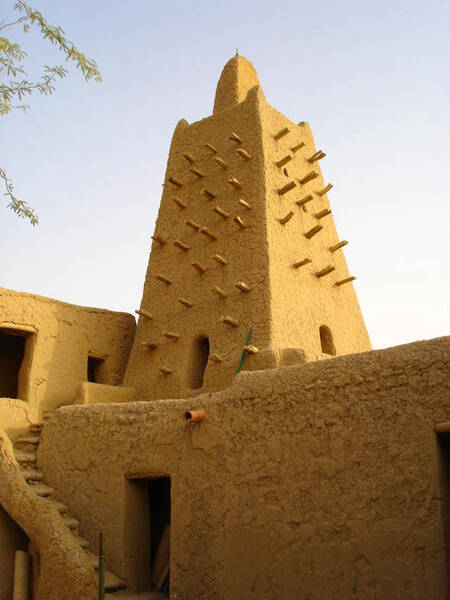
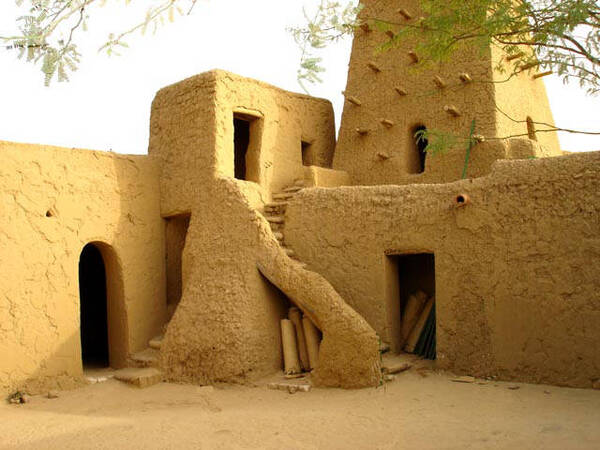
Gingerber Cathedral Mosque
A well-known center for Islamic studies, built in 1327. The structure features three internal rooms, two minarets, 25 rows of columns aligned east to west, and a prayer hall that can accommodate 2,000 people.
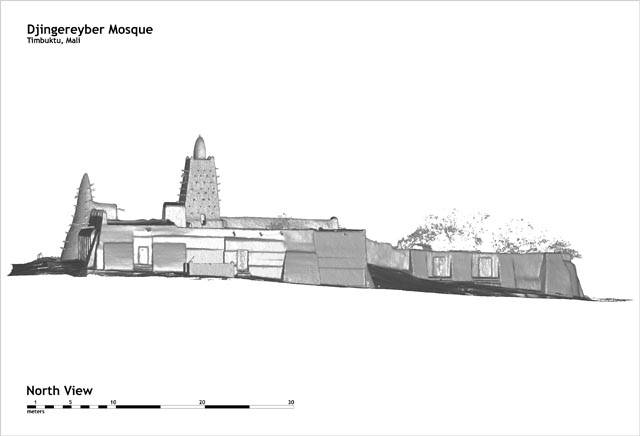
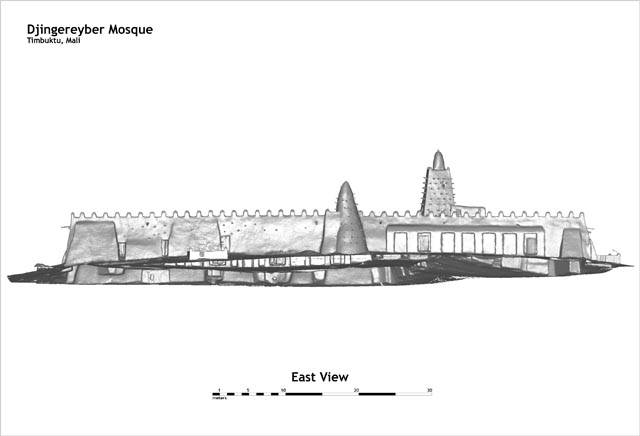
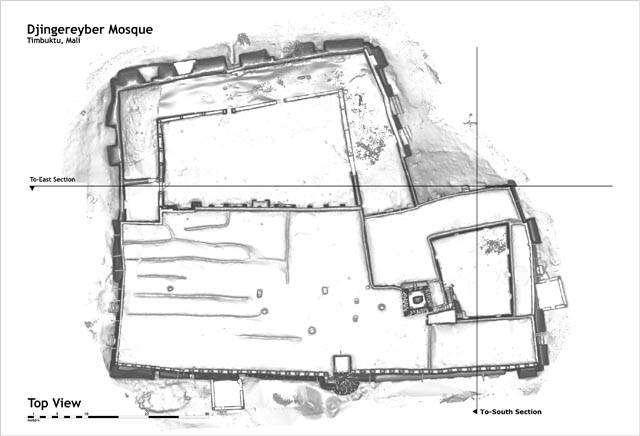
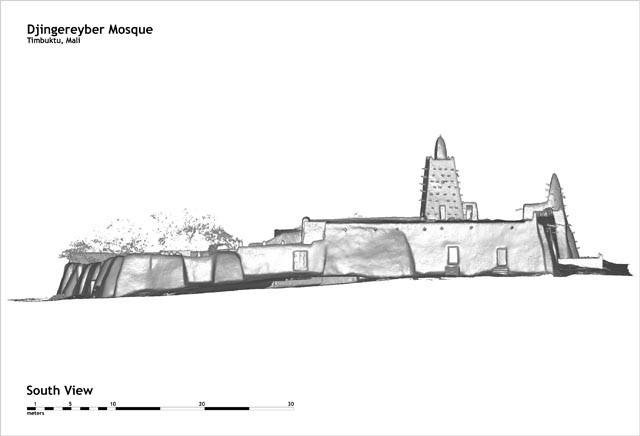
План мечети Джингеребер. Вид с востока
Admissions
Agades
Ghana
The Sudano-Sahelian style in architecture has advanced far to the south, and mosques of this style exist outside the Sahel region (which includes the territory of the former Mali Empire).
Science and Education
Университет, Рукописи, Калиграфия