The Birth of a New Visual Language in Hollywood at the Turn of Silent and Sound Film
1926–1930
Noise Violation
By the end of the 1920s, cinema built its narrative primarily through imagery. However, the advent of synchronized sound changed the established rules.
Cinema gained a voice—and with it, a new problem: how to make sound and image coexist in a single artistic space?
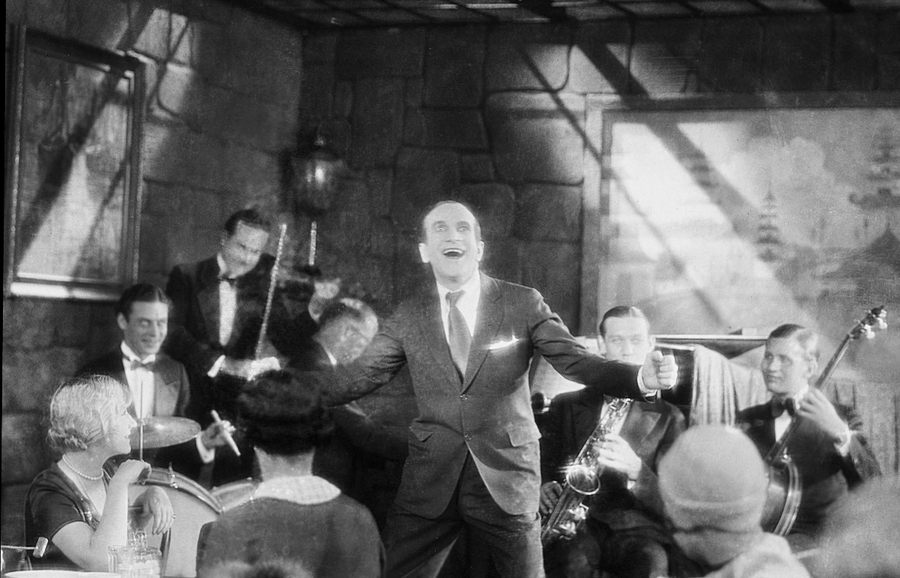
The Jazz Singer, directed by Alan Crosland, 1927. Musical excerpt with synchronized performance
The transition to sound film did not happen overnight. First, there were films with synchronized music and sound effects; then, films with separate dialogue sequences; and finally, fully realized sound pictures.
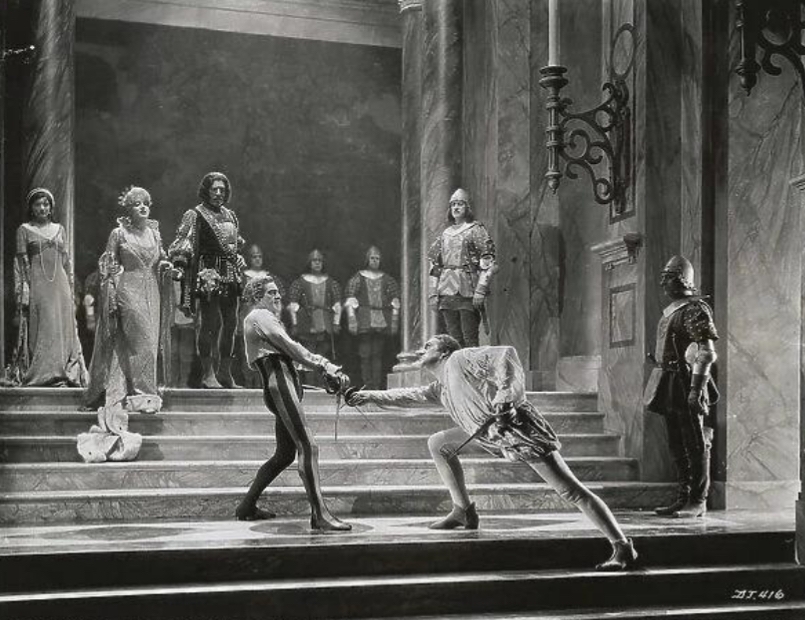
Don Juan, 1926
What happened to the familiar visual language of Hollywood when the image was no longer the sole way to tell a story?
The emergence of synchronized sound transformed not only the technical side of filmmaking but also the artistic organization of the movie. New sound recording conditions influenced composition, camera movement, editing, and screen space, opening up new possibilities.
Sound didn’t just accompany the image; it fundamentally transformed the perception of what could exist within a cinematic frame.
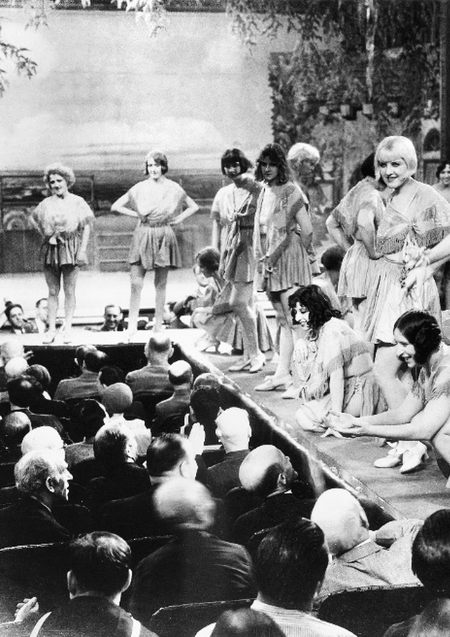
Don Juan, 1926. Directed by Allan Crosland. One of the early feature films accompanied by synchronized music and sound effects.
In Don Juan, the viewer has not yet heard the familiar conversational dialogues. However, the musical score is already synchronized with what is happening on screen.
The Jazz Singer, 1927. Directed by Alan Crosland
The Juzz Singer became a symbol of the sound revolution. Its structure still retains elements of silent cinema, but the musical and spoken episodes already demonstrate fundamentally new possibilities.
The Jazz Singer, 1927. Musical performance
The moment when a voice becomes integrated into the on-screen action is particularly important. The viewer no longer just observes the performance, but hears it directly from within the film’s space.
Don Juan, 1926. Synchronized Music
The Jazz Singer, 1927. Synchronized sound
Sound gradually ceases to be mere accompaniment and becomes part of the dramaturgy.
// A camera that must be silent