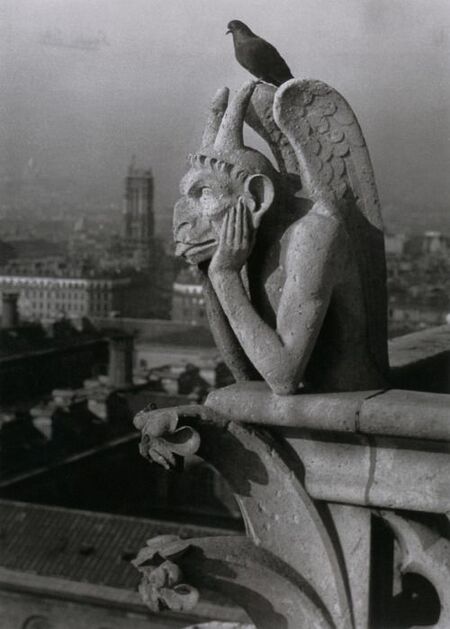
Concept
In my research, I aim to investigate why strange and frightening creatures appear so frequently on buildings, especially on medieval cathedrals and churches. At first glance, it seems they are merely decorative. But upon closer inspection, it becomes clear that much more lies behind these imagery.
I am interested in how fantastic creatures appeared in architecture, why artisans depicted them so unusually, and what significance they might have held for the people of that era. I want to examine not only familiar gargoyles and chimeras but also grotesque figures, hybrids, giant monsters, and plant-like beasts.
In this research, I focus on the appearance of these creatures: their strange anatomy, unusual proportions, and the combination of human, animal, and plant features. It is fascinating to trace how ordinary forms transformed into something fantastical, and why such images could simultaneously be frightening, surprising, and even amusing.
Separately, I want to illustrate how these monsters interact with the architecture itself. They are not simply placed on the building facades; rather, they become an integral part of the columns, capitals, portals, and roofs. At times, it seems as if they grow out of the stone, bringing the building to life.
The main goal is to demonstrate that architectural monstrosities were more than mere ornamentation. Through them, people expressed their fears, their views of the world, their religious beliefs, and their fascination with all things unusual. I want to show that every strange figure has its own story, and that these very monsters offer a new perspective on the architecture of the past.
Topics
• Introduction • History of Appearance • Anatomy • Gargoyles and Chimeras in the Architecture of Ages • Between Fear and Humor • Conclusion • Bibliography
In medieval European architecture, unusual stone creatures—gargoyles and chimeras—held a special place. They adorned cathedrals, jutted out from walls, and were positioned on roofs and cornices. At first glance, these figures resemble one another, but they possess different characteristics and purposes. Gargoyles were often depicted as fantastical animals and monsters, while chimeras represented whimsical beings combining traits from various animals and humans.These creatures could appear frightening, bizarre, or even comical. Some had open jaws, sharp claws, and wings, while others combined completely unexpected body parts. But why did medieval artisans choose precisely these kinds of images? How do gargoyles differ from chimeras, and why did they become an important part of cathedral architecture?I wanted to understand how gargoyles and chimeras came into being and why these creatures took on such an unusual form. In my research, I aim to compare their appearance, structural features, functions, and significance in architecture. I was curious to determine where the line is drawn between practical necessity, architectural ornamentation, and the fantasy of medieval masters.
Chapter 1. History of Emergence.
Gargoyles
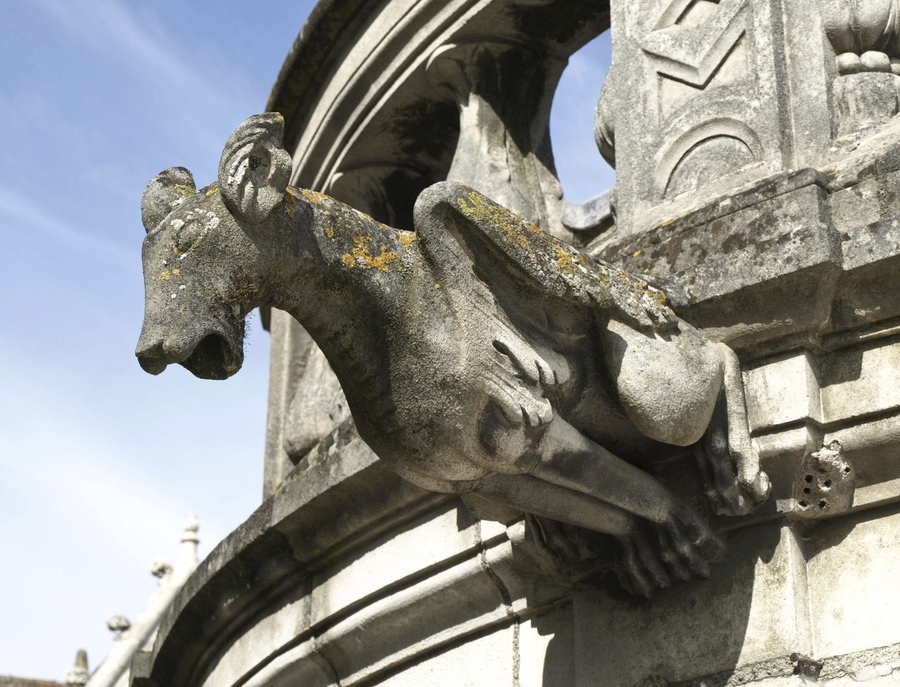
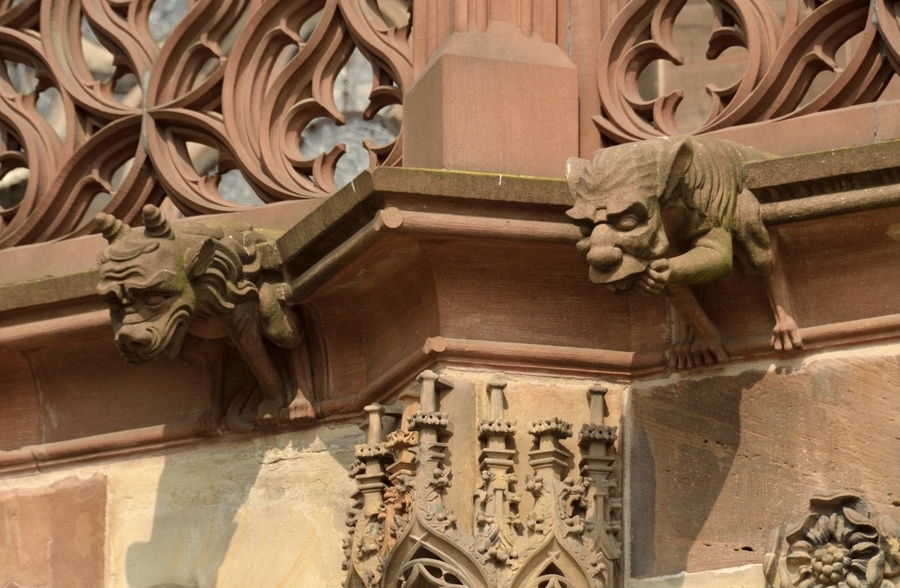
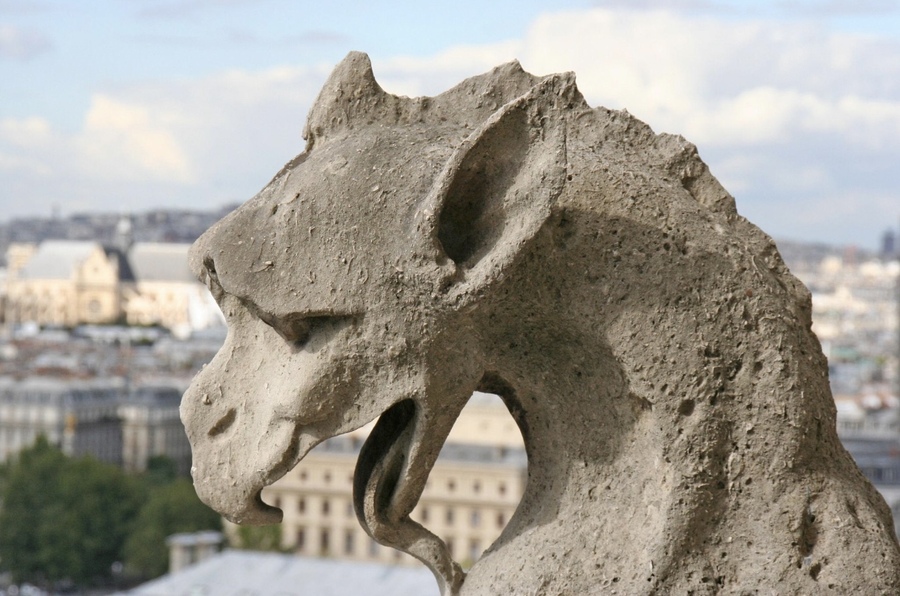
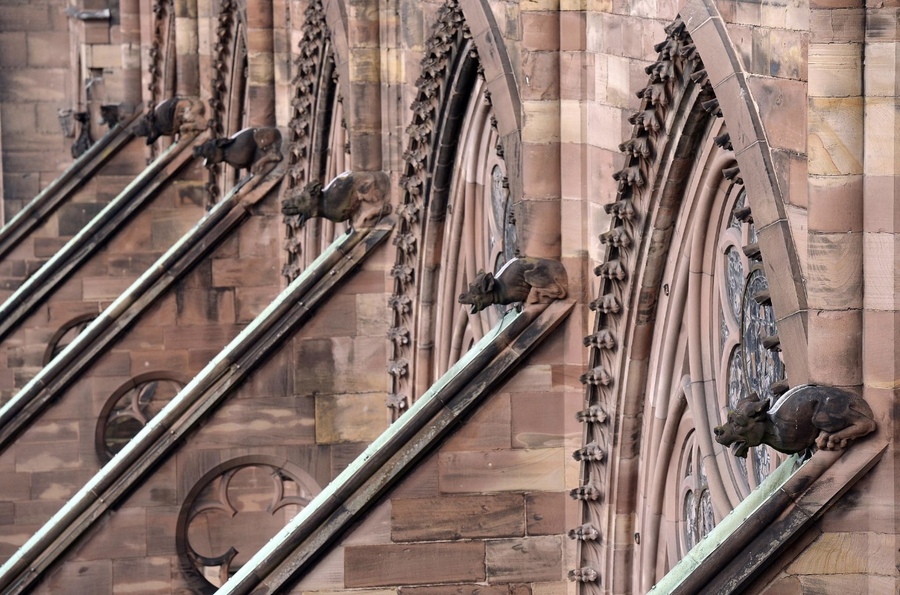
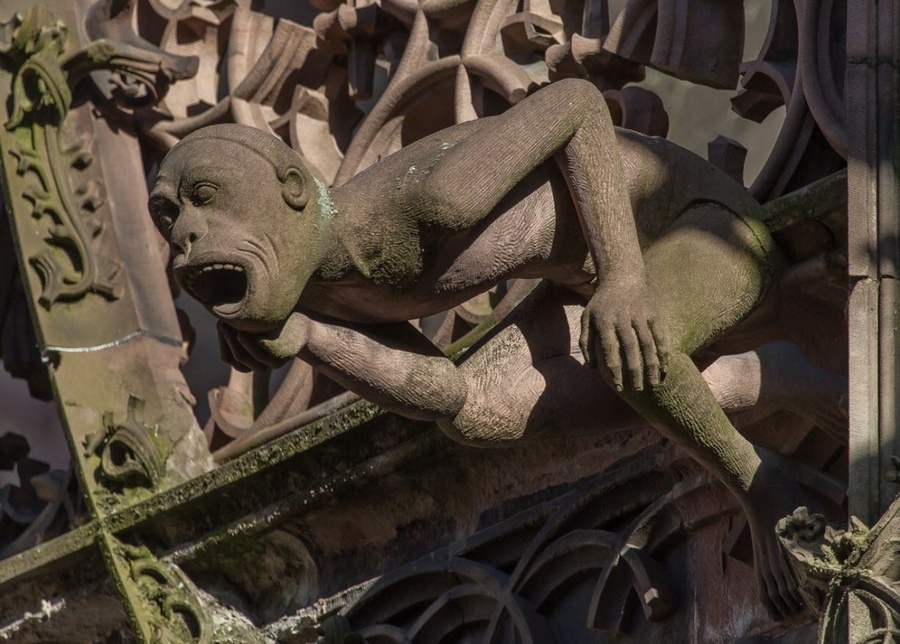
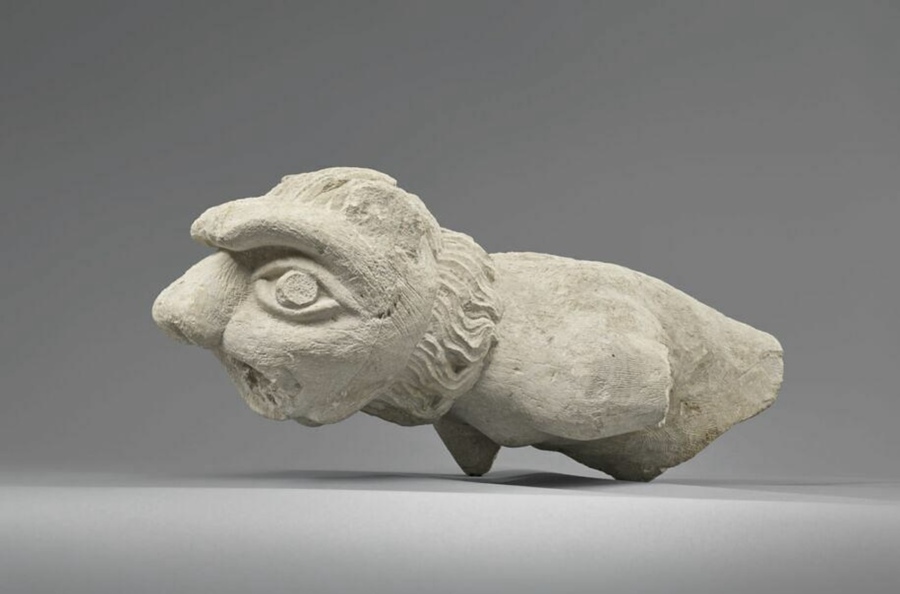
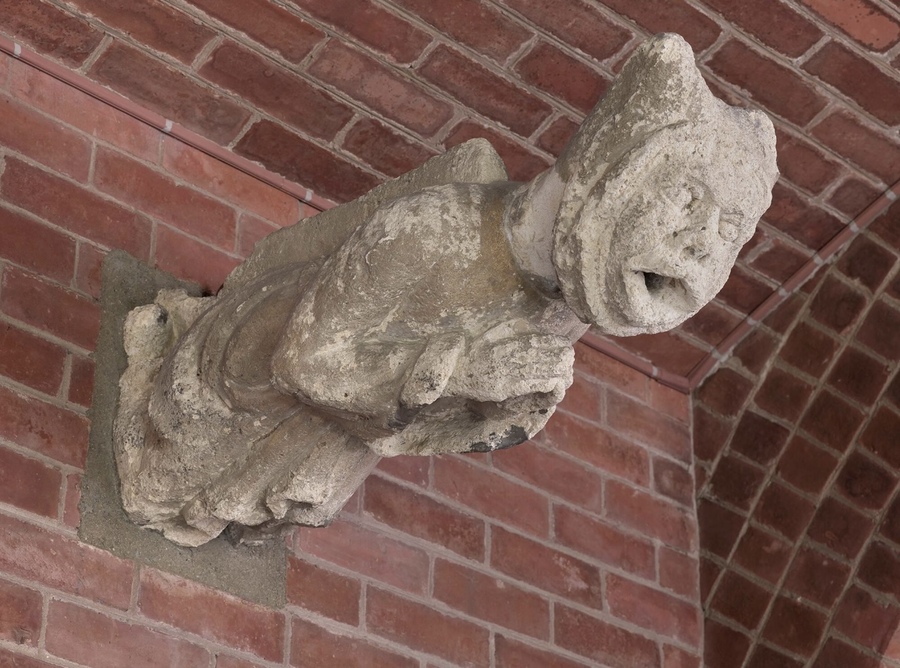
Gargoyles are among the most recognizable and unusual creatures in Medieval architecture. The word «gargoyle» originates from the French gargouille, which is related to the word gorge—meaning «throat.» This name aptly conveys the main feature of these sculptures: water passes through their bodies and exits through an open mouth.
The first drainage structures similar to these appeared long before Gothic cathedrals. Even in antiquity, architects used stone and ceramic downspouts, sometimes decorated in the form of animal heads. However, it was in the Middle Ages that gargoyles acquired their particularly expressive appearance.
During the development of Gothic architecture, masters began creating long stone downspouts shaped like fantastic creatures. They could resemble lions, dogs, dragons, birds, or completely unknown animals. Some had human faces, while others possessed elongated bodies, wings, and tails.
Over time, gargoyles evolved from being merely technical details into an important part of the artistic ornamentation of cathedrals.
Chimeras in Art and Architecture of the 12th–13th Centuries
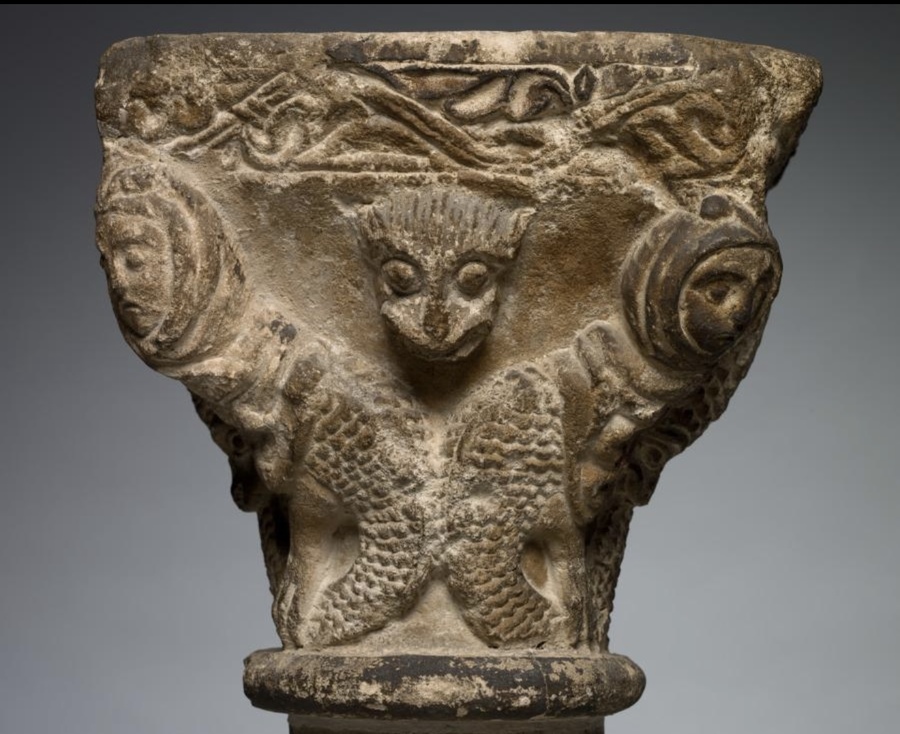
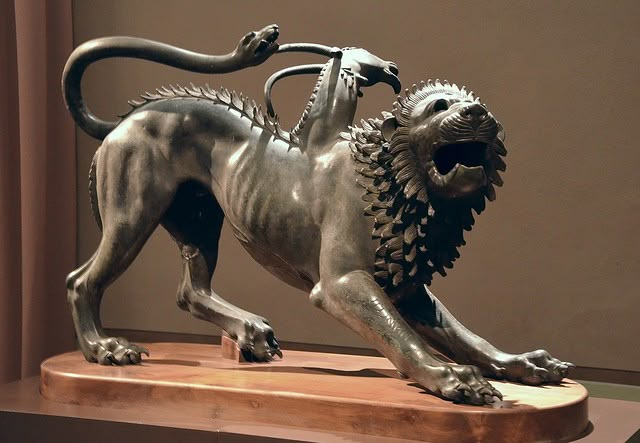
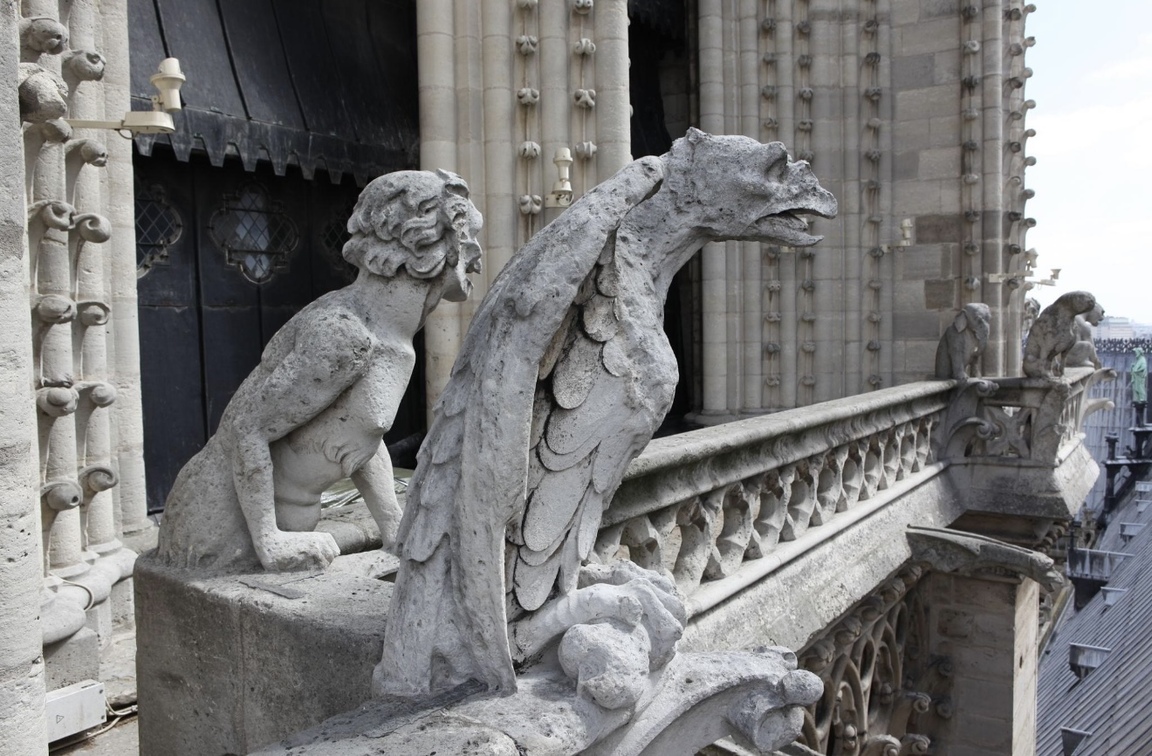
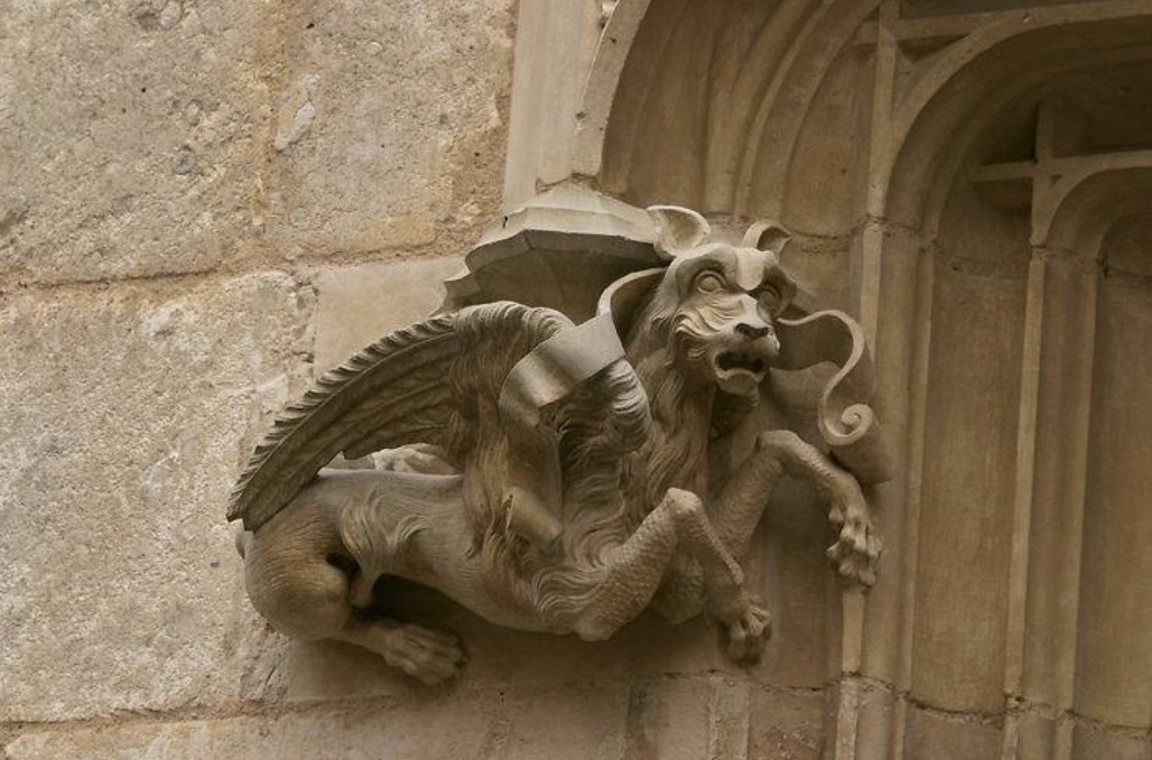
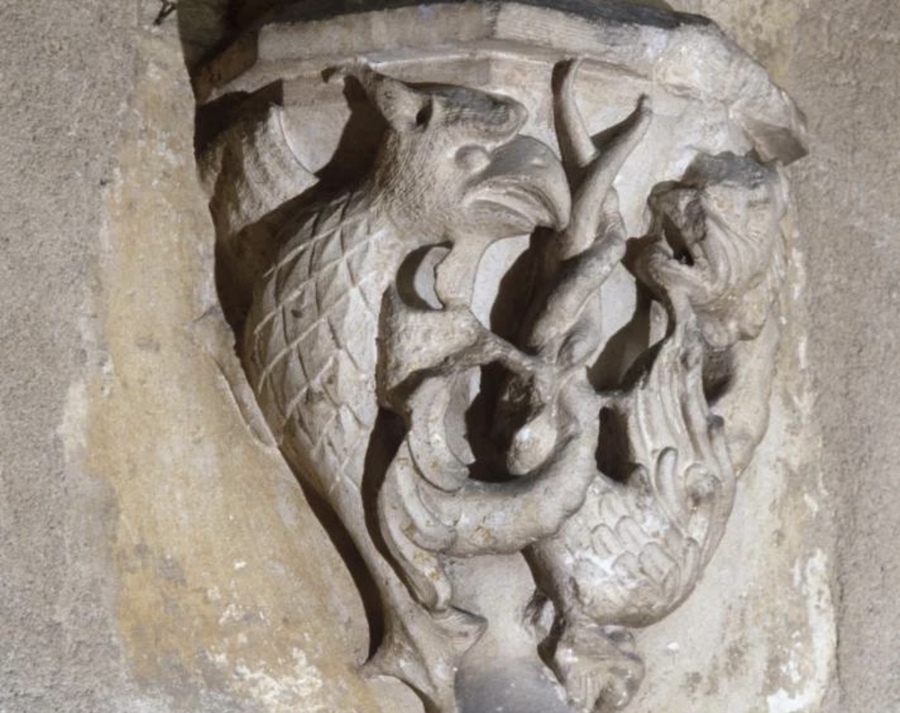
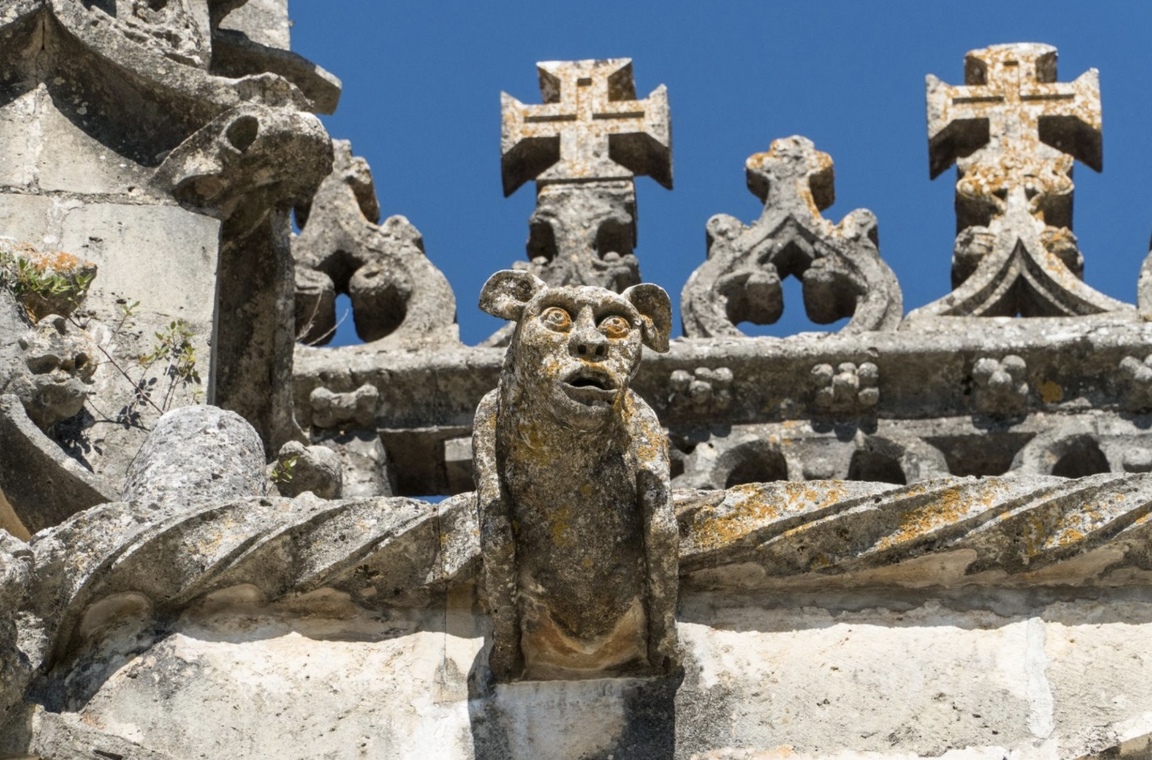
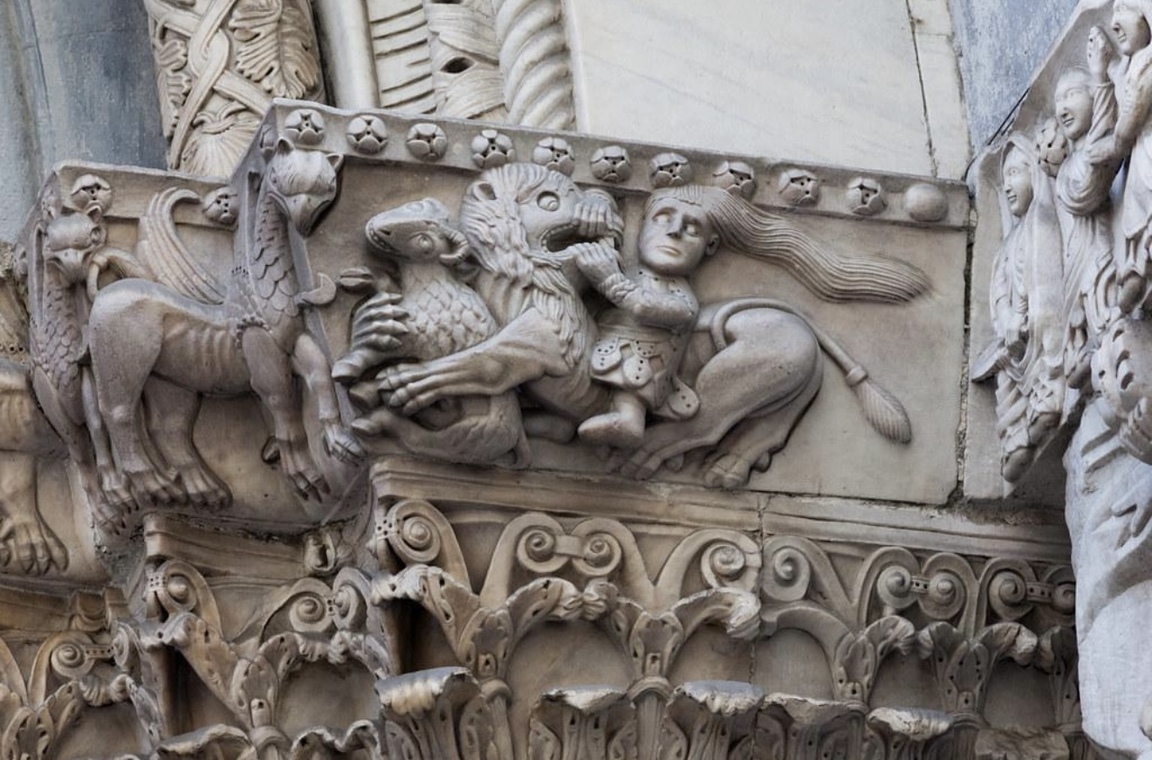
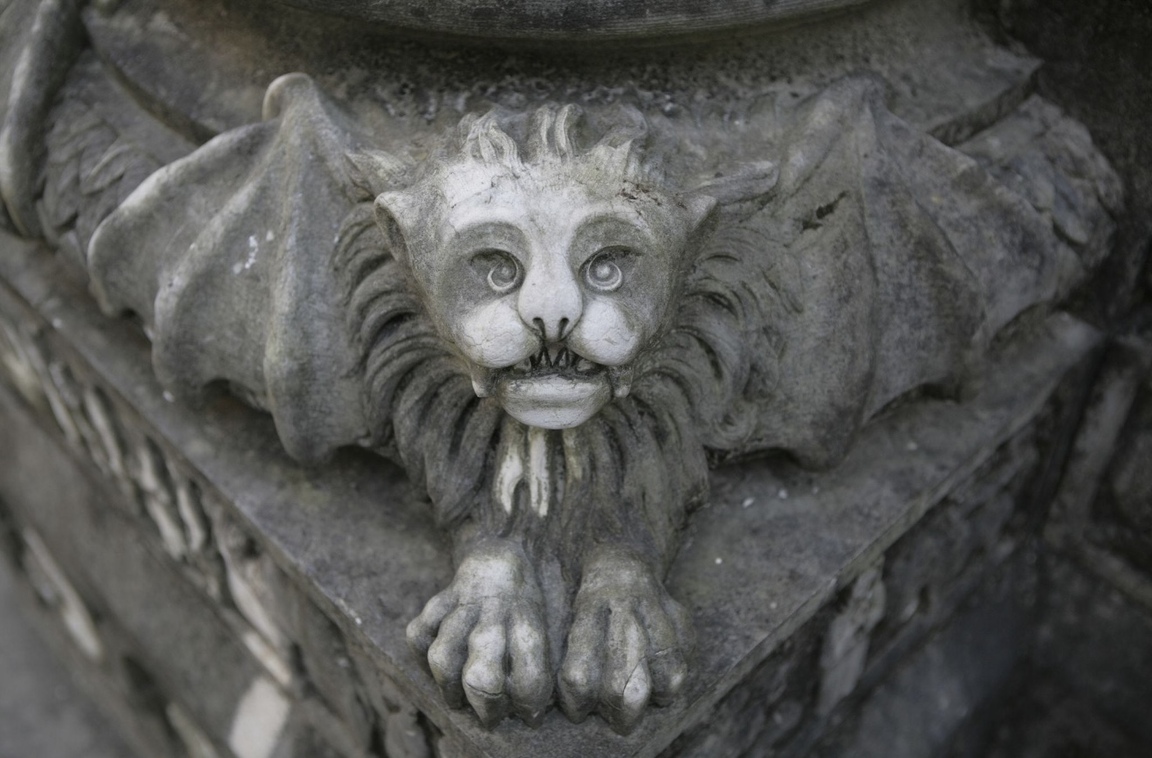
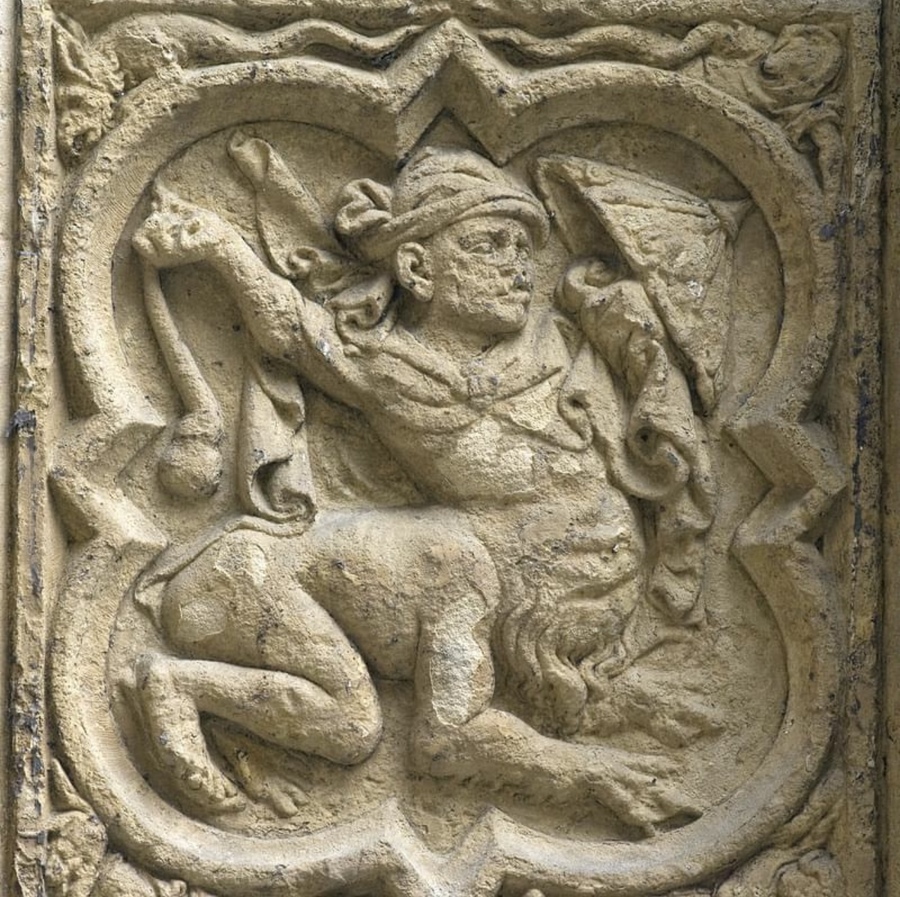
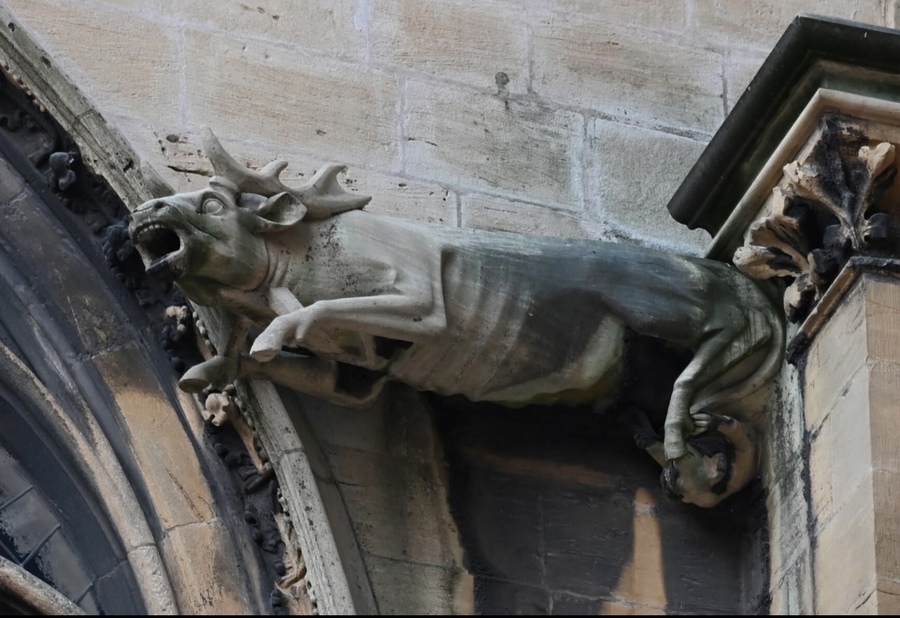
Chimeras are among the most unusual and enigmatic creatures found in the history of art and architecture. The word «chimera» derives from the ancient Greek word khimaira, which originally meant a young goat. The image of the chimera appeared as early as Ancient Greece. In Greek mythology, the chimera was a fearsome, fire-breathing monster that destroyed everything around it. Its description is found in the works of ancient Greek authors Homer and Hesiod. According to Homer’s description in the sixth book of the Iliad, the chimera was composed of three different animals: it had a lion in the front, a goat in the middle, and resembled a dragon in the rear. Flames erupted from its mouth. Hesiod, in the Theogony, described it slightly differently: the monster had three heads—a lion’s, a goat’s, and a serpent’s. This suggests that even in ancient sources, there was no single definitive appearance for the chimera. Artists could depict its parts differently, alter the arrangement of its heads, and add new details. The Larousse encyclopedia article also notes that the chimera was the offspring of Typhon and Echidna, and it was destroyed by the hero Bellerophon, who fought the monster mounted on the winged horse Pegasus.
Chapter 2. Anatomy of Monsters
Gargoyle
The appearance of gargoyles could vary widely, but they shared one common feature—the sculpture’s body was integrated with the water drainage system.
Several characteristic details can be identified. Head. Gargoyles most often have a large head with an open mouth. It might resemble the snout of a lion, a dog, a dragon, or another fantastical animal. Mouth. This is the most vital part of the structure. Rainfall would exit through it. Therefore, the mouth is often depicted wide open, showing visible teeth and an unusual jaw shape. Body. It could be elongated, massive, or curved. Sometimes sculptors created the impression that the creature was crawling along the roofline. Limbs. Gargoyles frequently have clawed paws that appear to grip the stone surface. This gives the figures a sense of life and movement. Wings. They could resemble the wings of bats or dragons. Such details made the creatures seem more fantastical and menacing. Tail. Sometimes it would curl, intertwine with the body, or transform into a decorative element. The gargoyle’s form depended on its function. The artist had to not only invent a unique creature but also account for how the water would flow through it. In one sculpture, an engineering problem merged with artistic fantasy.
The visual interpretation of gargoyles could hold several meanings. In medieval Christian culture, fantastical monsters were often associated with the world of evil, danger, and sin. Consequently, depictions of frightening creatures on the exterior of a church could create a contrast with the sacred interior space of the sanctuary.
There was a belief that beyond the protected space of the church lay a world of perils and temptations. Fantastical figures were well-suited to conveying this idea. It is important not to assign specific symbolism to every gargoyle. Not all of them depicted demons or were meant to ward off evil spirits. At times, sculptors simply employed fantastical forms to make the building more expressive. Moreover, unusual creatures could evoke a wide range of emotions in viewers—fear, wonder, curiosity, and even laughter.
A gargoyle could perform a completely ordinary technical function while simultaneously appearing as a true monster. It is this combination of the practical and the fantastical that makes it a unique element of architecture.
1. Gargoyle Animals
The earliest gargoyles often depicted common animals. These could include dogs, lions, birds, and other members of the animal kingdom.
2. Monstrous Gargoyles This type is closest to the conventional image of gargoyles. It is here that the influence of the masters' imagination is particularly noticeable. They did not strive to create realistic animals but instead devised entirely new forms. Such creatures might have the body of a dragon, the head of an unknown animal, enormous wings, and clawed paws. Sometimes, several animals were combined into one creature. For example, the torso might resemble a dog’s, the head might look like a lion’s, and the wings might be like a bat’s.
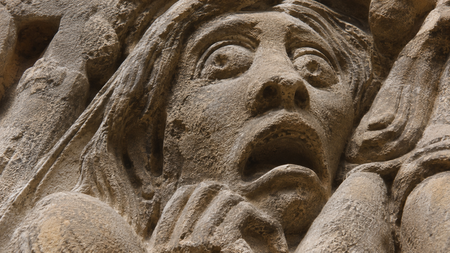
3. Human Gargoyles By the end of the 13th century, figures with human features began to appear among gargoyles. They could depict men, women, or individuals with unusual facial expressions and body postures. Figures that conveyed human vices are particularly interesting. Characters associated with greed, drunkenness, and other flaws could be encountered. Sculptors employed grotesque: they exaggerated facial features, made bodies disproportionate, and gave the figures absurd poses. A gargoyle could be not merely a fantastical animal, but a kind of caricature of humanity.
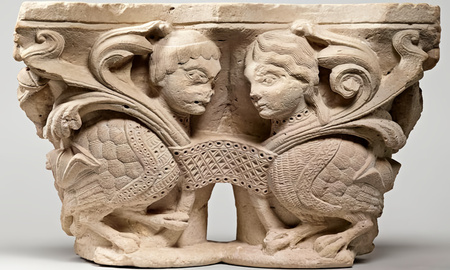
4. Hybrid Gargoyles Hybrid gargoyles combined parts from different creatures. They might have a human face, an animal body, bird wings, and a snake tail. Sometimes it was difficult to discern which specific animal formed the basis of the sculpture. The artist could alter the proportions so dramatically and merge disparate elements that a completely new creature resulted.
Chimera