Navigator
1 Concept 2 First Mosaics and Their Functions 3 Mosaics in Ancient Greece 4 Ancient Rome 5 Byzantium 6 Supplemental Information 7 Sources
Concept
Analysis of why and how mosaic became such an important part of these cultures due to the architecture of faith and status.
The First Mosaic
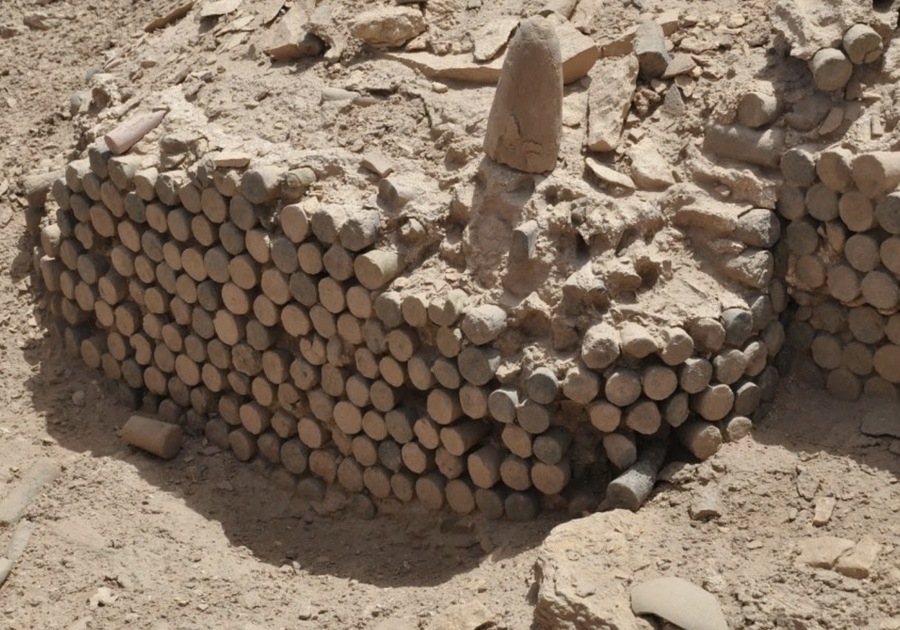
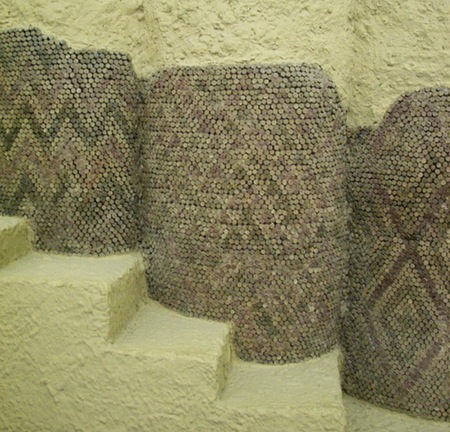
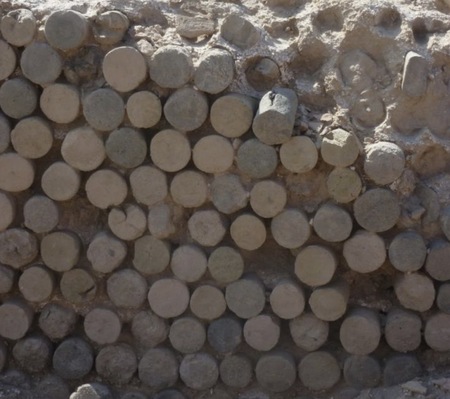
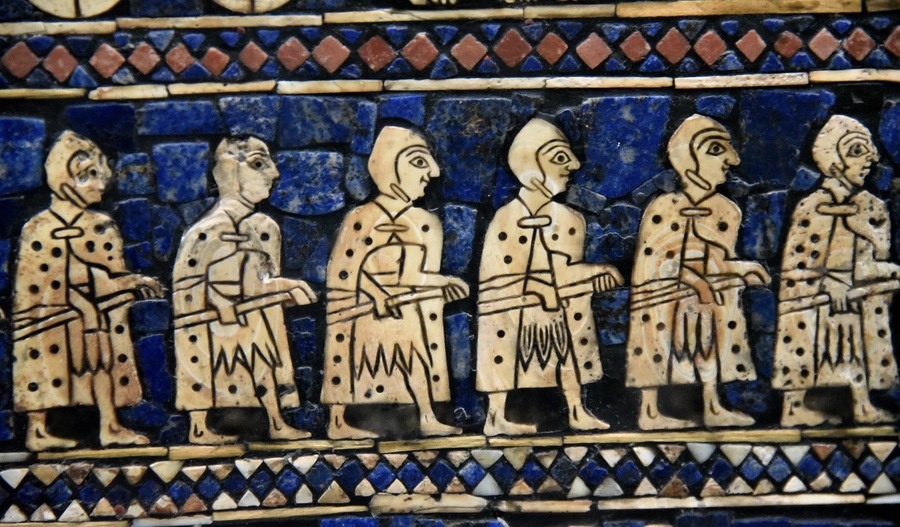
The history of mosaic work dates back to the second half of the 4th millennium BCE—the period during which the palaces and temples of Sumerian Mesopotamian cities were constructed. The mosaic, used as cladding for mud-brick walls, was created from fired clay cones («ceramic nails») measuring 8–10 cm in length and 1.8 cm in diameter [1].
The Sumerians built monumental temples and ziggurats using unfired (adobe) bricks. This material was quite fragile: it rapidly deteriorated due to sun, wind, and rain. To protect the walls from decay while simultaneously decorating them, Sumerian craftsmen devised a brilliant technological and visual solution—cone mosaics featuring ornamentation, zigzags, lines, stripes, and triangles.