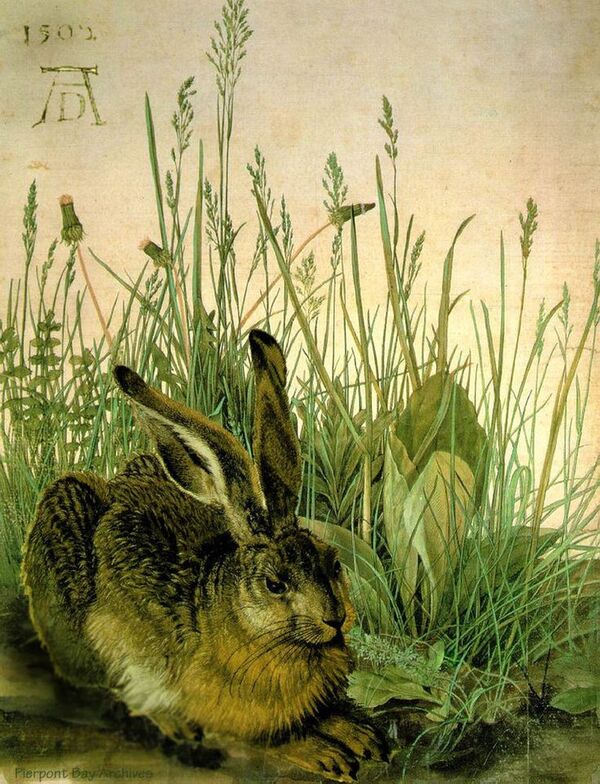
This project is a student assignment from the School of Design. This project is not commercial and serves educational purposes.
Navigator
- Introduction. Research Concept.
- Animalism in Early Renaissance Art: Is the symbolism of animals preserved, or is there a transition toward naturalism?
- Visual Elements of Animalism in 15th Century Painting.
- Visual Elements of Animalism in 15th Century Sculpture.
- Conclusion.
- Bibliography and Source References.
Introduction. Research Concept.
Analyzing artworks, each of us wants to understand the meaning the artist imbued in their work. Every stroke, color tone, narrative line, and pose holds significance. The choice of topic is based on an interest in the detailed study of animalism as a genre and the search for meaning in the depiction of animals in 15th-century art. The principle guiding the selection of material for this visual study was the search for 15th-century artworks featuring animals in painting and sculpture. Special attention is paid to pieces where the animal image becomes the central figure of the composition. From the earliest rock and cave paintings, humans depicted animals, endowing them with human qualities—a characteristic feature of the technique used to portray animals in 15th-century art. Why do the image, gaze, or eyes of an animal sometimes hold us to a painting longer than human faces?
The guiding principle for this research was to examine the visual language and the meaning behind the depiction of animals in the works of 15th-century painters and sculptors. The Early Renaissance marks a period of transition from medieval symbolism toward naturalism. The key question guiding this research is: what meaning did artists and sculptors imbue in the portrayal of animals, and what visual techniques did they employ to achieve this? Do the 15th-century artworks in the animism genre align more with symbolism or naturalism? And why? The research hypothesis proposes that if an animal figure in an artwork is rendered with detailed elaboration—including fur, posture, eyes, etc.—in accordance with its anatomy and nature, then the animism of the 15th century is fundamentally naturalistic. When an artist utilizes visual tools such as high-contrast light and shadow, accurately conveys color and tone, meticulously details the composition, and adheres to proper proportions and scale, the animal figure becomes natural and lifelike. Analyzing 15th-century animism artworks will help answer whether the works of these painters and sculptors exhibit symbolism or naturalism to a greater degree, and why.