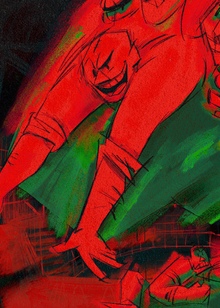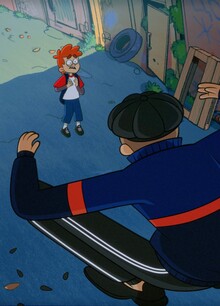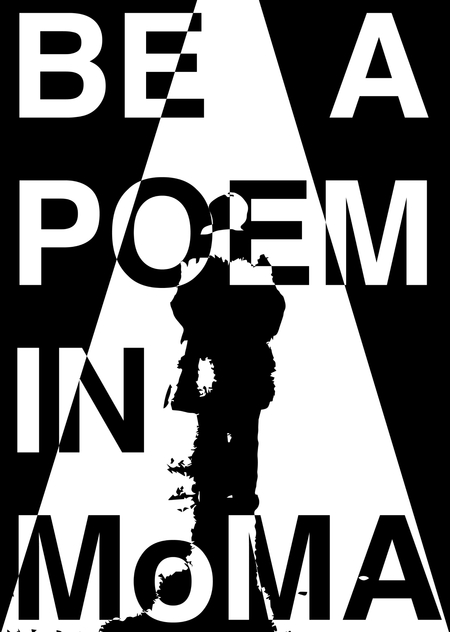
The exhibition transforms Joseph Brodsky’s poem «The Procession» into a spatial experience. Just as in the poem, the poet, who is experiencing the loss of his love, observes a procession of human figures offering various solutions to the situation, the visitor in the exhibition passes through several corridors, each representing a different aspect of Brodsky’s personality: the Melomaniac, the Writer, the Lover, the Exile, the Professor, and the Oldster.
The visitor moves continuously, as if in a procession, where movement becomes an interpretation and walking becomes a form of reading.
Location: Museum of Modern Art (MoMA), New York
Dates: 28 January — 28 July 2026 (on the 30th anniversary of Brodsky’s death)
There are 9 zones in total, each a narrow corridor divided by doors with the name of the hall.

Layout of the exhibition space
— No installation detains attention for more than 30 seconds, as the visitor must go;
— The textual installations in the halls use only excerpts from the poem, which are specially selected for each hall. Visitors’ awareness is achieved through a general perception.
The Prologue. This is the entrance to the flow of time, where the Procession begins.
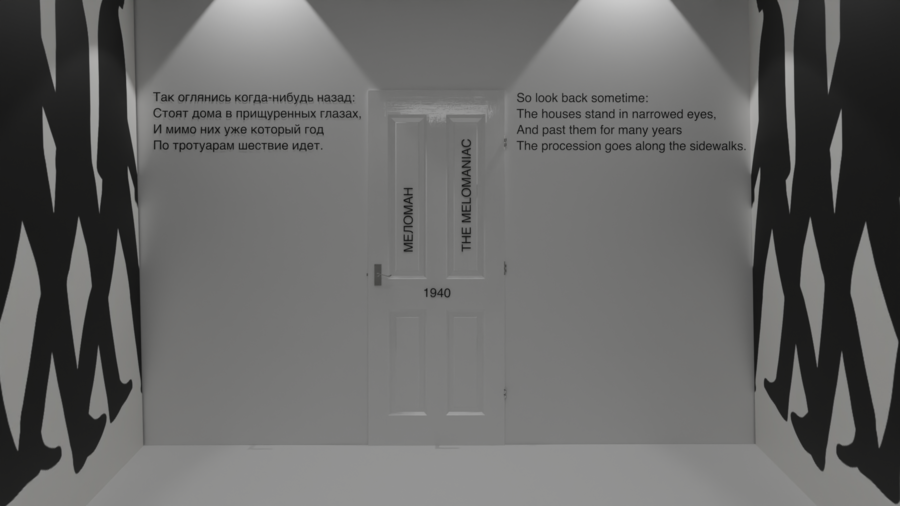


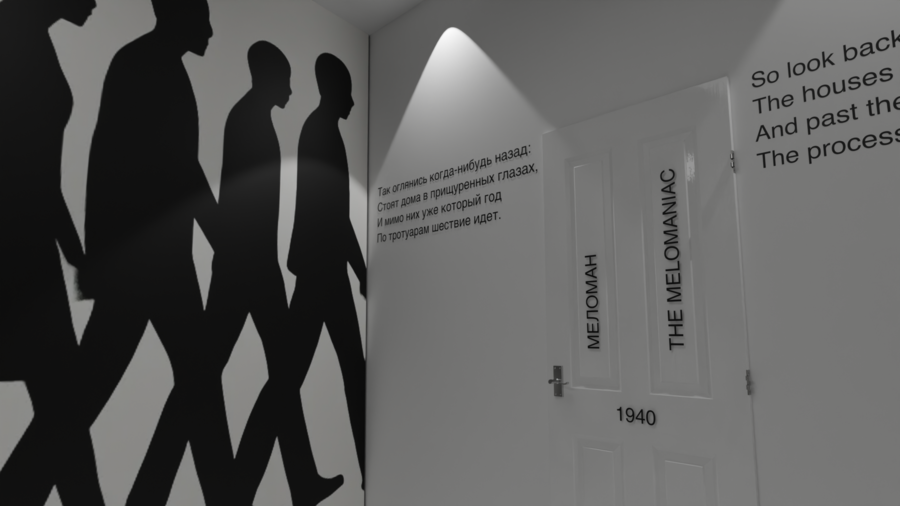
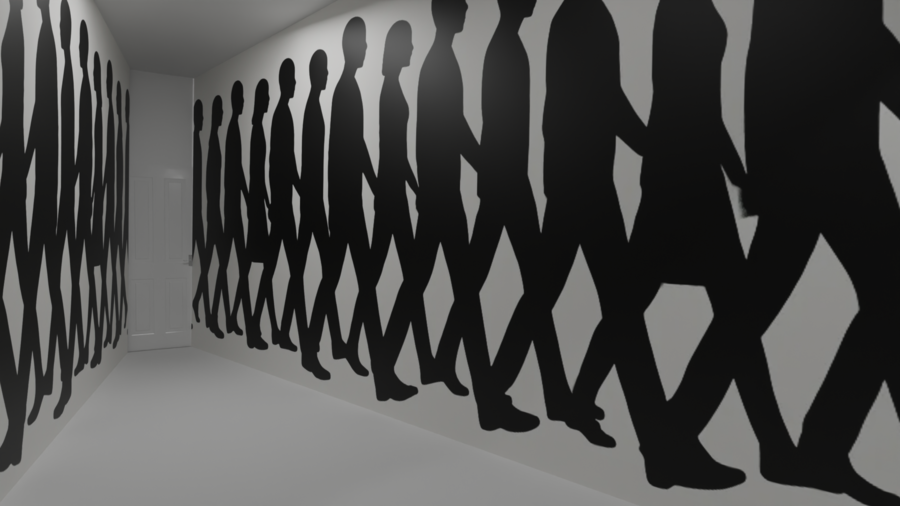
The Melomaniac. 1940 This is the hall that opens Brodsky’s first passion for music to the visitor.
— Dido’s Aria from Henry Purcell’s opera «Dido and Aeneas» is playing
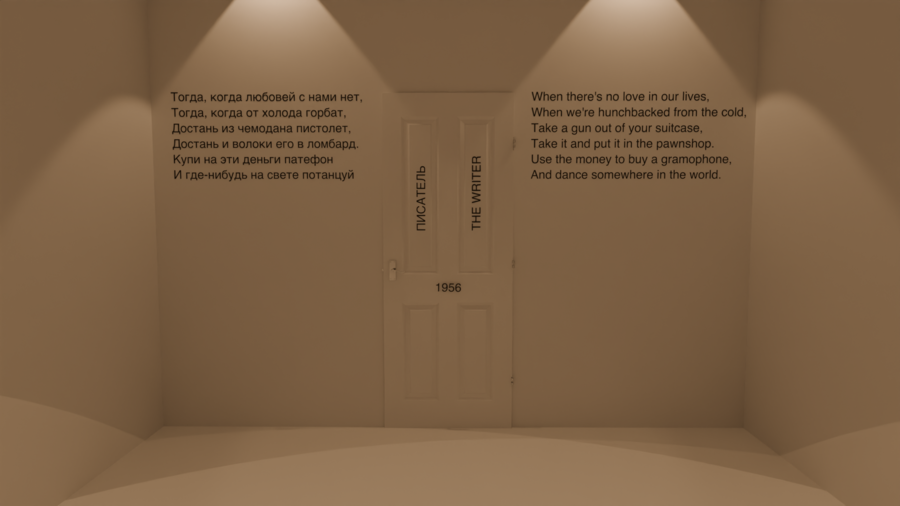
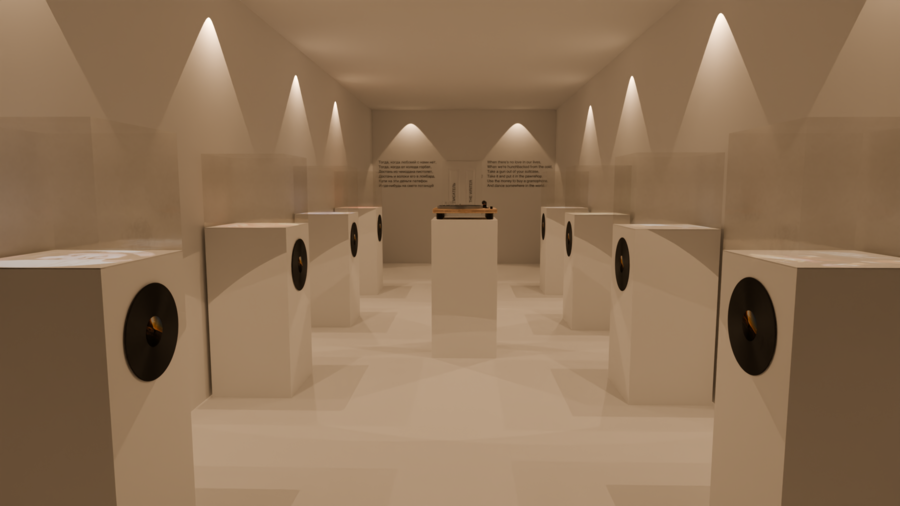
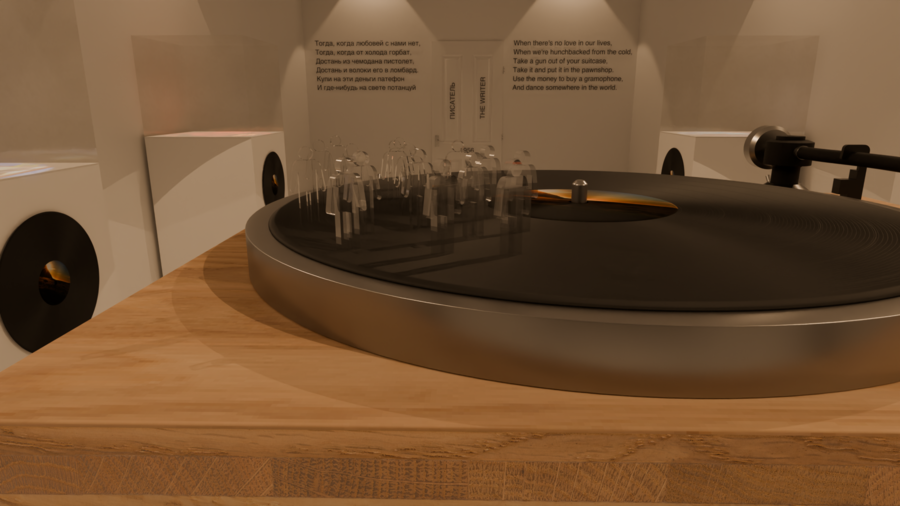

The Writer. 1956 This hall shows Brodsky’s next development as a poet and essayist.
— Rain sounds


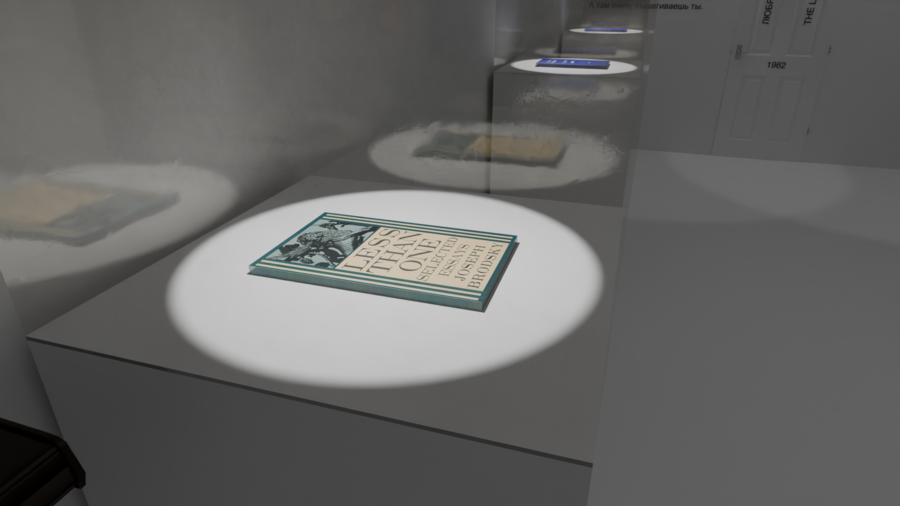

The Lover. 1962 This hall tells the visitor about the importance of love in Brodsky’s life, about meeting his first love in 1962 and about finding a family by the end of his life.
— Smells of women’s perfume; — An audio sketch of writing a love letter to Joseph sounds in the background
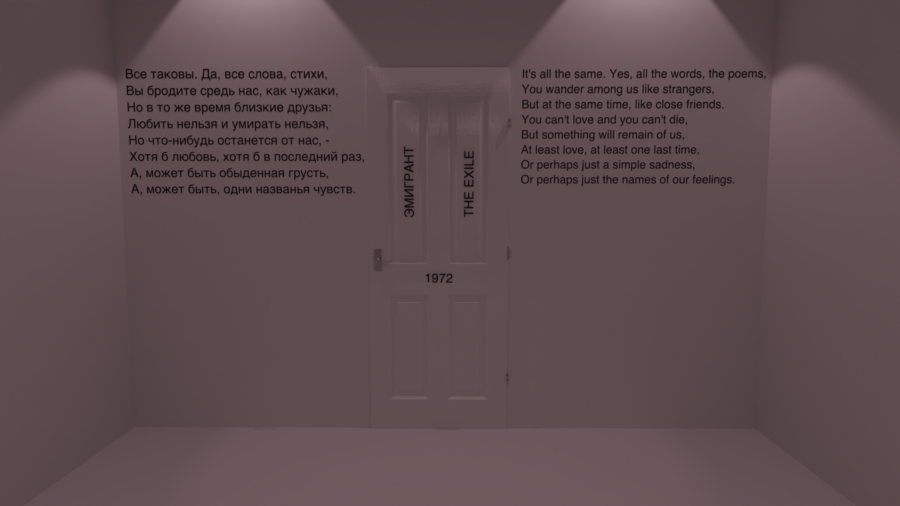
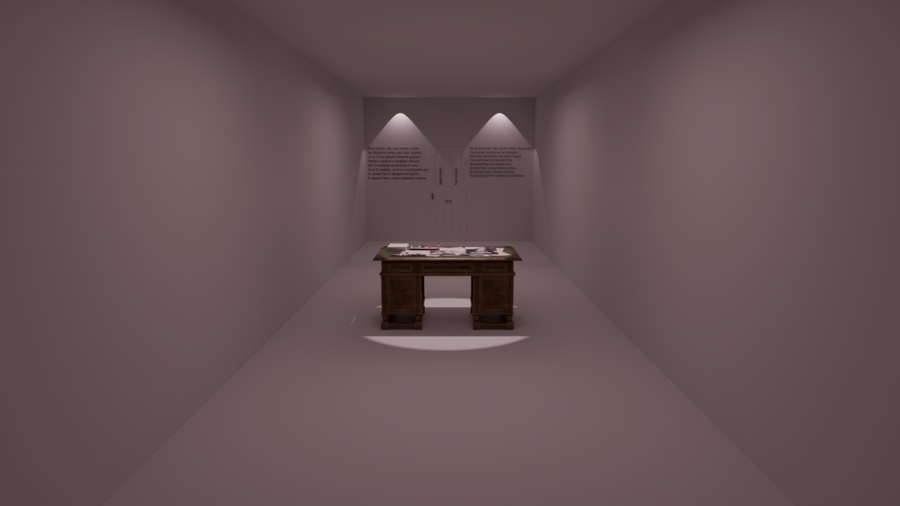
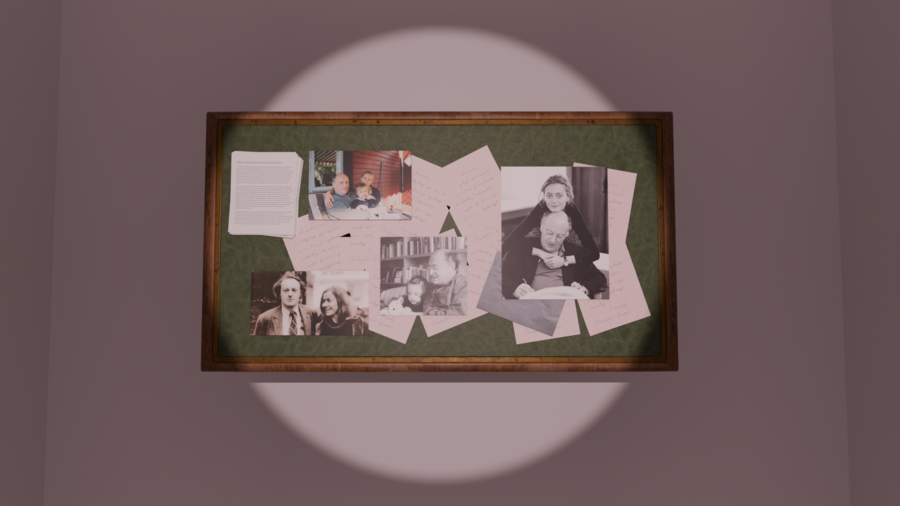
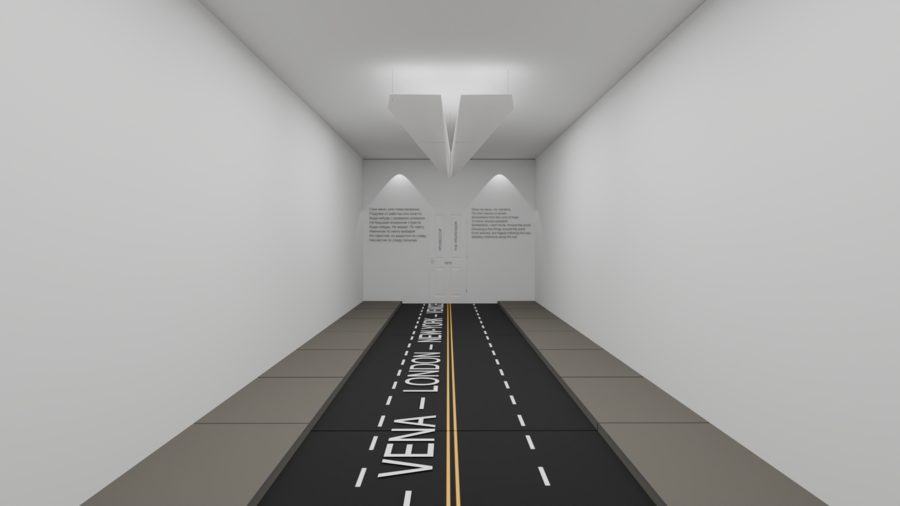
The Exile. 1972 The next hall represents a turning point in Brodsky’s life — his exile in 1972 and the beginning of the procession outside his homeland.
— A sound installation with planes taking off and airport sounds
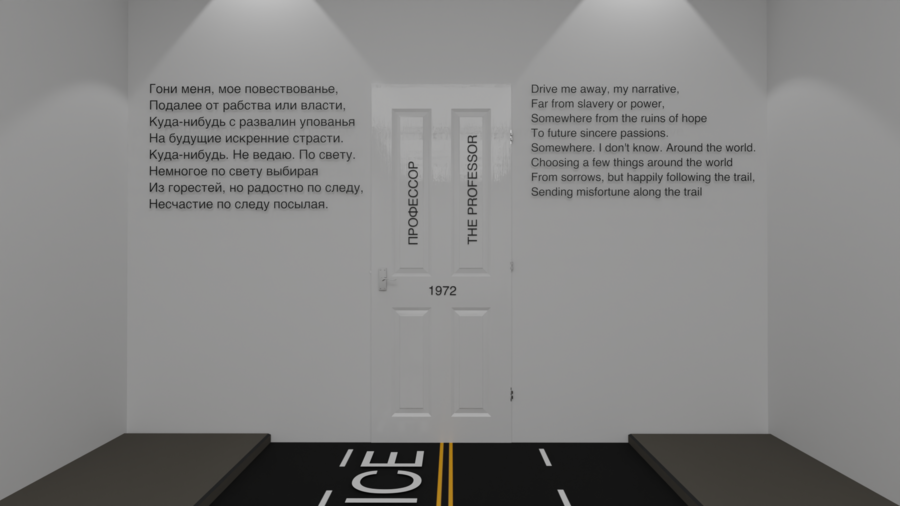
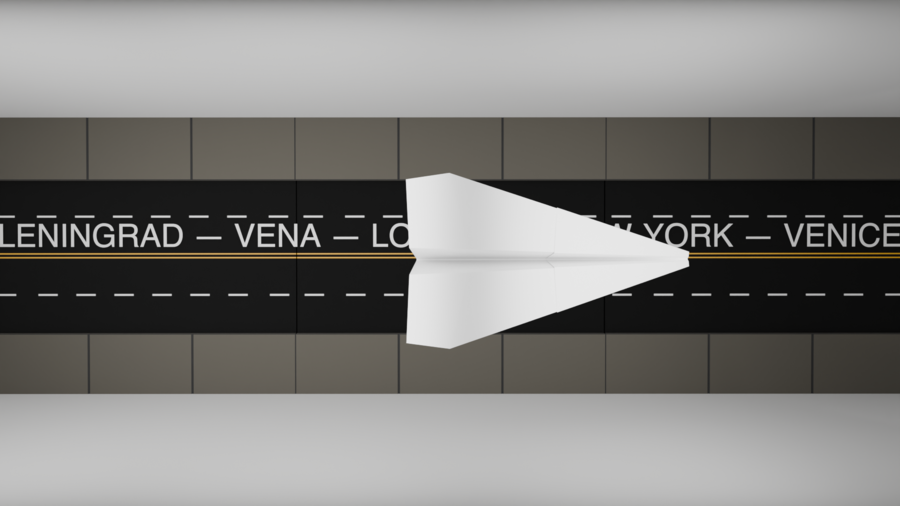
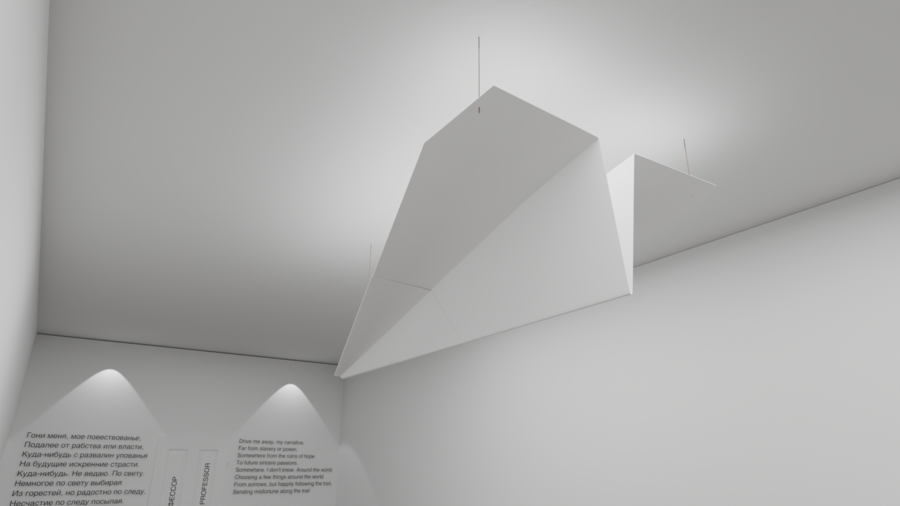

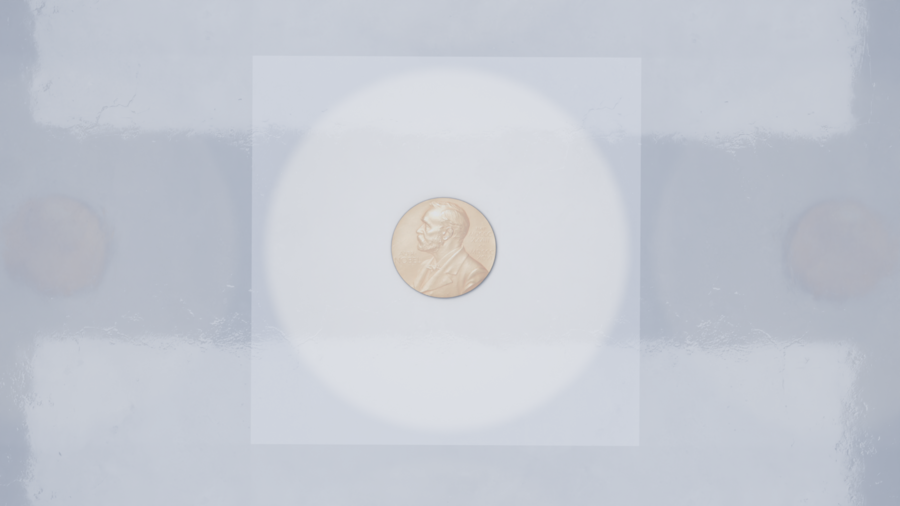
The Professor. 1972 This hall shows Brodsky’s integration into the academic life of the United States, that is, teaching at universities, which began in 1972.
— The sound of his Nobel lecture
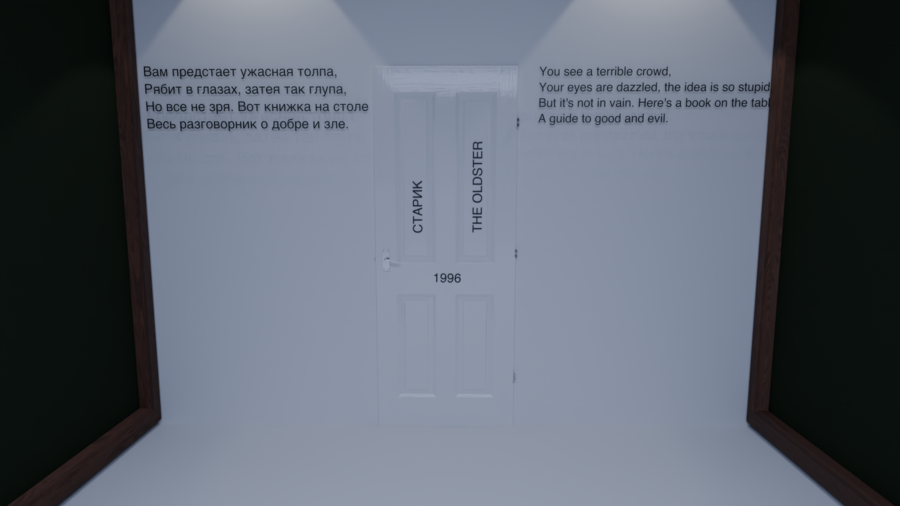
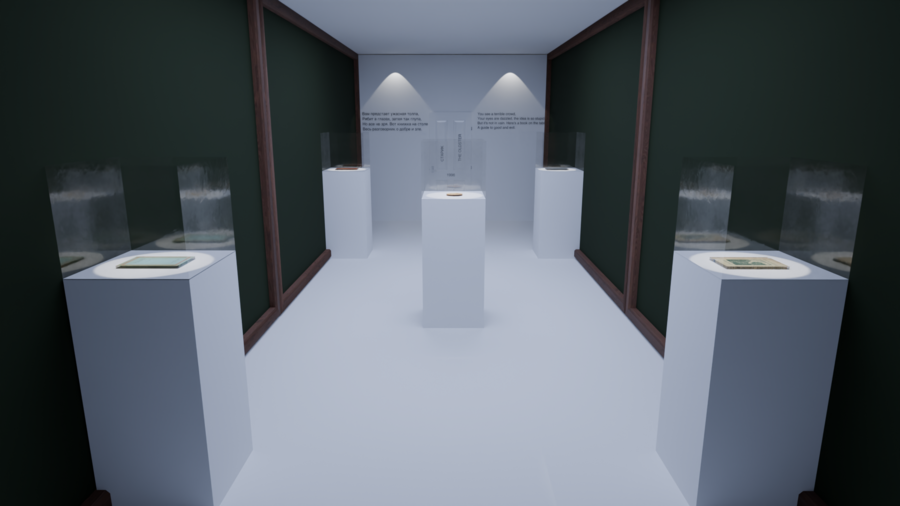
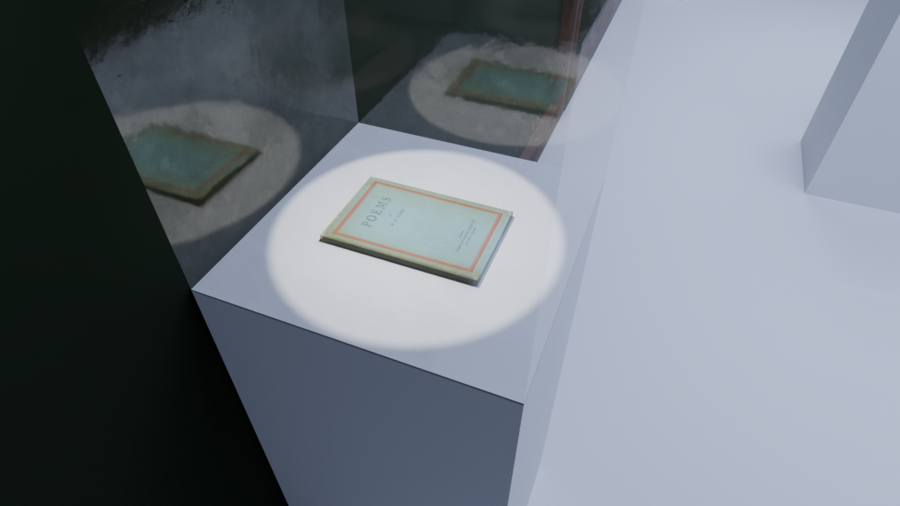
The Oldster. 1996 In this corridor, the visitor can observe the completion of Brodsky’s path, his old age and the slowing down of the procession.
— There is a smell of cigarettes in the hall; — A sound installation with cigarette puffing, cats meowing, and book flipping