Concept
Faced with apparent reality, humans often presuppose an alternative order: secret connections, spiritual forces, and unknown laws. Art gives form to this hidden world.
The study combines mysterious manuscripts, esoteric diagrams, original mythologies, painting, cinema, and video games. By comparing images, it examines how text, symbols, composition, and space create a sense of a complete, albeit partially accessible, reality.
What visual techniques are used to convey the concept of the world’s hidden structure, and how have these techniques evolved over time?
Hypothesis
The sense of a hidden world emerges from the combination of order and incompleteness: repeating forms suggest a system, while the partial explanation prompts the viewer to seek connections independently.
Navigation
1) Illegible script: the promise of hidden knowledge.
2) The world as a catalog: the unknown gains a system.
3) The world as a diagram: representing invisible connections.
4) The world as a myth: forces are given faces.
5) The world as space: crossing a boundary.
6) Comparative analysis.
7) Conclusion.
8) Bibliography and image sources.
Unreadable Letter: The Promise of Hidden Knowledge
The book allows us to perceive the world as something that can be described and explained. Lines, drawings, and recurring symbols create a sense of accumulated knowledge. When the writing is illegible, the organization of the pages continues to suggest an underlying order.
Voynich Manuscript
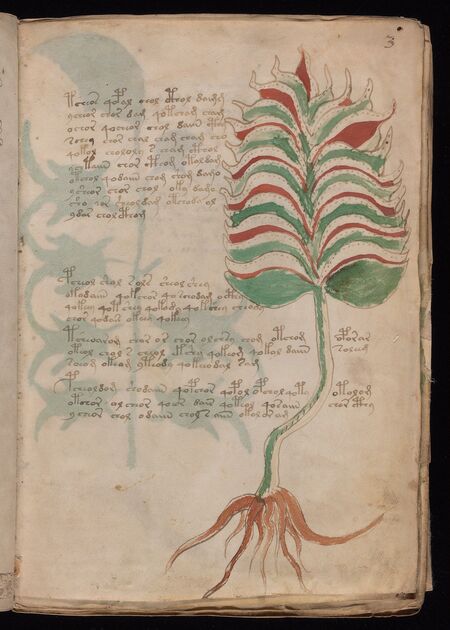
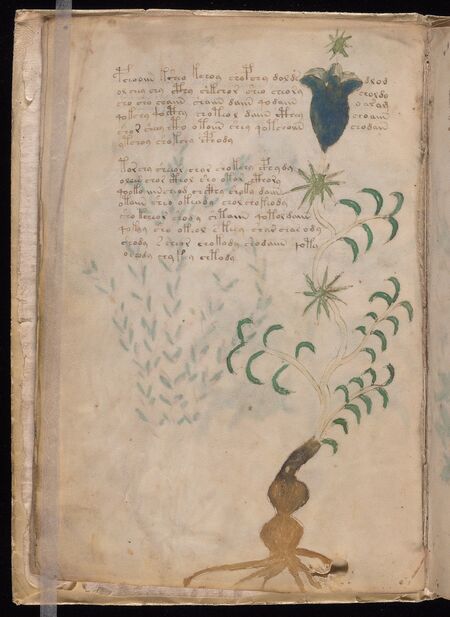
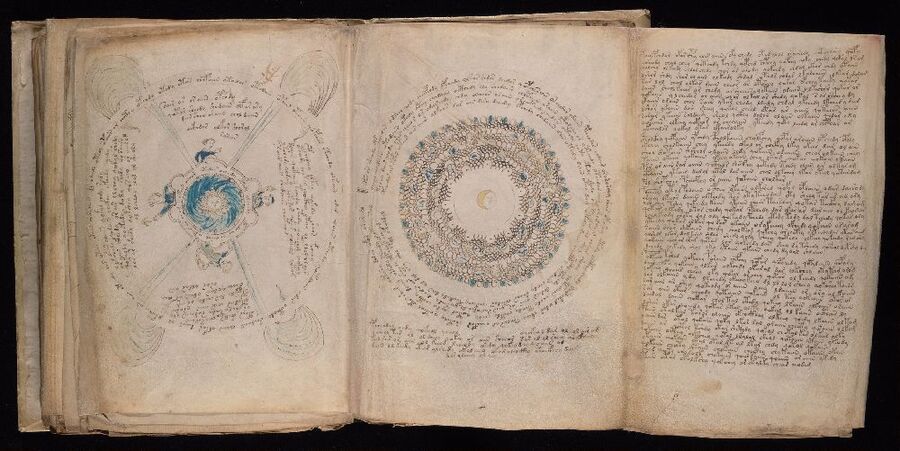
The Voynich Manuscript is an illustrated manuscript from the 15th century, written by an unknown author. It received its name from the bookseller Wilfrid Voynich, who acquired it in 1912. The manuscript contains images of nonexistent plants, celestial bodies, human figures, and complex circular diagrams. However, its text is written in a nonexistent or unknown language that has never been successfully translated.
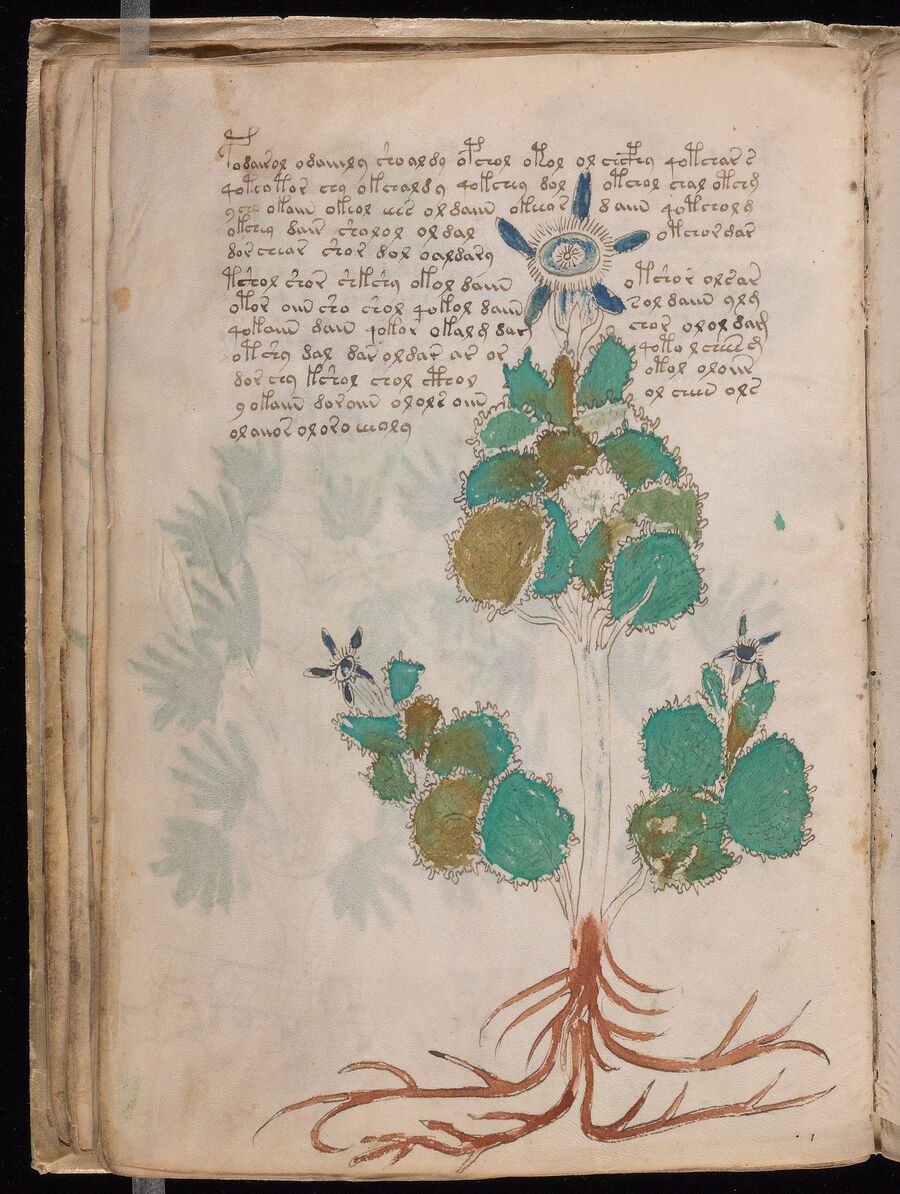
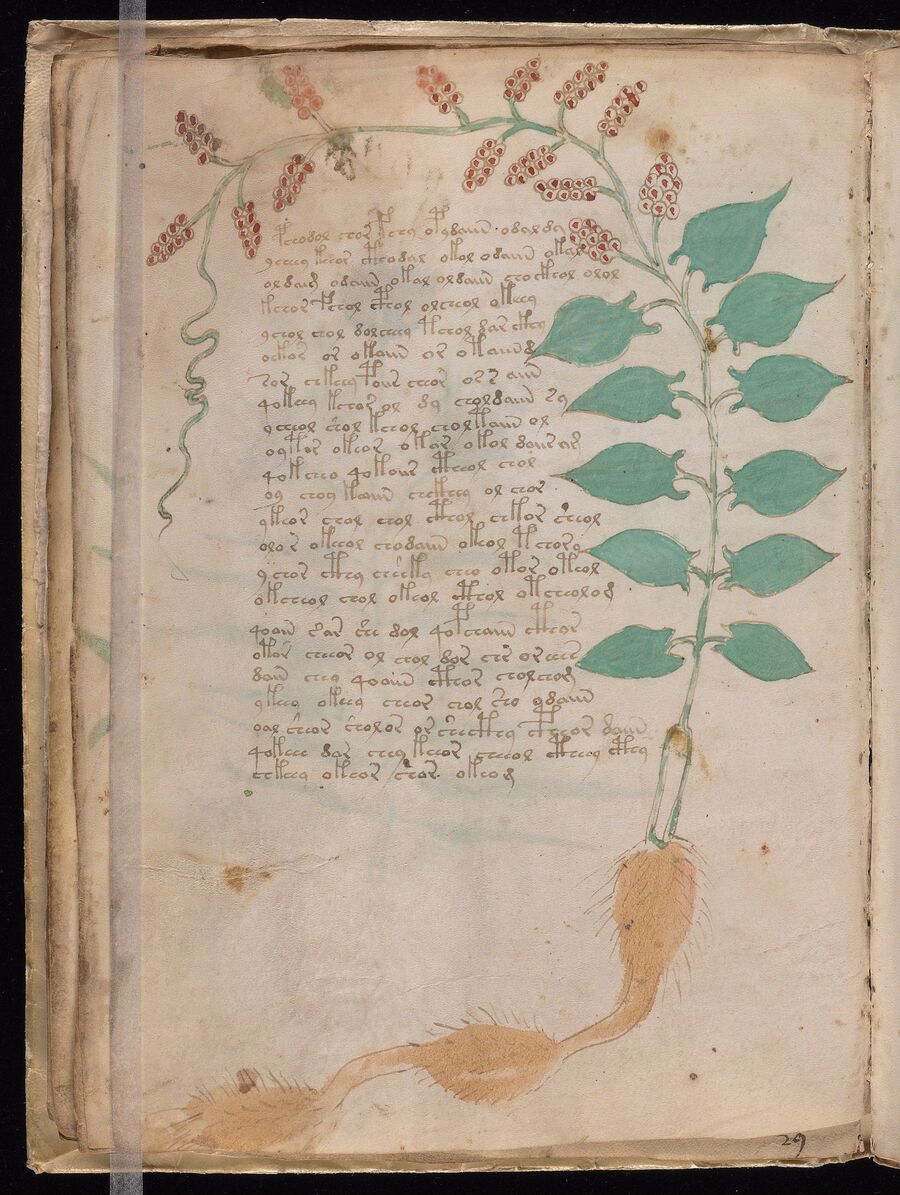
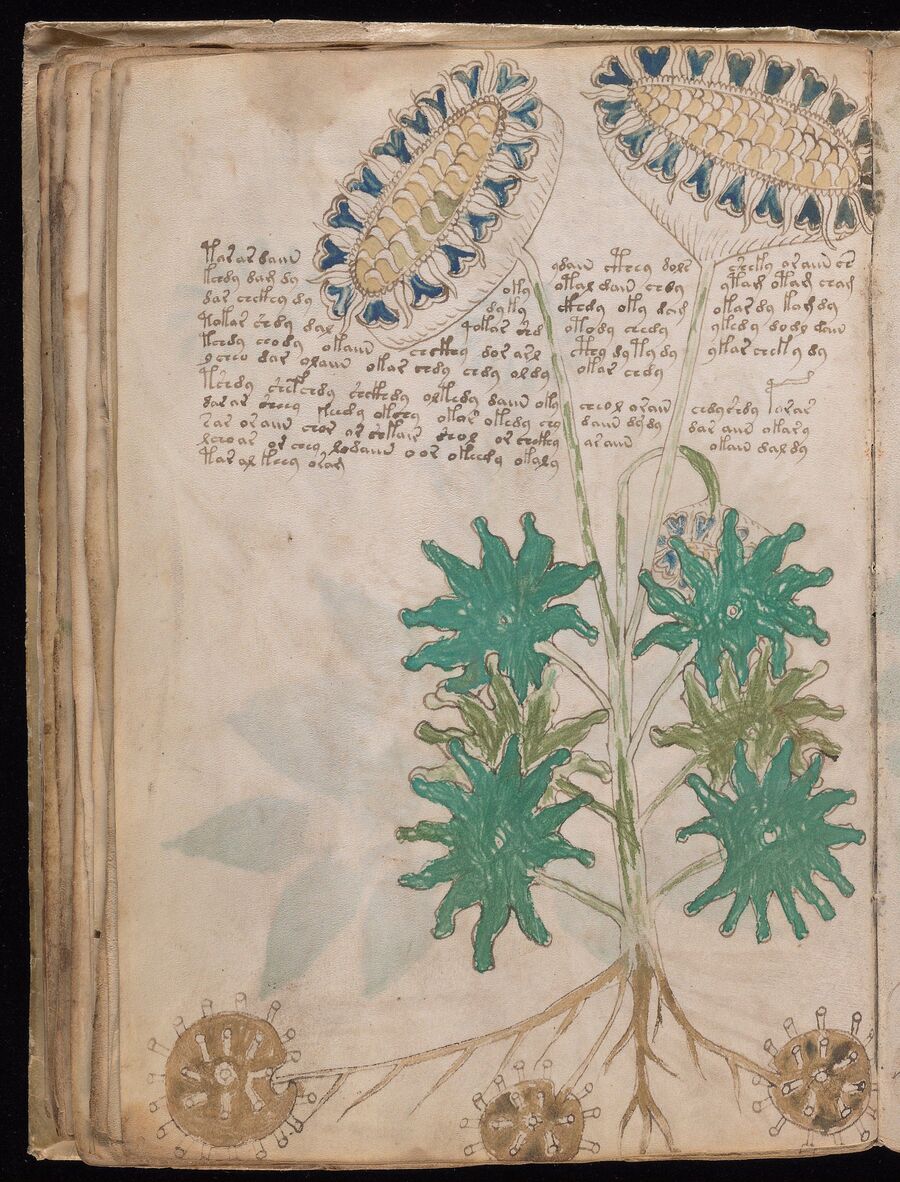
Plants are presented as individual specimens: a large illustration occupies the main part of the page, with notes arranged around it. The repetition of this composition is reminiscent of a systematic natural history description. The unknown script and the unusual shapes of the plants evoke a sense of knowledge of a world that only partially aligns with the familiar.
The drawing allows one to distinguish the roots, stem, and leaves, but the page’s purpose remains unclear. It could be describing the plant’s properties, its use, or its symbolic meaning. The illegible text leaves these possibilities open—the visible object becomes part of a knowledge whose boundaries and content cannot be determined.
The Rohon Third Age Codex
The Rohonczi Codex is a manuscript book featuring an unknown writing system and numerous small illustrations. The title relates to the town of Rohonc, where the book was part of the Battiani family collection. In 1838, along with this collection, it entered the Hungarian Academy of Sciences. The origin of the manuscript and the content of its text have not been definitively established.
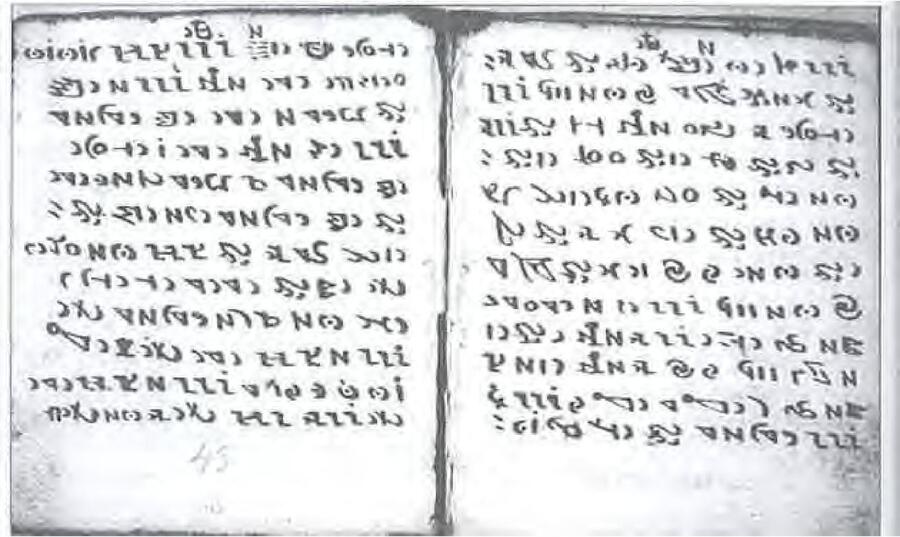
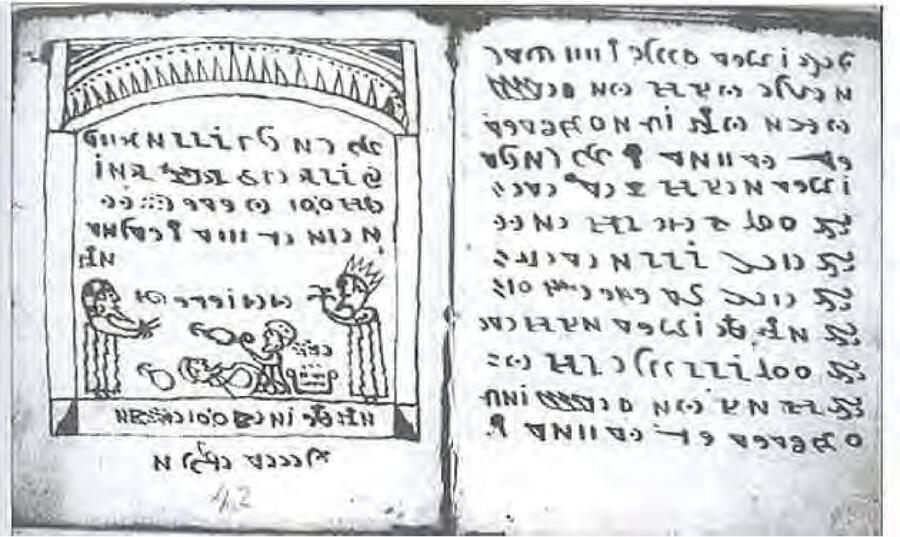
Unlike individual works by Voynich, the Rohonci images are constructed as scenes: figures interact, make gestures, and are situated within an architectural or conceptual space. Recurring details connect the episodes together. This creates the sense of a unified narrative that the images only partially reveal.
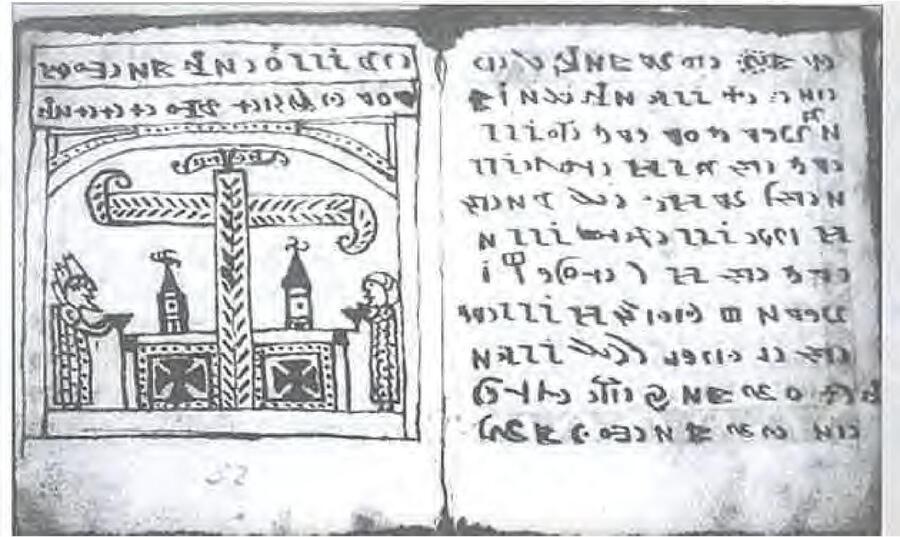
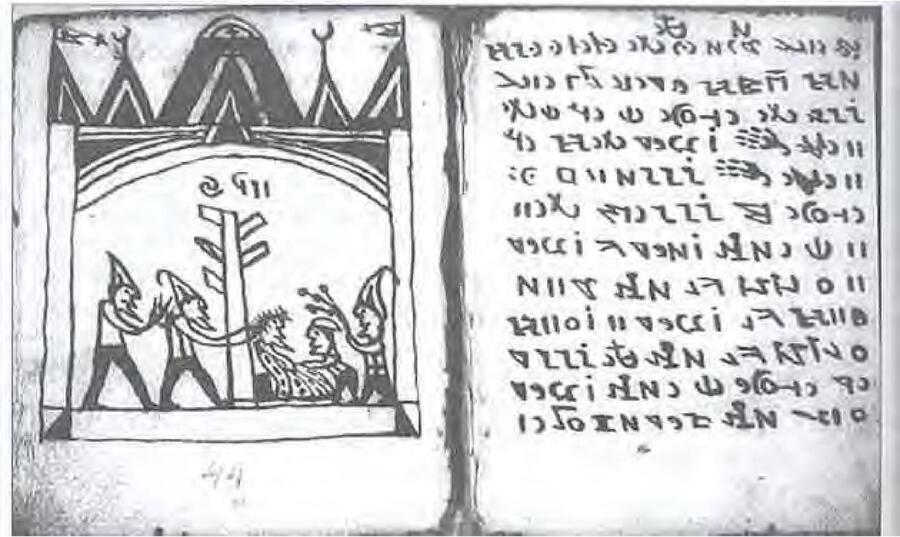
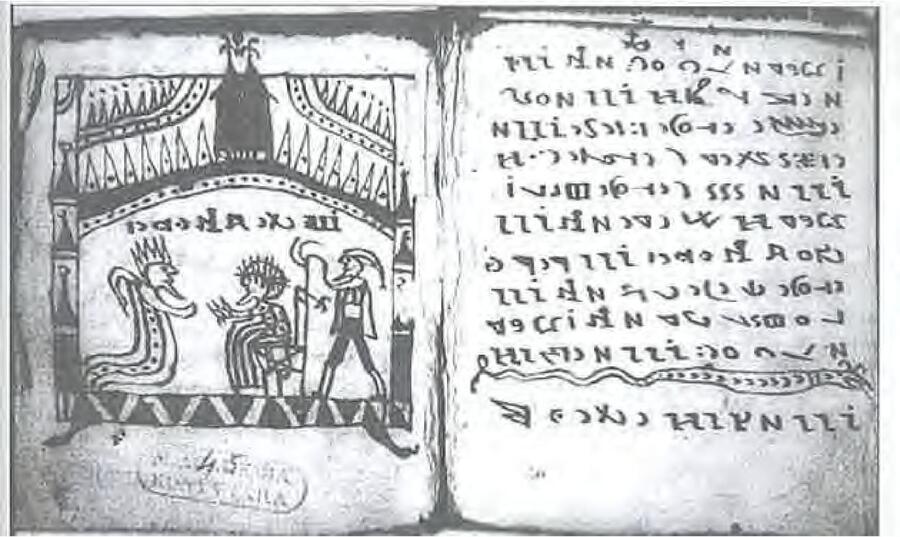
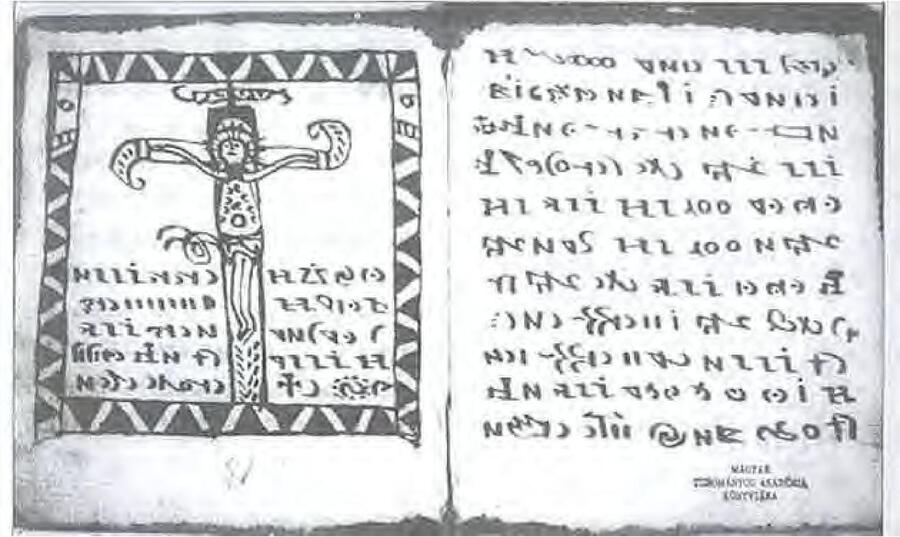
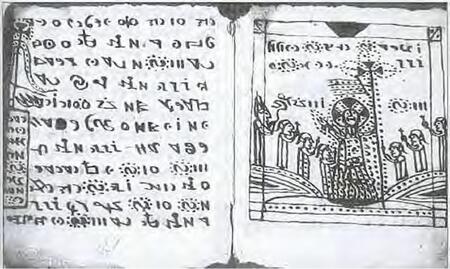
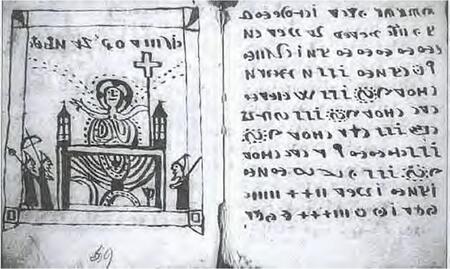
The frames separate the scenes from the dense lines of text, giving them the appearance of independent episodes. Yet, the images occupy only a small portion of the spread—the majority of the content remains embedded within the typography. This ratio creates the impression that the visible events are mere fragments of a more complex order, the explanation of which is concealed within the text.
«The History of Monsters» Ulysses Aldrovandi
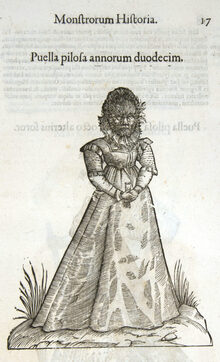
«History of Monsters» is an illustrated work published in 1642 following the death of Italian naturalist Ulysse Aldrovandi. The book compiles images of unusual human and animal forms, congenital characteristics, and fantastic creatures. Observations and accounts of legendary beings are included in the general description of nature’s diversity.
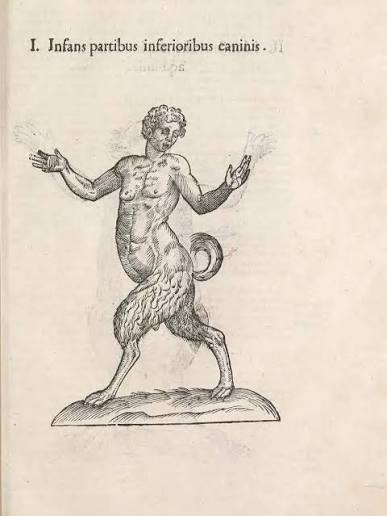
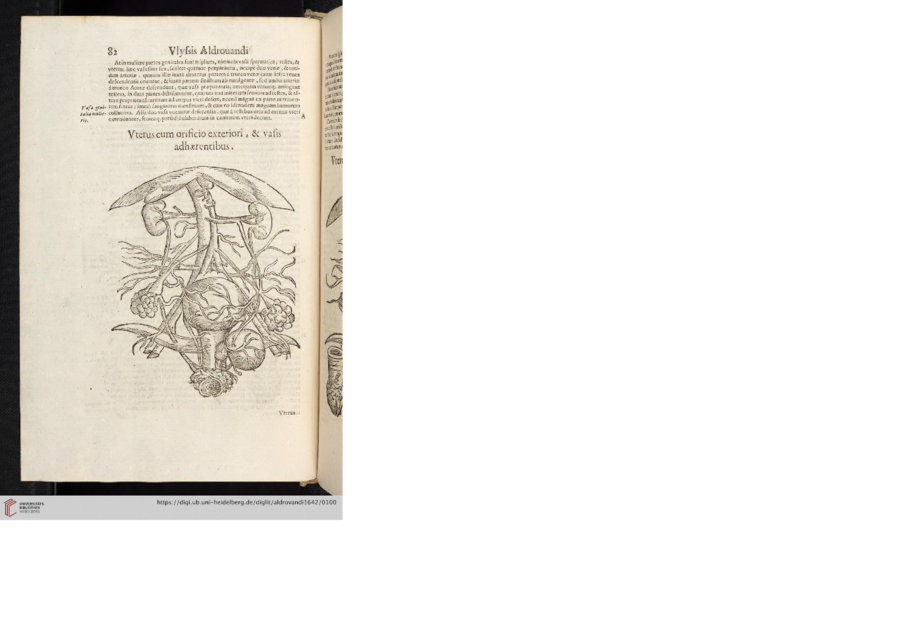
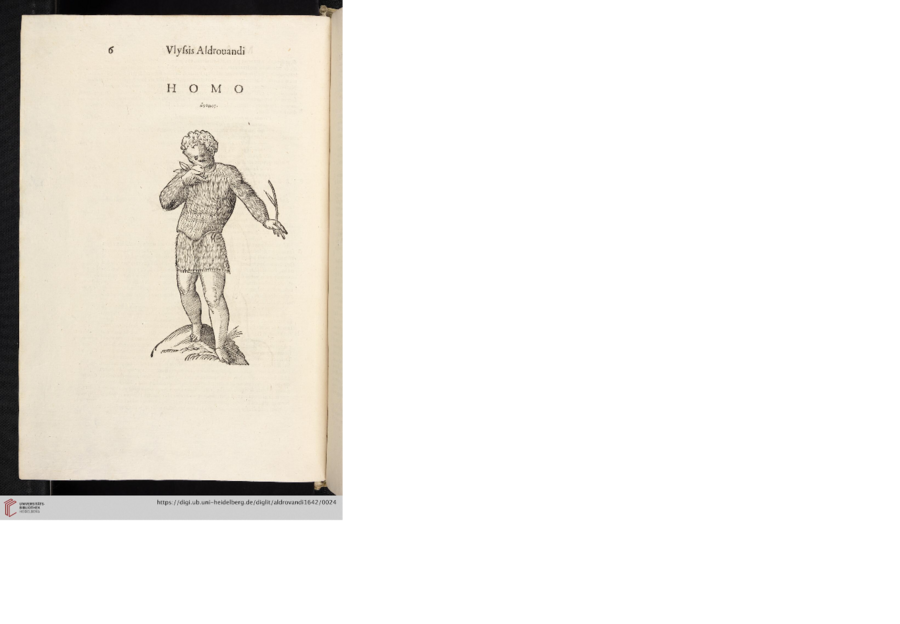
Combining familiar elements makes the unknown accessible for comparison. A novel organism is cataloged through its similarities and differences with other life forms. Thus, the boundaries of nature expand—its description accommodates beings that exist beyond everyday experience.