Concept
Arthur Borsov writes about Lee Chang-dong’s films: «In the hard everyday life of poor people, there is always room for a miracle» [Borsov, 2026].The goal of this research is to find the techniques Lee has used in his films for thirty years. First he removes the line between reality and the characters’ world, so we feel fully inside the story. Then, quietly and unexpectedly, he breaks it.Critic Kim Young-jin says Lee’s films are melodramas in structure but realistic in style [cited in: Raymond, 2010]. The editing gives us no break, so we live through the situation together with the character. But I don’t think a real person could survive the emotional pressure these characters feel.I wanted to explore this exact moment: the point where we move from reality into imagination together with the character. This is where a visual paradox appears.The research goes step by step from reality to imagination. It starts with long shots and a shaky camera that pull us into the story. Next is the camera’s point of view: through the car windshield, through the characters’ eyes as they look at the sky, and a camera that looks right at us. After that come mirrors, imagination, memories and dreams. Then the emotional limit, where the characters undress under the open sky. At the end are the actors’ faces, where you can see this tension even more clearly than in the light or the editing.
I. Reality
In Lee’s films, reality is never neutral. He pushes it to the limit: he raises the tension, keeps the camera on what we want to look away from, and shows everything unpleasant.
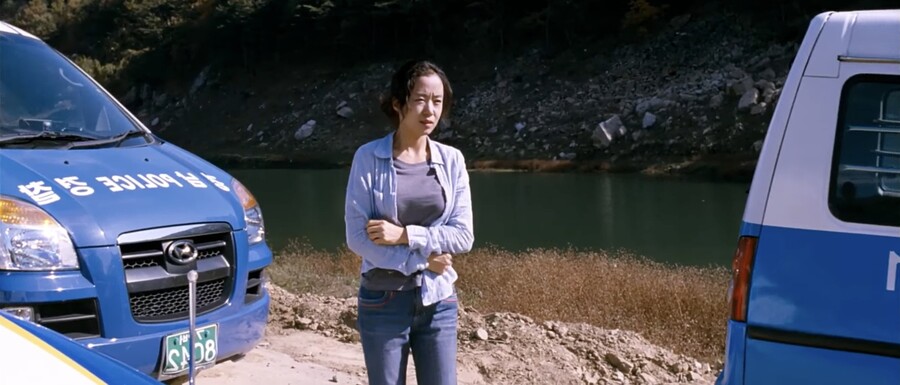
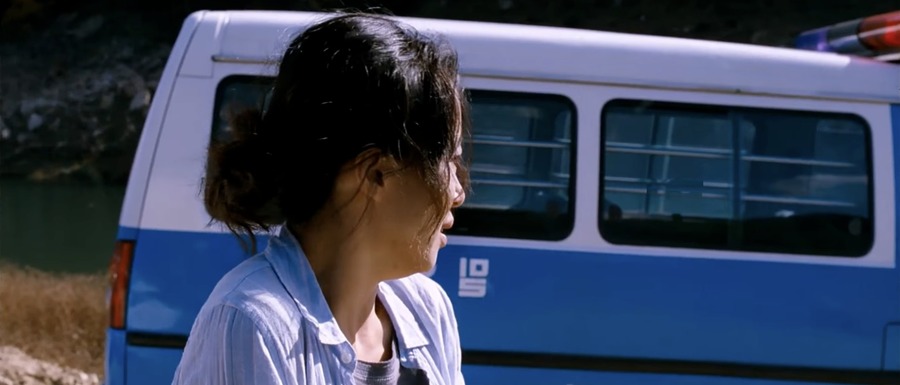
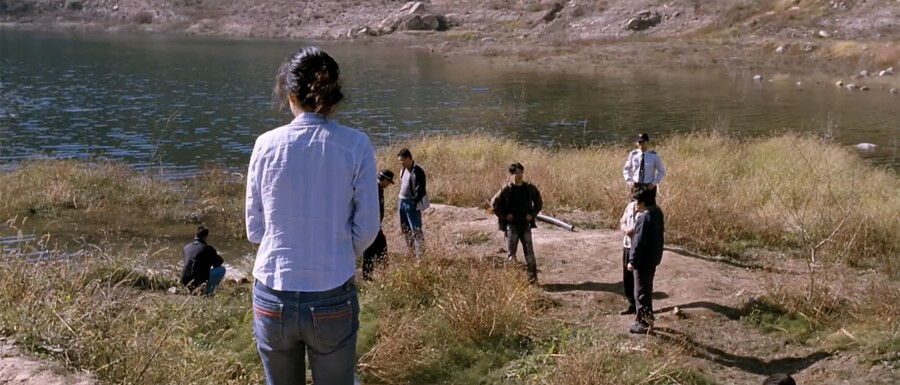
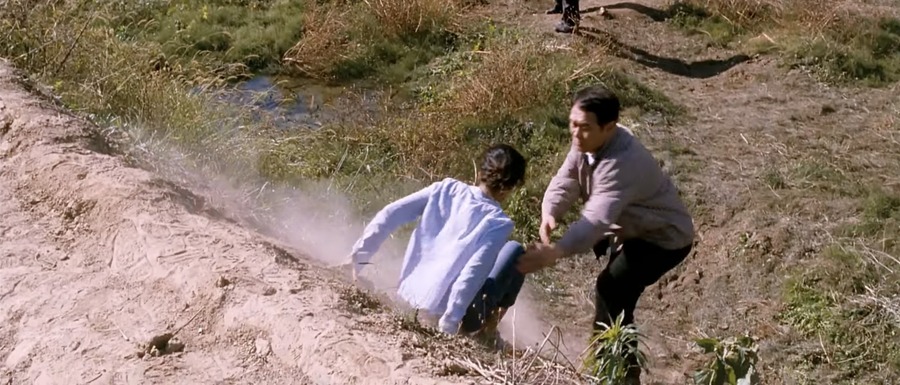
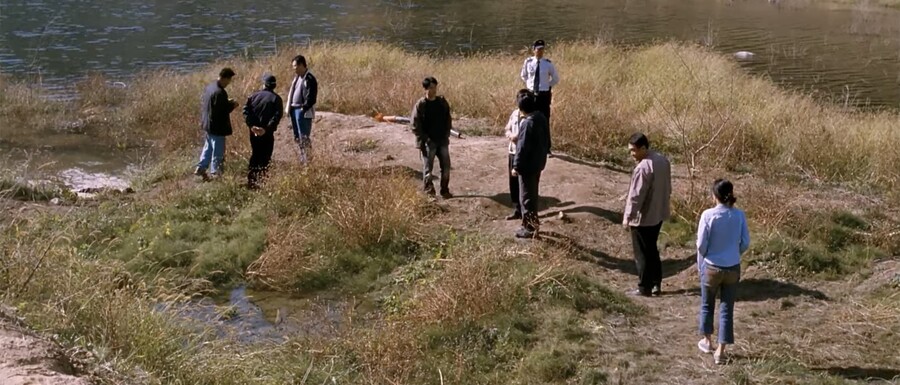
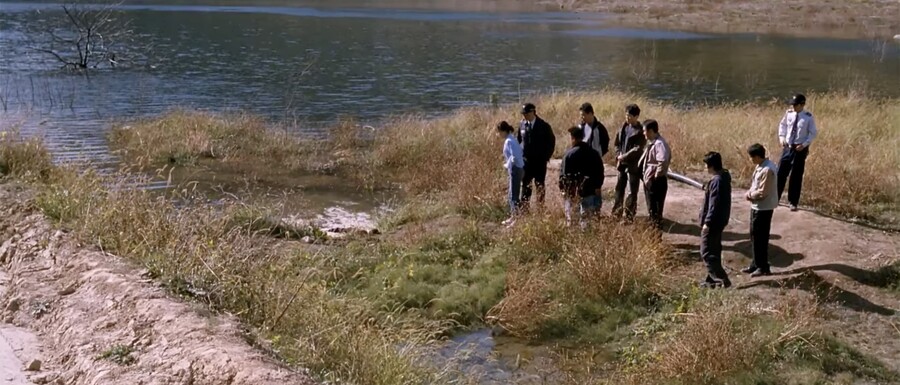
In «Secret Sunshine, ” Lee uses long takes in the hardest moments. This is clearly a deliberate choice, close to Kenji Mizoguchi’s „Ugetsu“ (1953), where scenes last several minutes. A long take makes us live through the horror of reality, because the editing gives us nowhere to hide. There are no cuts, so it feels as if we are standing there ourselves, watching something terrible happen. This is how Lee films the mother’s grief at the reservoir where her son’s body was found.
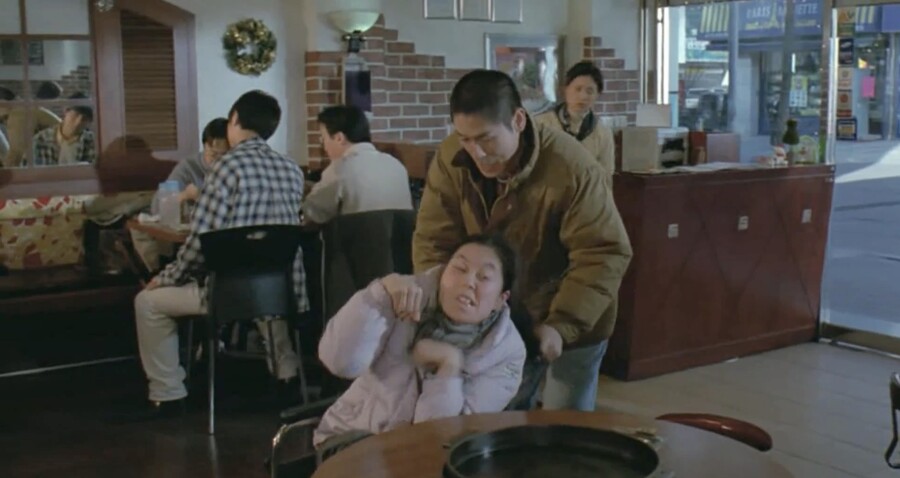
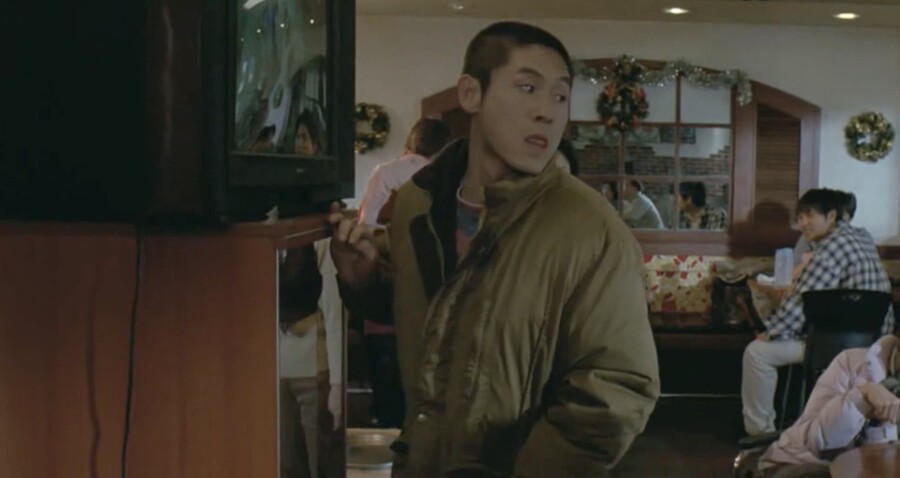
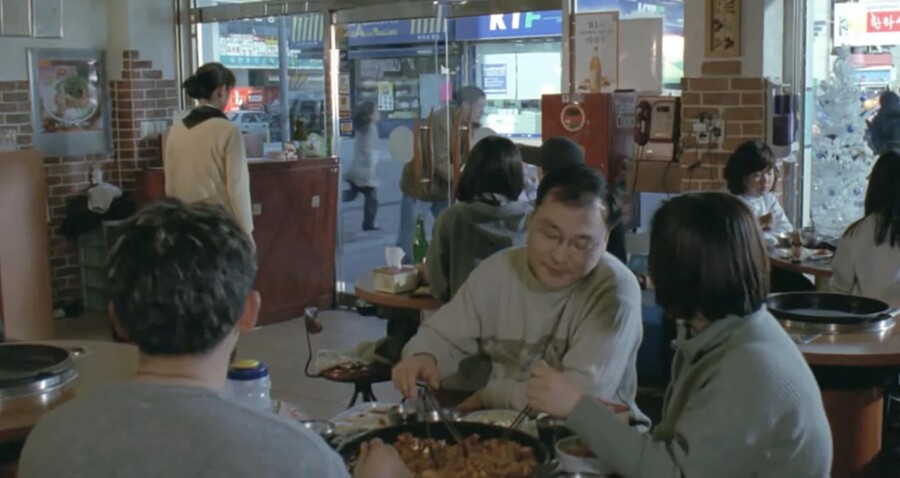
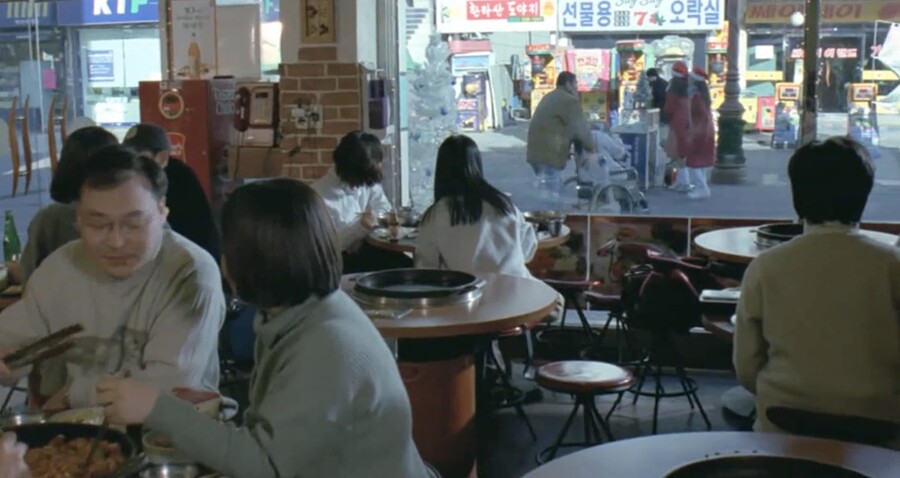
We see the same technique in «Oasis.» Jong-du brings Gong-ju to a restaurant, but the looks from the customers and the waitress are so unbearable that he can’t take it and leaves with her. The camera, though, stays inside. Through the window we watch him push her wheelchair down the street, and we wish we could leave with them.
This shot from «Peppermint Candy» shows a technique Lee often uses for contrast. The shaky, documentary-style camera suddenly switches to a still, wide shot. This changes how we feel the moment. When the camera is close and moving, we feel the emotion. From a distance, we can see the whole situation without getting lost in feelings.
II. Camera’s view
Shooting through the windshield seems to be Lee’s most repeated angle: it appears in every one of his films.
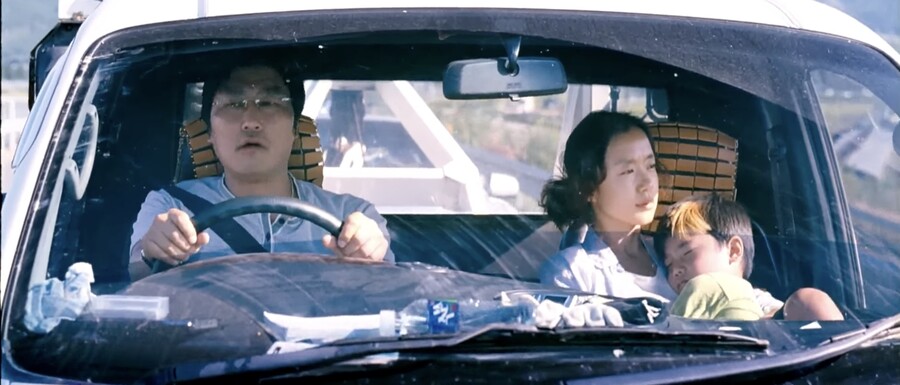
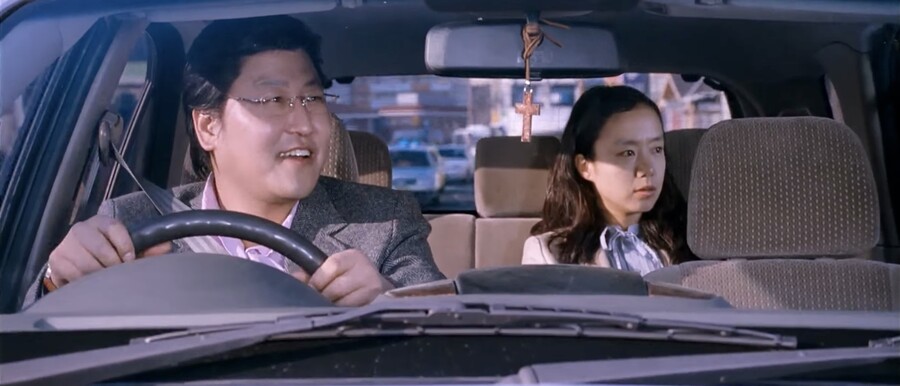
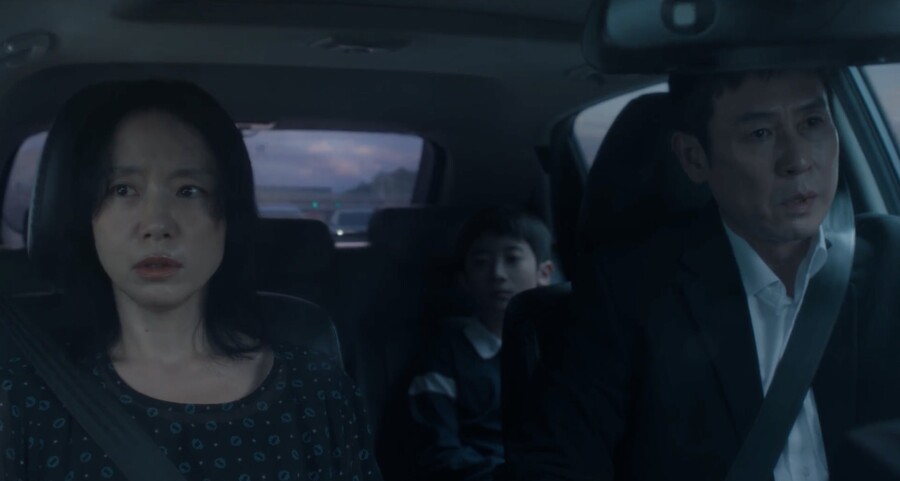
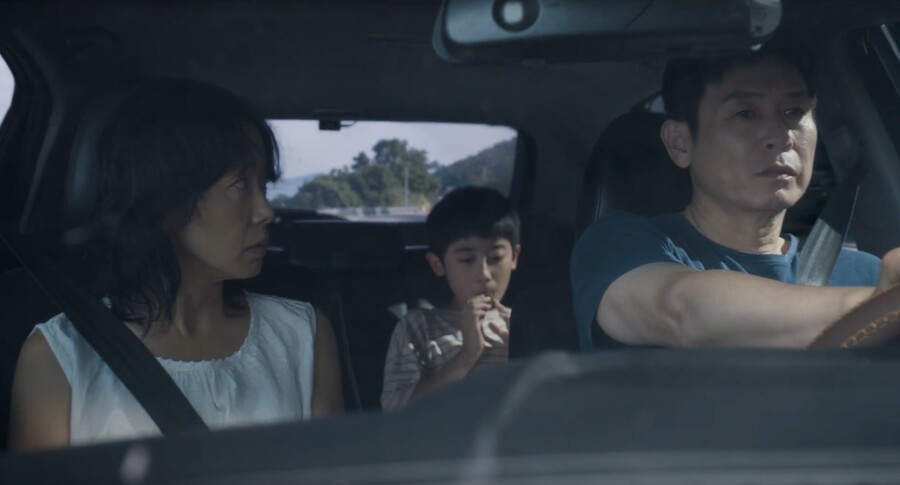
In «Secret Sunshine,» the shots form a loop. At the beginning we see the road to Miryang with the child in the car. Later we see the same road again, but without the child, and with a cross hanging from the mirror.Lee’s new film «Possible Love» has the same kind of frame. At the beginning, the family drives away from home to meet their new «friends,» and at the end they drive back home.
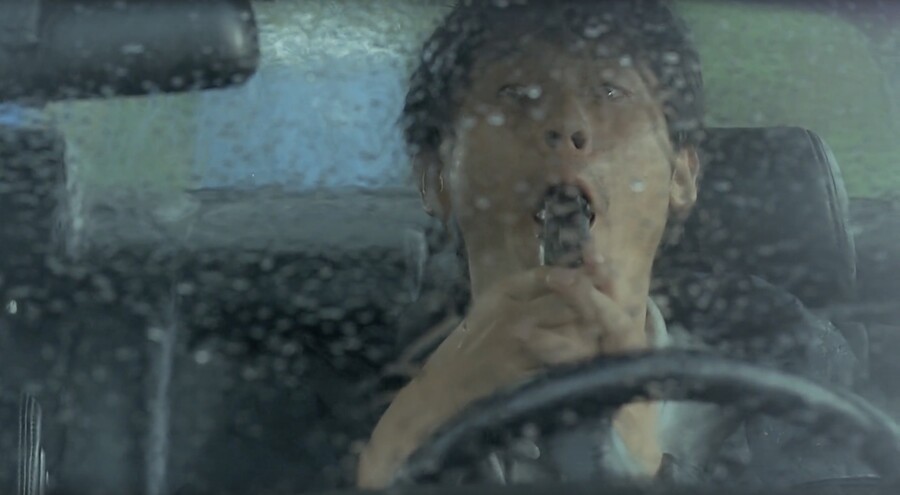
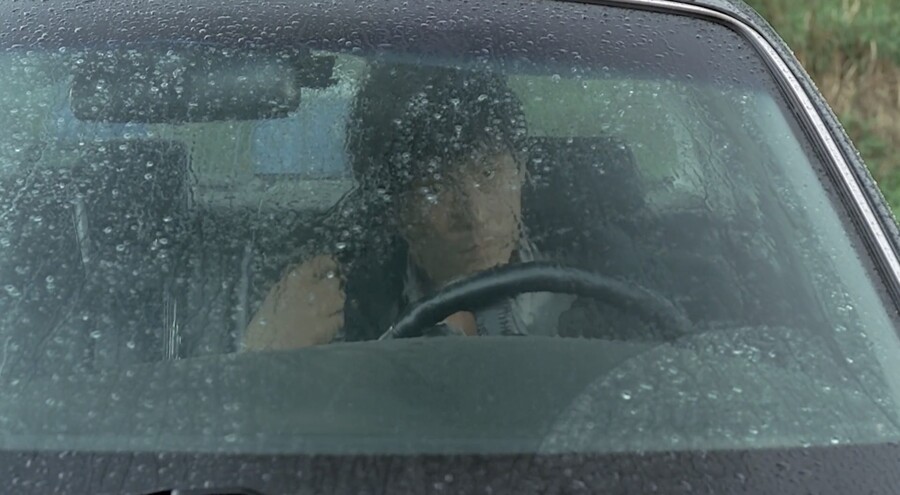
Lee also uses the windshield shot for his most emotional scenes. At the end of «Burning,» Ben’s car is on fire, and we see the flames through a wet windshield, from an angle we already know.
Sometimes the camera becomes a character’s eyes, to make a reference or to draw our attention to something important. But not every character is given this role.
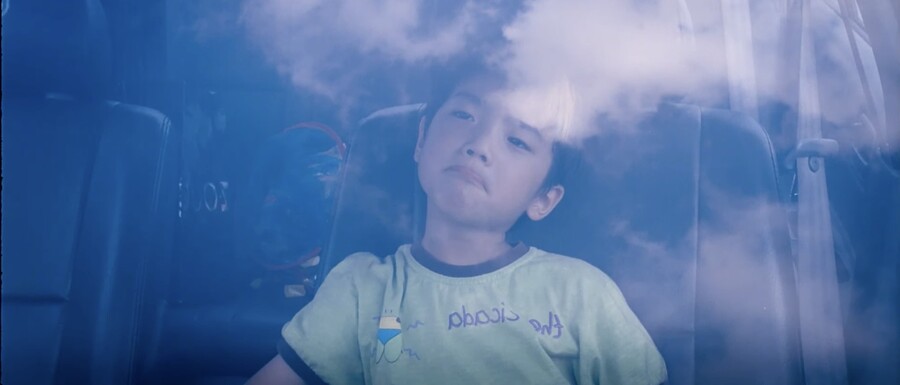

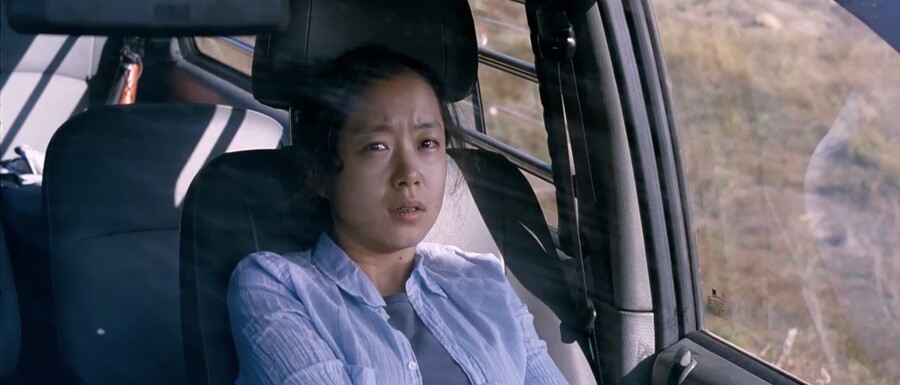
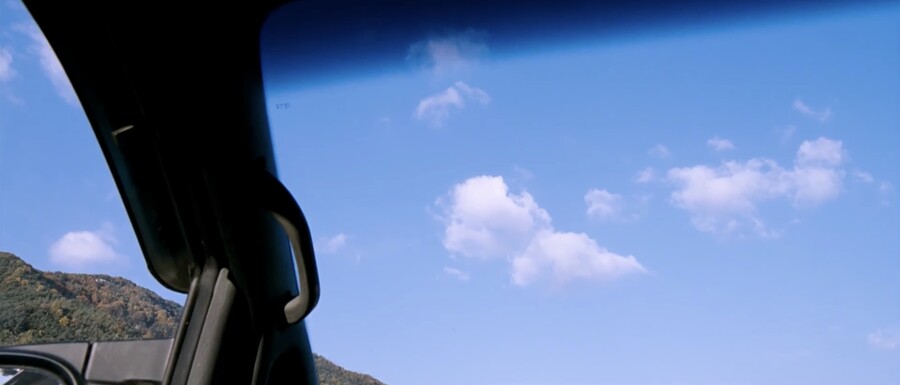
The loop in «Secret Sunshine» that I wrote about above comes back through this technique too. Before she sees her son’s body, Shin-ae looks at the sky from the car, just as Jun did at the very beginning of the film.
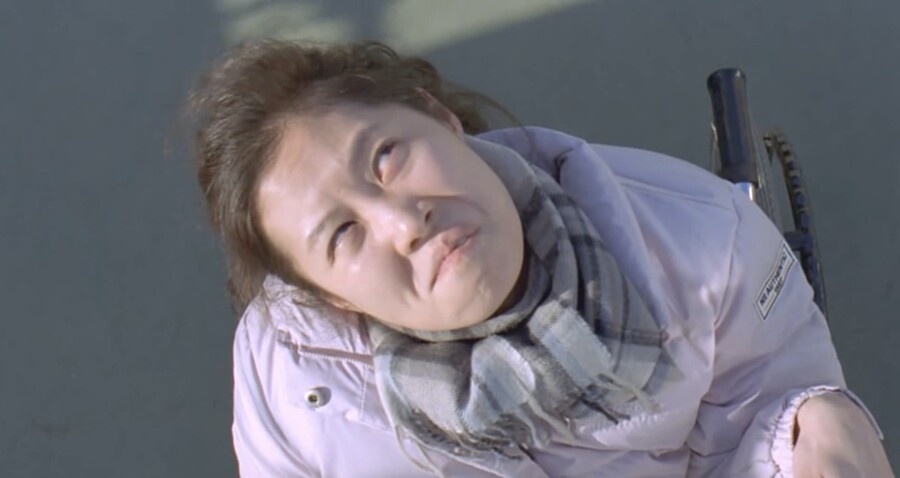

In «Oasis, ” we often see the world through Gong-ju’s eyes. She can’t speak, so this is the only way for the viewer to understand her better.