The Body as Anagram: Transforming the Human Image in Hans Bellmer’s Artistic Practice
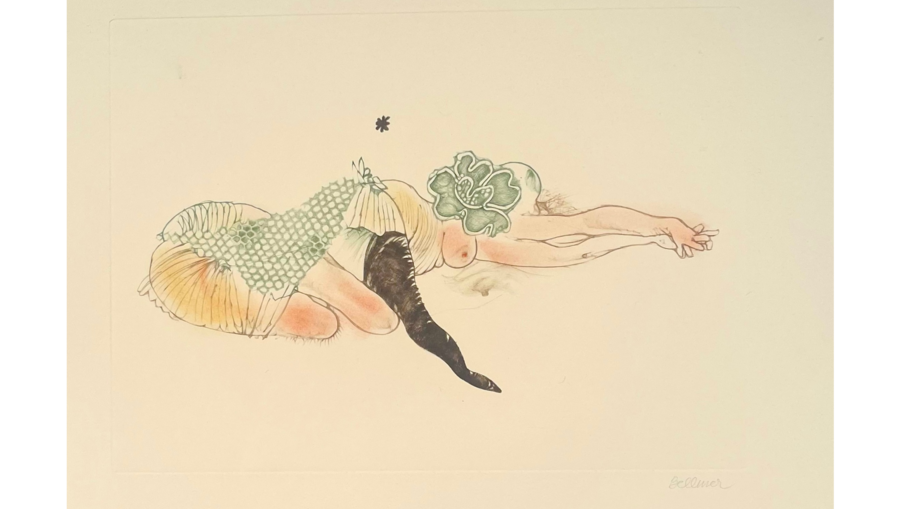
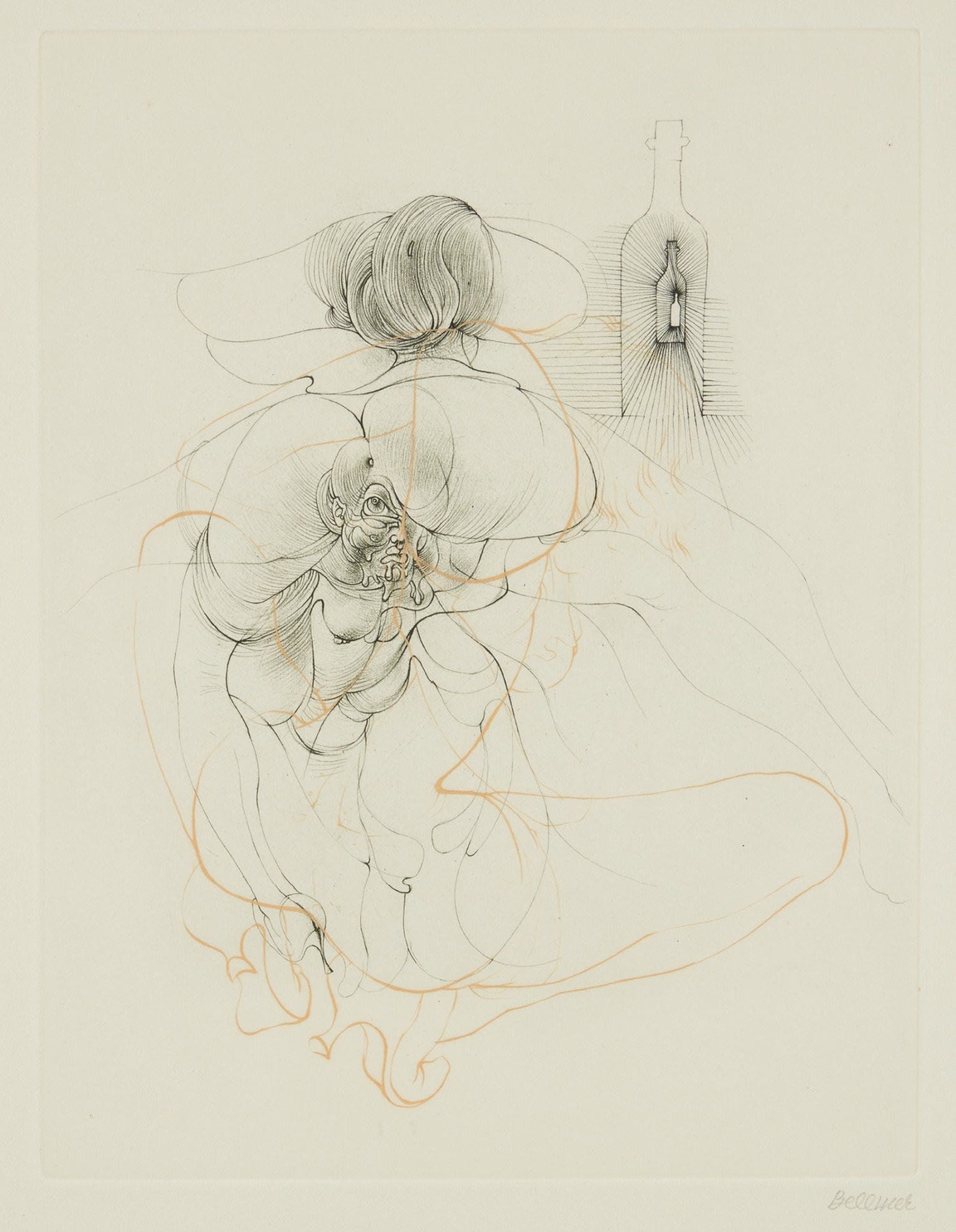
Hans Bellmer / Untitled / 1972
Categories.
- Hans Bellmer.
- Research Concept.
- First Doll. 1933–1934.
- Second Doll. 1935–1938.
- Graphics Experiments. 1939–1948.
- Theory. 1949–1959.
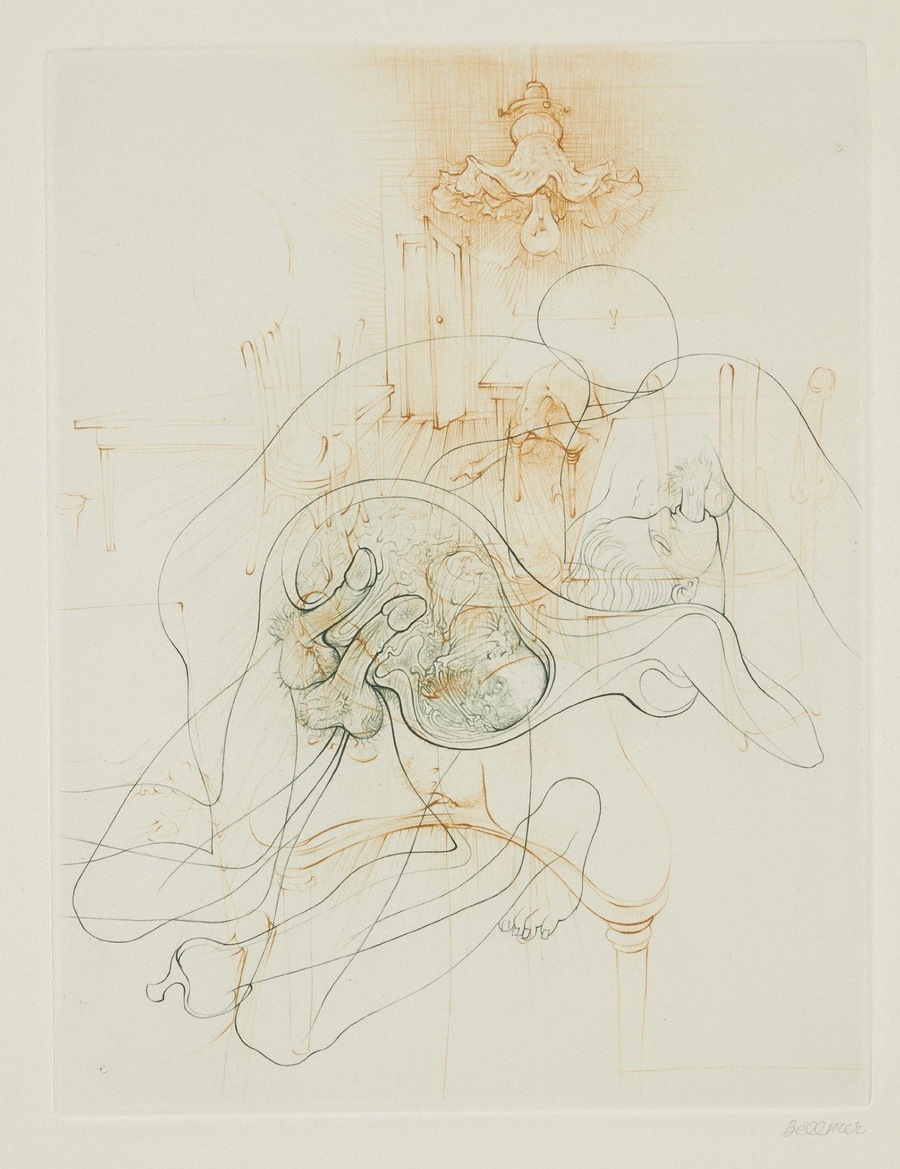
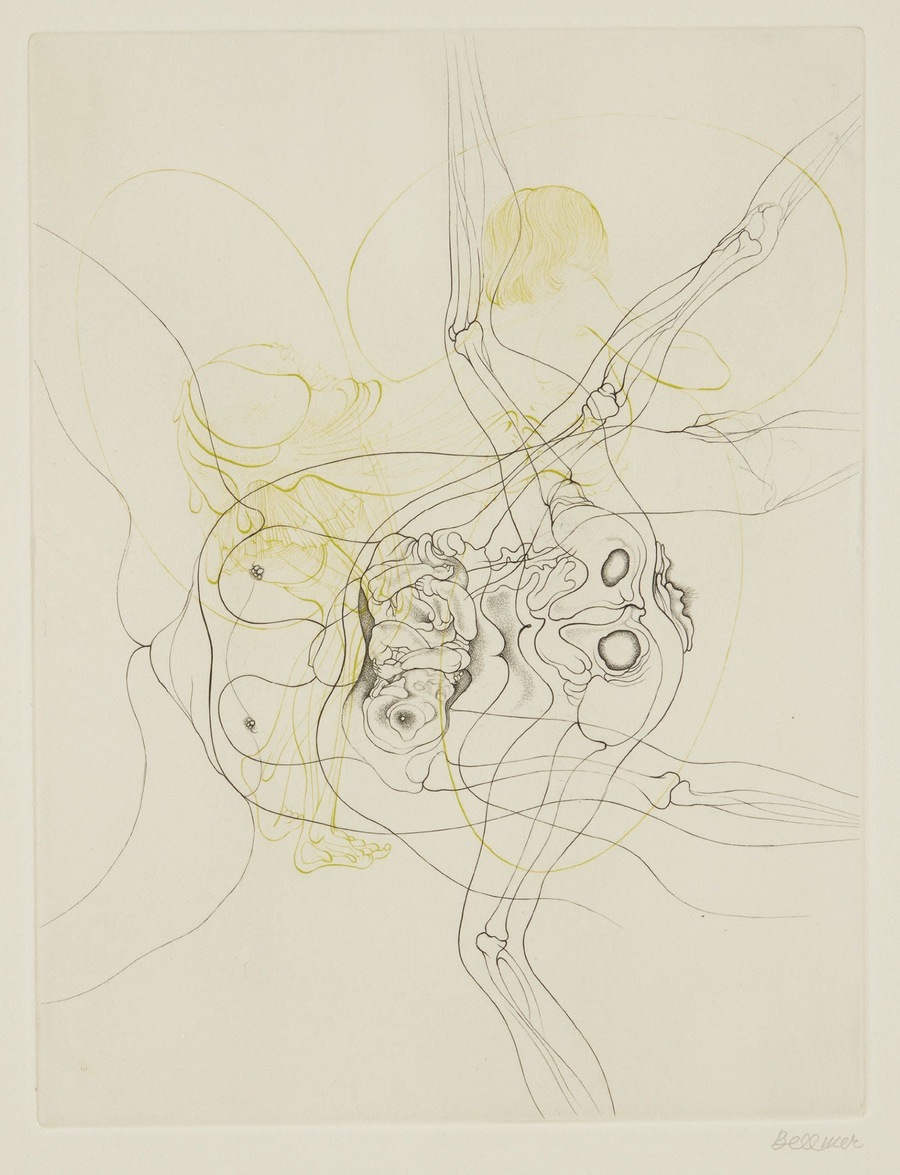
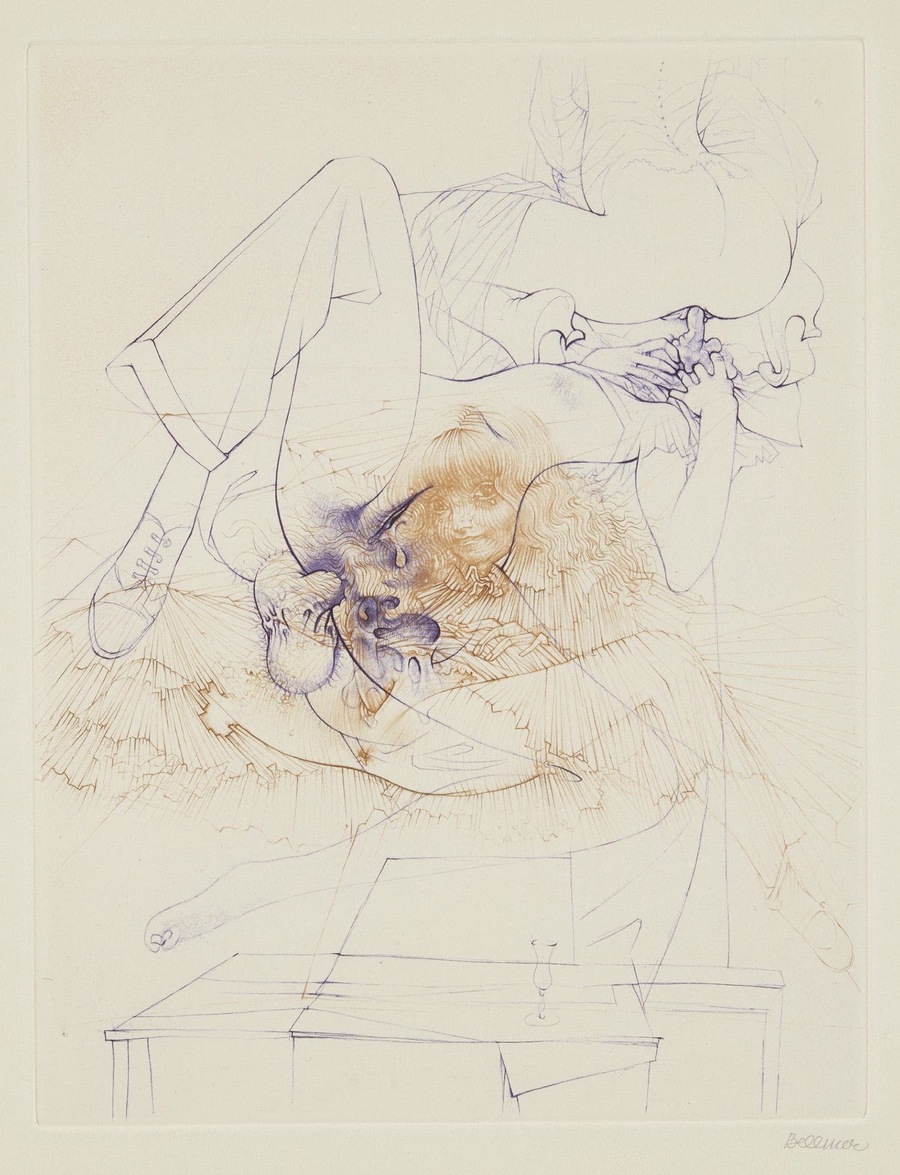
- Late Practice. 1960–1975.
- Conclusion.
Hans Bellmer.
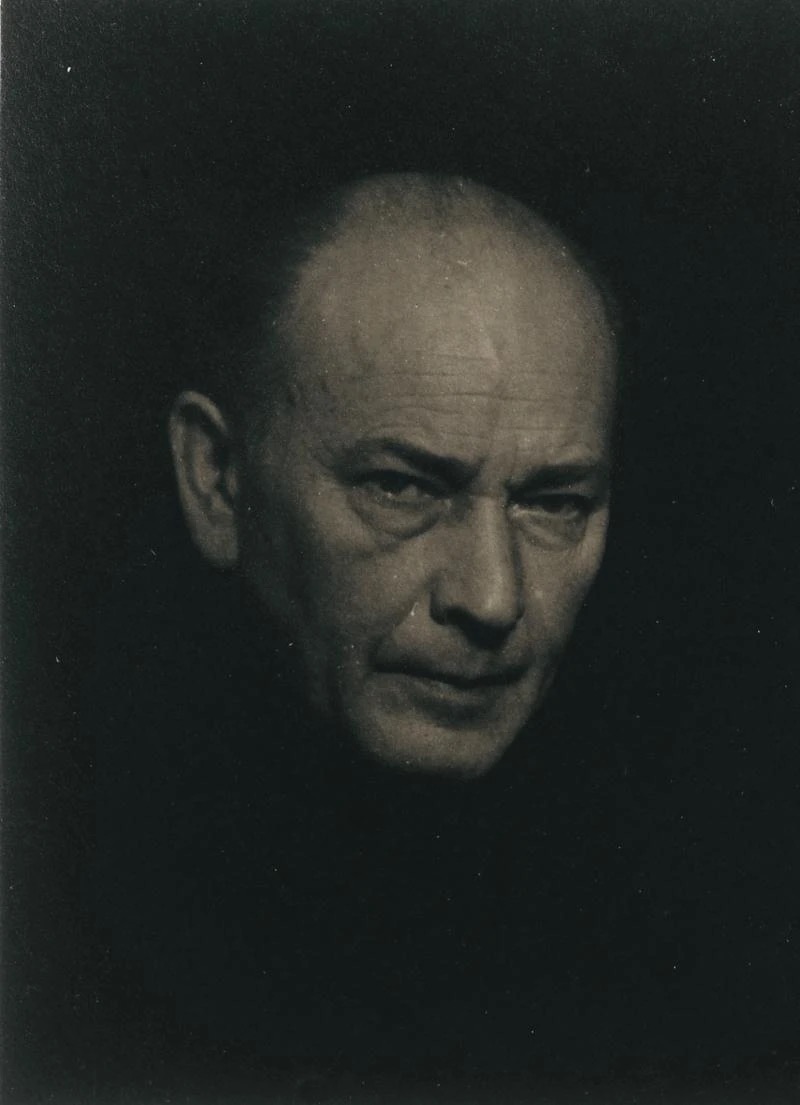
Man Ray / Hans Bellmer / 1950
General description of the artist, years of life (1902–1975), the fields in which they worked, where they lived, and who they interacted with.It is necessary to understand the context of their work.
Research Concept.
I will not assume that each subsequent work by Bellmer became more radical than the last; rather, I want to illustrate the new possibilities and constraints that emerged at each stage of his creative process. The central question throughout this study is: How do different media influence the perception of the body? What techniques did he employ? What remains consistent? What motifs or anatomical transformations transition from one period to another? What changes? Why is this happening? What roles might biography, historical circumstances, surrealism, etc., have played? To what extent was his approach with dolls innovative? Was this kind of graphic style present before? Was he the first theorist? Who had already begun reassembling the body? I will be working with the history of evolving artistic boundaries! I will present four types of boundaries in the research: anatomical, visual, ethical, and institutional—meaning these are the aspects that Bellmer’s works largely addressed.
How has the perception of the boundaries of the human body and the permissibility of its depiction in Bellmer’s artistic practice evolved—from his early dolls to his later graphic works?
The First Doll. 1933–1934.
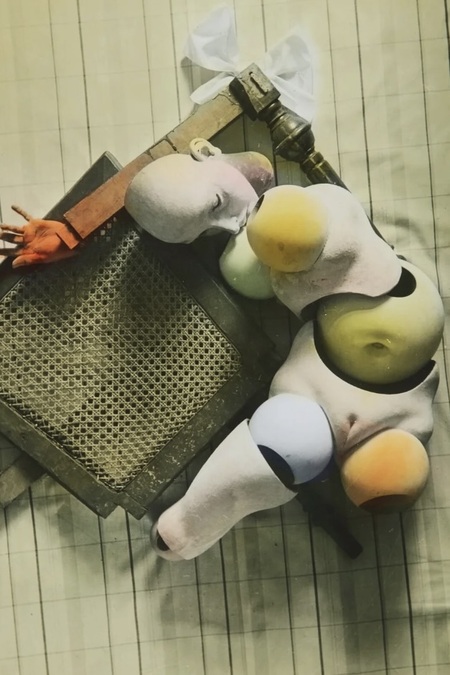
Creation of the first doll in 1933, followed by the publication of Die Puppe and photographs in Minotaur in 1934. The emergence of a new artistic object.
The Second Doll. 1935–1938.
Creating a second doll in 1935, developing the articulated system, and conducting photographic experiments. In 1938, Bellmer moves to France.
Graphics Test. 1939–1948.
World War II. Graphics is gaining increasingly important significance.
Theory. 1949–1959.
Publication of Les Jeux de la poupée (1949), introduction to Unica Zürn (1953), and release of Petite anatomie de l’inconscient physique (1957).
Late Practice. 1960–1975.
(No text provided to translate.)
Conclusion.
lylyla
A