Navigation Menu
- Concept
- Light as a means of revealing character: — as a way to reflect the character’s emotional state; — as a way to show the character’s hidden essence;
- Light as a means of creating an artistic image: — as a tool for establishing atmosphere; — contrasting illumination and dramatic tension;
- Light as a way of depicting the surrounding world: — conveying the time of day: day, night, twilight; — creating weather phenomena: rain with lightning, heat, sunrise;
- Light and frame composition — chiaroscuro and creating volume; — light as a method for organizing the frame composition;
- Conclusion
- Bibliography
Concept
American silent films of the 1920s still lacked sound and color; for this reason, directors had to embed the scene’s meaning into other aspects of the film. For my visual research, I chose a topic related to light as a means of artistic expression, as I wanted to understand why light in silent cinema evolved from merely a technical necessity into one of the primary tools of visual language, acquiring a new meaning. American studios in the 1920s gradually shifted from shooting on outdoor locations to using studios with artificial light, which led to the development of three-point lighting (key, fill, and backlighting), resulting in less contrasted imagery. Directors developed several ways to utilize light—from stark contrast in tense scenes to soft, diffused lighting in romance stories. My visual research will be structured around this question: what functions did light serve in American films of the 1920s?
Cinematography was painting with light [1]
In this period, light served not one, but several functions simultaneously: it organized the frame’s space, highlighted significant elements, set the emotional tone of the scene, and contributed to narrative development. The expressiveness of a shot arose from the combination of all these functions. P. Keating noted in his research that studio lighting was multifunctional, not merely neutral [3].
For a long time, there was a prevailing idea in studies of Hollywood lighting that it was a neutral, unobtrusive style, with expressive lighting being considered the exception—for example, in horror films. Contemporary works are re-evaluating this assumption. Expressive lighting had been the norm in Hollywood cinematography since the 1920s [3], and most of its techniques served multiple functions at once: they told a story, added realistic detail, and created a pictorial quality to the image.
Research Hypothesis: In the 1920s, light served multiple functions, not just one: it organized the frame’s space, highlighted significant elements, established mood, and participated in the narrative. Expressiveness arose from the combination of these functions, rather than merely from a decorative effect.To test this hypothesis, five films shot by different directors were selected: «Greed» (dir. E. von Stroheim, 1924), «Phantom of the Opera» (R. Julian, 1925), «Bat» (Roland West, 1926), «Sunrise» (F. W. Murnau, 1927), and «The Crowd» (dir. K. Vidor, 1928). This selection is based on the diversity of genres and the varied approaches to light.The research structure does not follow a chronology. Each section is dedicated to one function of light.*The function of light refers to the task that the lighting solution addresses in a specific frame or episode.
Light as a Tool for Character Revelation
To achieve the established objectives, directors can position light sources in various ways to enhance the psychological characteristics of a character. Lighting the face, the direction of the light flow, and the distribution of shadows all help convey the hero’s emotional state, emphasize their experiences, or create a specific impression of their personality.
Light as a means of reflecting the hero’s emotional state
In silent film, light serves to convey a character’s feelings and experiences that are not always expressible through words. The lighting on the face, the direction of the light beam, and the placement of shadows emphasize the hero’s facial expressions and gaze. Through this aspect, the viewer can perceive their anxiety, doubts, fear, or inner tension. Light thus becomes an additional means to reveal a character’s psychological state and heighten the emotional impact of the scene.
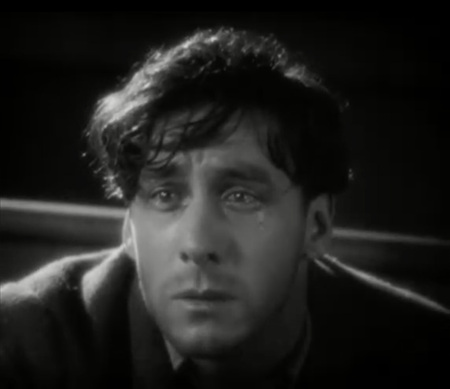
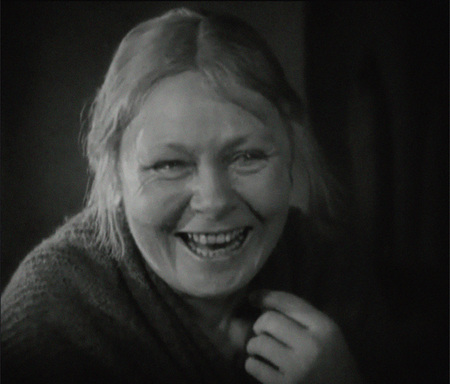
«Sunrise» (F. V. Murnau, 1927)
«Sunrise» (F. V. Murnau, 1927)
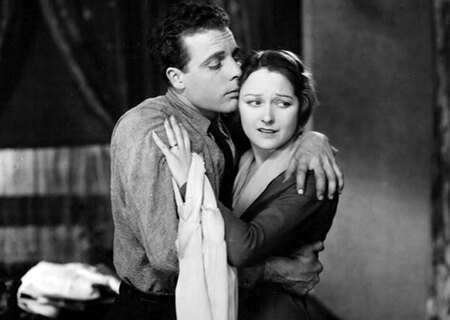
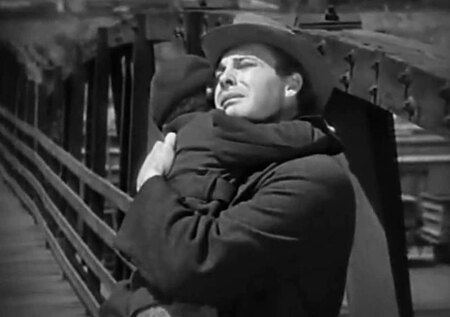
«The Crowd» (directed by K. Vidor, 1928)
In cheerful and calm scenes, directors use soft, even lighting to create a more open and harmonious visual impression, yet they continue to emphasize facial expressions to highlight wrinkles, which allows the viewer to better perceive the characters' emotions.
Light as a way to reveal a character’s hidden essence
Lighting can not only convey a character’s emotions but also shape the first impression of their personality. The contrast between light and shadow allows the visual emphasis of contradictions within an image, creating a sense of mystery and secrecy. When part of a character’s face remains in darkness, the viewer does not see them completely, which evokes distrust and a feeling of untold narrative. Instinctively, the viewer becomes wary of that character.
«Greed» (directed by E. von Stroheim, 1924)
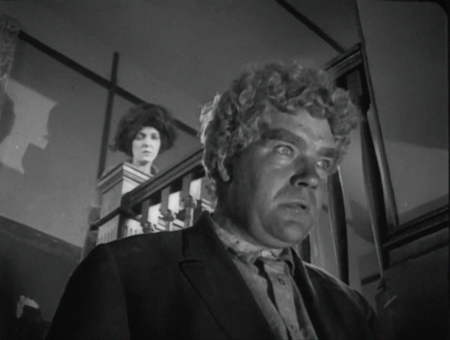
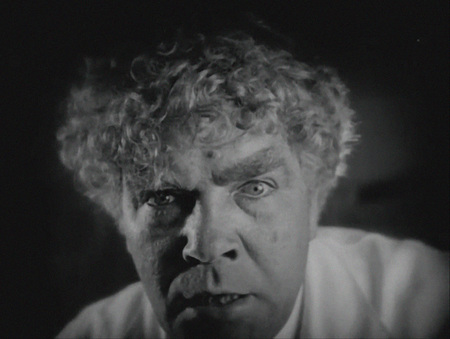
«Greed» (directed by E. von Stroheim, 1924)
The character’s face in the frame is unevenly lit: one side remains in shadow while the other is highlighted by light. This lighting creates a visual duality in the image; the viewer understands the ambiguity of the main character right from the beginning of the film. Chiaroscuro becomes a means of emphasizing the character’s mystery, their reserve, and the possible existence of hidden, unrevealed negative traits or motives.
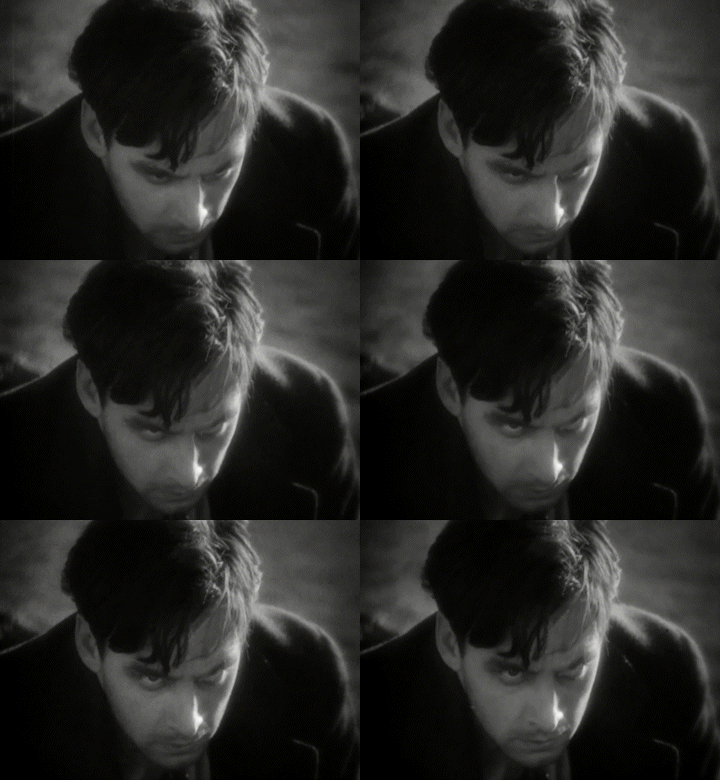
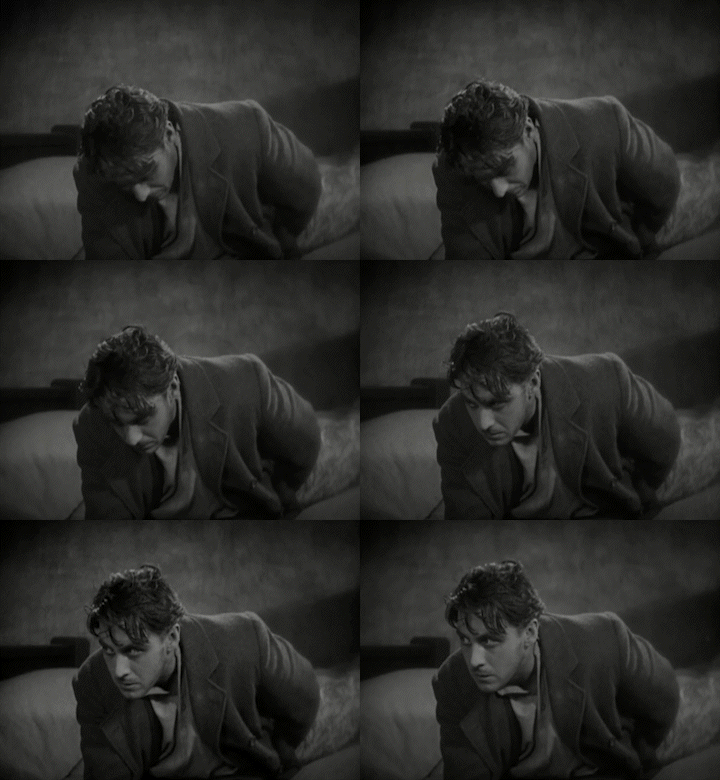
«Sunrise» (F. V. Murnau, 1927)
«Phantom of the Opera» (R. Julian, 1925)
«Bat» (Roland West, 1926)
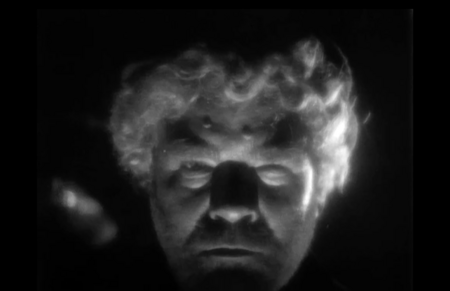
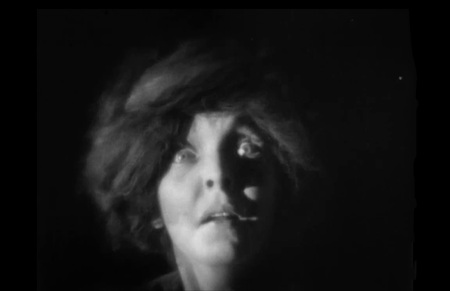
«Greed» (directed by E. von Stroheim, 1924)
«The Phantom of the Opera» (G. Julian, 1925)
Sometimes, light falling on only one half of a face does not guarantee that a character is negative. The lighting allows the viewer to feel that the protagonist knows more information than the audience, making them appear mysterious and suspicious.Thus, light helps establish a certain perception of the character even before their actions fully reveal their personality.
Light as a tool for creating an artistic image
Using lighting, directors shaped the mood of the scene, emphasized its emotional character, and helped the audience perceive what was happening in a particular way. Soft or diffused light could evoke a feeling of serenity, romance, or dreaminess, whereas sharp light contrasts and deep shadows lent the image drama, tension, or mystery.
Light as a tool for creating atmosphere
«Sunrise» (F. V. Murnau, 1927)