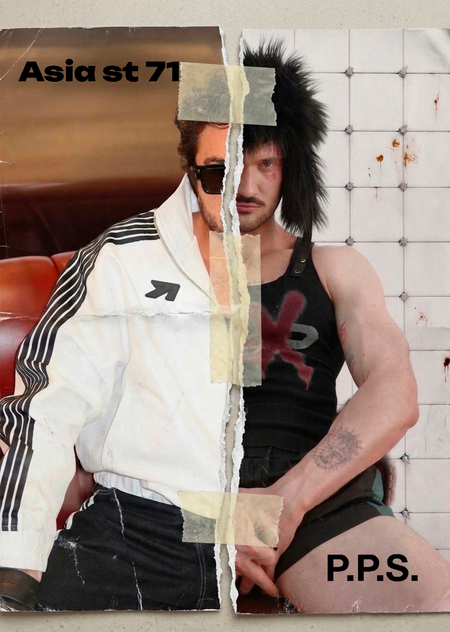
Comparative Analysis of the P. P. S. (post post scriptum) and Asia st 71 Brands
Asia st 71
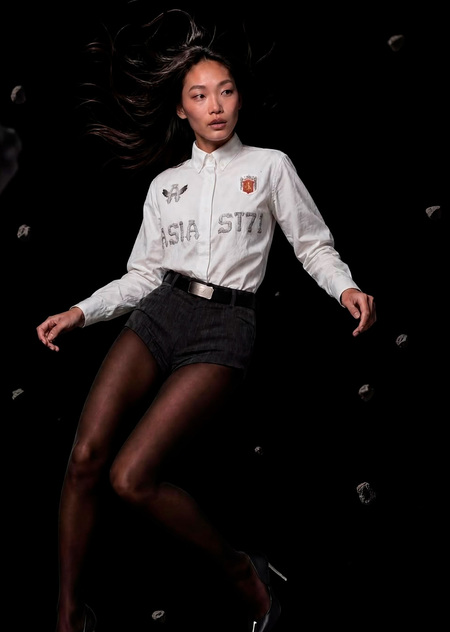
The brand was founded in 2018 by Anton Chekutov and Yulia Sitdikova in Yekaterinburg. The founders were inspired by the cultures of Hong Kong, Shanghai, and Suzhou, which is reflected in the name. The number 71 refers to the address of the brand’s first physical store.In their collections, the brand merges athletic style with urban casual wear, creating streetwear looks.The founders never initially aimed to be trendsetters. Rather, they strive to stay at the forefront of emerging trends.
The concept is not based on creating trends, but on interpreting and adapting benchmarks set by the premium segment.
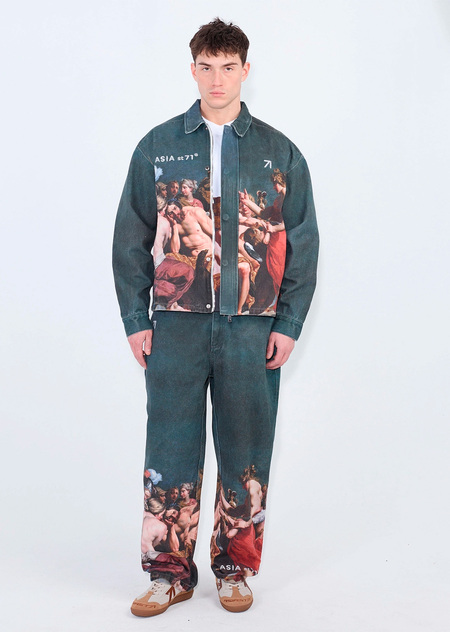
Visual Patterns Asia st 71:
• Bold, eye-catching prints and patterns
• Bright, trendy colors
• Material combinations with diverse textures
Although the brand targets a broad audience, which keeps its looks sophisticated rather than overly ornate. Complex tailoring is usually reserved for outerwear. The brand’s core pieces are quite familiar to the modern consumer—straight-leg joggers, hoodies, and t-shirts, featuring a moderate oversized fit.
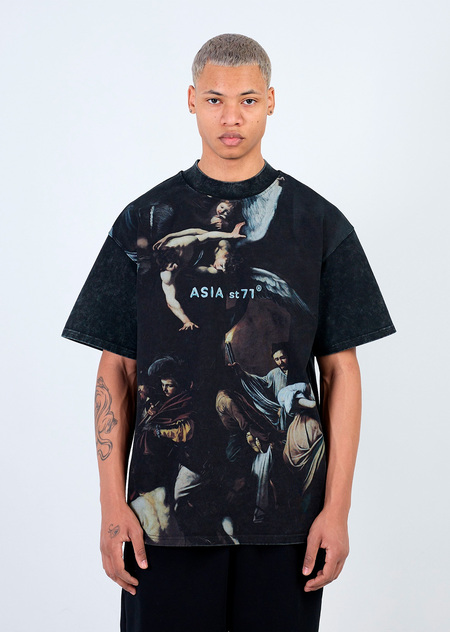
I would call T-shirts and hoodies with large painting-themed prints must-have items. This is the brand’s calling card, setting it apart from other representatives of Russian streetwear.
Brand Studio
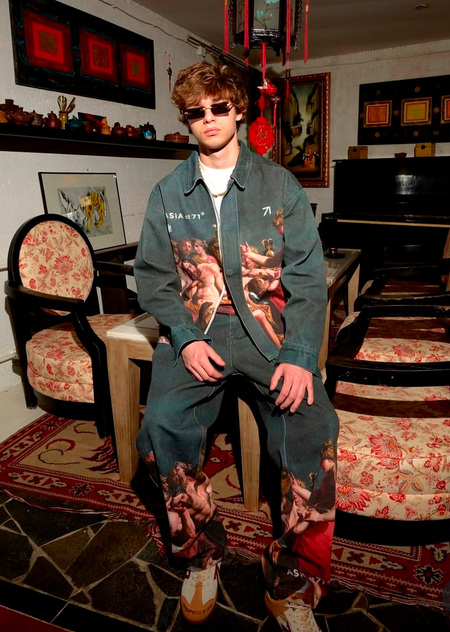
The brand targets a young audience aged 22–35 with above-average income. The primary demographic consists of urban residents who have graduated from university, secured well-paying jobs, and are ready for their first significant purchases. They do not identify with subcultural movements but remain attuned to fashion and self-care.
Influencer Collaboration and Partnerships

Asia st 71 places a significant emphasis on collaborations. For instance, they released a joint capsule collection with Paramount Pictures, inspired by «Teenage Mutant Ninja Turtles,» specifically featuring the characters Bebop and Rocksteady. They also collaborated with Toonbox on the animated series Take My Muffin, as well as with the groups Kino, MFL, and Media Basekt.Among the celebrities who supported the brand were Olga Buzova, the rapper ST, Mary Kraymberry, Jiggan, and others.
Post Post Scriptum (P.P.S)
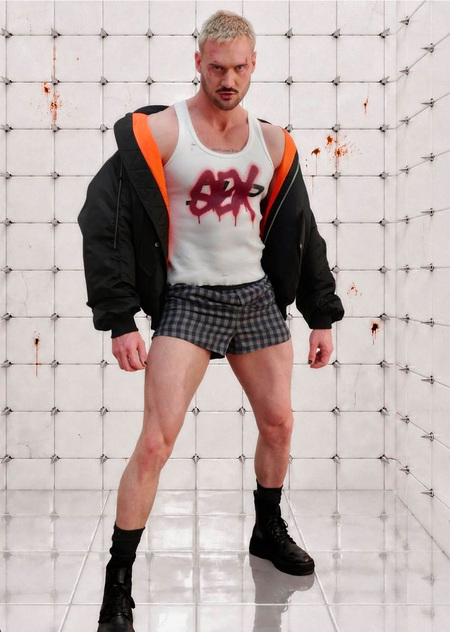
P. P. S. — a nonconformist brand that places the manifestation of its own uniqueness above societal norms.The brand debuted its first collection in 2020. Their concept is a challenge to conventional standards in life and fashion. Originally, their pieces were intended to be gender-neutral, but they have since introduced a specific division of their product matrix into men’s and women’s lines. The focus has shifted toward an intellectual agenda conveyed through meaning and form.
Clothing that lets you be yourself and leaves room for your voice.
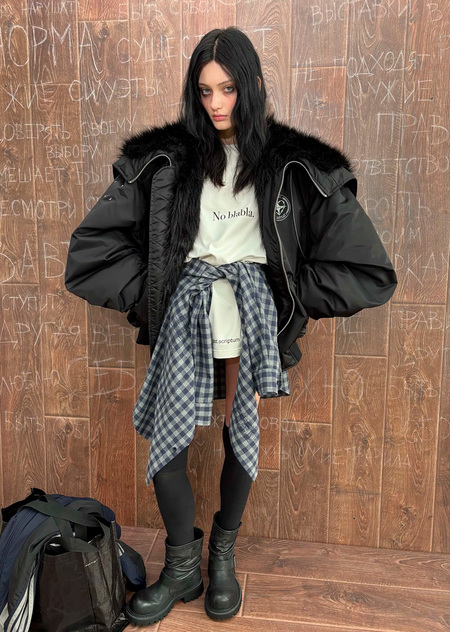
In their designs, P. P. S. rarely emphasizes bright colors or prints. Instead, they play with proportions, asymmetry, and the deconstruction of familiar objects. Their silhouettes sometimes skirt the edge of the grotesque. Colors are mostly pastel or dusty. If red is used, it is never bright or loud—it is more muted and subdued.
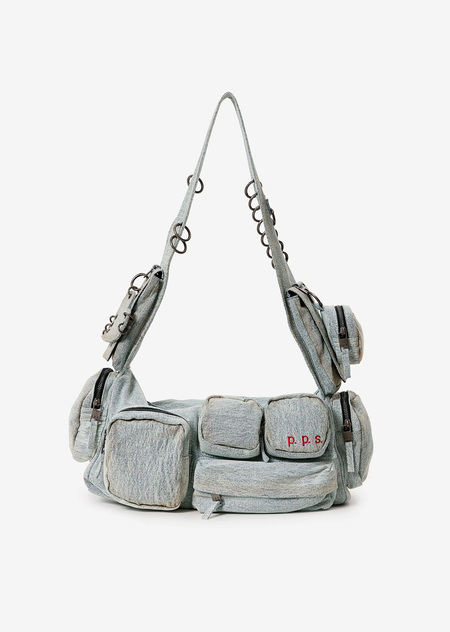
It is quite challenging to highlight a must-have product because the brand positions itself as a key to a semi-closed community of creative youth.Starting from this idea, I would choose accessories—specifically bags—as the gateway into this unique world. P. P. S. succeeded in breaking the conventional visual image and recreating it through its own interpretation.
Brand Studio
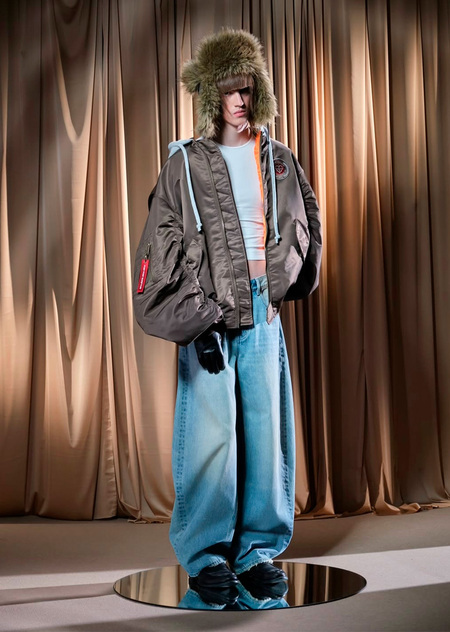
The brand’s audience is quite young—aged 18 to 28. They represent late adolescence and the transition into adulthood, a period when rebellion and snobbery coexist within an individual. Most of these individuals live in large cities, studying or already working in creative professions, frequenting niche cafes and bars, and attending exhibitions and other cultural events. For them, having a tool to demonstrate their uniqueness and self-identity is extremely important.
Working with Influencers

In media and social networks, the brand often features rave musicians, and in turn, the rave scene frequently mentions them in their posts, interviews, and at performances.
Conclusion
At first glance, both brands appear quite similar and target the same audience, but a closer look reveals significant differences.
Asia st 71 aims to reach a wider audience rather than focusing on a narrow niche. They follow current trends, leverage celebrity endorsements, and execute quite precise collaborations. Their visual language avoids overly bold experimentation, and their tone of voice lacks any sense of rebellion. The brand strictly adheres to a Design-first model (Design and trends are paramount).
P.P.S. intentionally crafts a niche, underground product that is not aimed at the mass consumer. In their visual identity, the brand consistently «reinvents the wheel» to convey a specific idea to its consumer. P. P. S. designs more intellectual pieces with complex silhouettes. Their model is Identity-first (identity is paramount).