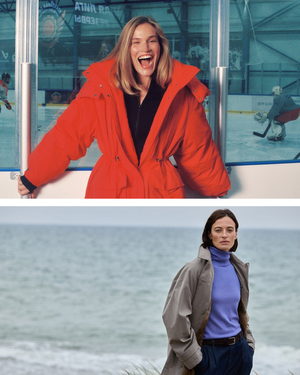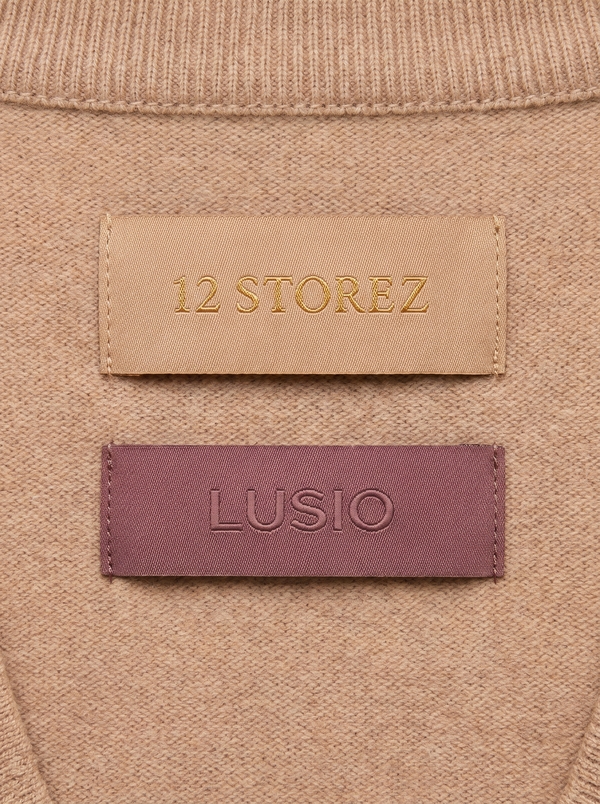
For comparative analysis, I selected 12 STOREZ and LUSIO. Both are premium brands, have been on the market for roughly the same period, and serve the same clientele.
Positioning and DNA
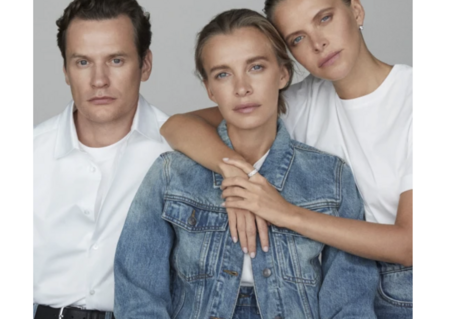
12 STOREZ was founded in 2014 by Marina and Irina Golomazdina, and Ivan Khokhlov, Irina’s husband.The brand initially launched as an Instagram shop selling the sisters' signature style. From day one, they served as ambassadors for the company. The brand emphasized frequent inventory updates, releasing 12 collections annually.Since 2022, the brand has transitioned into the premium segment, aiming to capture the luxury niche.Today, it operates 49 stores across 17 Russian cities, as well as in the UAE, Kuwait, Uzbekistan, and Kazakhstan.
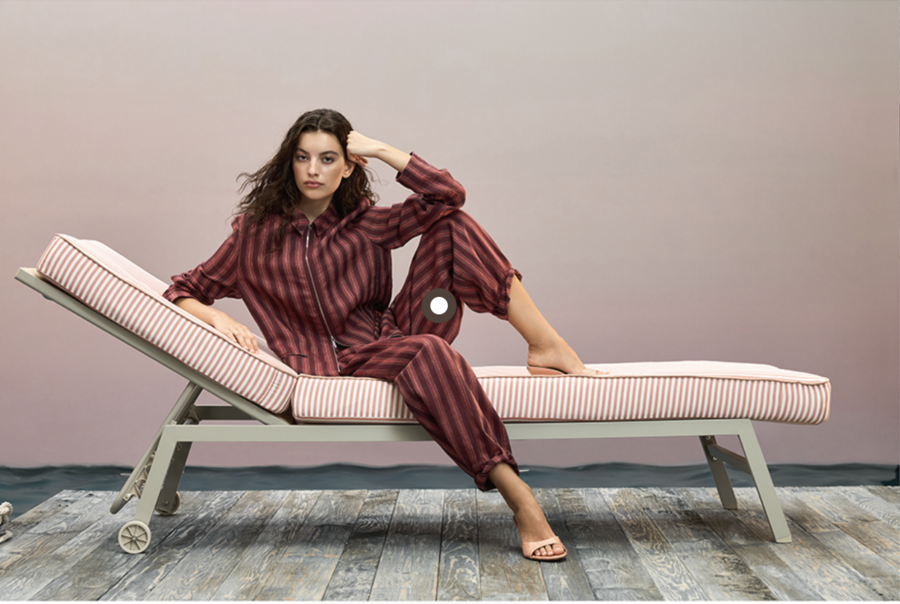
The DNA of the brand is rooted in the concept of a considered wardrobe.
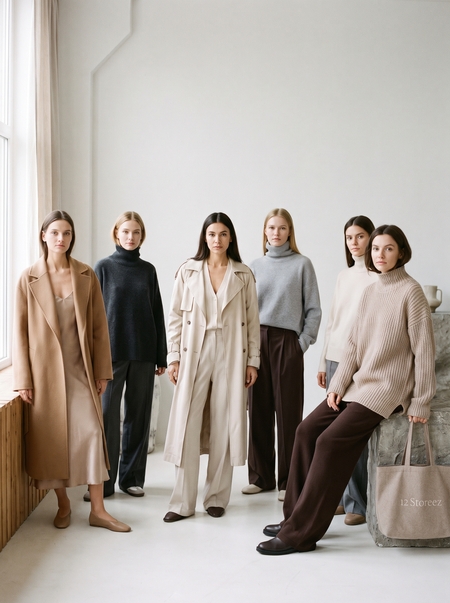
Color. Neutral and natural palette: beige, milky, cream, brown, black. During the 2023 redesign, the brand maintained warm, natural hues but selected more contrasting combinations of light beige and accent brown. Seasonal collections incorporate muted olive, pearl, and vintage blue, but color is never the end goal—it functions as a backdrop for the silhouette and material.Materials. The brand highlights silk, cashmere, linen, and denim as part of its DNA. Quality blended compositions, merino wool, and cotton complete the assortment. Fabrics must meet criteria: they must be practical to care for, durable, and tactilely pleasing.Silhouettes. Clean, straight lines, soft forms, structure without aggression. The garment must easily integrate into an existing wardrobe and coordinate with other brand pieces.
The brand is built from day one around personality. It actively invites ambassadors whose values align with its own. These include adventurer Fyodor Konyukhov, tennis player Karen Khachanov, supermodel Natalia Vodianova, and model Sergei Kuzmin, who is autistic. Celebrities are not the only ones featured in the brand’s campaigns. Real people often become the face of the brand: ship captains and pilots, residents of Kamchatka, and simply customers.
Natalia Vodianova and Sergey Kuzmin. Autism is not a sentence
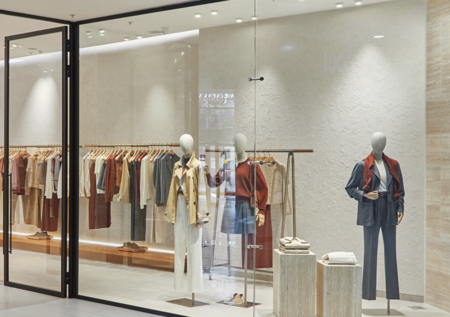
LUSIO —a women’s clothing brand founded in 2013. The trademark was registered in the Russian market in 2021, and the brand has maintained an active advertising presence since then.It positions itself as an international women’s wear brand, inspired by the Italian word «lusso, ” which means „luxury“ and „chic.“The brand boasts an extensive retail network, including 25 flagship stores across 8 Russian cities and one in Kazakhstan.
At the core of the brand’s DNA is the aspiration to create clothing that reveals each woman’s unique beauty.
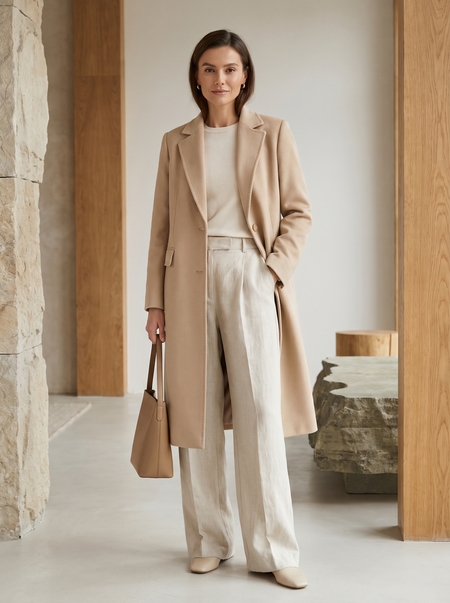
Color. Neutral shades form the foundation: milky, ecru, beige, grayish-brown, and black. However, the brand actively incorporates accent colors within the neutral palette. Deep dusty pinks, muted bordeaux, and dark green are among them. Color functions as part of the collection—it emphasizes and highlights the silhouette and details.Materials. The brand’s assortment features a wide range of natural fabrics: linen, viscose, cotton, silk, Tencel, angora, wool, and cashmere. The brand emphasizes that the premium quality of its fabrics is central to its philosophy.Silhouettes. The core of the silhouettes is pronounced femininity: tailored shapes, A-line cuts, and classic, time-tested forms, with minimal ornamentation and extraneous details. The brand emphasizes its focus on cut. «Perfect fit» as a competitive advantage is explicitly stated in its mission.
Brand communication is built through the atmosphere of the shoots, the product, and the spatial sensory experience. Campaigns are developed from signature seasonal shoots featuring a distinct visual concept, where locations are not merely background, but an integral part of the storytelling. In 2025, a campaign featuring AI-generated views of different parts of the Earth was presented, illustrating the dialogue between clothing and nature.
Age. Approximately women aged 35–54 with above-average income, active users of premium urban services. While 12 Storeez has a men’s line, I am not considering it for this project.Lifestyle. Work, travel, city errands, meetings, events, dining out. LUSIO covers a broader range of occasions than 12 Storeez, including evening and formal wear. The target audience values the completion of a look, not just the versatility of an item. They are willing to pay for durability and are inclined toward more conscious, high-quality purchases.Income Level. Upper-middle class and above.
CONCLUSION
Both brands operate within the same price range and compete for the same city woman, aged 30–55, with an above-average income. The main difference lies in their approach to wardrobe.12 STOREEZ focuses on the wardrobe system. Each item must coordinate with others, remain visually timeless, and function in daily life. This leads to capsule logic, muted colors, minimalism, and an emphasis on versatility. The brand itself directly describes its approach as timeless staples—essential pieces that transcend fleeting trends.LUSIO focuses on the woman’s image and the specific occasion. The brand also utilizes classic silhouettes and natural fabrics, but it emphasizes fit, silhouette, femininity, and the feeling of a complete look. Its promise is not just «an item that coordinates, ” but „an item in which you feel confident and elegant.“These are fundamentally different motivational hooks that dictate everything from tailoring to the selection of photoshoot locations.