
01. Research Concept
02. The Imaginary as Real
03. Monsters as Embodiments of Experience
04. From Fantasy to Understanding
05. Conclusion
06. Bibliography and Sources
Imagination is often associated with childhood—a time when the boundary between reality and fiction seems particularly fluid.
(1.1) As we age, imagination is often perceived as something unserious—an antithesis to rationality and a mature worldview. However, imagination is not an escape from reality; it is a tool for making sense of it, allowing us to express feelings for which words are inadequate.
Cinema has the power to transform subjective emotional experiences into visible images. Through the use of space, light, color, scale, texture, and composition, it doesn’t simply show what the characters feel—it helps the viewer feel it. This is particularly evident in films that use a fairy-tale atmosphere to discuss complex human conditions.
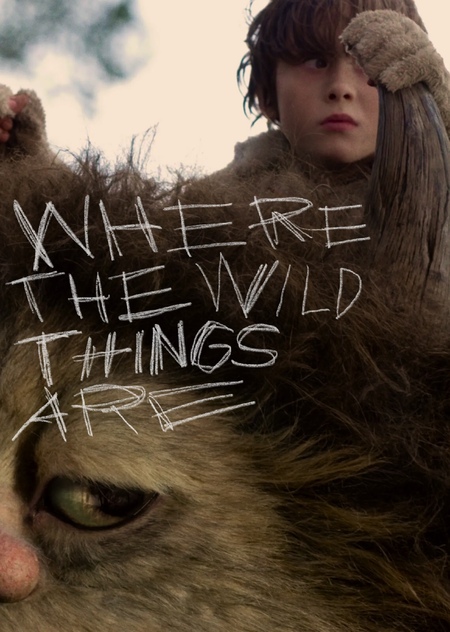
The movie Skyfall (2009), based on a book by Morris Sandak, is an example of this approach. After an argument with his mother, Max finds himself on an island inhabited by large, fantastic creatures. However, this world is not so carefree—its inhabitants also experience loneliness, jealousy, the fear of rejection, anger, and a need for love. Thus, fantasy transforms into a space where inner experiences take on a material form.
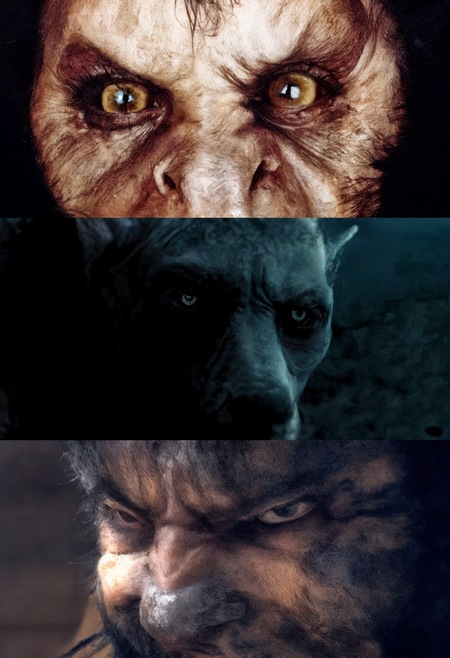
The visual presence of the monsters deserves particular attention. Their massive bodies, dense fur, sharp claws, and slow movements project an impression of immense physical power, yet these creatures are simultaneously depicted as emotionally vulnerable. This contradiction between external strength and internal fragility serves as a vehicle for expressing complex feelings. Moreover, the monsters are not mere embodiments of specific emotions; their characters remain multifaceted.
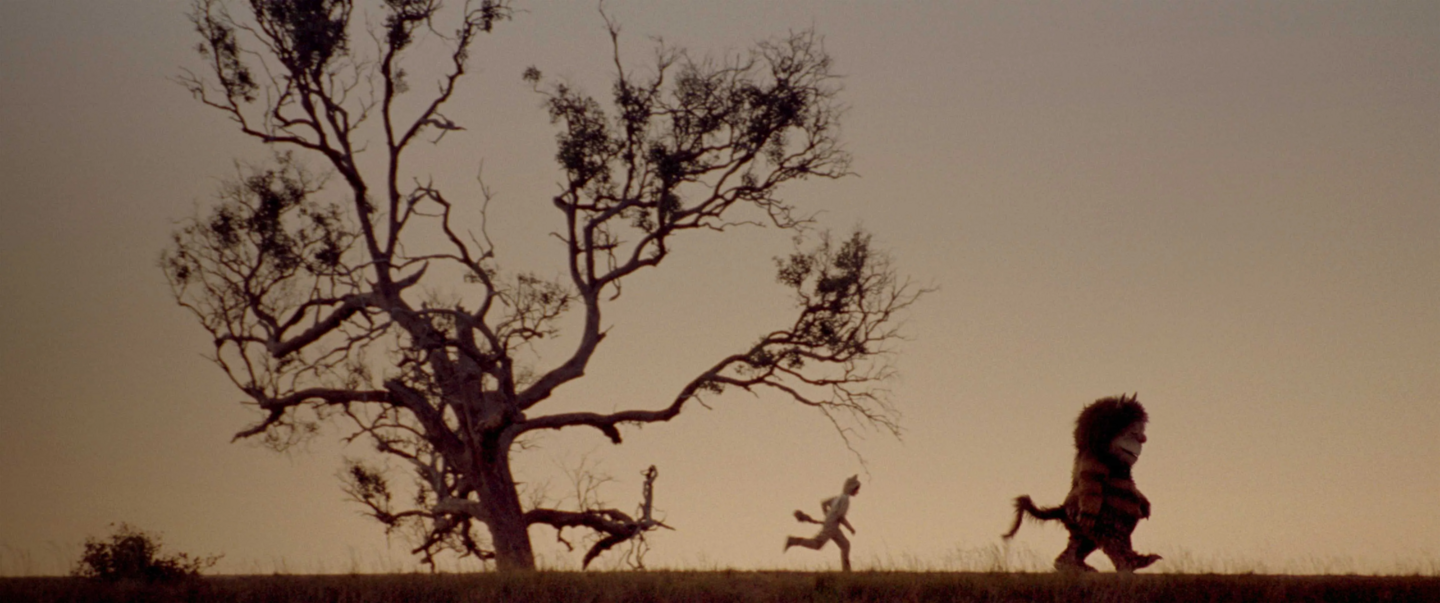
Space organization is equally important. Initially, the island is perceived as a free territory where one can establish their own rules, build, and dismantle. However, over time, open spaces can induce feelings of loneliness and anxiety. Furthermore, attention should be paid to the material aspect of imagination—natural landscapes, wool, mud, wood, and stone lend verisimilitude to the imagined world. In this case, the fantastical is not opposed to the real but absorbs its sensory qualities. This helps fantastic images evoke strong emotions.
Although the story is told from a child’s perspective, the film also touches upon issues familiar to adults. The fear of losing someone close, the desire to be loved, and the difficulty of fully navigating relationships—all these are understandable to people of any age. The childlike, fairy-tale narrative allows these emotions to be discussed directly, without excessive psychological exposition.
The study aims to investigate how the film’s visual language transforms childhood fantasy into a vehicle for expressing complex human emotions.
In this film, a world reminiscent of a fairy tale serves more to illuminate reality than to escape it. The combination of fairy-tale convention and material verisimilitude allows internal experiences to become physically palpable and comprehensible to the viewer.
As a result, this research will allow us to view imagination not as a trait of childhood, but as a tool for understanding the world through emotion. Through a narrative form, the film makes visible experiences that remain significant for people throughout their adult lives.
The fantastic world in the movie Spyke Jones doesn’t look like an artificial fairy tale, but rather a physically tangible space.
(2.1) Max’s imagination is evident even before the appearance of the fantasy island. From the very beginning of the film, it becomes clear that the boundary between the real and the imagined is fluid.
(2.2) The fantastic world is presented through recognizable natural landscapes: forests, rocks, sand, and bodies of water. The island lacks overtly fantastical scenery, so it appears as a genuine, existing place. The environment is mundane, which makes the fictional setting feel more plausible.
(2.3) Monster fur, dust, dirt, wood, and stone—the surfaces appear inhomogeneous, heavy, and tactile. Thanks to these details, the fairy-tale creatures seem to us not merely like dolls, but like truly real objects that exist in space.
(2.4) General plans, showing how characters interact and touch each other, demonstrate that fantastical creatures are entirely real. The incredible becomes part of the mundane world, yet it does not lose its magical quality.