Concept
Throughout the 20th century, the boundary between lingerie and outerwear was gradually being redefined. Combinations, corsets, and bustiers, originally intended to be worn beneath clothing, began appearing in evening wear, designer collections, and public imagery. However, the shift from concealment to exposure was not linear—the forms of intimate apparel acquired various meanings.
The foundations of lingerie style can be traced back to the first half of the 20th century. Current silhouettes, bias cuts, and the use of sheer fabrics brought the look of evening gowns closer to lingerie forms, although this did not always indicate direct borrowing. In the 1960s and 1970s, experiments with transparency called into question conventional norms of body display. During the 1970s and 1980s, corsets and other lingerie constructs began to be used more frequently as visible elements of an overall look, rather than solely as hidden structure. This laid the groundwork for the lingerie style of the 1990s.
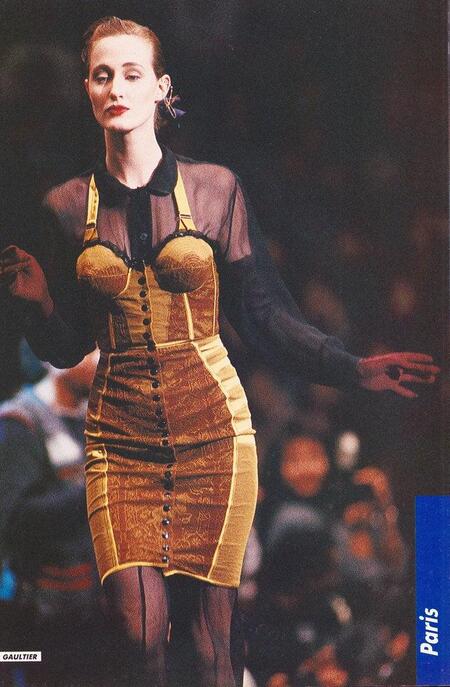
The 1990s represent the central period of this study. On one hand, slip dresses and soft silhouettes became part of a minimalist aesthetic associated with visual simplicity and ease. On the other hand, corsets, bustiers, and sheer layers were used to create demonstrative, highly constructed looks. Lingerie forms could express both restraint and provocation.
The significance of lingerie aesthetics was shaped not only on the runway. Fashion photography, advertising, and celebrity public images offered different ways to interpret exposed intimate apparel—from intimacy and naturalness to commercially constructed sexuality. Furthermore, body visibility should not be automatically equated with liberation: it could simultaneously expand styling possibilities and reproduce standards of attractiveness.
The hypothesis of this research is that the development of lingerie style was primarily connected to the changing functions and meanings of intimate apparel elements as they transitioned into public wardrobes. This process was especially evident in the 1990s through the coexistence of opposing aesthetic approaches. The goal of this study is to identify the historical precedents for these changes and to determine how design decisions and fashion media influenced the visual language of lingerie style.
The research is based on a comparative analysis of historical garments, collections, editorial shoots, and advertising. Comparing silhouettes, materials, methods of lingerie display, and imaging contexts will allow us to distinguish the continuity of forms from the shift in their cultural meanings. Consequently, it is proposed to demonstrate that the lingerie style of the 20th century is not merely a history of underwear becoming visible, but a history of shifting boundaries between the intimate and the public in fashion.
Introduction
Chapter 1. Origins of Lingerie Style: Rethinking the Boundaries of Intimate and Outerwear
1.1. Early Experiments with Underwear Aesthetics and the Feminine Silhouette in the Early 20th Century
At the beginning of the 20th century, changes in the female silhouette accompanied a rethinking of undergarment construction. Complex, multilayered ensembles were gradually replaced by lighter and more fluid shapes that aligned with new ideals of comfort and movement. Simultaneously, elements previously characteristic primarily of lingerie began to be incorporated into the creation of outerwear.
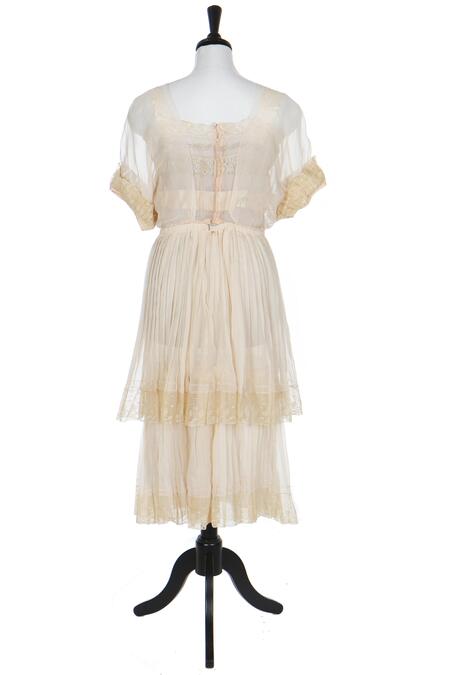
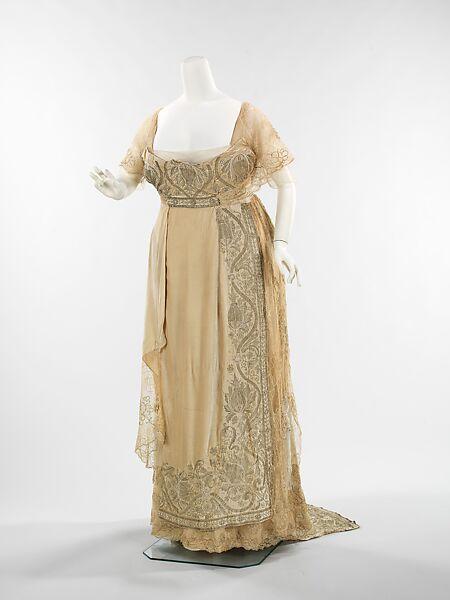
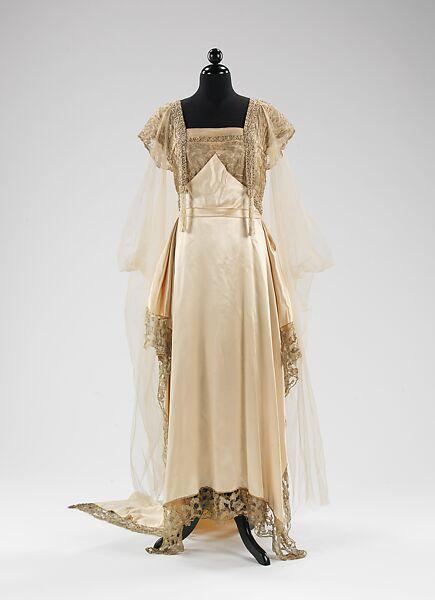
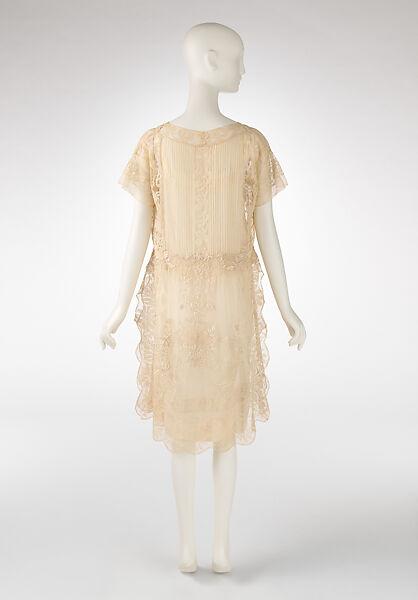
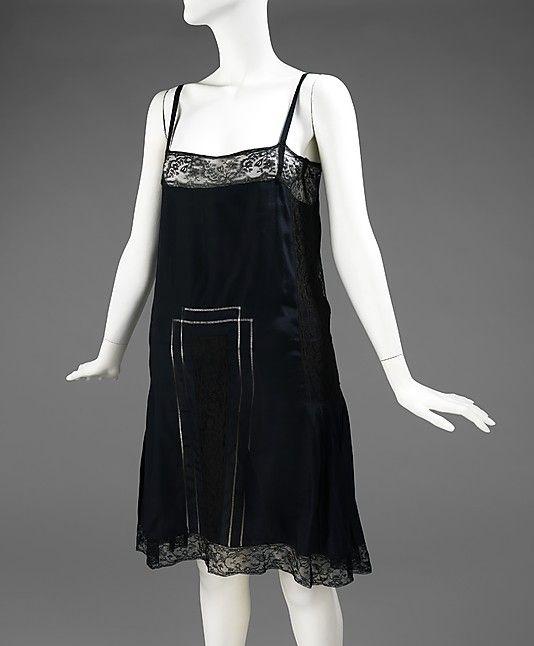
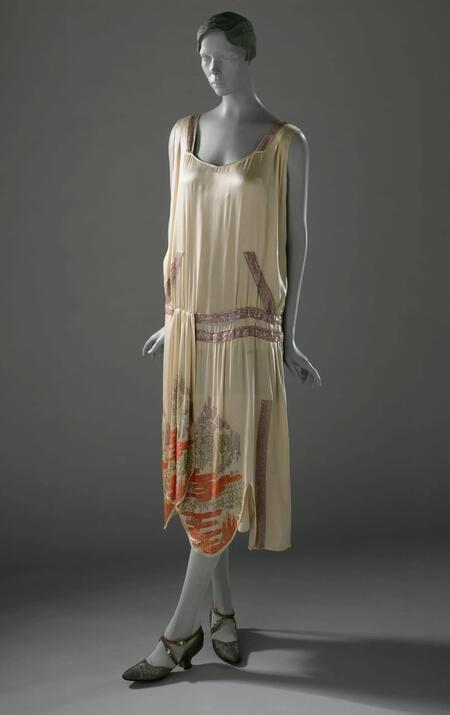
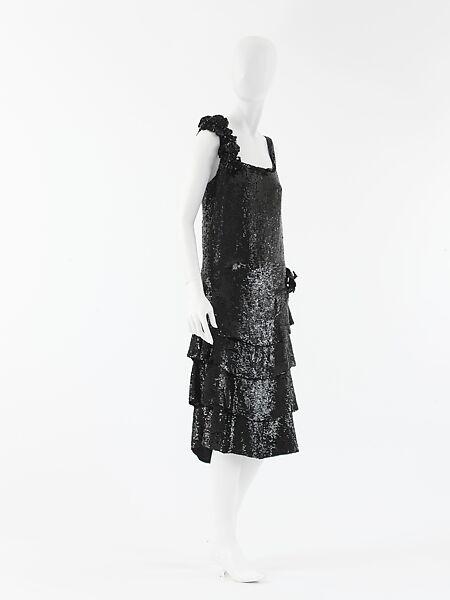
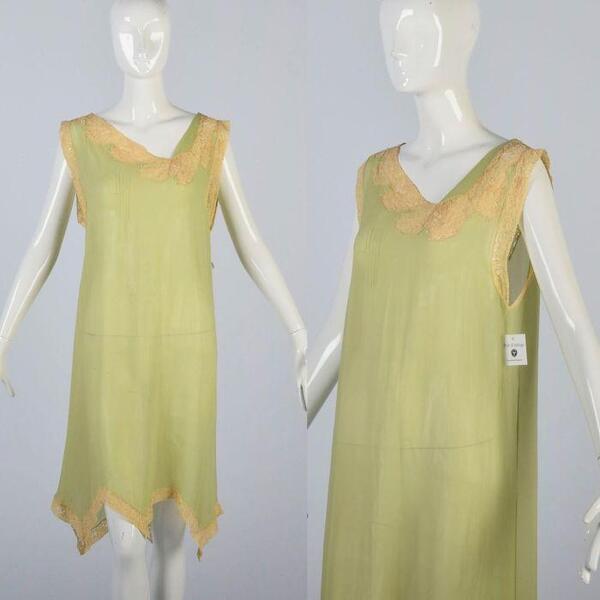
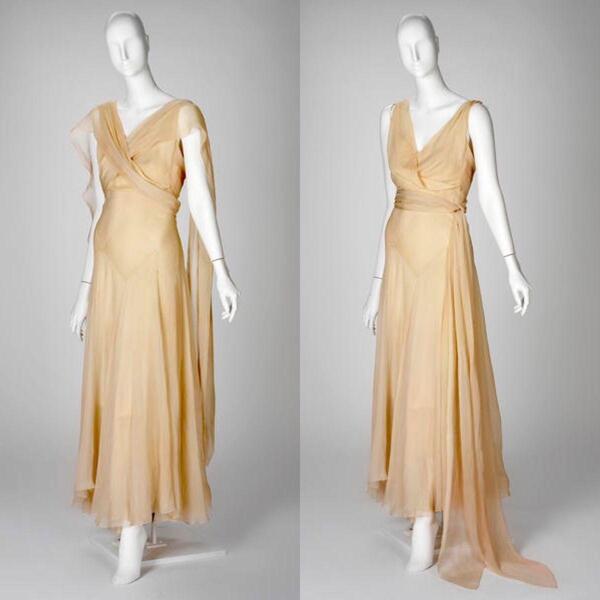
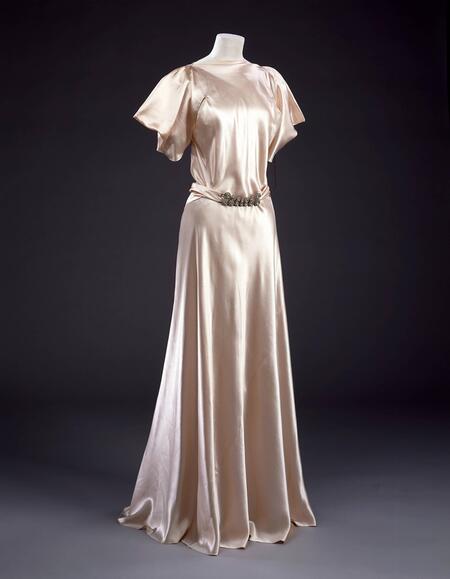
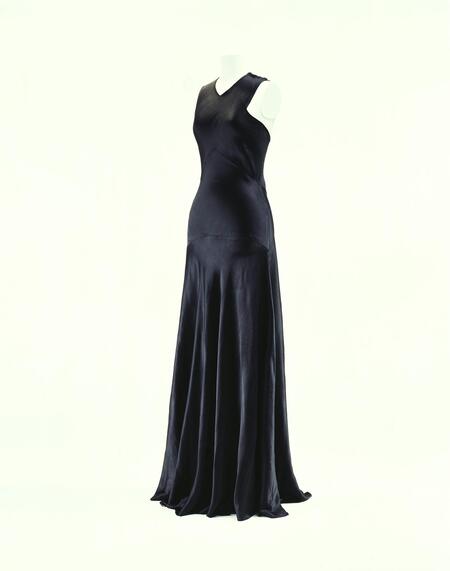
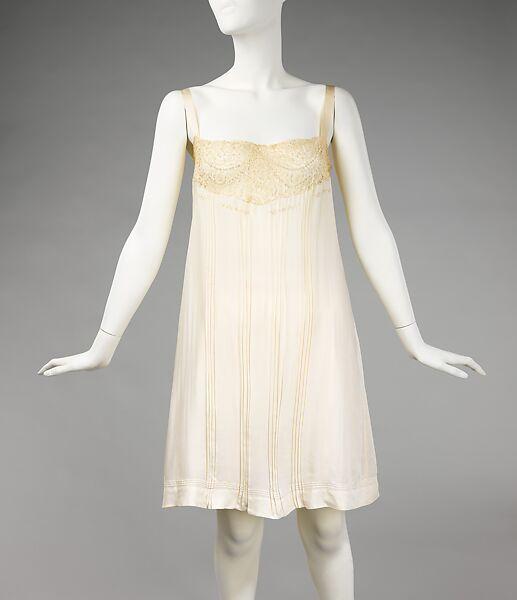
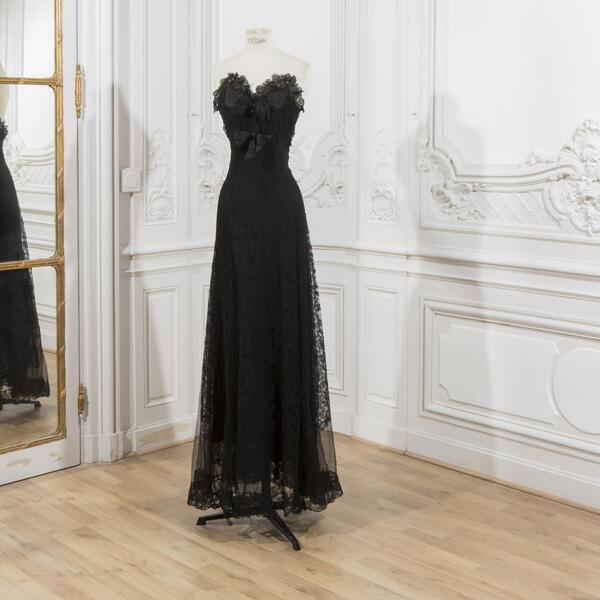
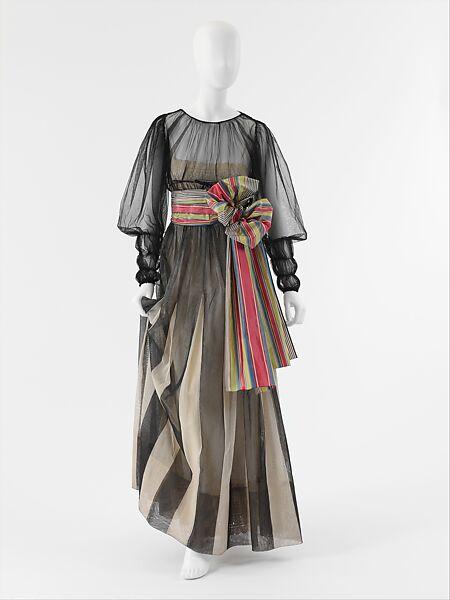
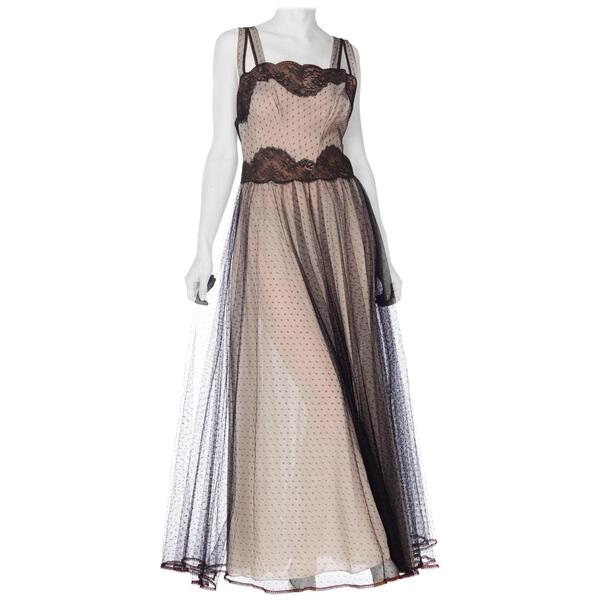
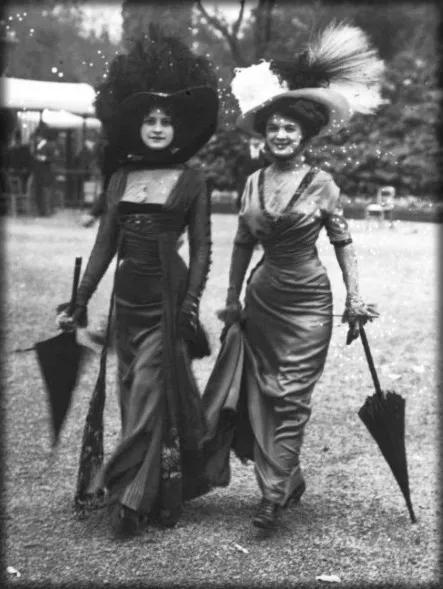
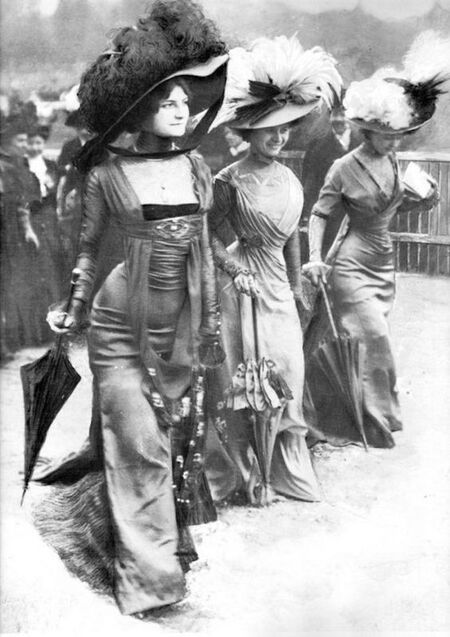
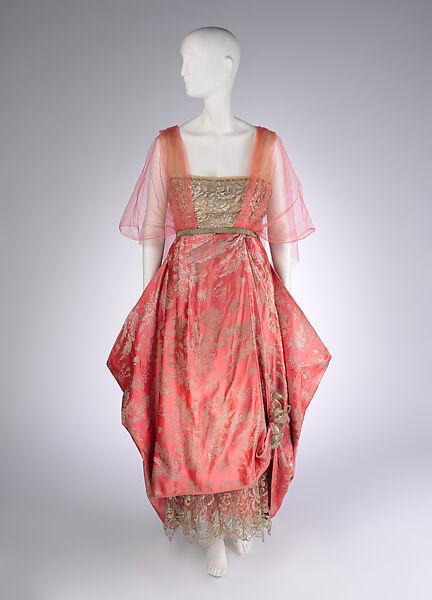
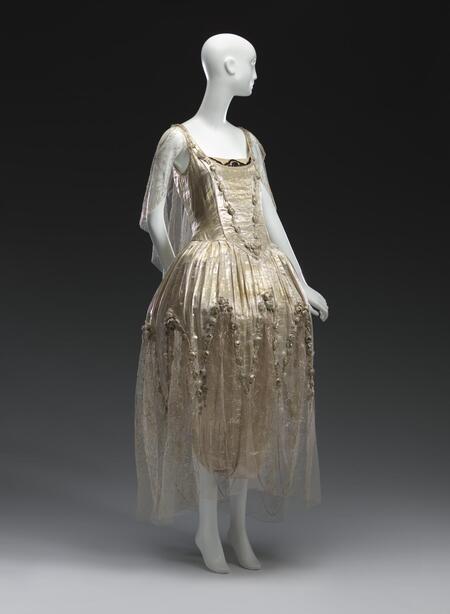
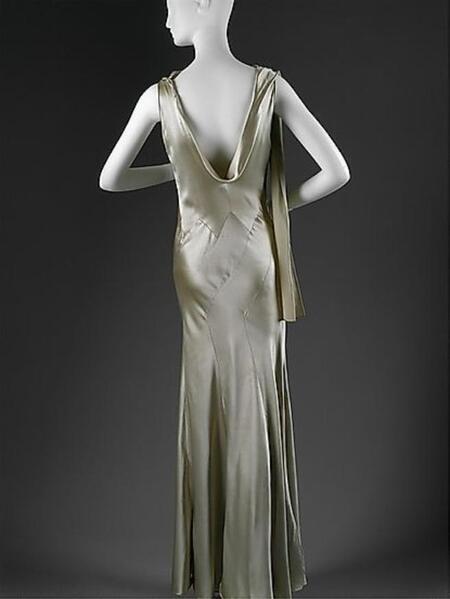
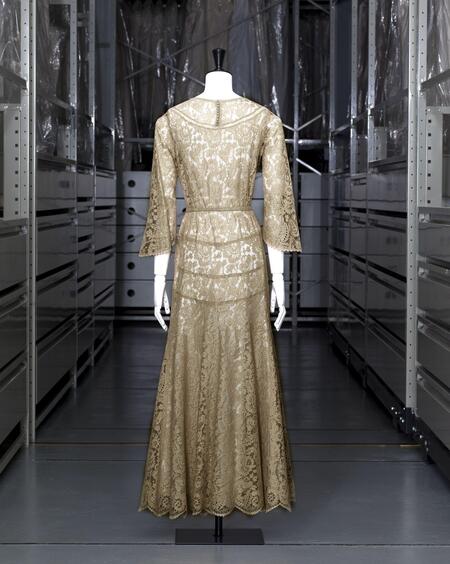
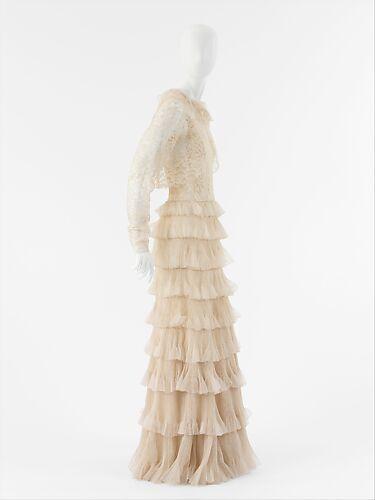
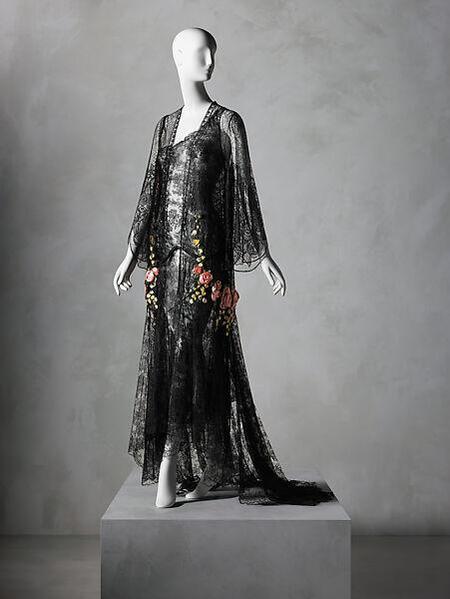
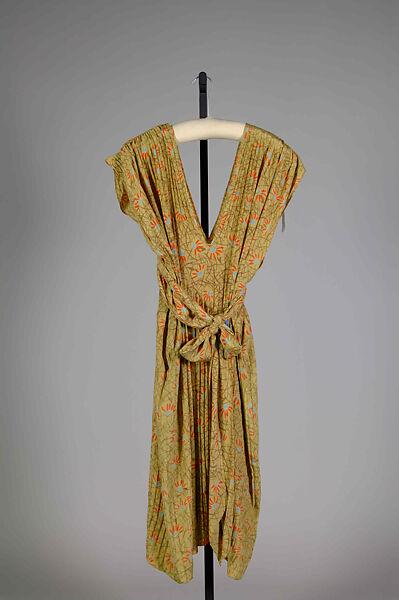
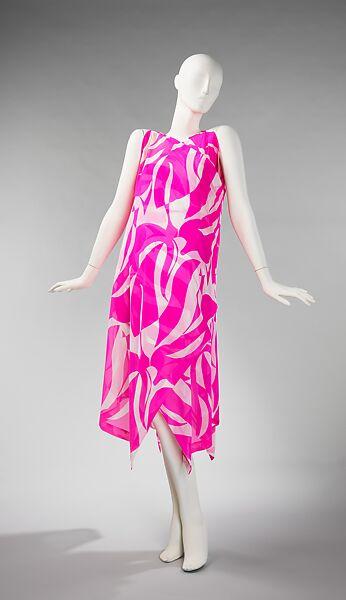
Early examples of this convergence include the dresses from the houses of Callot Soeurs and Boué Soeurs, which utilized sheer fabrics, lace, embroidery, and decorative techniques traditionally associated with intimate apparel. In the 1920s, the rise of straight, loose silhouettes intensified the external similarity between slips and dresses. In the 1930s, thanks to bias cutting and the use of draping silk, evening wear began to softly echo the body’s lines without the need for the dress itself to have a rigid structure.
Thus, the aesthetic of lingerie initially manifested not so much through the overt display of undergarments as through the borrowing of their materials, silhouettes, and construction principles. These changes laid the foundation for the subsequent transformation of intimate wear forms into independent items of fashion.
1.2. Lingerie Motifs in Evening Fashion: From Chemises to Standalone Dresses
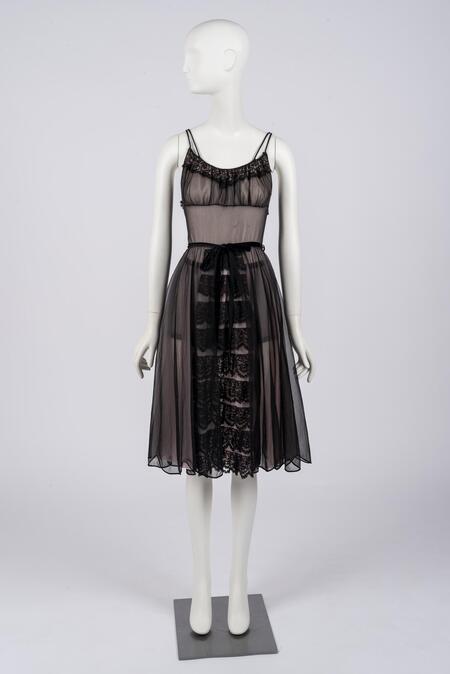
In the first half of the 20th century, lingerie motifs gradually began to integrate into evening fashion. Sheer fabrics, lace, soft draping, and shapes reminiscent of slips and nightgowns started being used not just in intimate apparel, but also in garments intended for public wear.The houses Callot Soeurs and Boué Soeurs played a vital role in this process, transferring materials and decorative techniques characteristic of the lingerie wardrobe into haute couture. During the 1920s and 1930s, evening gowns began to adopt lighter and more fluid silhouettes. This was particularly evident in the work of Madeleine Vionnet, where diagonal cutting allowed the fabric to freely follow the lines of the body.However, lingerie aesthetics did not necessarily imply nudity or the display of underwear. On the contrary, the forms familiar from intimate wear adapted to the demands of evening attire, retaining their decorative quality and elegance.Thus, a crucial stage in the development of lingerie style was the change in the function of familiar shapes. Elements associated with undergarments gradually stopped being defined solely by their original purpose and became part of an independent fashion aesthetic.
1.3. Body Transparency and Openness: Shifting Perceptions of Acceptable Attire in 1960s–1970s Fashion
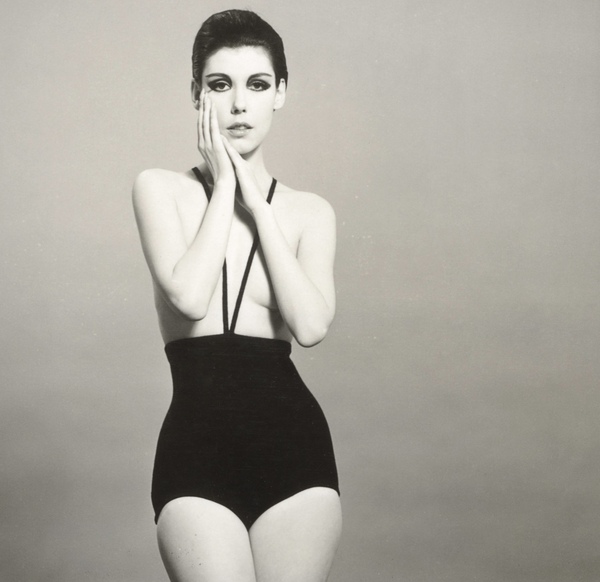
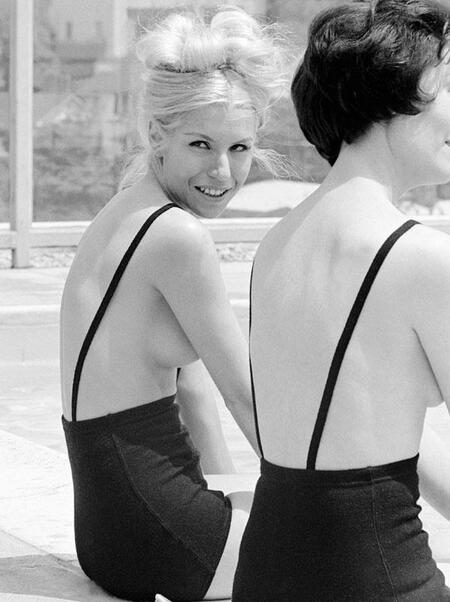
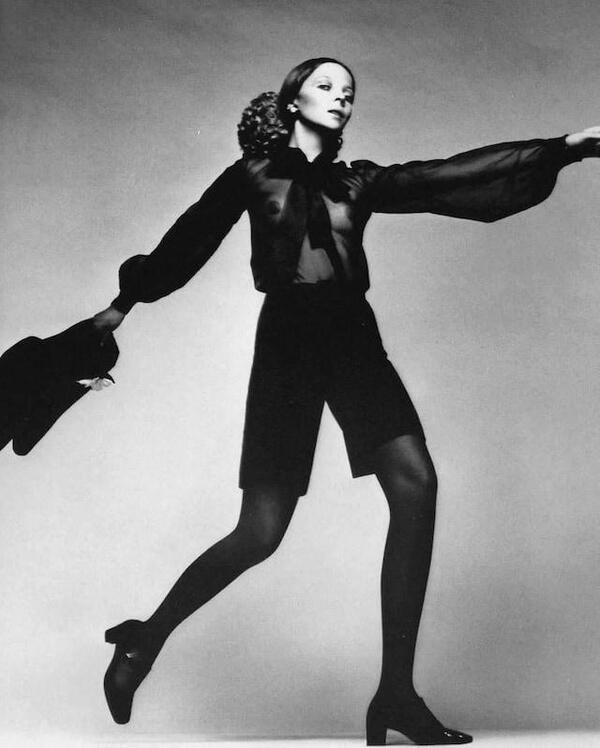
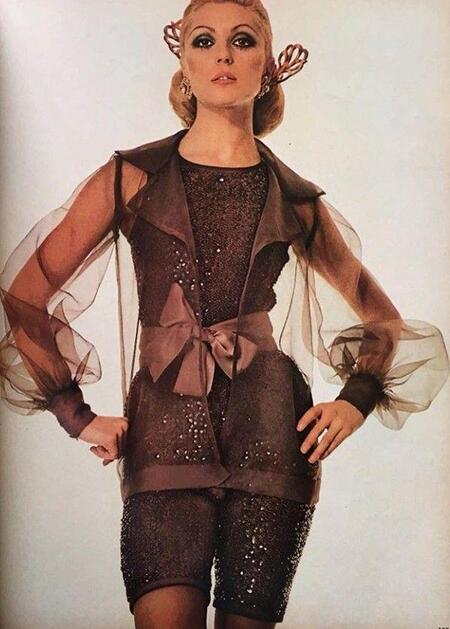
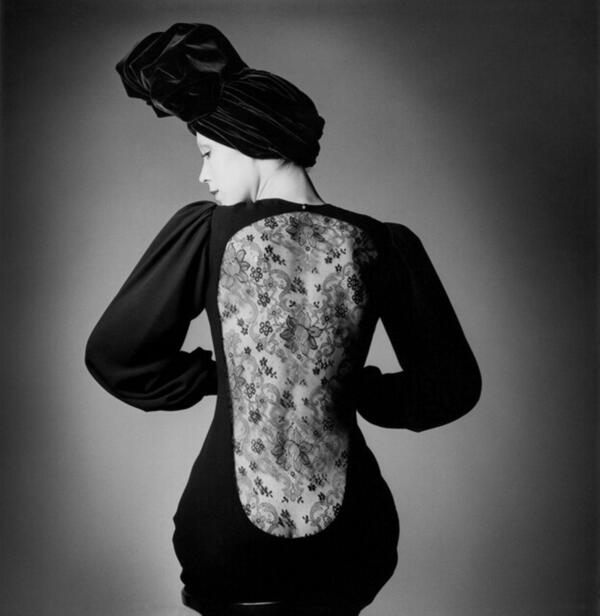
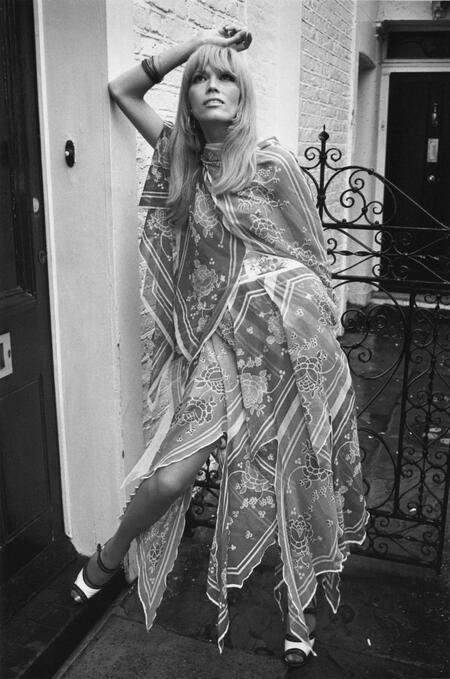
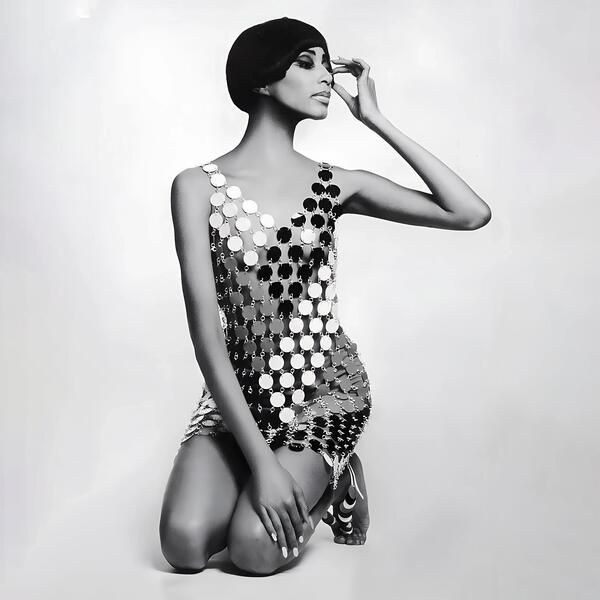
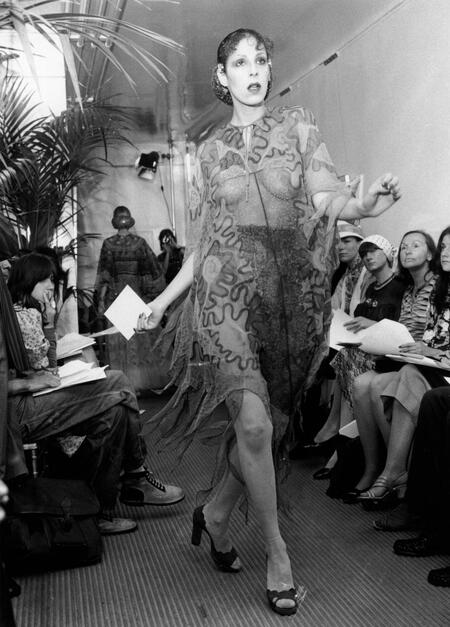
In the 1960s, against the backdrop of shifting societal perceptions of sexuality and the female body, transparency emerged as one of the most provocative devices in fashion. Designers began experimenting with sheer fabrics, open silhouettes, and materials that allowed for partial or complete exposure of the body. Clothing gradually ceased to serve solely as a function of concealment, transforming into a tool for visual interaction between the body and its surrounding space.One of the most radical examples was Rudi Gernreich’s 1964 monokini, which left the breasts entirely uncovered. Later, Yves Saint Laurent introduced sheer blouses and dresses where the body became an integral part of the composition. Unlike the evening wear of previous decades, where light fabrics primarily defined the silhouette, here transparency was used for the deliberate display of the nude form.In the 1970s, these experiments continued: sheer materials were combined with lace, layering, and exposed skin. Furthermore, this exposure did not always equate to a complete abandonment of clothing—it could be built upon the contrast between covered and visible parts of the figure.Thus, transparency contributed to a re-evaluation of the traditional boundaries between the clothed and nude body. These experiments became one of the precursors to the lingerie style of subsequent decades, when undergarments began to be intentionally displayed through sheer fabrics or utilized as a standalone element of the overall look.