MEDIA GOALS
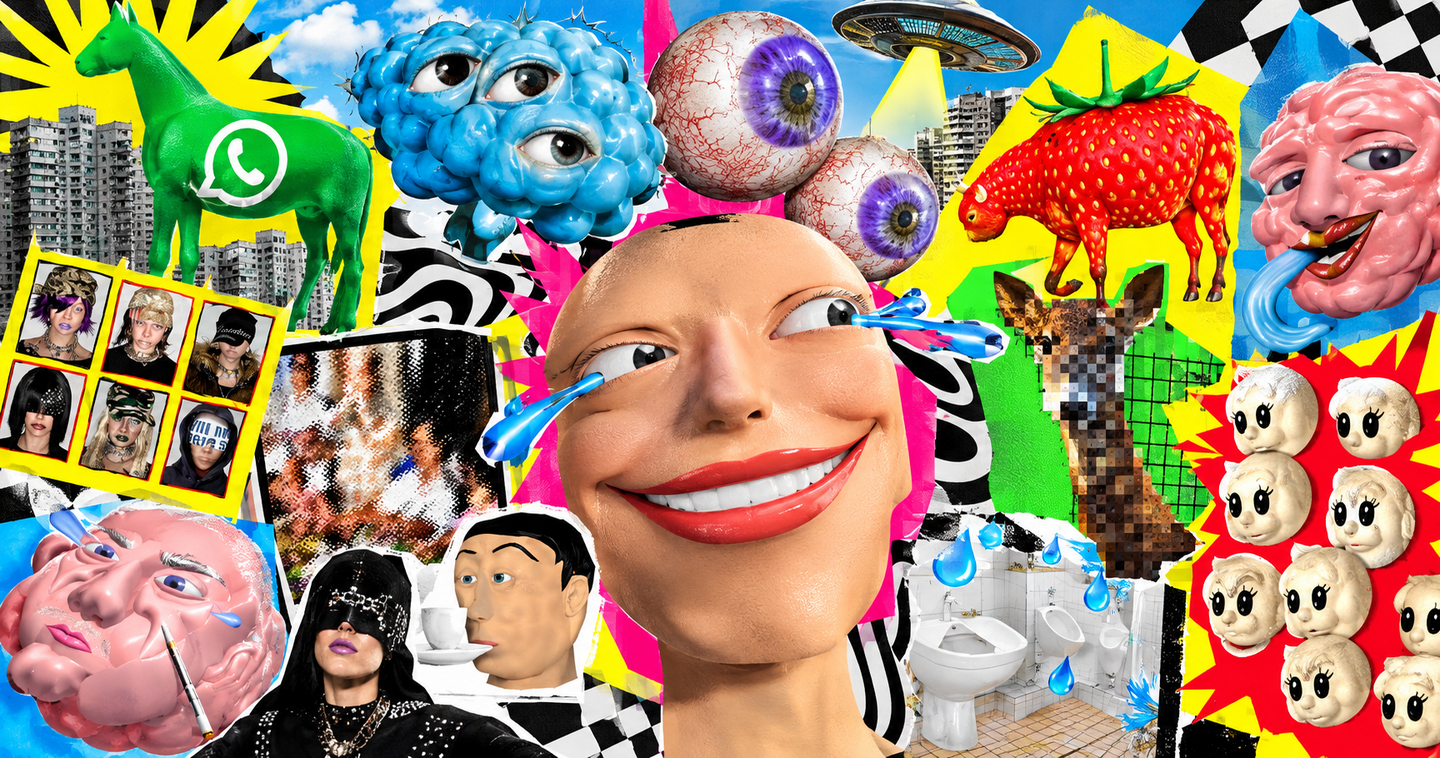
The goal of ODDLY Media is to explore the strange, absurd, and unconventional side of everyday life. The media strives to show that interesting things can be found not only in art, fashion, or design, but also in the most ordinary things: peculiar objects, ridiculous inventions, unusual human habits, and unexpected cultural phenomena.
ODDLY helps its audience look at the familiar world from a different angle, fostering curiosity and visual literacy. Through photographs, stories, collections, and media research, it introduces readers to things that usually go unnoticed, seem nonsensical, or fall outside conventional notions of beauty and aesthetics.The project’s main goal is to transform the strange into a source of inspiration and to show that the absurd can also be art, and the unusual does not necessarily need practical meaning. ODDLY creates a space for free perception, experimentation, and the search for new ideas, encouraging the audience not to fear the unconventional and to find beauty in the imperfect, illogical, and unexpected.
THEMES OF FUTURE MEDIA
Segment: contemporary visual and popular culture.Themes: the aesthetics of the strange, the absurd, and the unusual in everyday life.Thematic Focus Areas: Weird Objects Unusual objects, odd inventions, non-standard industrial design, and items with unexpected functions.*Visual Absurdity Absurdist imagery, surreal photography, unconventional visual solutions, and optical illusions.*Bad Taste Kitsch, tastelessness, excess, strange combinations of color and form, and unconventional design choices.*Internet Fever Absurdist memes, strange internet trends, digital phenomena, and unusual occurrences in internet culture.*Strange Places Unusual architecture, peculiar interiors, non-standard public spaces, and urban structures.*Forgotten Things Forgotten objects, defunct brands, obsolete technologies, and strange trends from the past.*Human Oddities Unusual human habits, strange traditions, illogical behavior, and everyday absurd situations.
COMPETITORS
Research Criteria
Topic and Positioning
What the media communicates about, what themes it selects, and how it differs from other projects.
Content and Formats
What materials are published: articles, photographs, collections, interviews, videos, and research.
Visual Identity
Color palette, typography, composition, photographic style, publication design, and overall aesthetic.
Target Audience and Tone
Who the content is created for, the language the media uses to communicate, and what audience needs it addresses.
Direct Competitors
These are media outlets that already cover unusual phenomena, strange stories, absurdity, and intriguing finds. They are the closest to ODDLY in theme and audience interests.
Oddity Central
A media outlet dedicated to unusual events, strange people, fascinating places, inventions, and works of art.
Theme: Strange and unusual phenomena from around the world.
Content: Articles, photographs, collections, and short stories.
Visual Identity: Emphasis on photography and illustrations, with a relatively traditional website design.
Audience and Presentation: People interested in unusual facts and intriguing stories.
Strengths: Clear specialization in the unconventional, thematic diversity, and a wide selection of stories.
Weaknesses: Primarily informational delivery, with less focus on experimental graphics and visual aesthetics as a standalone topic.
Bored Panda
Digital entertainment media covering pop culture, art, unusual photography, creative endeavors, and interesting daily life phenomena.Themes: peculiar stories, art, internet culture, humor, and everyday life.Content: visual collections, articles, interviews, photographs, and entertaining publications.Visual Identity: vibrant images, illustration-rich posts, and a clean interface. Audience and Tone: a broad audience that prefers light, visual, and entertaining content.Strengths: content diversity, accessible presentation, and the ability to quickly capture the reader’s interest.Weaknesses: broad thematic scope, which sometimes prevents the formation of a unified aesthetic concept; some material is oriented more toward entertainment than in-depth analysis.Indirect Competitors
These are projects that do not specialize directly in absurdity and strangeness, but rather engage with a similar audience: designers, artists, enthusiasts of visual culture, and people looking for inspiration.
It’s Nice That
Media covering contemporary creative culture, graphic design, illustration, photography, and new artistic projects.Focus: Contemporary art and creative industries.Content: Interviews, reviews, creative projects, articles, and curated selections.Visual Identity: Modern editorial graphics, diverse authorial visual styles.Audience and Tone: Creative community, students, designers, and artists.Strengths: High-quality project selection, strong visual component, work with emerging artists.Weaknesses: Primarily focused on the professional creative environment; unusual or absurd subjects are not a central theme.A24
Independent film studio that cultivates its own publishing and visual culture through books, collector’s magazines, and zine publications.Theme: cinema, contemporary culture, auteur creativity, art, and unusual stories.Content: themed zines, books, screenplays, photography, authorial texts, and supplemental materials for films.Visual Identity: minimalist, conceptual, and collectible aesthetic, with meticulous attention to paper, printing, composition, and design details. Audience and Presentation: fans of auteur cinema, contemporary art, and independent culture. The presentation is atmospheric, authorial, and focused on emotional reception.Strengths: brand integrity, high-quality work with print formats, original publication concepts, and attention to detail.Weaknesses: publishing projects are primarily tied to cinema and A24's own cultural ecosystem, rather than a systematic exploration of everyday absurdity.Potential Competitors
These are projects and formats that do not necessarily have the same specialization as ODDLY yet, but could become competitors in the future if they begin to actively develop themes related to strange, absurd, and unusual visual culture.
Boutique Telegram and Instagram Media Focused on Visual Culture.
Small, independent projects that publish unconventional photography, peculiar finds, memes, design experiments, and visual compilations. These accounts can gradually evolve into full-fledged media outlets with their own editorial team and identity.Independent Art Journals and Design Publications.
Print and digital magazines dedicated to contemporary art, experimental design, and alternative culture. They can expand their thematic scope and begin publishing special issues dedicated to absurdity, kitsch, and the aesthetics of the strange.Large Entertainment Platforms and Online Publications.
Popular media outlets can create dedicated topical sections focusing on unusual phenomena, strange objects, and internet trends, thereby engaging their existing audience.Strengths of potential competitors: format flexibility, the ability to quickly respond to trends, and an established audience and resources.Weaknesses: lack of narrow specialization, inconsistent content, and the absence of a unified concept and visual identity.Competitor Analysis Findings
ODDLY does not simply fit into the existing media landscape—it carves out its own niche where the strange becomes an aesthetic category. Oddity Central merely documents the unusual, while ODDLY investigates its nature, visual language, and cultural context. Bored Panda diffuses its focus across a broad spectrum, whereas ODDLY succeeds through a narrow theme and a recognizable visual code. Furthermore, unlike It’s Nice That or A24, it does not limit itself to professional art—the absurd and aesthetically valuable exists right in everyday life.
DISTRIBUTION CHANNEL
For the dissemination of ODDLY, we propose utilizing a combination of digital and print channels. The primary focus will be on social media, which allows for rapid distribution of visual content, attracts a new audience, and builds a dedicated community around the media. Supplementary channels will include the website and a periodical print publication, enabling a deeper exploration of the subject matter and the creation of a more independent editorial product.
Instagram — Primary ChannelA platform for publishing visual collections, unconventional photographs, short stories, and graphic experiments. Thematic carousels, Reels, visual observations, and announcements of new content will appear here. Instagram will be the main tool for shaping the visual identity of ODDLY and attracting an audience. Website — Main Editorial HubA space for in-depth articles, interviews, research, and topical features. The website will feature large collections of unusual objects, narrate the history of their appearance, analyze strange design solutions, and introduce readers to interesting creators. It will serve as the archive for ODDLY’s materials.Telegram — Supplementary ChannelA platform for more informal communication with the audience. Short notes, interesting discoveries, bizarre photographs, links to unusual projects, and new issue announcements will be shared here. Telegram will allow for continuous contact with readers and the sharing of materials that do not require a dedicated, extensive publication.Print Magazine — Collector’s FormatA periodic print publication released in thematic issues. Each issue will be dedicated to a specific facet of the strange and absurd—unconventional objects, visual tastelessness, bizarre locations, or internet phenomena. It would be especially compelling to create the print magazine with non-standard page formats, unique covers, and experimental typography and layout.
TARGET AUDIENCE
ODDLY primarily operates in the B2C (Business-to-Consumer) space—catering to individuals interested in unusual phenomena, contemporary visual culture, design, art, and the absurdity of everyday life. Additionally, there is a B2B (Business-to-Business) offering for creative spaces, independent bookstores, concept stores, and cultural venues that value unconventional content and collaborations with independent media. Ultimately, this results in four client segments: three in B2C and one in B2B.
B2C. Segment 1. «The Visual Inspiration Hunter»Who: aspiring and practicing designers, illustrators, photographers, artists, and other creative professionals. Context: they constantly browse Pinterest, Instagram, and design platforms, saving unusual images and tracking others' work—but often run into a shortage of fresh ideas and references. What they want: to find non-standard visual solutions, develop their visual literacy, discover unusual combinations of colors, shapes, and objects—and be inspired outside of conventional trends. Why ODDLY: the media collects visual phenomena that cannot be found in typical design compilations, helping users see ideas even in the most bizarre and unexpected things. What we offer: visual compilations, reviews of unique objects, experimental graphics, photography, and interviews with artists and designers.
B2C. Segment 2. «The Cultural Explorer»Who: Individuals passionate about contemporary art, independent culture, subcultures, fashion, and architecture.Context: They follow exhibitions, independent journals, and cultural events, and enjoy discovering niche trends before they become mainstream.What they want: To learn about unconventional cultural phenomena, discover new artists and projects, and understand the context behind strange trends and non-standard directions.Why ODDLY: The media approaches culture from an unexpected angle—not just recognized art, but also absurd and provocative creative expressions.What we offer: Articles on unusual cultural phenomena, exhibition and project reviews, interviews with creative individuals, and explorations of visual trends and subcultures.
B2C. Segment 3. «The Eccentric Enthusiast»
Who: Individuals who enjoy absurdist humor, unusual photography, memes, quirky objects, and internet phenomena—anything that deviates from the conventional worldview. This doesn’t necessarily have to be within a creative sphere.
Context: They spend a significant amount of time on social media, consume entertainment content, share unusual finds with friends, and save amusing images. They quickly become fatigued by repetitive posts.
What they want: To be surprised, entertained, discover unique content, and share it—to uncover things they hadn’t even considered before.
Why ODDLY: The media transforms the peculiar into a distinct aesthetic, where surprise, laughter, and the question, «Who even thought of this?» coexist.
What we offer: Short visual compilations, strange facts, unconventional photographs, absurd stories, internet trends, and features on bizarre everyday occurrences.
B2B. Segment 4. «Creative Spaces»
Who: Independent bookstores, concept stores, art spaces, galleries, creative studios, and small cultural venues—owners and organizers who cultivate a vibrant cultural environment around them.
Context: They constantly engage with audiences, host events, exhibitions, and creative gatherings, and look for unique collaboration projects to attract visitors and shape their own atmosphere.
What They Want: Engaging content for their audience, new collaboration formats, additional publicity opportunities, and connection to the creative community.
Why ODDLY: Our media unites people who are drawn to unusual visual culture, and we can serve as a partner for joint events, exhibitions, and special projects.
What We Offer: Joint exhibitions and events, thematic print editions, features on creative spaces, curated selections, and collaborations.
Below are composite characters designed to represent real potential readers and to illustrate exactly how they will interact with ODDLY.