INDEX
1) Concept 2) Genesis of Art 3) Methods and Materials 4) Meaning of Imagery 5) Conclusion
Concept
Research Topic
The Upper Paleolithic period marks the emergence of art as such—sculpture, painting, and engraving. The animal motif is considered a central theme of this era. Birds, mammoths, bison, bears, and even bees—creatures that were targets of the hunt and sources of human fear—became the primary focus of early human study. It is paradoxical how much attention people dedicated in their art to a simple animal that they were meant to hunt. They depicted animals more frequently and with greater detail than they depicted themselves. Theme is relevant for anyone interested in examining humanity’s earliest works, created according to modern principles of composition, proportion, and dynamics. The research will also address the eternal question of the relationship between humans and animals, a topic raised for the first time.
Principles for Material Selection in Visual Research
Principles for Selecting Research Visual Material include several criteria. First, there is the diversity of examples: the study will be built on the analysis of artifacts from different Paleolithic periods, such as Aurignacian and Magdalenian, which will allow us to cover the widest possible range and observe the evolution of human craftsmanship during that time. Second, there is the diversity of art forms: the examples will include cave paintings, engravings, miniature figurines, and large cave sculptures. And third, there is the principle of high-quality documentation: the visual materials will be selected so that each image is presented in high fidelity to accurately convey the characteristics of the exhibits.
The Principle of Visual Research Categorization
Research Structure will consist of three major sections. The first, The Genesis of Art, will cover the temporal characteristics of the period and present a selection of depicted animals and examples of art media—allowing us to form an approximate picture of the primitive human worldview. The second, Methods and Materials, will focus on the mastery of the artists of that time: what materials they used and what methods, which might seem modern, they employed in their works. The third section, The Meaning of Imagery, will examine existing hypotheses regarding the role of animals in the life of early humans, accompanied by relevant visual examples.
Principles for Selecting and Analyzing Textual Sources
Textual Sources are selected based on several criteria: first, they include primary archaeological publications, which provide reliable information on Paleolithic historical details. Second, we utilize museum catalogs to extract not only high-quality images but also the provenance and creation stories of specific artifacts. Third, we reference monographs by specialists who share their hypotheses regarding the origin of the artworks.
Key research question and hypothesis
Why did prehistoric people place such great importance on the animal world, and what functions did the animal image serve in this context? The research hypothesis is that animals in Paleolithic creativity were not merely hunting subjects, but active elements of humanity’s worldview system, helping individuals comprehend themselves and their place in the world.
The Genesis of Art
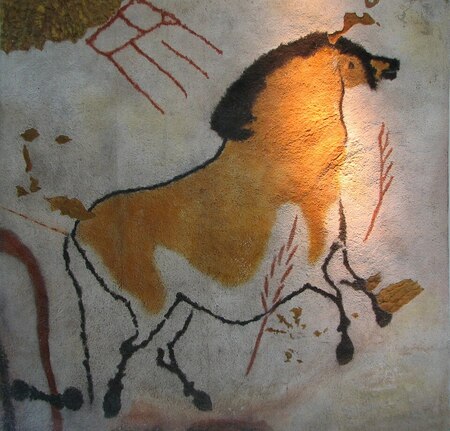
The Horse. Altamira Cave — approximately 36–13 thousand years BCE.
The Upper Paleolithic—or Late Paleolithic—is an epoch of the Stone Age spanning approximately 40,000 to 10,000 years ago. This period marks the dawn of prehistoric art, which is divided into monumental cave painting and portable, smaller forms of art.
Most interestingly, the themes on the artifacts focused on the most diverse animals, executed in various techniques.
When discussing prehistoric art, we often think solely of cave paintings, but in reality, during the Paleolithic era, masters were already skillfully working with engravings and mobile art forms. Animals decorated stone dwellings, tools, and served as heroes in miniature sculptures.
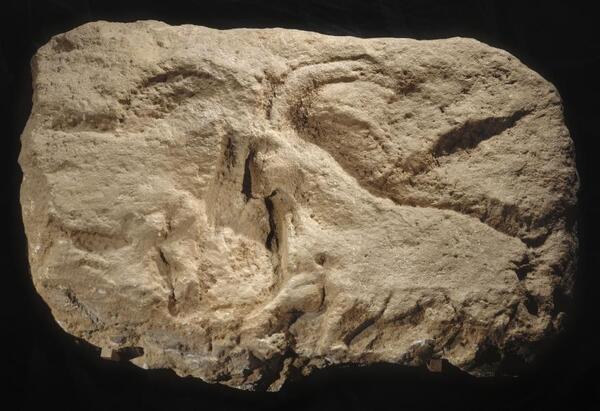
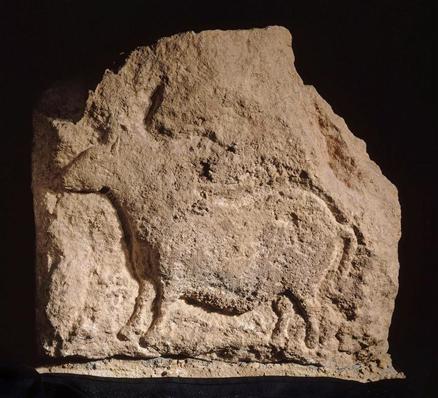
The Mountain Goat and the Cow. Rock de Serre—approximately 26–23 thousand years ago.
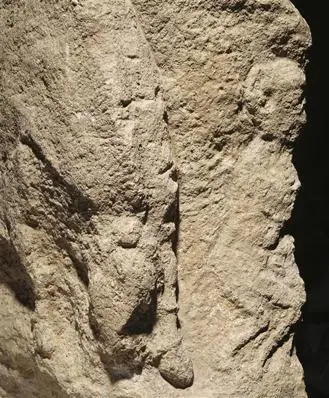
One example of a printmaking piece is the Roc de Cers section, located in the Roc valley in the commune of Cers (Sharonne). The block depicts about 15 different animals and only a few human figures.
The most frequently depicted animals in the Paleolithic period were horses and bison, followed less often by predators, mammoths, deer, and goats. It is noteworthy that the choice of animal was not entirely dependent on what humans ate; for example, inhabitants of the Chauvet Cave frequently depicted horses, lions, and rhinoceroses, yet despite primarily subsisting on reindeer meat (the cave was full of their bones), depictions of deer were the least common.
Following geometric patterns, which are often interpreted as symbols, animal depictions are the most numerous in Paleolithic art. However, not all species are represented equally—on the contrary, they are strictly hierarchized. The vast majority are large herbivores. The categories of horses and cattle (bison and aurochs) alone account for half of the animal imagery, comprising 30% and 20% of the bestiary, respectively. Next in frequency are deer (or elk), ibex, mammoths, aurochs, and reindeer: these make up 40% of the depicted animals. Representatives of the feline family, bears, and woolly rhinoceroses are not numerous (6%), while fish, especially salmon, and birds appear less frequently (only 2%). Finally, some large herbivores are rare (1%): muskox, moose, antelope… Among the least represented species are canids (wolf, fox), mustelids (wolverine, fisher), hares, or even marine mammals, especially seals. Lastly, almost no complete categories of animals exist: reptiles, amphibians, and insects.
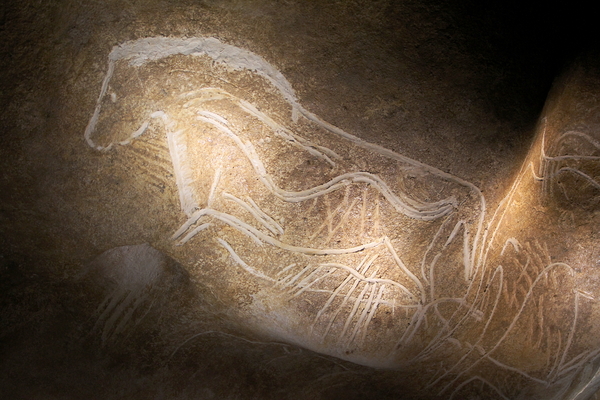
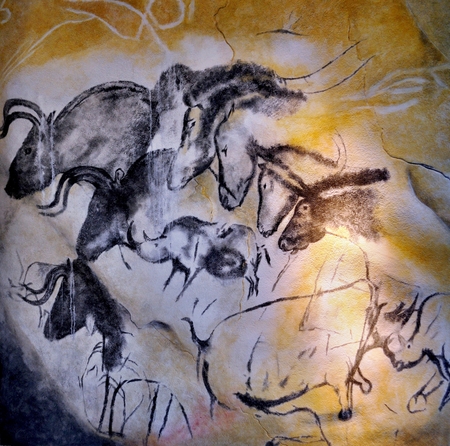
Horses and Bison. (COPY OF SHVEE CAVE ORIGINAL DRAWINGS) Original — approximately 36,000 years ago.
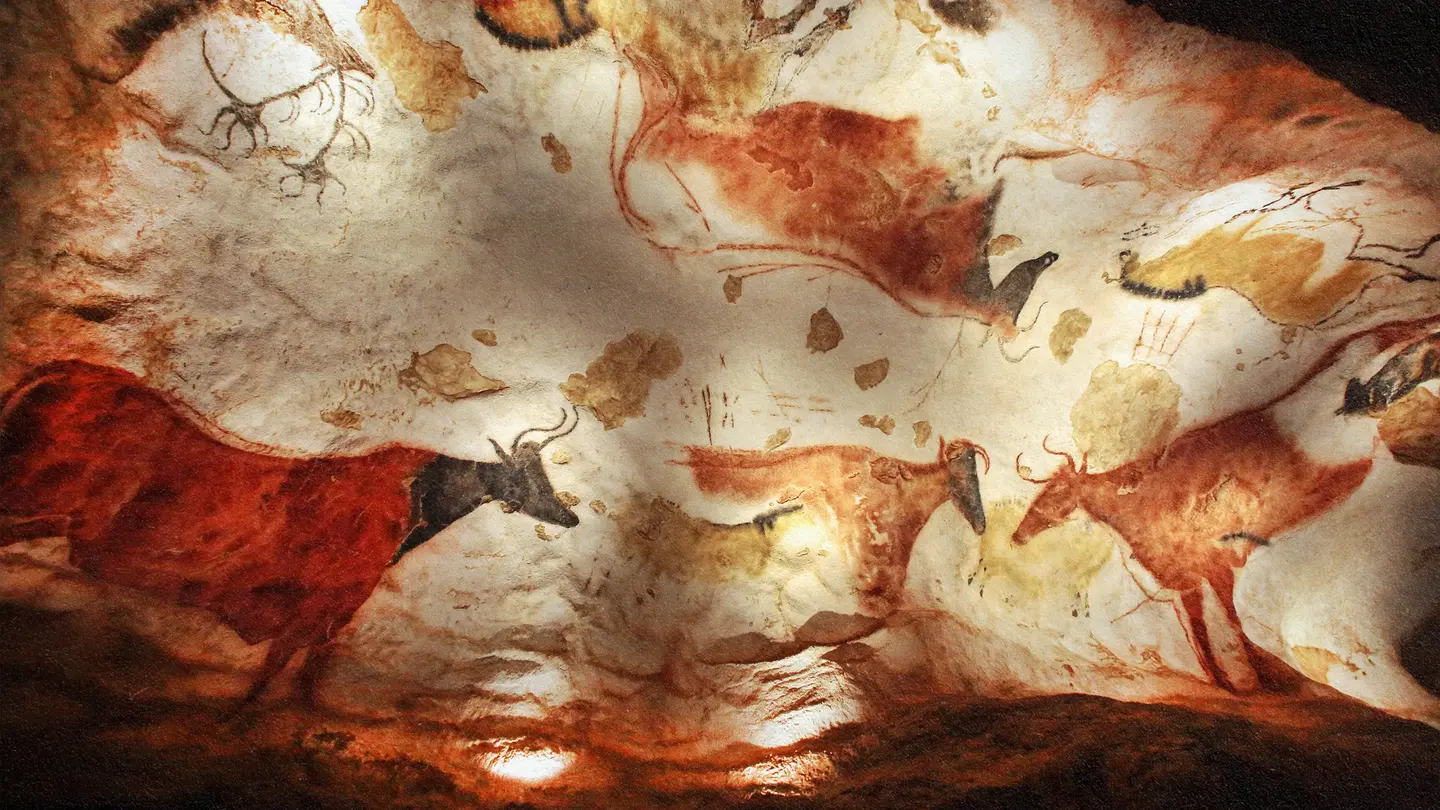
Chauvet Cave—one of the oldest caves with prehistoric cave paintings discovered—was found relatively recently, in 1994. Inside, there are approximately 400 drawings; although the cave is closed to visitors, an exact replica was created in 2015 for public viewing.
One example of mobile art is bone engraving.
Moose from Shapo — Approximately 15,000 years ago.
For a long time, Les Biches du Chaffaud was considered an artifact belonging to Celtic culture: at that time, the very existence of primitive art had not yet been recognized. The engraving on the reindeer bone depicts two running deer.
The bone also illustrates a wing, the significance of which remains unknown. This suggests that the image on the engraving is not merely a reflection of reality (the wing cannot exist separately from the bird), but rather an attempt to convey a message through an imagined image.
Methods and Materials