Concept
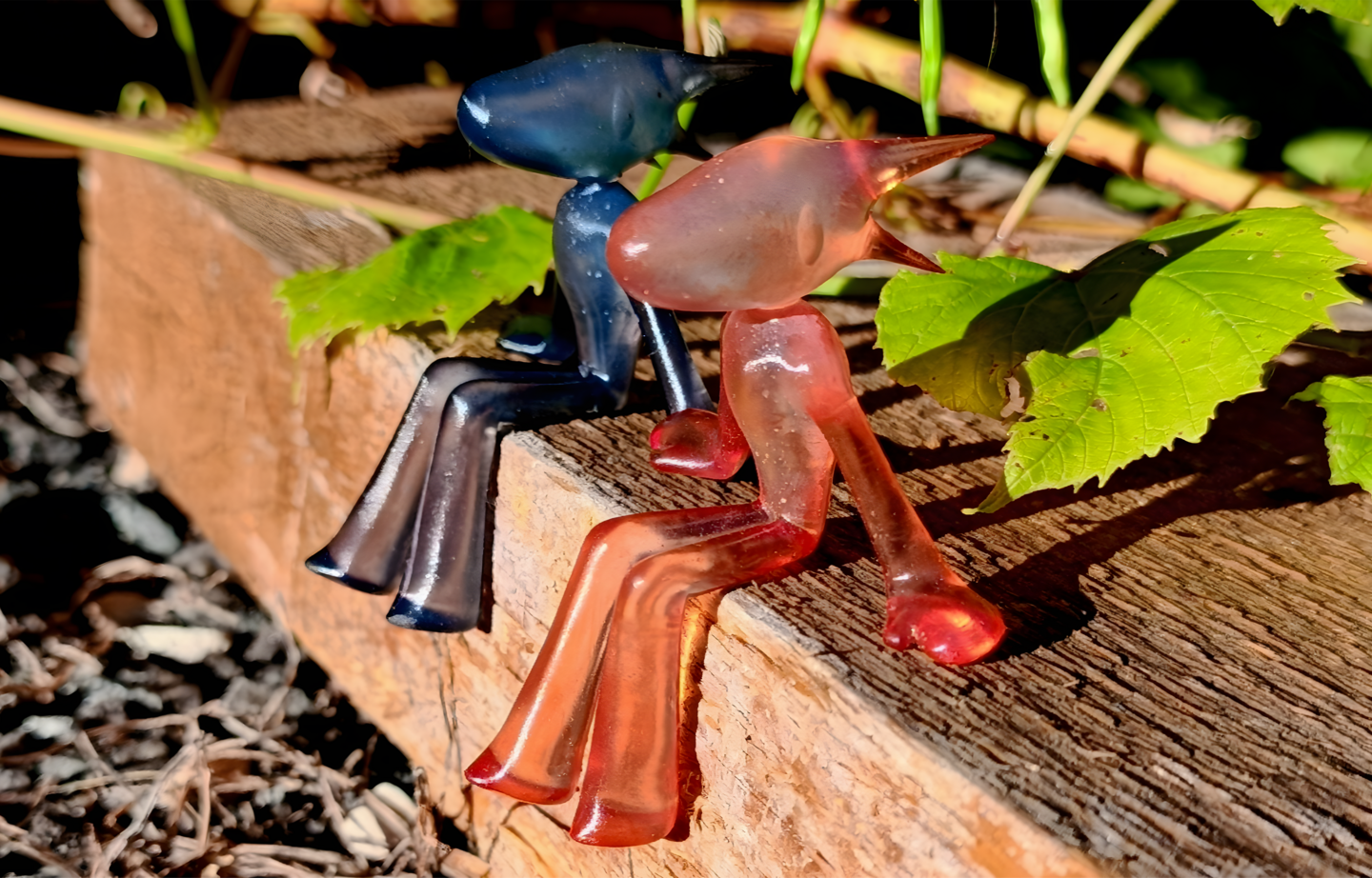
My media project, «Mimyakish Workshop,» is a channel detailing the entire journey—from a 3D model to revenue earned from selling a figurine at an art market. I showcase the entire production and sales process: how I model, print on a photopolymer printer, paint, package, transport to the market, and sell. This is all presented with concrete figures, pricing, mistakes, and failures, because it is that specificity that distinguishes trust from mere interest.
The concept is built on three elements that my direct competitors lack. First is the full production cycle, rather than just fragments. Competitors show isolated stages, but I demonstrate an end-to-end path where every step connects to the previous one and leads to a sale. Second are real numbers instead of generalized statements. I openly share the cost of resin and equipment, the time required for printing and painting. Third is the Russian art market as a specific sales channel. I illustrate how to prepare a booth, how to interact with a buyer, and what items sell well versus what doesn’t sell at all.
The media’s tone is calm, technical, and candid—the voice of a craftsman in the workshop who isn’t pretending to be a guru. The main platforms are TikTok for attracting new viewers through short videos of the process, and Telegram for retention through a daily journal, data insights, and drop announcements. Together, they create a complete funnel loop: TikTok brings in new people, and Telegram converts them into a loyal community and customers.
Semi-Annual Thematic Plan
Month 1. Introduction
The first month I am dedicating to establishing who I am and what I plan to share and discuss. On TikTok, I’m posting short videos featuring printing time-lapses, before-and-after paint jobs, and initial insights, such as three beginner mistakes when using a slicer. In Telegram, I am keeping an introductory journal, showcasing my workspace, my shelf of figures, and my printers, publishing posts about the cost to 3D print a single figure, and launching a poll to find out what interests the audience the most.
Month 2. The Complete Process of One Figure
For the second month, I’m taking one figure from sketch to finished product. I post clips of every stage on TikTok—from modeling in Zbrush to removing supports and priming. On Telegram, I share screenshots from the modeling and print preparation software with commentary, posts about consumables, and polls to decide what to create next.
Month 3. Coloring and Packaging
For the third month, I am focusing on painting and preparing pieces for sale. On TikTok, I release videos featuring close-ups of painting, my top 3 brushes for miniatures, and packaging a figure for a marketplace. On Telegram, I show my color palette and the painting process, post an article detailing how I determine the figure’s price, and launch a poll asking the audience how much they would pay for such a piece.
Month 4. Art Markets
For the fourth month, I am dedicating my time to preparing for and participating in the art market. On TikTok, I post vlogs from the market, clips about three things I forgot to bring, and about the strangest customer request I received. On Telegram, I post an update about what didn’t sell and why, photos of my booth, and a thank you to my customers.
Month 5. Economics and Scaling
In my fifth month, I’ve been diving into the economics of my venture. On TikTok, I post short videos detailing the cost of a single figure, the markup percentage, and what sells most profitably. In Telegram, I share spreadsheets of expenses and revenue, posts about which figures break even fastest, and polls to gauge what the audience would like to see in the next drop.
Month 6. Results and Plans
In the sixth month, I dedicate time to reviewing the first half of the year and planning for the future. I release short videos on TikTok featuring the best moments from the past six months and announcing a new drop. On Telegram, I post a summary of subscribers, sales, and revenue, a poll asking the audience what they want to see next, and an announcement for the new season.
Content Samples
1. TikTok, printing time-lapse
A thirty-second vertical video showing the printer creating a figurine from the first layer to the finished product. The footage is sped up, accompanied by a rhythmic trending track, and the finished figurine appears in someone’s palm at the end. In the description, I mention that I have posted a full breakdown of the process and all the metrics on Telegram.
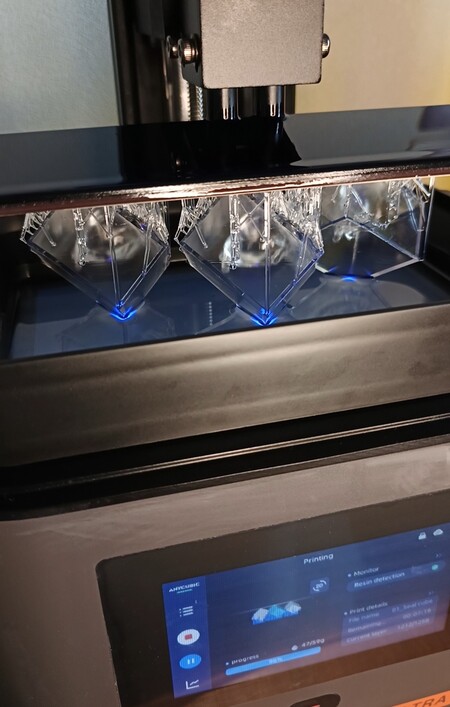
Hook. This is what happens to the figurine over four hours.Development. An accelerated video of the 3D printer, from the first layer to the finished figurine. Close-ups of the build plate, resin, and printer movements. The finished figurine in someone’s palm at the end.Conclusion. A complete breakdown of the process and statistics on Telegram.
2. TikTok: Before and After Color Change
A twenty-second vertical video. It starts by showing a gray, printed figurine, followed by a sharp transition to the same figurine, now painted. The shots are close-ups, accompanied by a trending transition sound. At the end, I show the figurine against a backdrop of shelves displaying other works. In the description, I ask which figurine I should paint next.
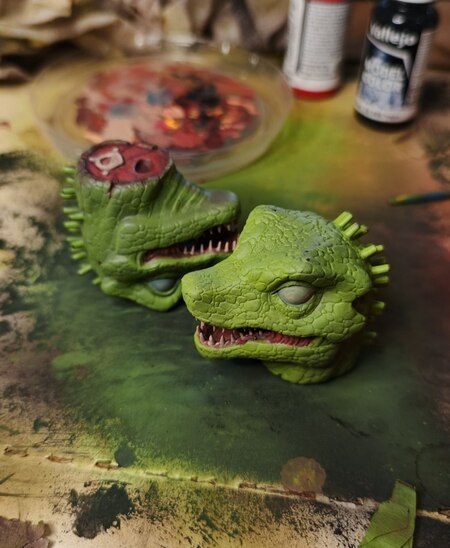
Hook. A gray figure versus a painted one.Development. A frame featuring a gray printed figure transitions sharply to the same figure, now painted. Close-ups of details—the face, the weaponry. The figure is set against a background shelf filled with other works.Conclusion. Which figure should be painted next? Tell us in the comments.
3. Telegram post about the cost of one figurine
Text post with a photo of the finished figurine and a cost breakdown table. I detail the cost of the resin, consumables (gloves, wipes, alcohol, replacement film, sandpaper), the time spent on printing, post-processing, painting, and packaging. Finally, I list the total price on the marketplace and show the net profit. I conclude by asking the audience what price they would set for such a piece.
I’m often asked how much it costs to 3D print one figure. If you only count the resin, it seems like pocket change, but the reality is quite different. Here is my latest piece, and I’ve calculated everything transparently. About 45 grams of resin went into this figure, which is roughly 250 rubles. Isopropyl alcohol for washing, gloves, wipes, ACF film, and sandpaper for smoothing supports—that’s another 150 rubles. Primer, paints, lacquer, and packaging added another 200 rubles. Electricity for printing, curing, and the lamp operation cost about 80 rubles. Then there’s the time. Printing took 6 hours; post-processing—removing supports, washing, and curing—took another 1.5 hours. Painting in three layers with details took 4 hours. Packaging and preparing for the market took 30 minutes. That’s nearly 12 hours of work in total. If I factor in my hourly rate of 500 rubles, that adds another 6,000 rubles to the cost of goods. The total cost comes out to around 6,700 rubles. I list the price at the market as 9,500 rubles, which gives me a net profit of about 2,800 rubles per figure. Some people might say it’s expensive, but I’m no longer embarrassed to set a proper price. What price would you set for this kind of work?
4. Telegram poll regarding the next video
Text post with a poll asking what to film next.
What should I tackle next? Options include ZBrush modeling, 3D printing and slicing, painting a miniature, or a marketplace/sales feature. Voting will last exactly twenty-four hours. I will create the content that receives the most votes and show the entire process. If you want to see something specific—for example, an analysis of slicing errors or the economics of a single figure—please comment below, and I will add it to the list.
5. TikTok: Three Beginner Mistakes in Slicer