Concept
Research Description
Research Subject: The artistic culture of Ancient Greece in the 5th century BCE. Research Object: The methods of visually embodying mythological narratives in Ancient Greek art of the 5th century BCE, their symbolism, and artistic characteristics. Research Goal: To identify how Ancient Greek masters visualized myths and what artistic means they employed to convey their content.
Chapter I. The Gods of Olympus: Myth as an Image of the Divine
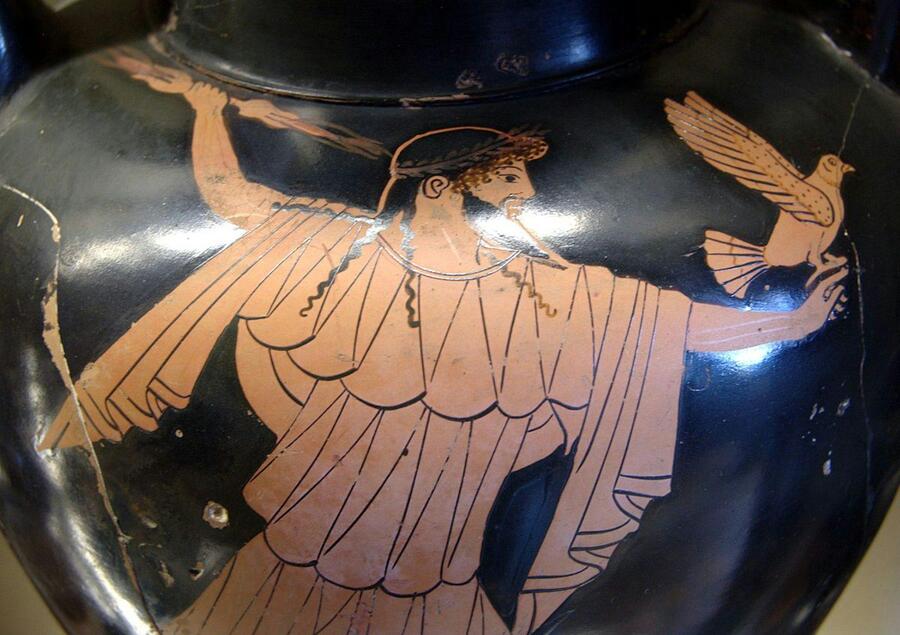
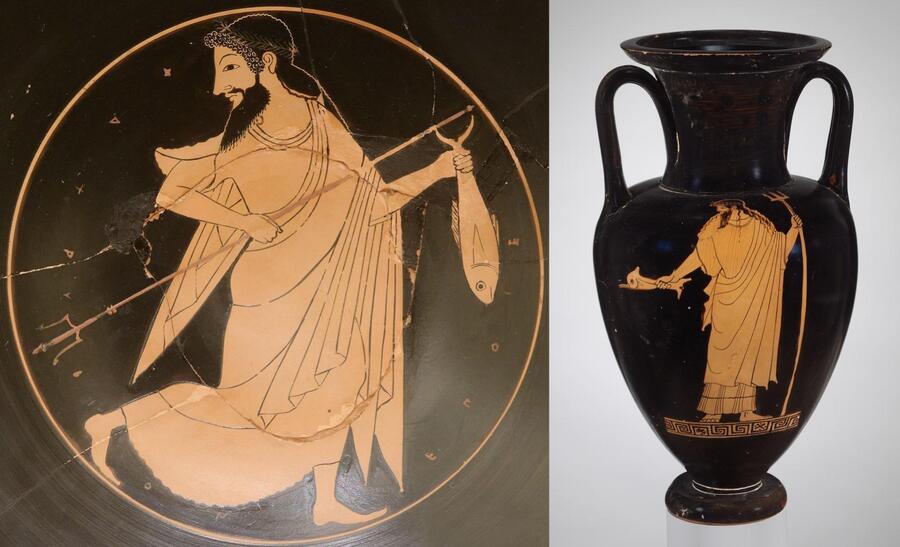
Zeus with a thunderbolt. Red-figure vase painting, 5th century BCE. Attic ceramics. The image of the supreme god is presented through his primary attribute of power—the thunderbolt.
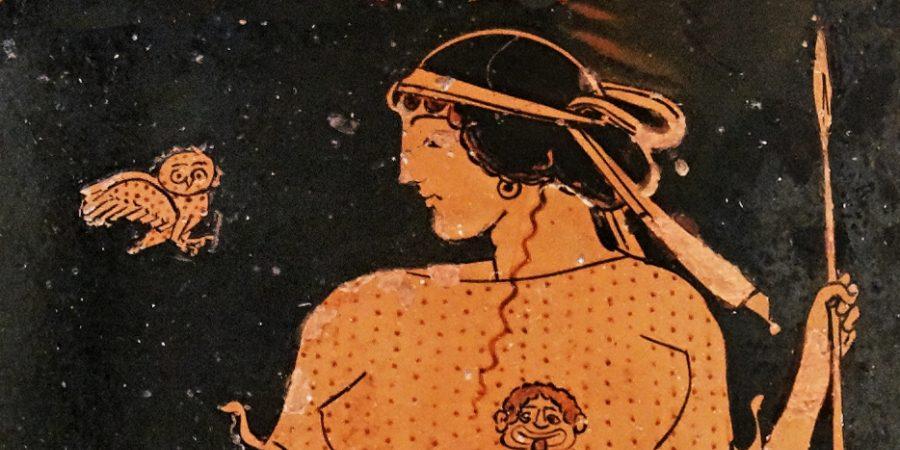
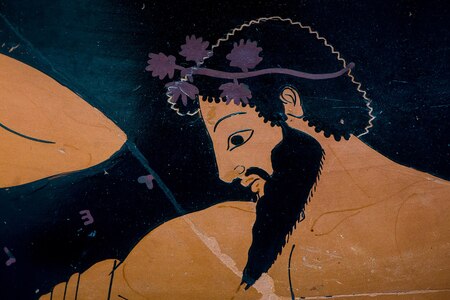
In ancient Greek art, the depiction of deities held a special place. The Greeks portrayed gods as immortal beings possessing supernatural power, yet they endowed them with human traits, emotions, and personalities. They could experience love, jealousy, anger, envy, and compassion, intervening in human lives—aiding heroes or obstructing their actions. Because of this, the divine world became comprehensible to humans and acquired recognizable visual forms.