What matters in my photography is not where it was taken—in Moscow or Nizhny—the main thing is conveying the emotion.
Navigation
Research Concept Alik Yakubovich: Photographer and His Work Emotions in Theatre: From Stage to Photography Anticipation and Tension Vulnerability and Intimacy Joy and Liberation Drama and Despair Triumph and Release Conclusion
Research Concept
Theatrical emotions are not always conveyed through facial expressions. They can manifest in gestures, body posture, movement, gazes, and the interaction between performers. Sometimes, an emotional state is communicated through details of the setting—the dressing room, the stage scenery, or the backstage environment. Photography allows us to capture these manifestations and showcase theater not only from the audience’s perspective but from within.
For my research, I chose Alik Yakubovich’s photobook, «City of Opera and Ballet.» I was drawn to the emotionality of his photographs and his ability to convey the atmosphere of theatrical life. The book features photographs from performances, rehearsals, and behind-the-scenes moments, allowing one to trace how emotions surface in different circumstances.
The main hypothesis of this study is that the emotional quality of theatrical photography is created not just by facial expression, but by the totality of visual elements: body language, gestures, poses, human interaction, and the surrounding space. Furthermore, the photographer’s unique perspective plays a vital role—the selection of the moment, the angle, and the composition determine how the viewer perceives the depicted experience.
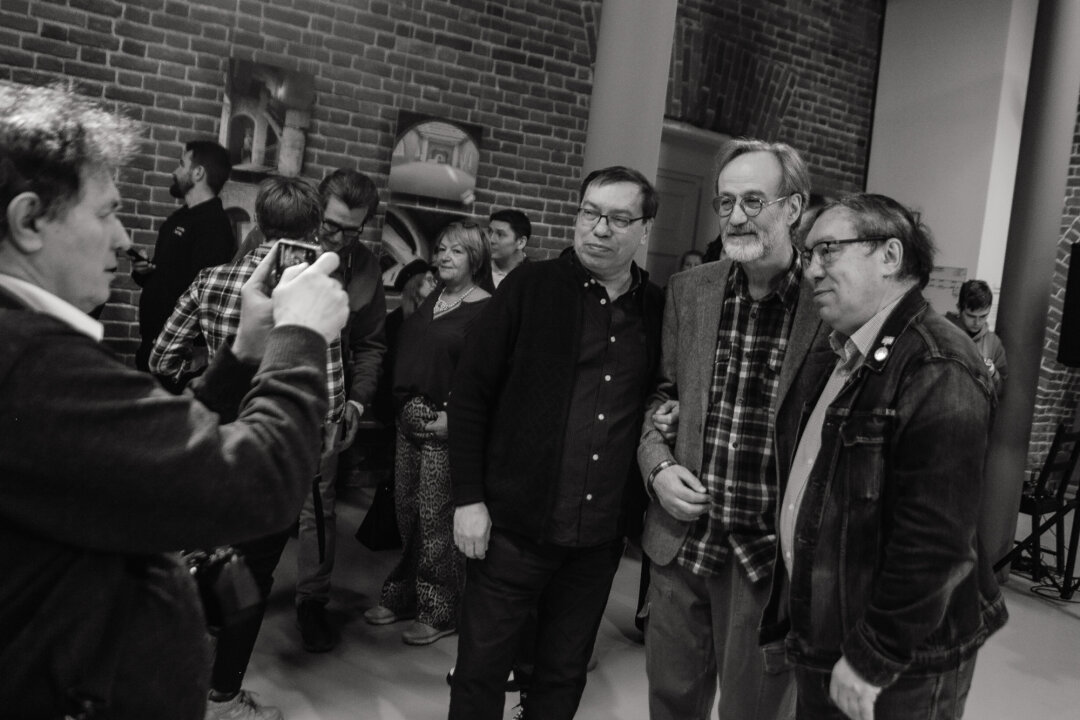
Fig. 1. Opening of the exhibition «My City» by Alik Yakubovich.
At the beginning of this study, I will examine the personality and creative work of Alik Yakubovich, while also referencing other photobooks and photographers who have worked with the theme of theatre. This will establish the context necessary for further analysis. The main body will focus on five emotional directions identified in the photographs «City of Opera and Ballet»: anticipation and tension, vulnerability and intimacy, joy and liberation, drama and despair, and triumph and release.
For each direction, I will select photographs in which the emotional state is revealed through various visual techniques. In my analysis, I will pay attention to composition, light, angle, body language, facial expressions, and spatial details. The comparison between stage and backstage photographs is particularly significant—it allows us to see how the artist’s emotional expressiveness changes depending on the situation.
The theoretical foundation of this research will be built upon interviews with Alik Yakubovich, publications about his work, materials on the history of theatrical photography, and studies of photobooks. These will be used to understand the photographer’s artistic approach and the historical context of the works under consideration.
The goal of this research is to demonstrate the photographic means through which emotions are conveyed in the theatrical environment and how Alik Yakubovich’s unique perspective reveals them not only through stage action but also through the daily life of the theatre.
Alik Yakubovich: Photographer and His Work
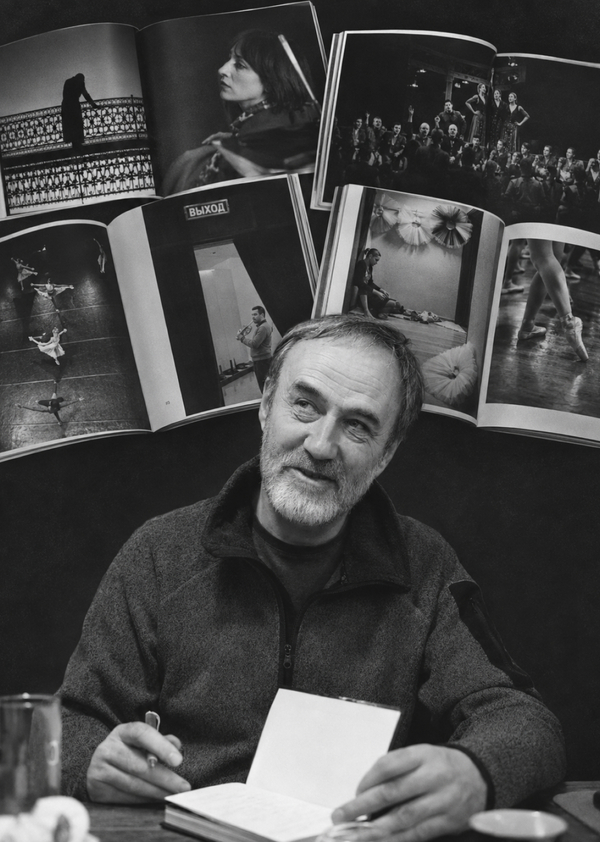
Fig. 2. Alik Yakubovich in the studio. Photo by Yulia Gorshkova.
Fig. 3. Alik Yakubovich’s Studio.
Ill. 4. Photo Book by Alik Yakubovich.
Alik Yakubovich is a Nizhny Novgorod photographer and poet. He began his journey in photography in the late 1970s, working at the «Poisk» studio under Yuri Shpagin, and later studied with Alexander Lapin. His artistic work is rooted in black-and-white street photography. The author refers to his studio as a unique space where the work of photography becomes an integrated part of daily life.
Fig. 5. Alik Yakubovich. The rock band «Auktsyon» performing in Minin Square, Nizhny Novgorod, 1990.
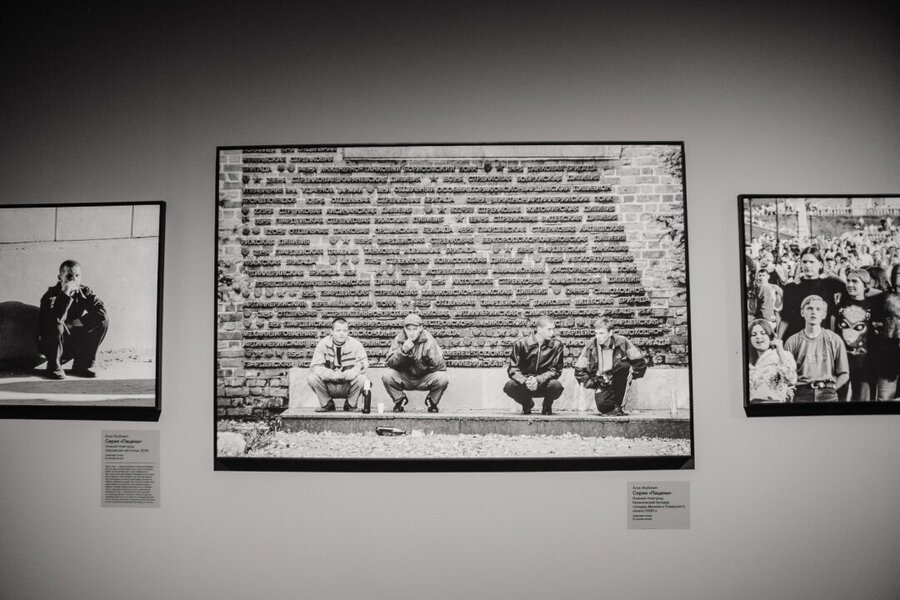
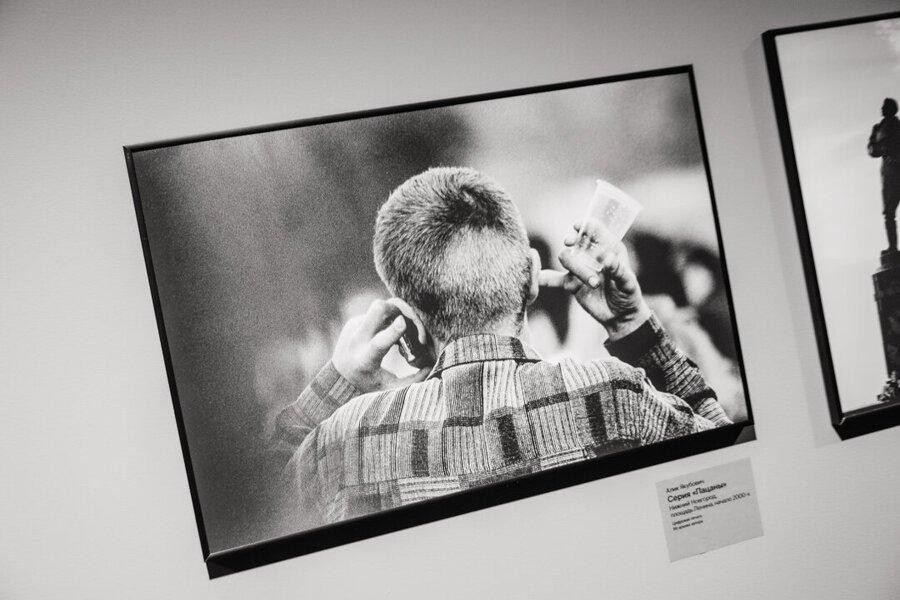
Fig. 6. Alik Yakubovich. Photograph from the series «Boys.» Fig. 7. Alik Yakubovich. Photograph from the series «Boys.»
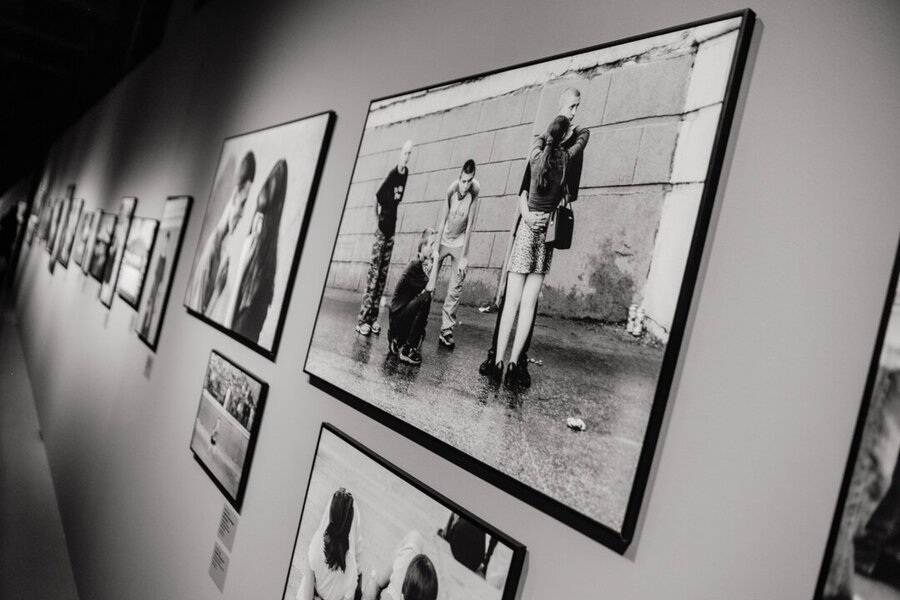
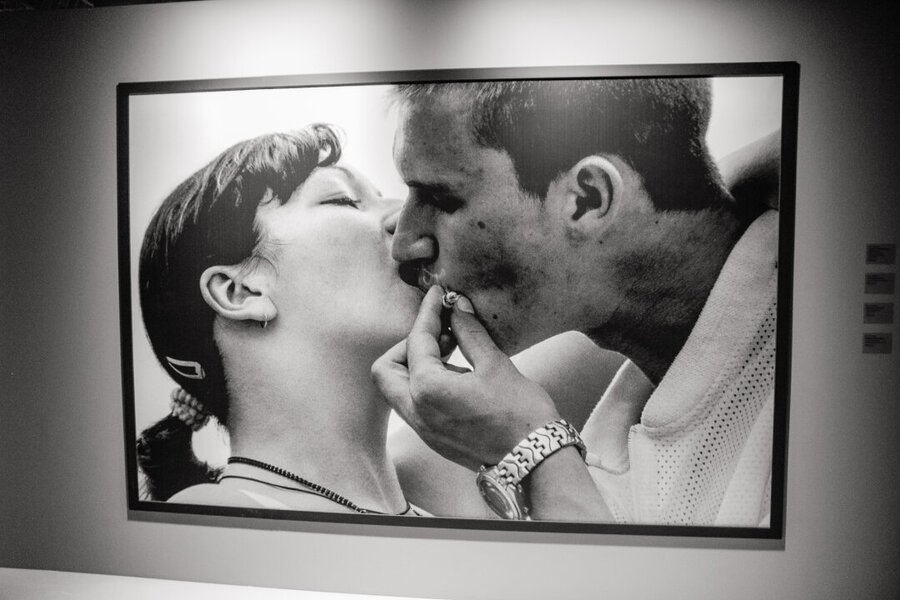
Fig. 8. Alik Yakubovich. Photograph from the series «Kisses.» Fig. 9. Alik Yakubovich. Photograph from the series «Kisses.»
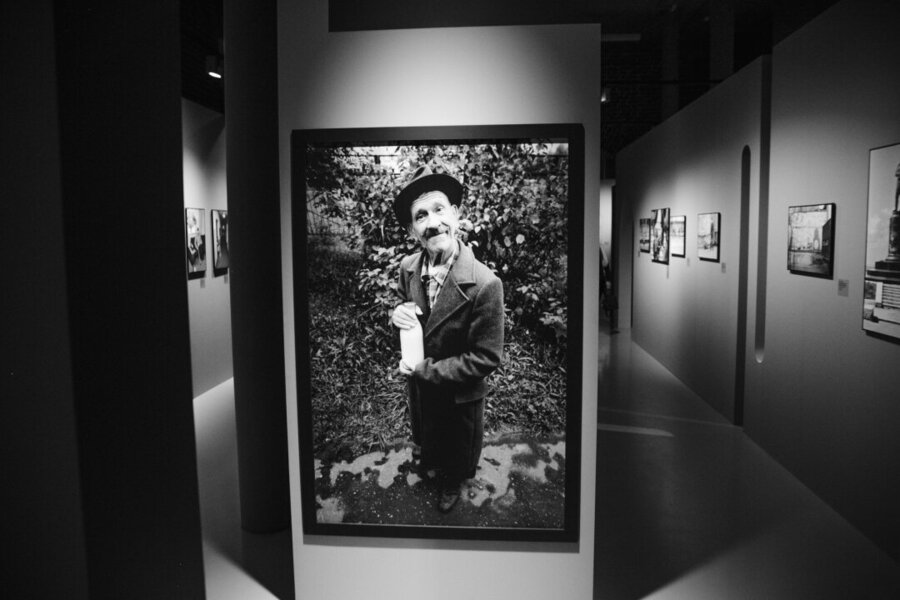
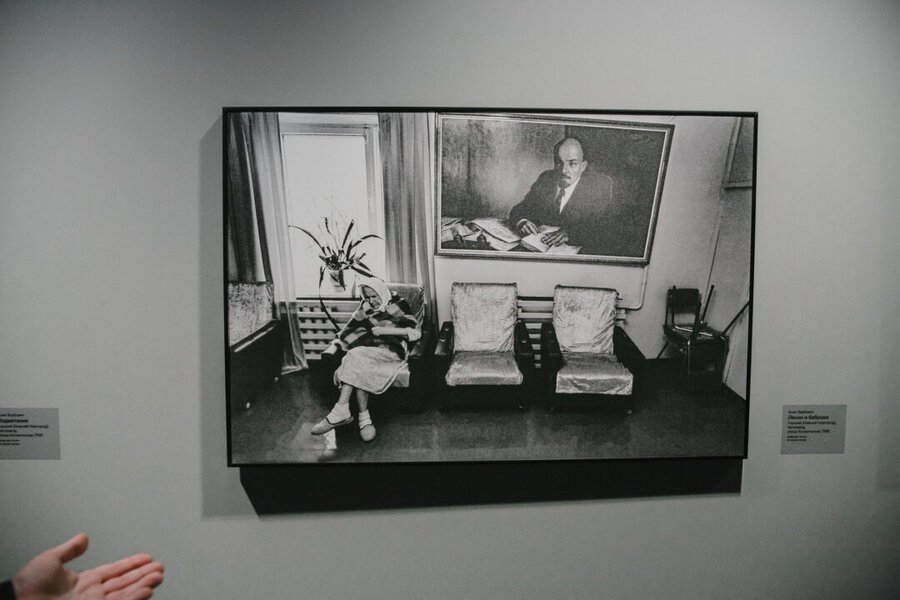
Fig. 10. Alik Yakubovich. Still from a report on the Avtovozovskiy Veterans' Home for Labor Veterans and War Invalids. Fig. 11. Alik Yakubovich. Still from a report on the Avtovozovskiy Veterans' Home for Labor Veterans and War Invalids.
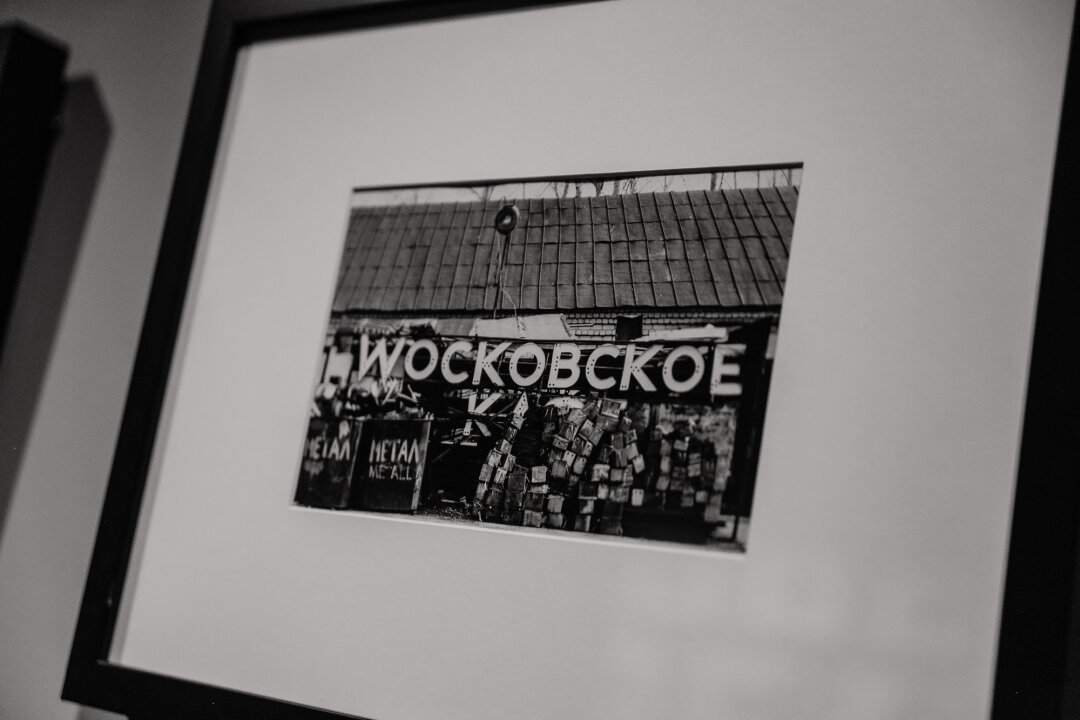
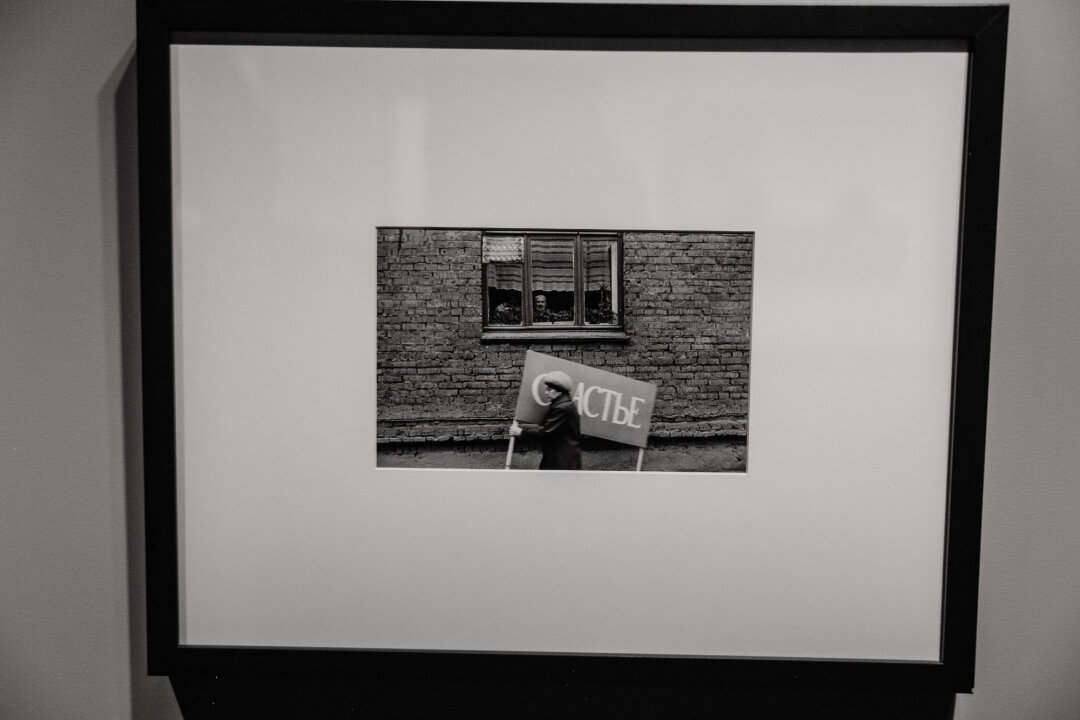
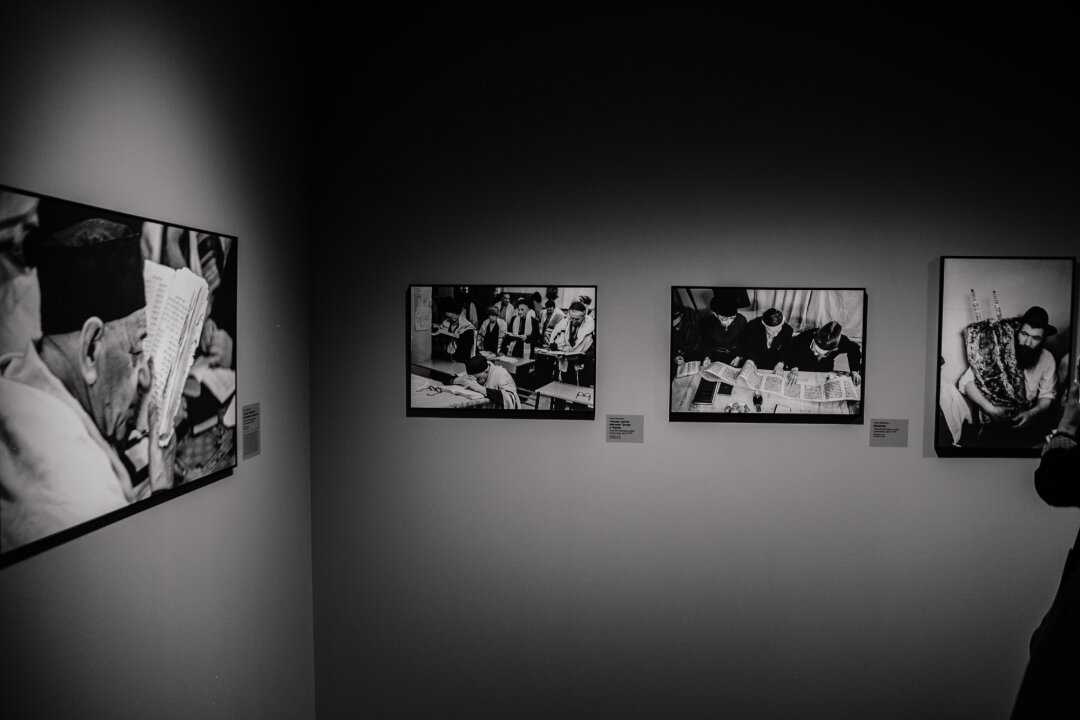
Fig. 12. Exhibition of photographs from the Multimedia Art Museum collection, Moscow. Fig. 13. Exhibition of photographs from the Multimedia Art Museum collection, Moscow. Fig. 14. Exhibition of photographs from the Multimedia Art Museum collection, Moscow.
Alik Yakubovich: «I didn’t think my photographs would be used to study history» // Sobaka.ru. — June 18, 2025. — URL: https://www.sobaka.ru/nn/entertainment/art/200493 (accessed: November 12, 2026).
Alik Yakubovich: This is my space. And it is black and white / Dmitry Larionov // Vremya N. — January 22, 2021. — URL: https://www.vremyan.ru/interviews/alik_yakubovich__nado_otdavatsya_prostranstvu_i_otklyuchatsya_ot_suety.html (accessed: November 12, 2026).
Nizhny Novgorod through the lens of Alik Yakubovich: «It is important to move at your own pace» / Dmitry Larionov // Vremya N. — August 8, 2023. — URL: https://www.vremyan.ru/analitycs/525551 (accessed: November 12, 2026).
Alik Yakubovich. Exhibition opening «My City» [Electronic resource]. — URL: https://static.sobaka.ru/images/image/01/95/40/60/_normal.jpg?v=1742852437 (accessed: November 12, 2026).