Метаморфозы тела: гротеск в готических маргиналиях XIII века
Метаморфозы тела: гротеск в готических маргиналиях XIII века
Navigation Menu
Introduction I. Concept II. The Boundary of Play Between Error and Grotesque III. Grotesque Mechanics: Three Body Deformation Techniques IV. The Symbolism of the Monstrous on the Edge of the Psalter V. Conclusion
I. Concept
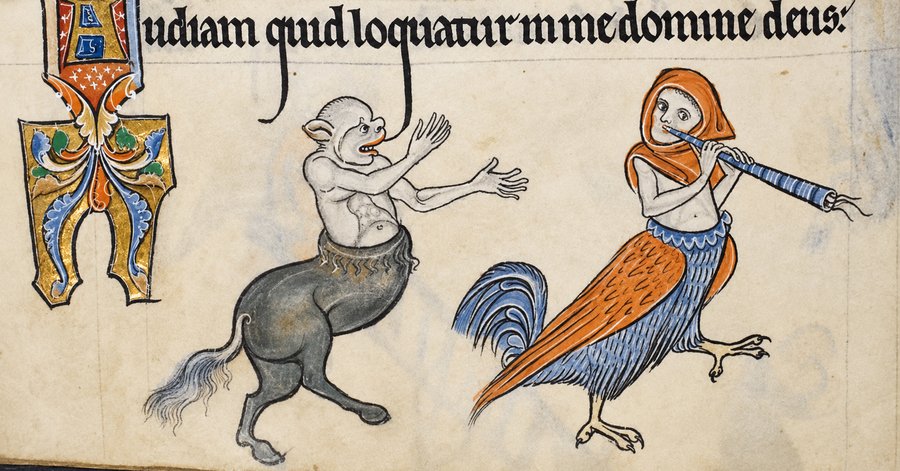
I want to dedicate my visual research to analyzing grotesque figures in 13th-century Gothic marginalia. Special attention is given to the methods of construction and the symbolic meanings of the miniature images. I am interested not only in the details an artist uses to create a fantastic creature but also in how that creature is reflected in the life and consciousness of a medieval person. For the analysis of this subject, I am referring to the Ratland English Psalter. This outstanding manuscript is famous for its strange and lively marginalia. The book is filled with numerous illustrations, which help to fully assess the transformation of the animal and human body. The research also mentions the Rochester Bestiary. I am consulting this text to compare 13th-century marginalia with an earlier and more traditional form of book illustration.
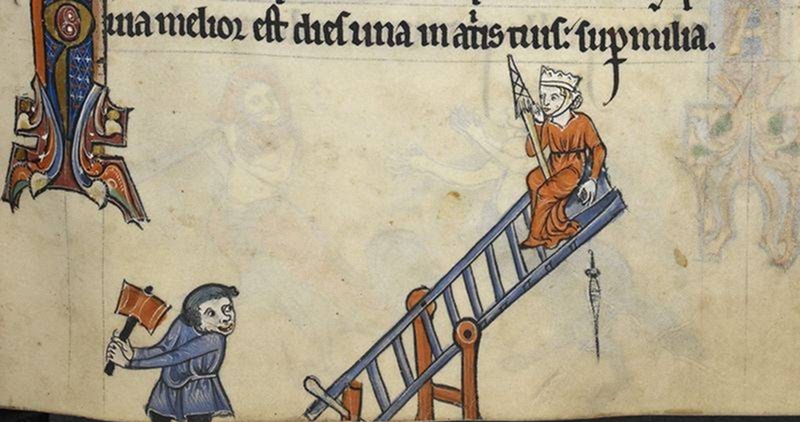
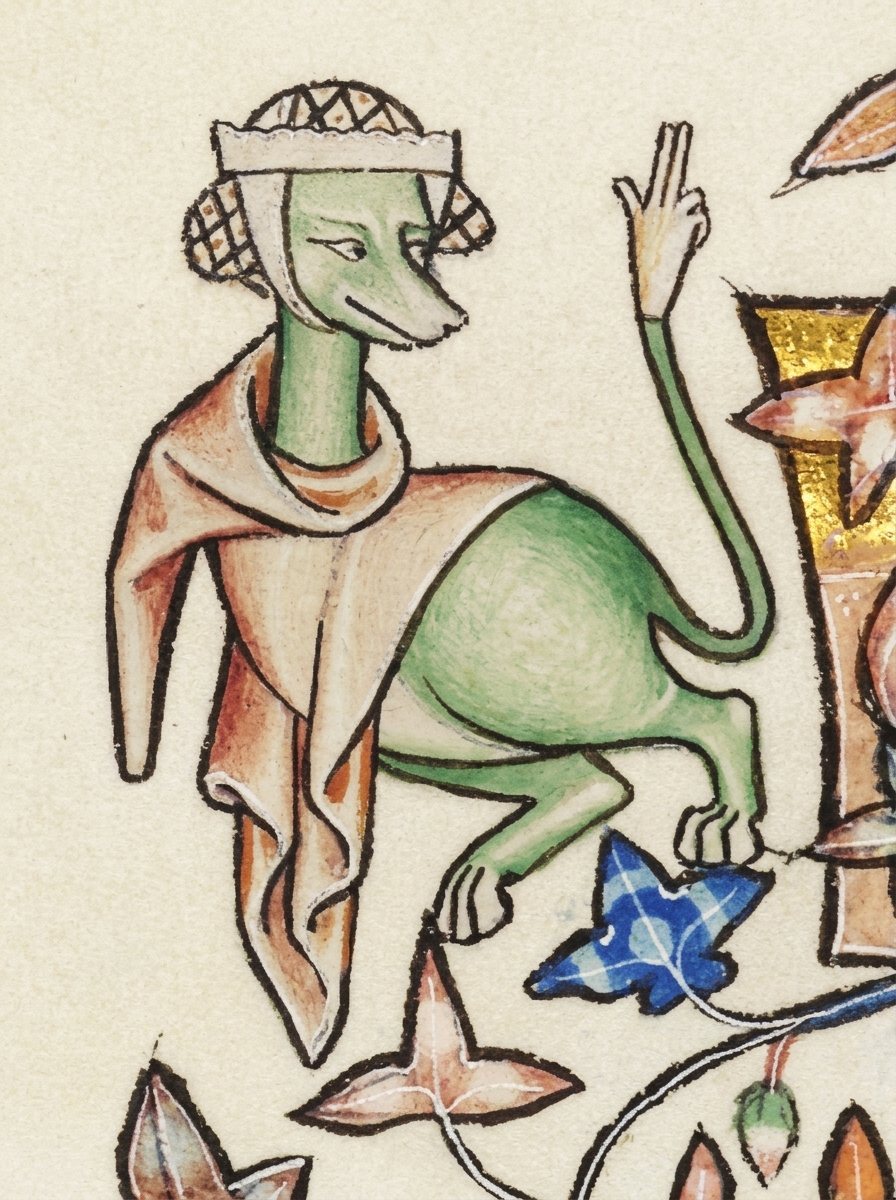
London, British Library, MS 62925 (The Rutland Psalter), f. 83v (detail), c. 1260.
The structure of this research allows for a tracing of the logic behind the creation of medieval grotesque imagery. First, the architecture and logic of the Gothic page are examined, along with a comparative analysis of these approaches to illustrative text description with preceding methods. The central part of the work is dedicated to the visual techniques by which the artist subverts canons and breaks anatomical norms. Finally, the symbolic meanings of the grotesque figures are analyzed.
II. Freedom of the Playing Field Between Error
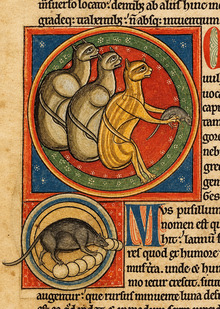
Miniature of a manticore. The Rochester Bestiary (Royal MS 12 F XIII, f. 24v), c. 1230 (1225–1235). Ink, tempera, and gold leaf on parchment, 30 × 21.5 cm (folio). The British Library, London.
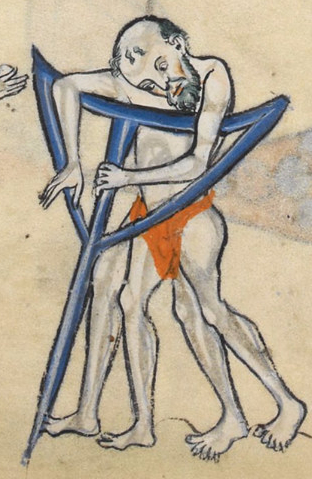
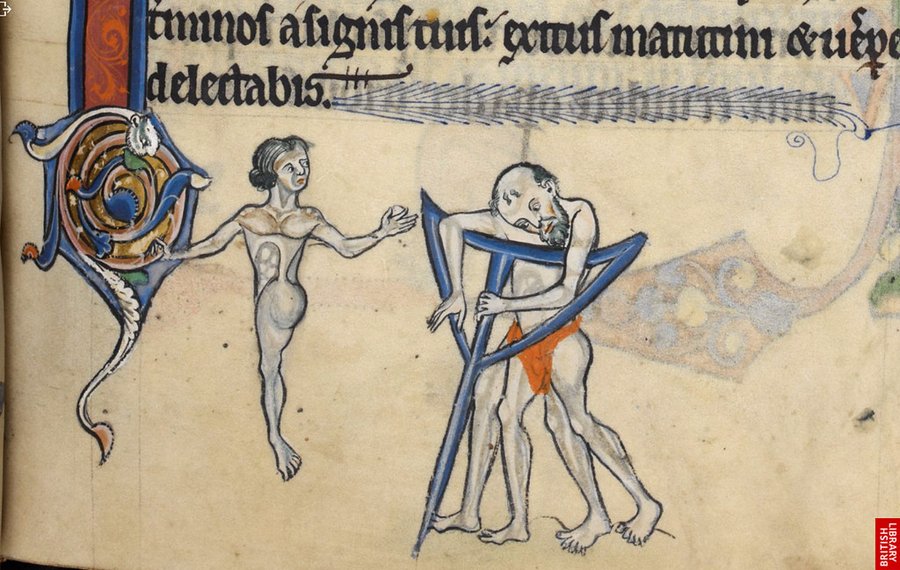
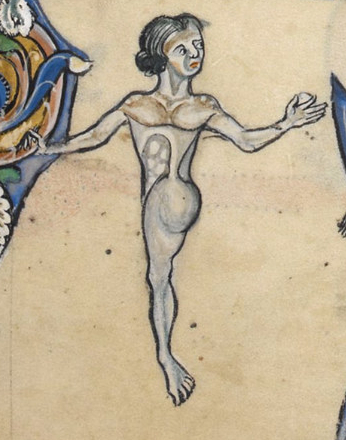
Bas-de-page scene of a one-legged sciapod and a four-legged man with a crutch (Psalm 64:9). The Rutland Psalter (Add MS 62925, f. 64r), c. 1250–1260. Ink and tempera on parchment, 28,5 × 20.5 cm (folio). The British Library, London.
III. Grotesque Mechanics: Three Techniques of Body Deformation
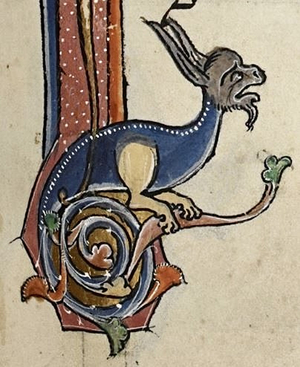
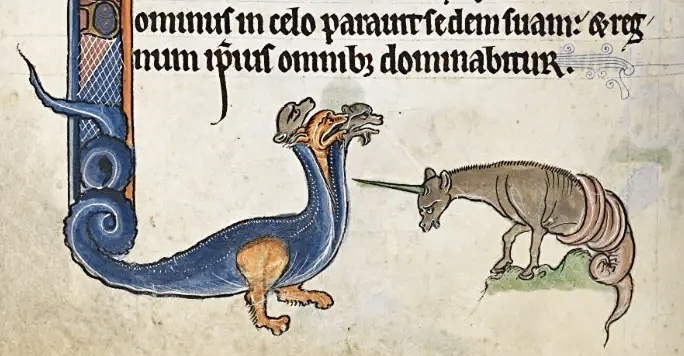
Rutland Psalter, c. 1260. (British Library Royal MS 62925, f. 101v.)