Navigation
I. Introduction
II. The Child as Part of the Family
III. Advertising Addresses the Child
IV. Play Becomes the Main Argument
V. Advertising Shapes Childhood Desires
VI. The Toy Transforms into a Hero
VII. What Has Changed Over 40 Years?
VIII. Conclusion and Takeaway
I. Introduction
In the second half of the 20th century, advertising became an integral part of American daily life. The development of television, the expansion of mass production, and the growth of the consumer market changed not only how goods were promoted but also the understanding of to whom these goods should be advertised. Children played a special role in these processes, gradually becoming an increasingly significant audience for toy and other children’s product manufacturers.
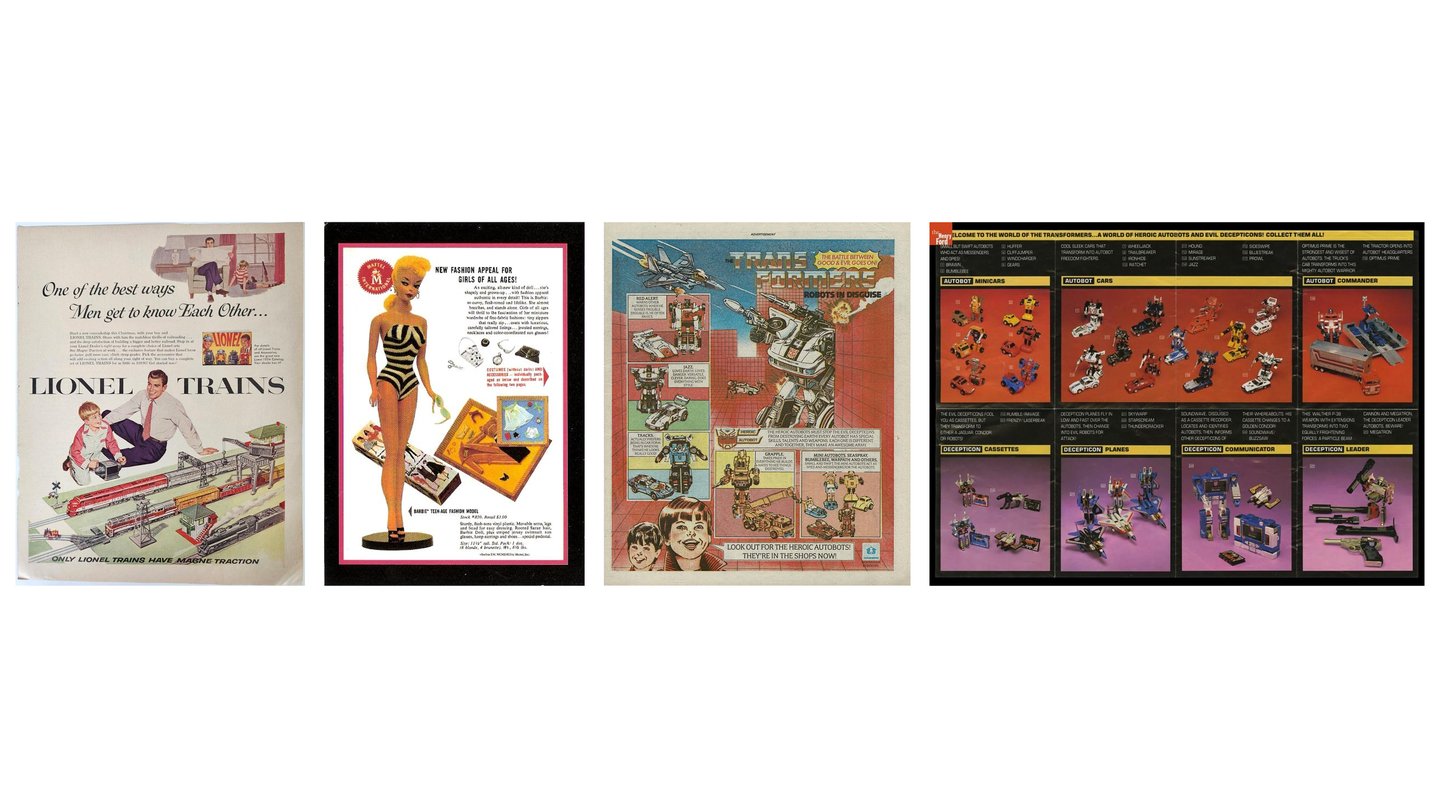
Lionel Trains. Advertisement for a toy railroad, 1954. USA. // Mattel. Barbie Journal, Barbie advertising catalog, 1959. USA. // Hasbro. Print advertisement for Transformers toys, 1980s. // Hasbro Industries. Transformers toy catalog, 1984. The Henry Ford Collection.
The child in the advertisement could fulfill various roles. They appeared in family scenes, displayed enjoyment from playing, personified ideals of happy childhood, or served as the direct recipient of the advertising message. However, the child’s presence did not necessarily mean the advertisement was aimed specifically at them. Some ads sought to persuade parents about the benefit and necessity of the purchase, while others aimed to capture the child’s interest and evoke a desire to own a specific product.
Research Objective — to trace how the role of the child, methods of their portrayal, and visual strategies of advertising persuasion changed in American children’s product advertising from the 1950s to the 1990s.
The core hypothesis is that throughout the period under review, advertising increasingly addressed children as independent consumers. Visual messages gradually intensified the focus on emotional engagement, the product’s play value, character identification, and participation in imaginative worlds. Meanwhile, advertising aimed at parents did not disappear; instead, it continued alongside the new ways of reaching the child audience.
The research will be structured as a sequential comparison of visual materials. Archival advertisements, stills from television commercials, comparative collections, and magnified fragments will be the primary means of exploring the theme. Text will serve a supplementary function, highlighting key observations and assisting in tracking the research logic.
The primary objective of this work is not simply to illustrate the changing appearance of advertisements, but to identify how the relationships between the child, the advertised product, and the advertiser evolved. Comparing materials from the 1950s to the 1990s should help determine which visual strategies remained consistent, which gained greater prominence, and how advertising participated in shaping perceptions of the child as a consumer.
II. The Child as Part of the Family
In 1950s American advertising, children’s toys were often portrayed as part of a happy family life. This type of advertising primarily targeted adults who made the purchasing decisions. The toy functioned not merely as a source of entertainment, but also as a means to strengthen family bonds or to prepare the child for future adult life.
The advertising for Lionel toy trains was particularly illustrative, featuring a father and son assembling and running trains together. The purchase of the toy was presented as an opportunity to spend time together and strengthen the bond between generations.
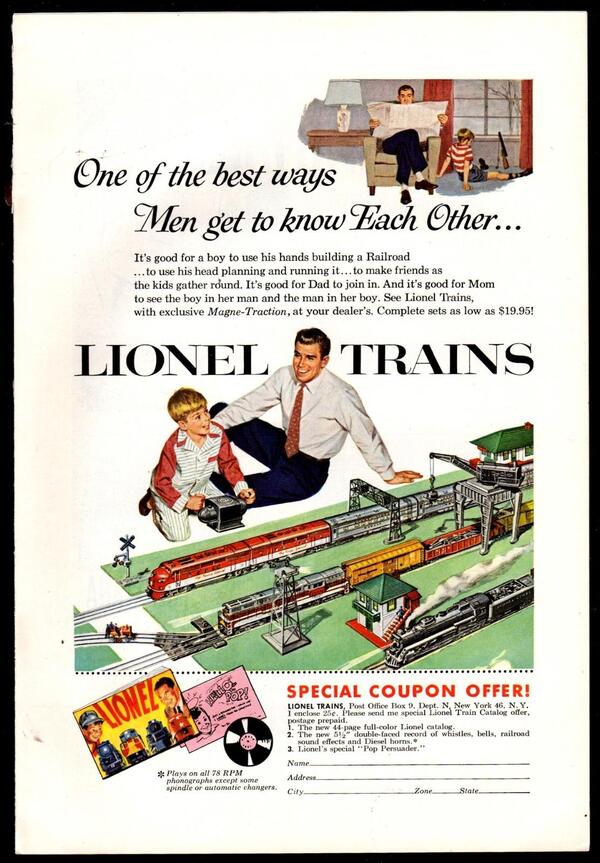
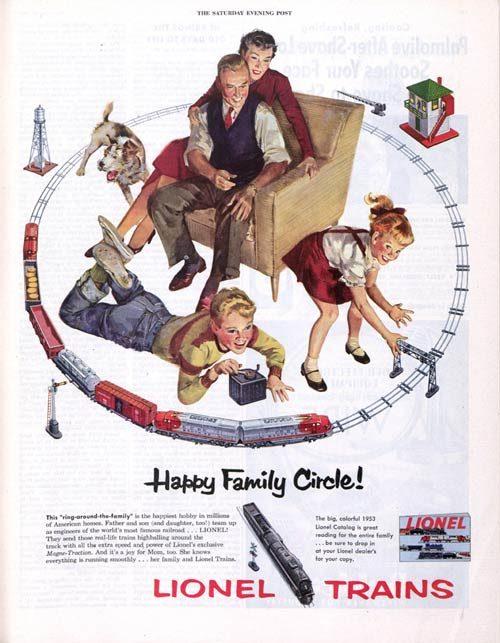
Lionel Trains, 1954 // Lionel Trains, 1953
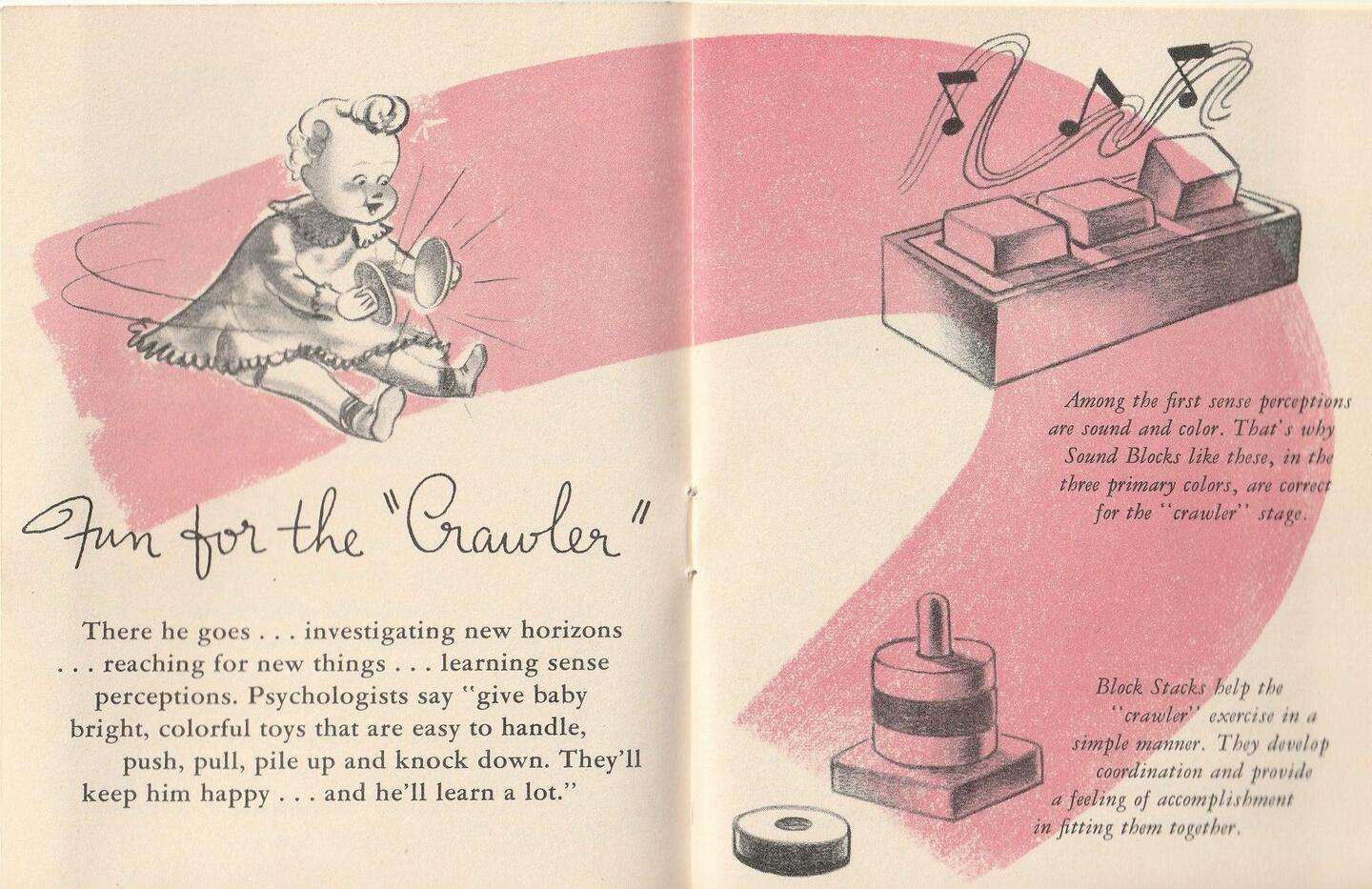
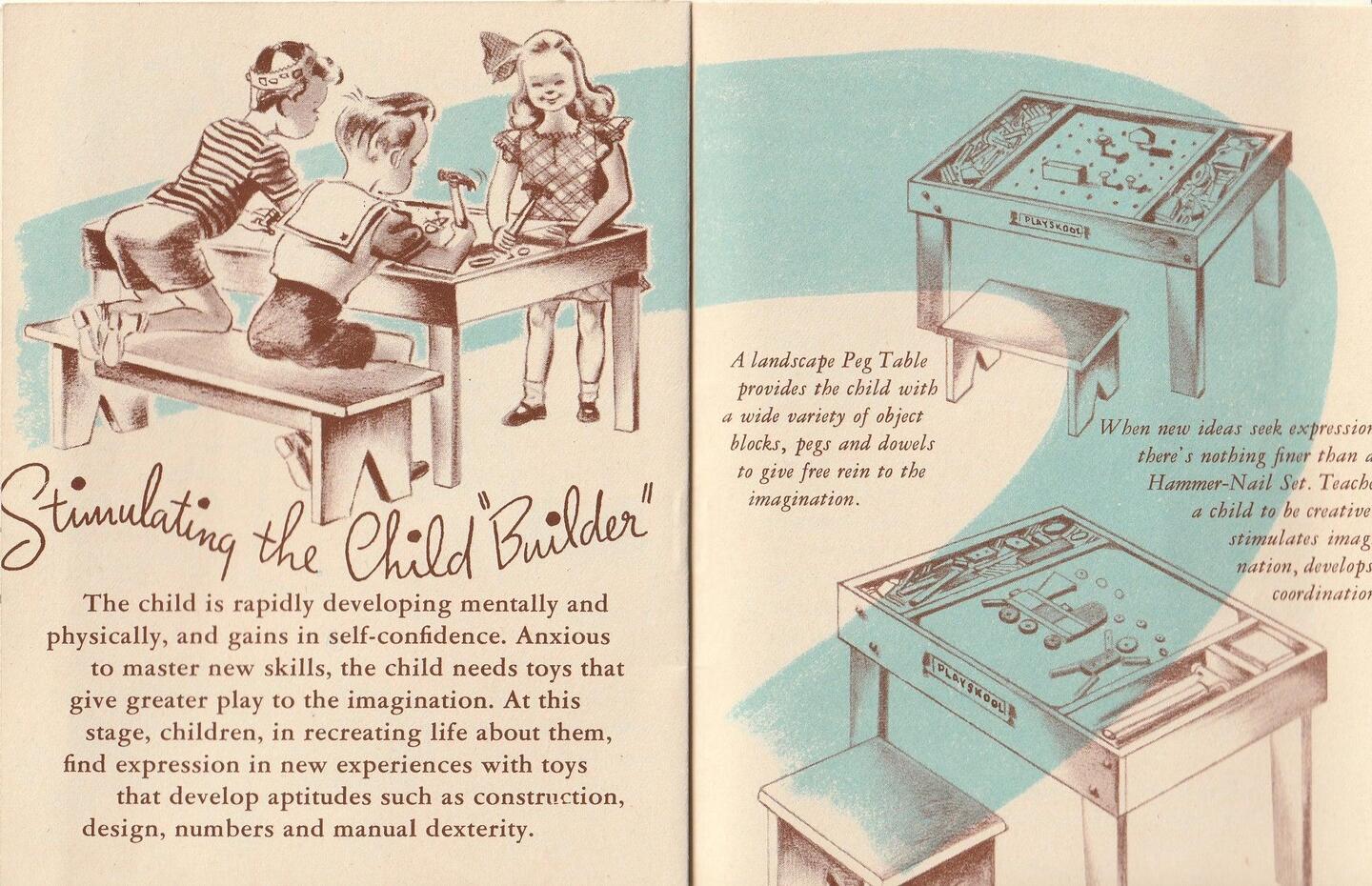
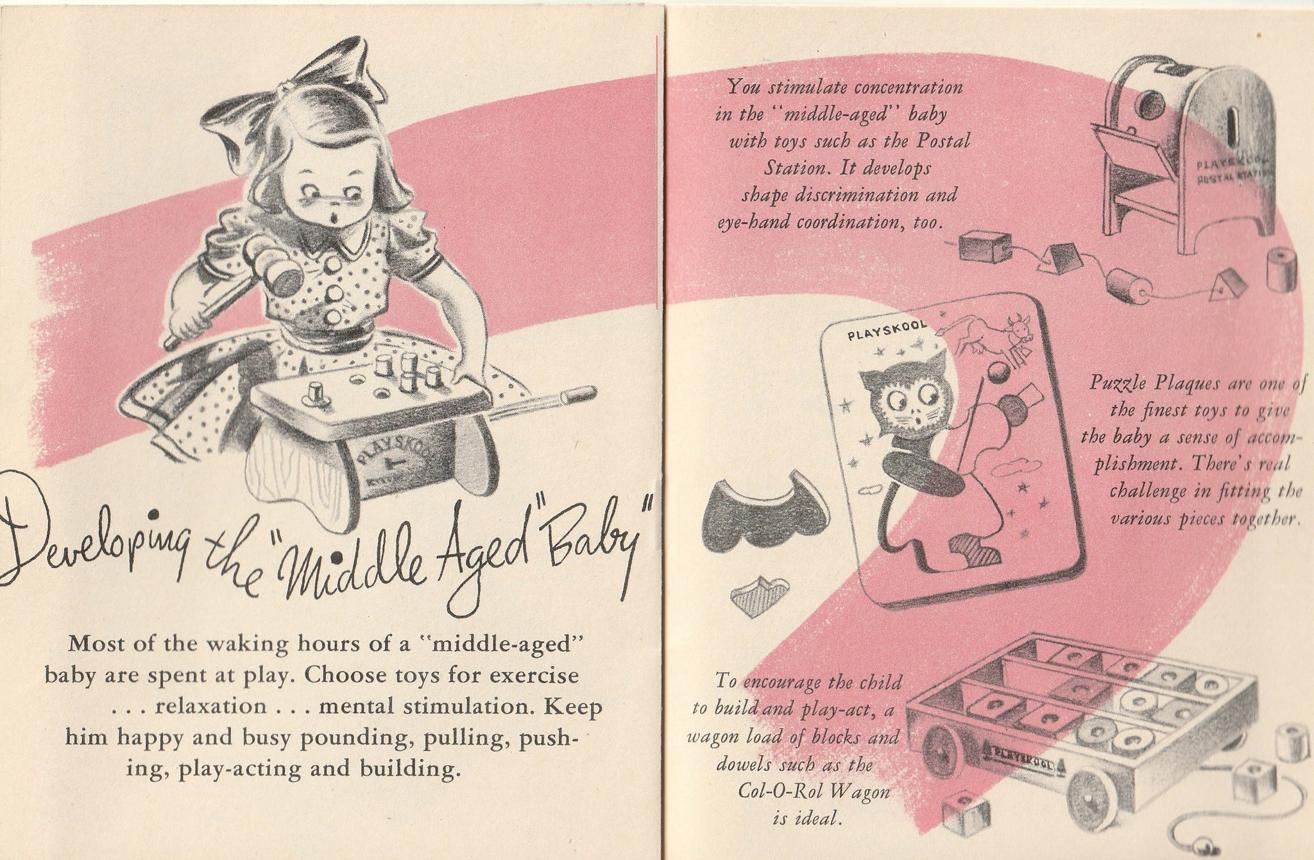
Playschool, circa 1950s
Another common motif was the girl engaged in domestic chores or caring for a doll. Through such scenarios, advertisements reproduced prevailing ideas about family roles, presenting children with models of adult behavior.
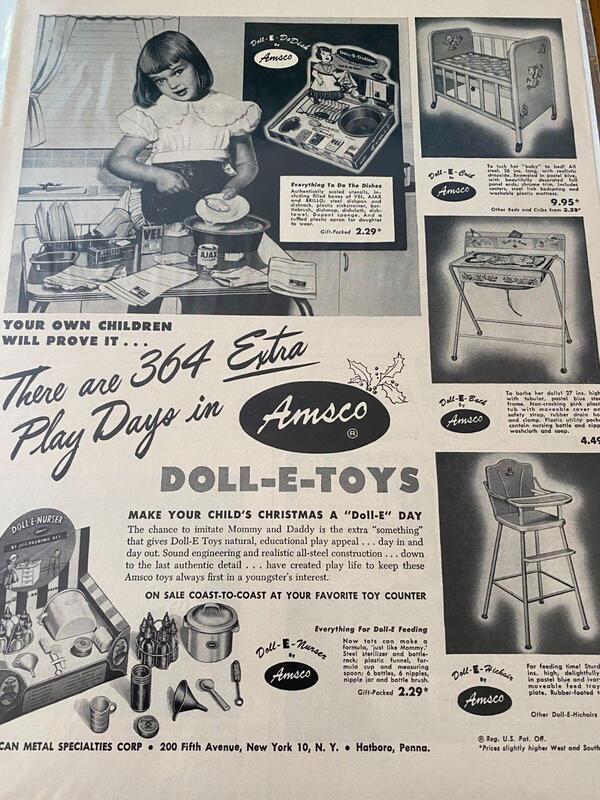
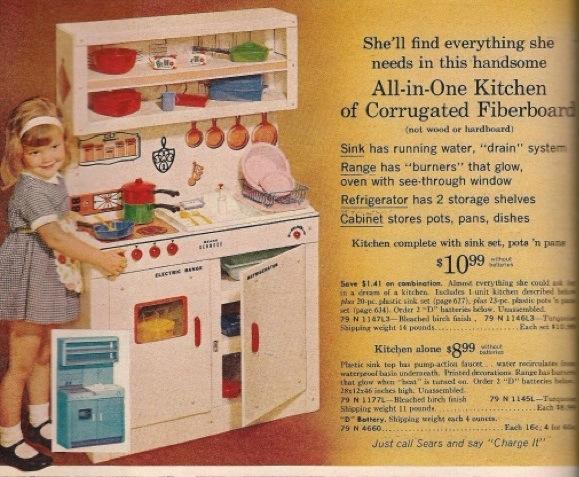
Amsco, 1951 // Amsco, 1951
Ideal Toys, 1958
III. Advertising Appeals to the Child
While print advertisements frequently appealed to parents by emphasizing the benefits of toys, upbringing, and family well-being, television advertising allowed manufacturers to engage directly with the child audience. A key example is Mattel, which began advertising its products on The Mickey Mouse Club in 1955.

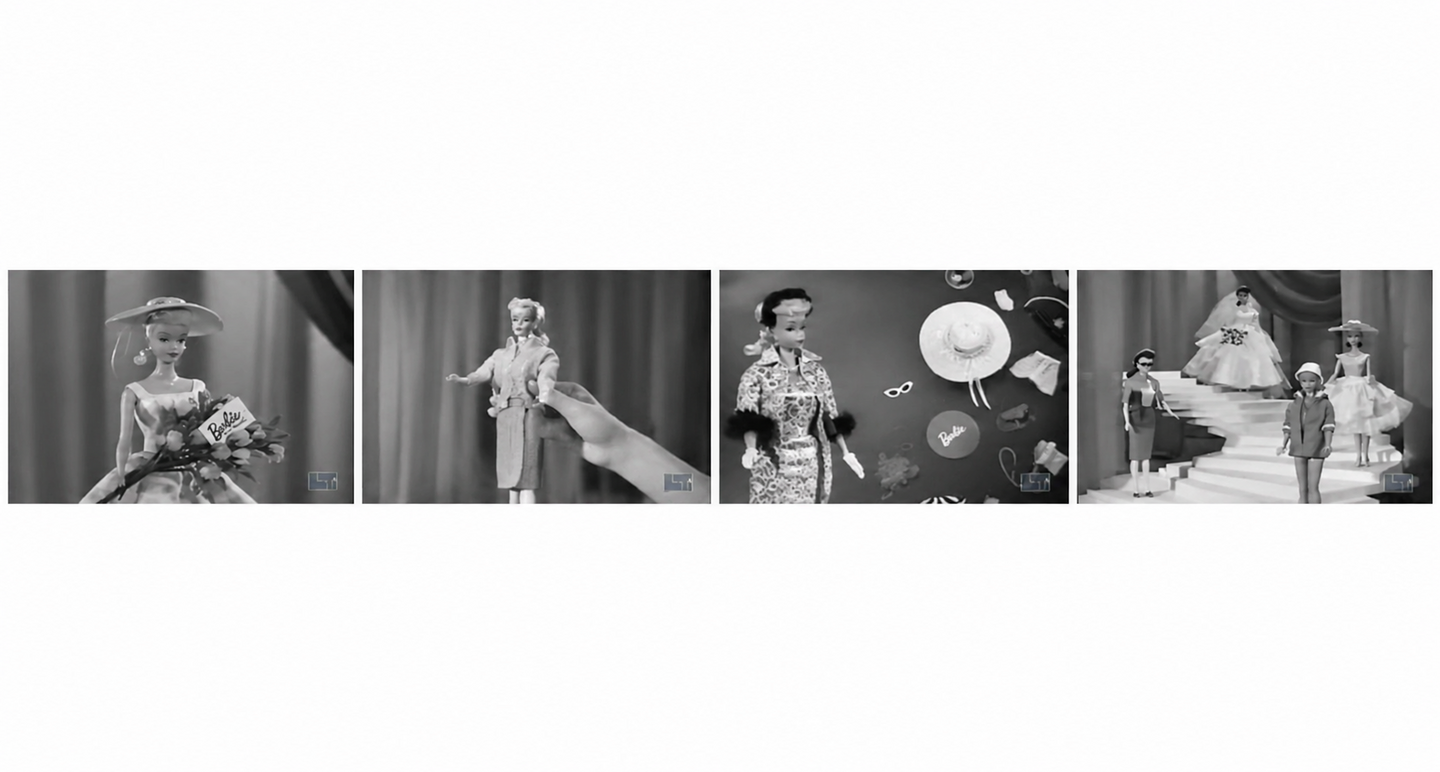
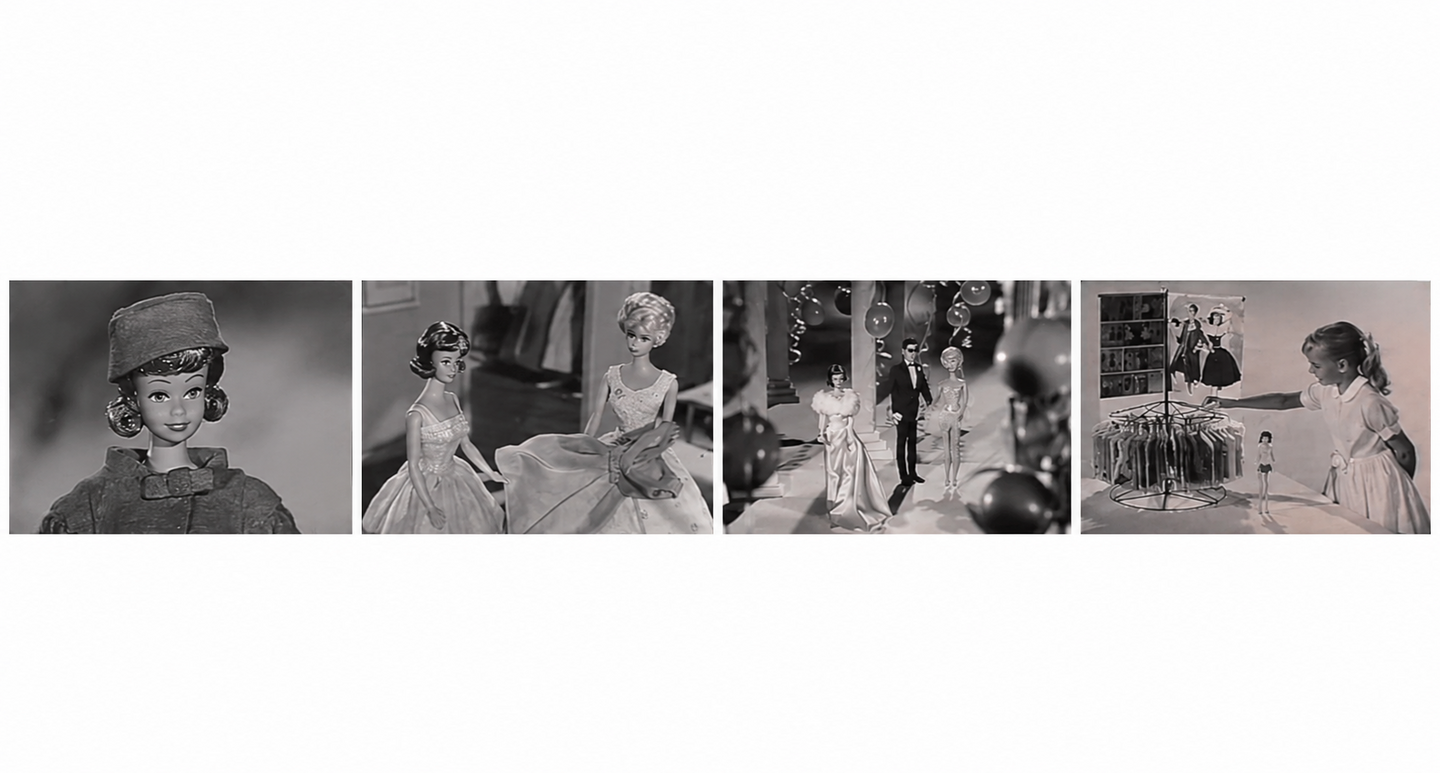
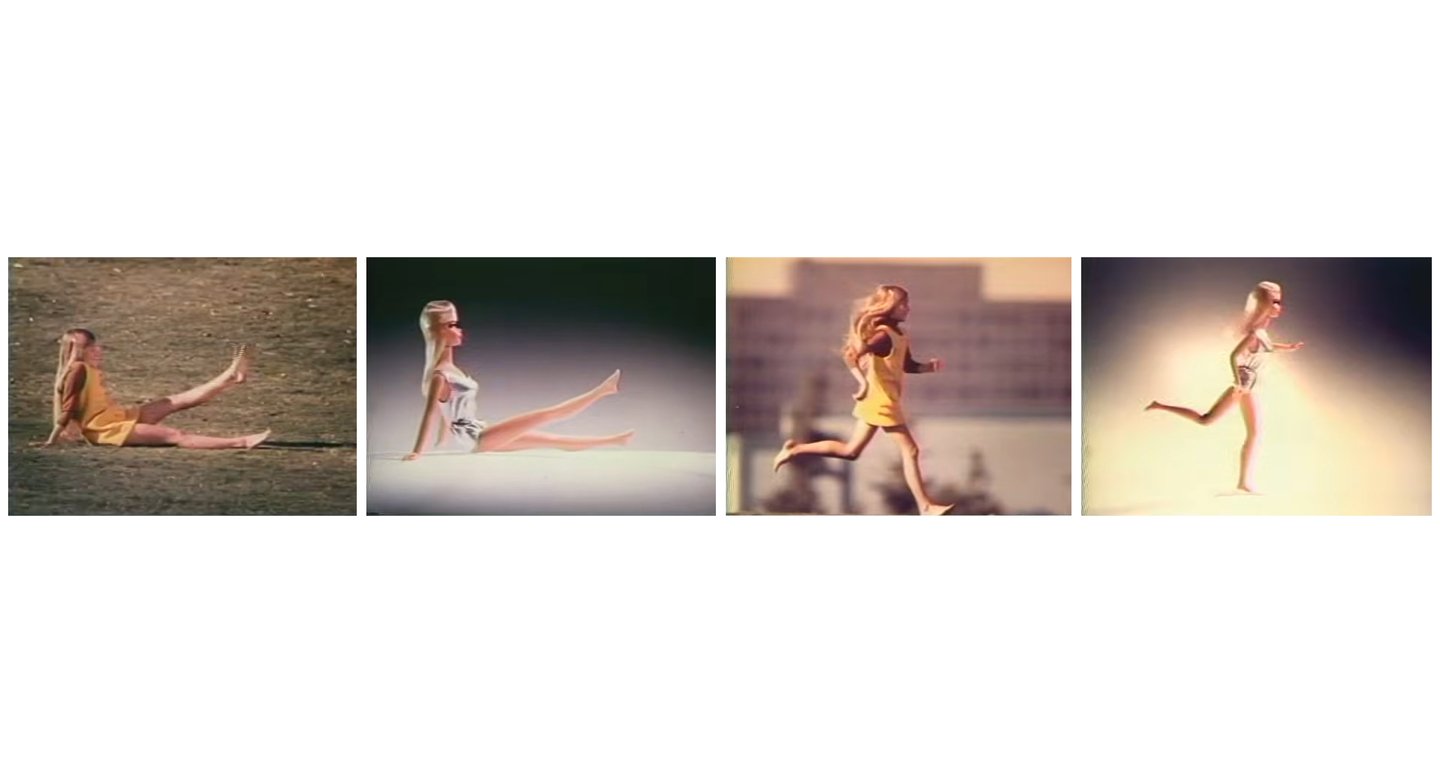
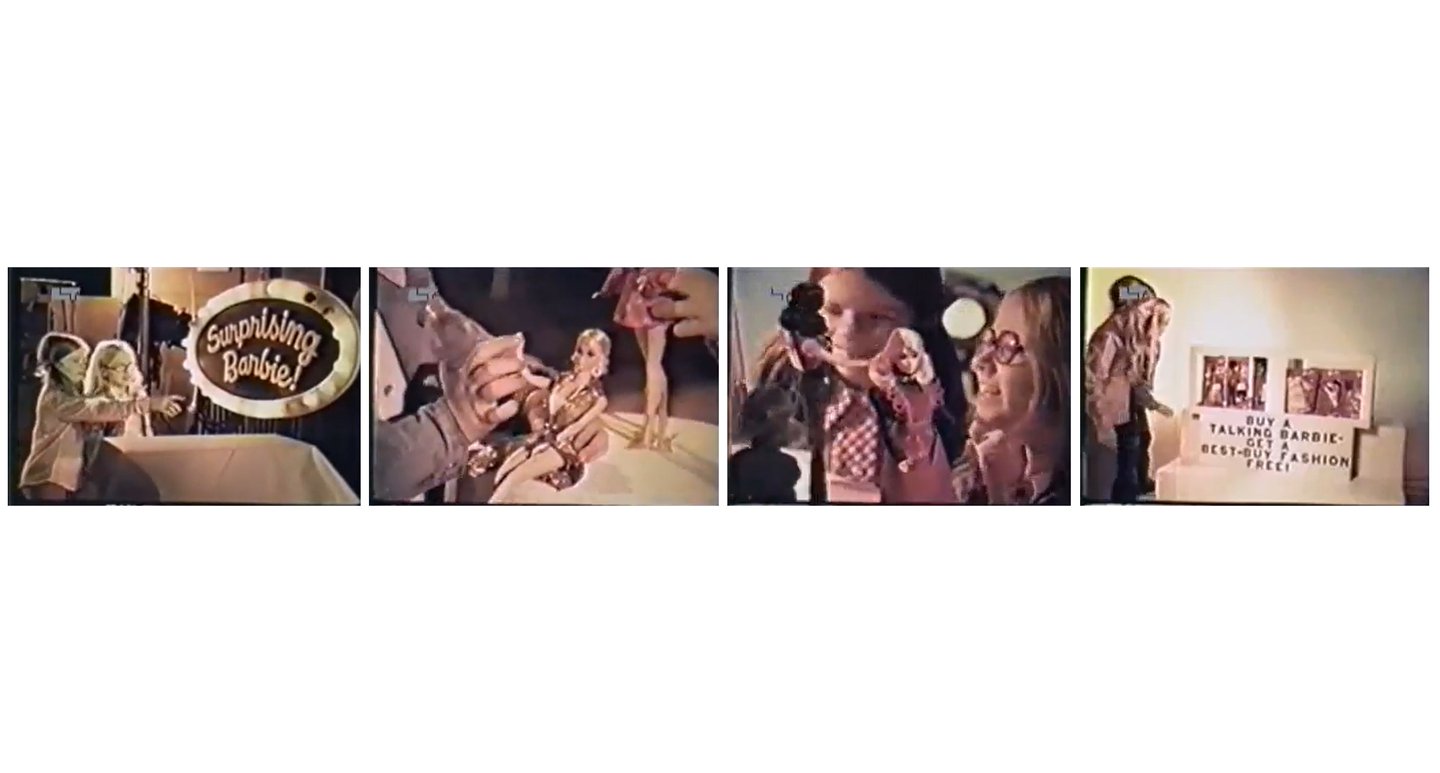
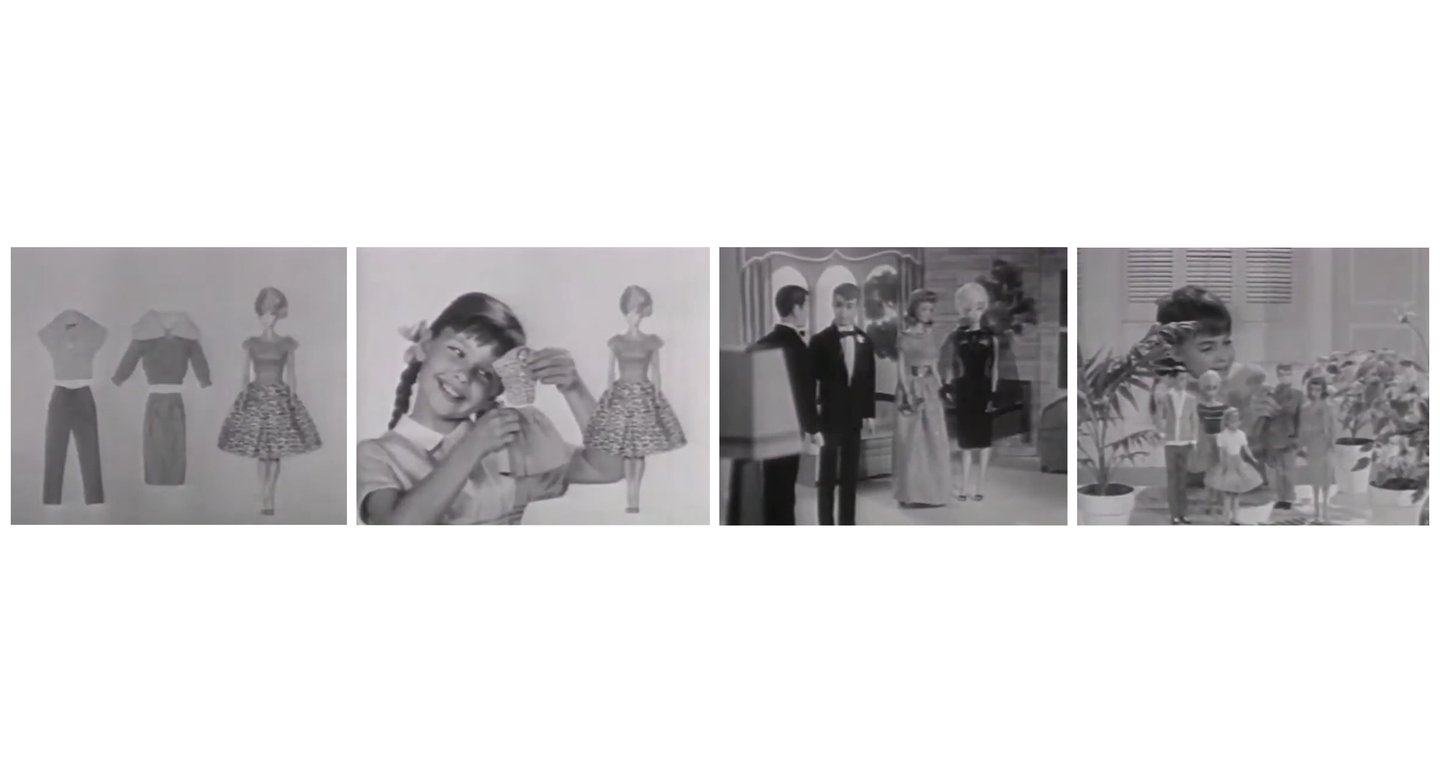
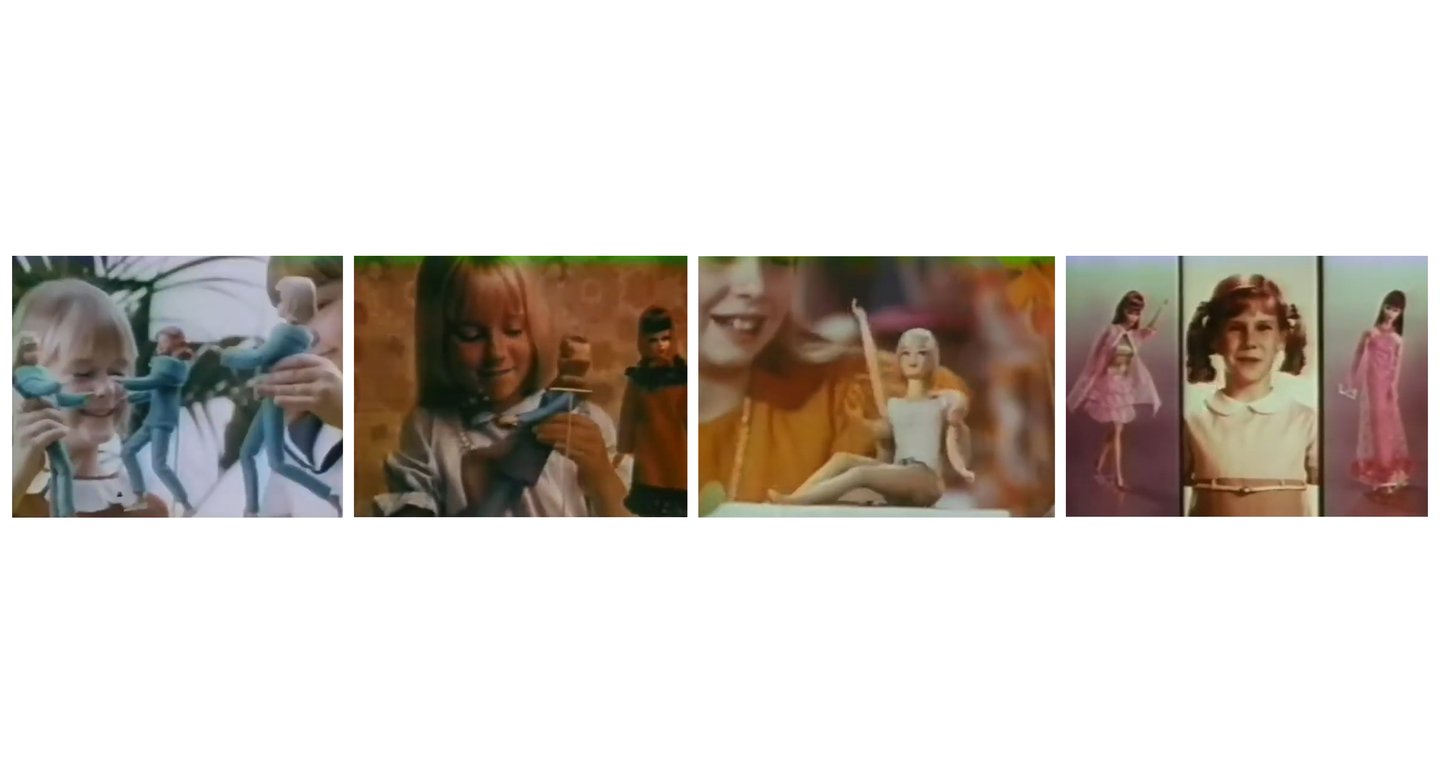
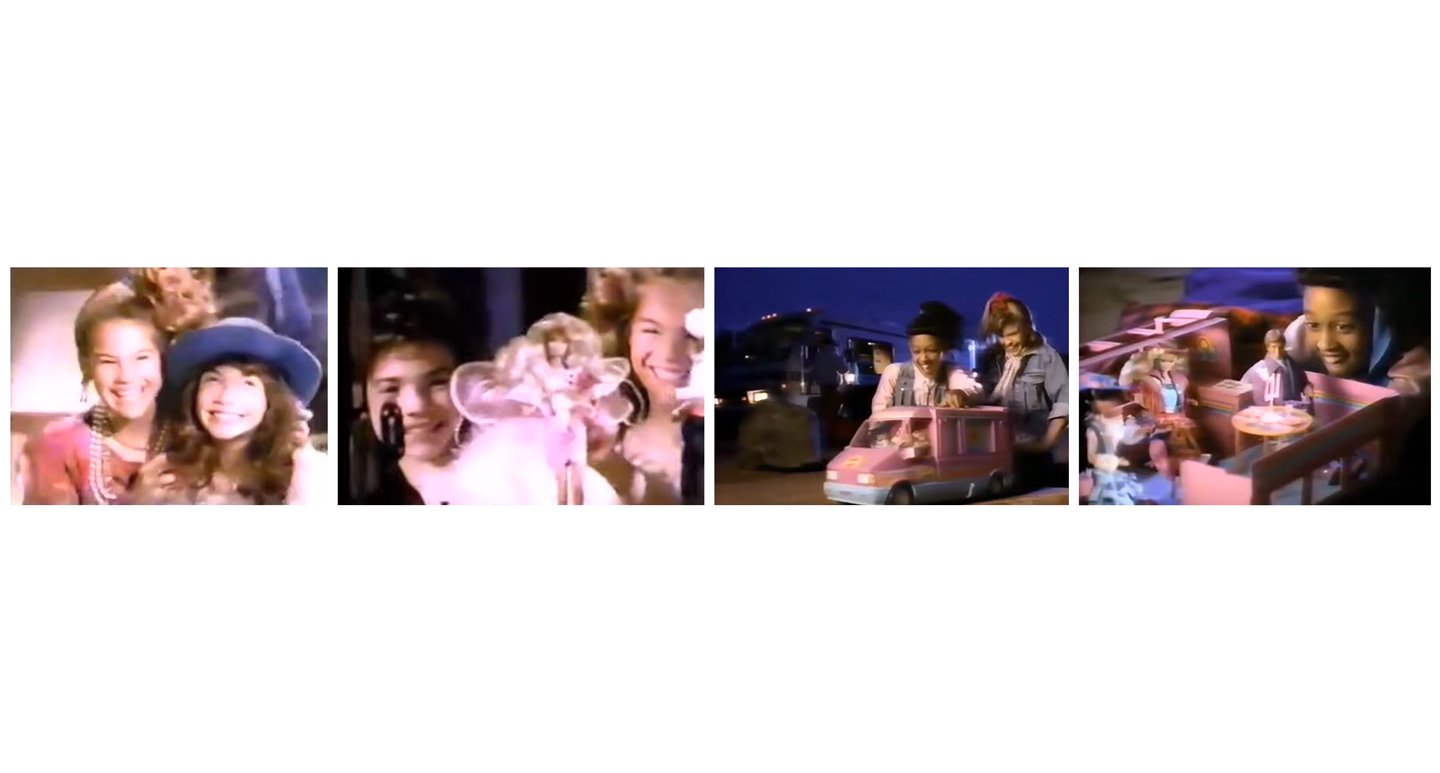
Barbie. First television commercial, 1959. USA. // Introduction of the Midge doll, television commercial, 1963. USA. // Living Barbie, television commercial starring Maureen McCormick, 1970. USA. // Barbie, television commercial, 1972. USA. // Barbie, television commercial, 1960s. USA. Part 1. // Barbie, television commercial, 1960s. // Barbie, television commercial, frames 1, 2, 3
The way products were presented changed. Television commercials showed toys in action, depicted children playing, and incorporated music, movement, and short narratives.
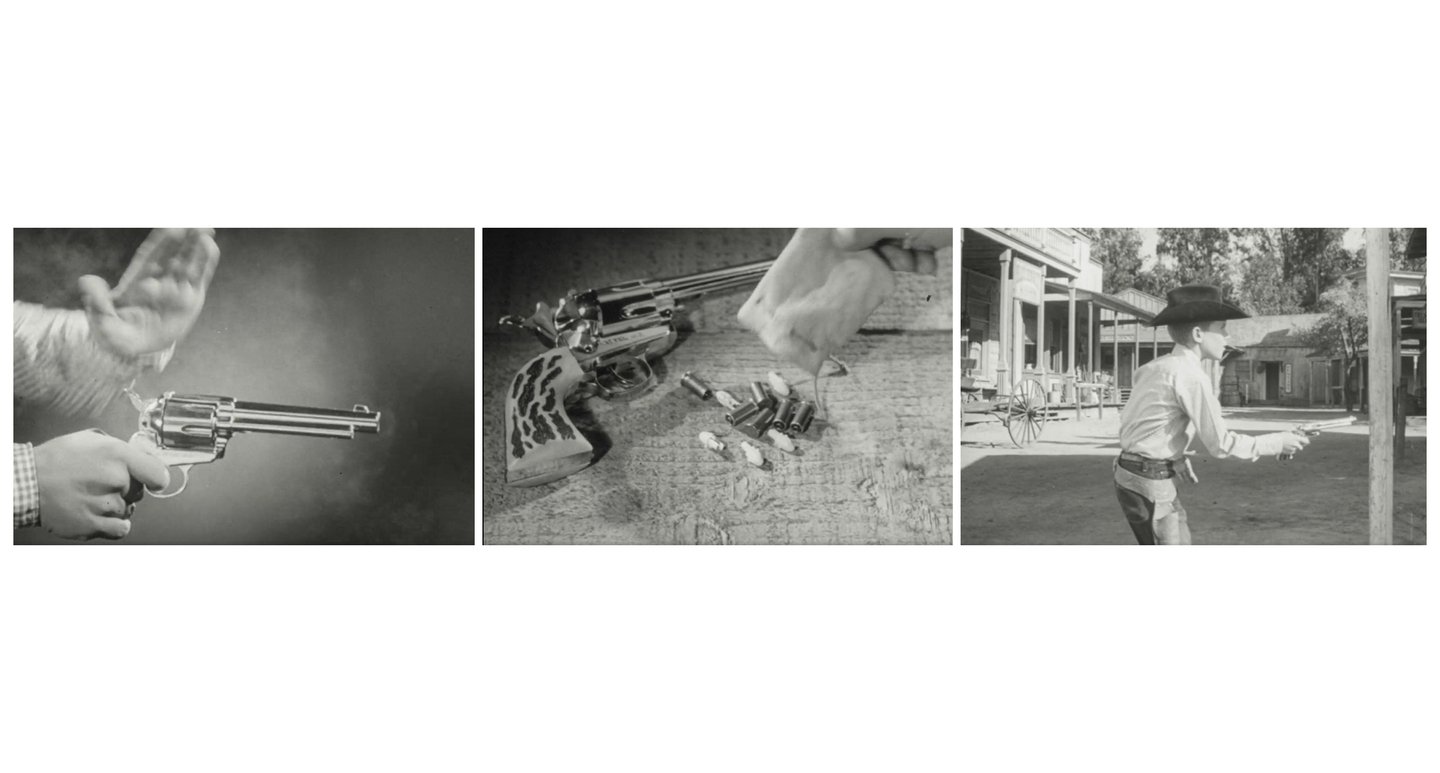
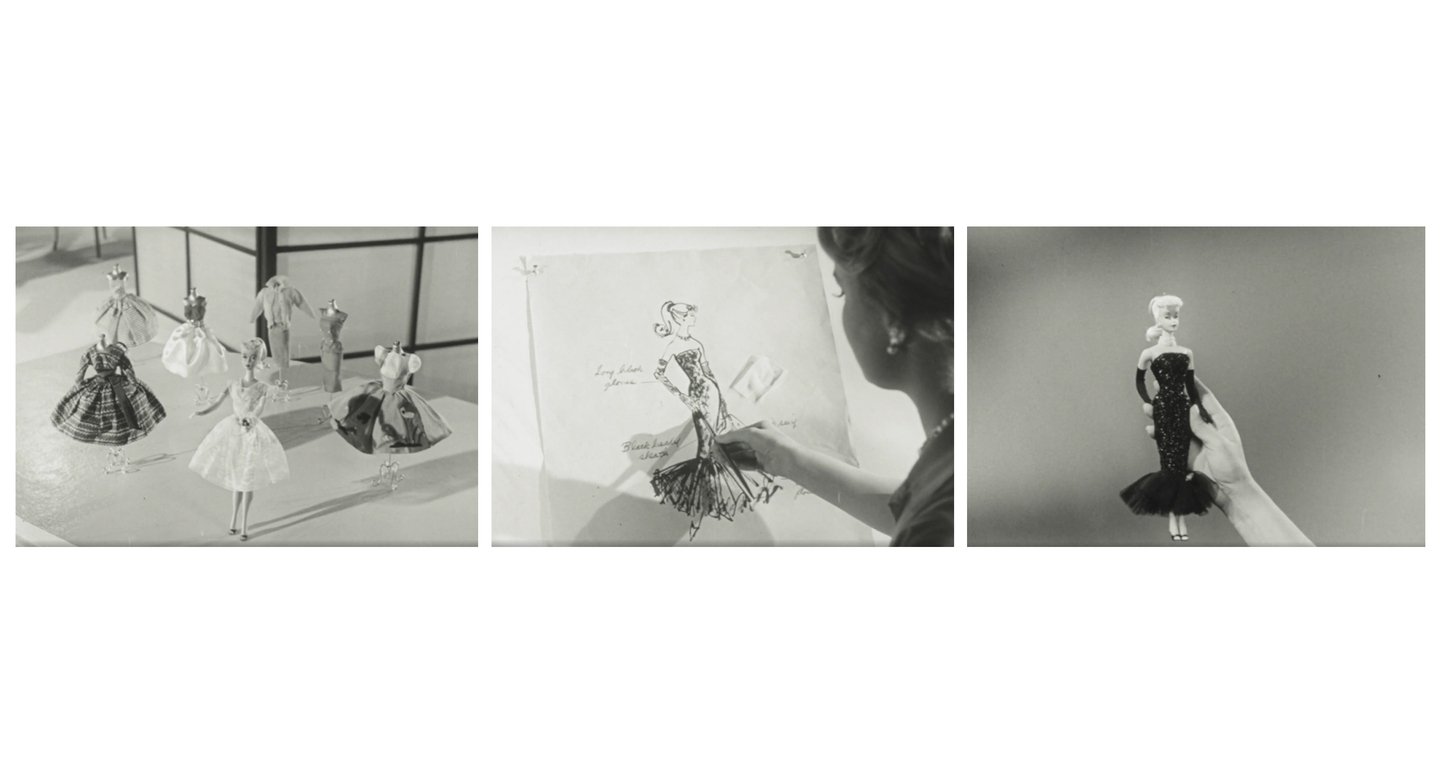
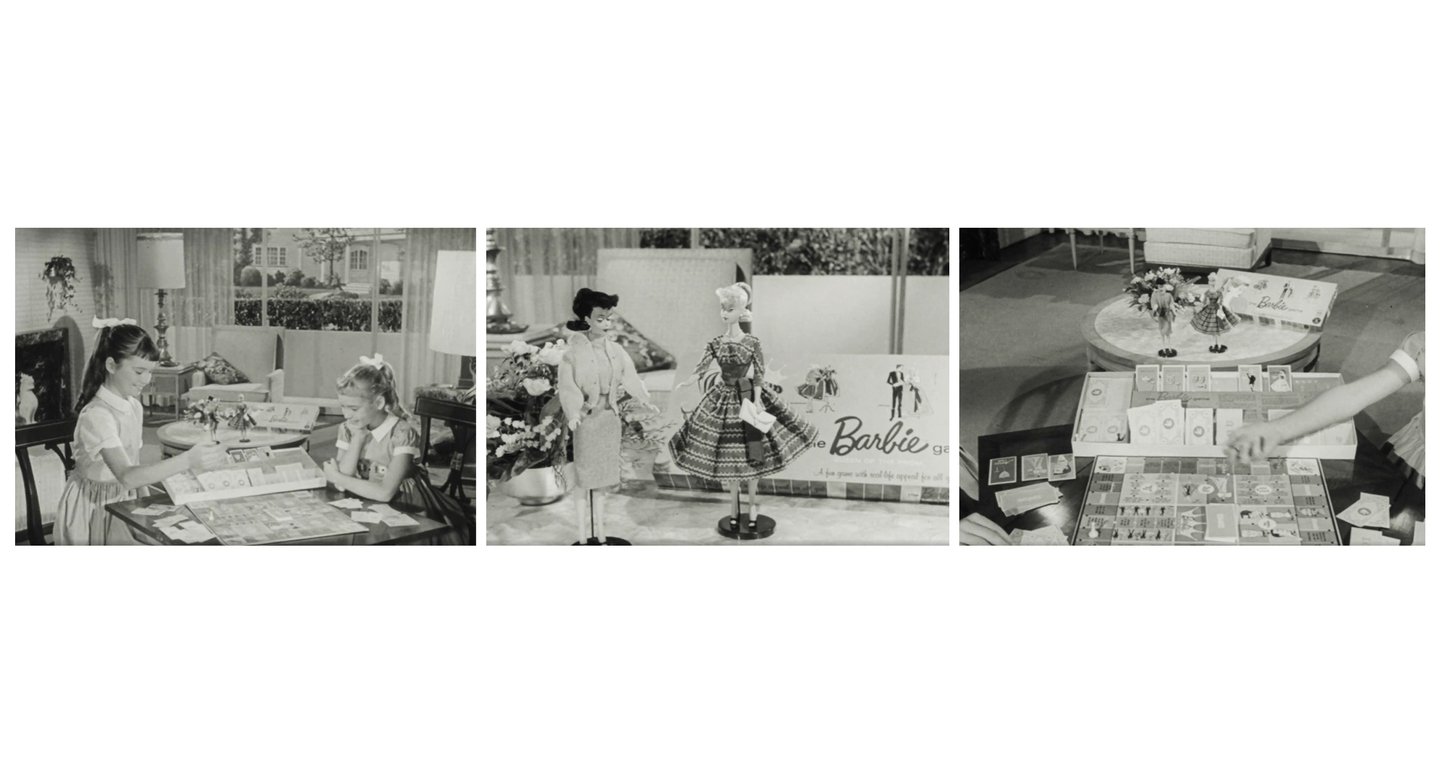
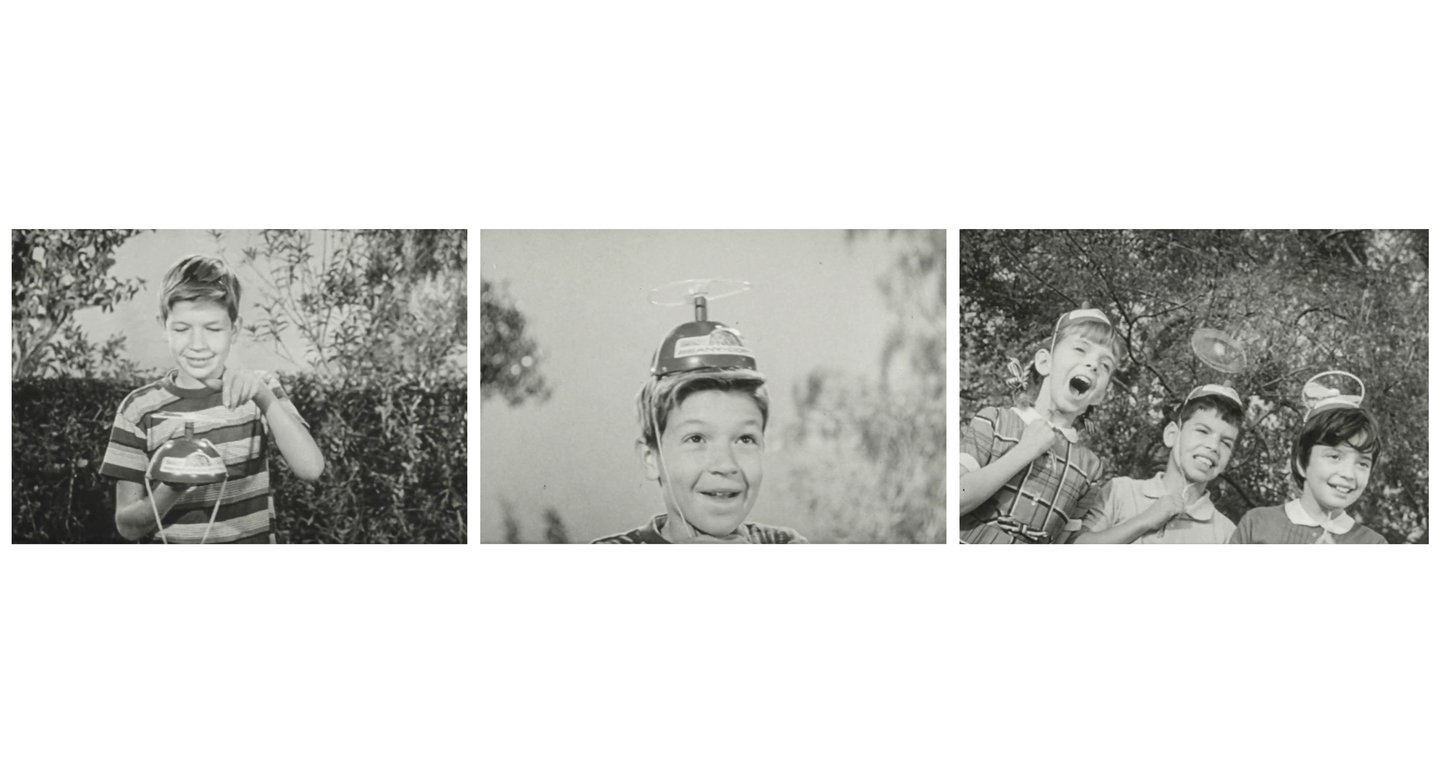
Mattel. Barbie Doll, television commercial, 1962. USA. // Mattel. Barbie Game, television commercial for board game, 1961. USA. // Mattel. Beany-Copter, television commercial for toy, 1961. USA. // Mattel. Shootin’ Shell Pistols & Holsters, television commercial for toy gun, 1961. USA.
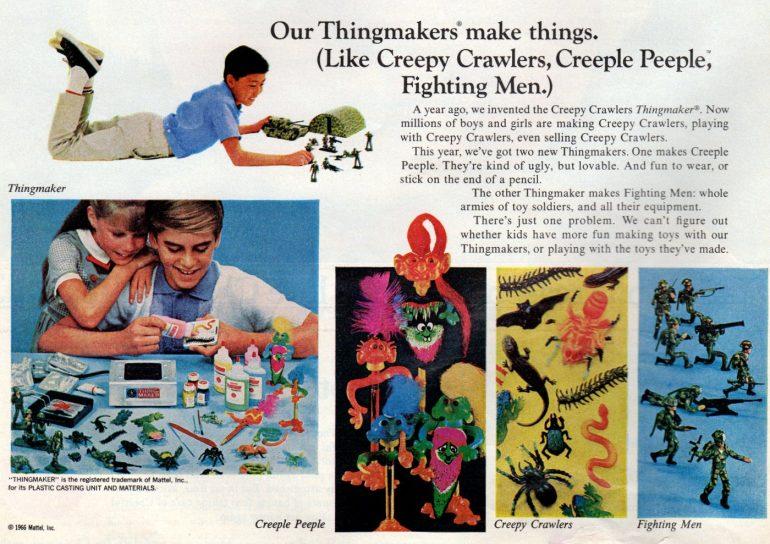
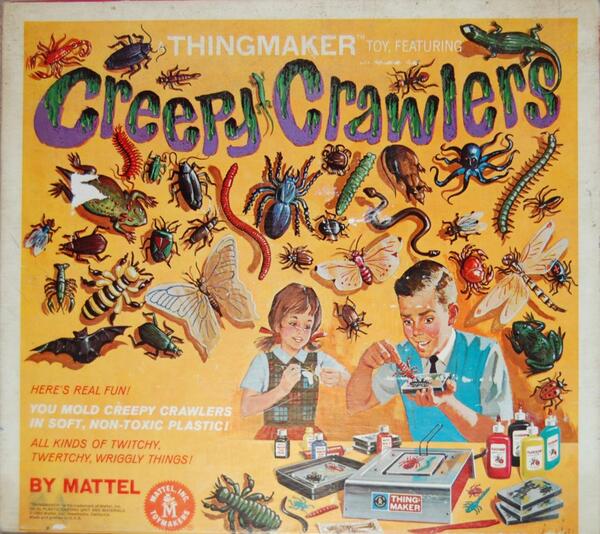
Mattel. Historical print advertisement for Creepy Crawlers, 1966. USA.
Instead of providing a detailed explanation of the toy’s features, they offered the child a glimpse of the pleasure the toy could bring.
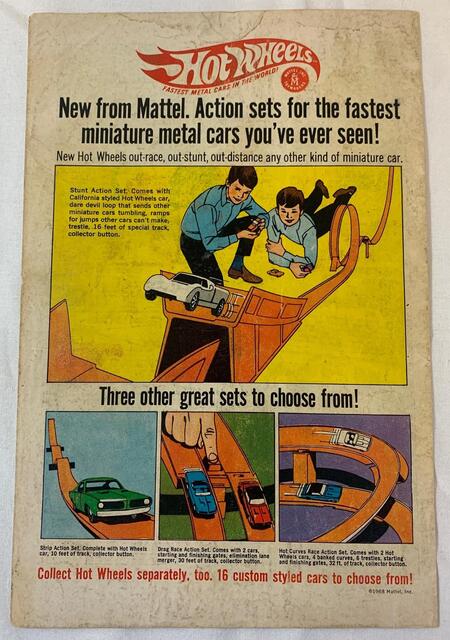
Mattel. Hot Wheels Action Sets, print advertisement, 1968. USA.
However, parents did not disappear from the advertisements. They continued to make purchasing decisions and were sometimes featured in the scenarios. In a number of announcements, however, the adults took a secondary role while the child became the main focus of the action.
IV. Play Becomes the Main Argument
In the 1960s and 1970s, toy advertising in America began to emphasize demonstrating the product’s play potential. Children weren’t shown just the object itself, but what they could do with it: organize competitions, invent stories, create their own play spaces, or take on different roles.
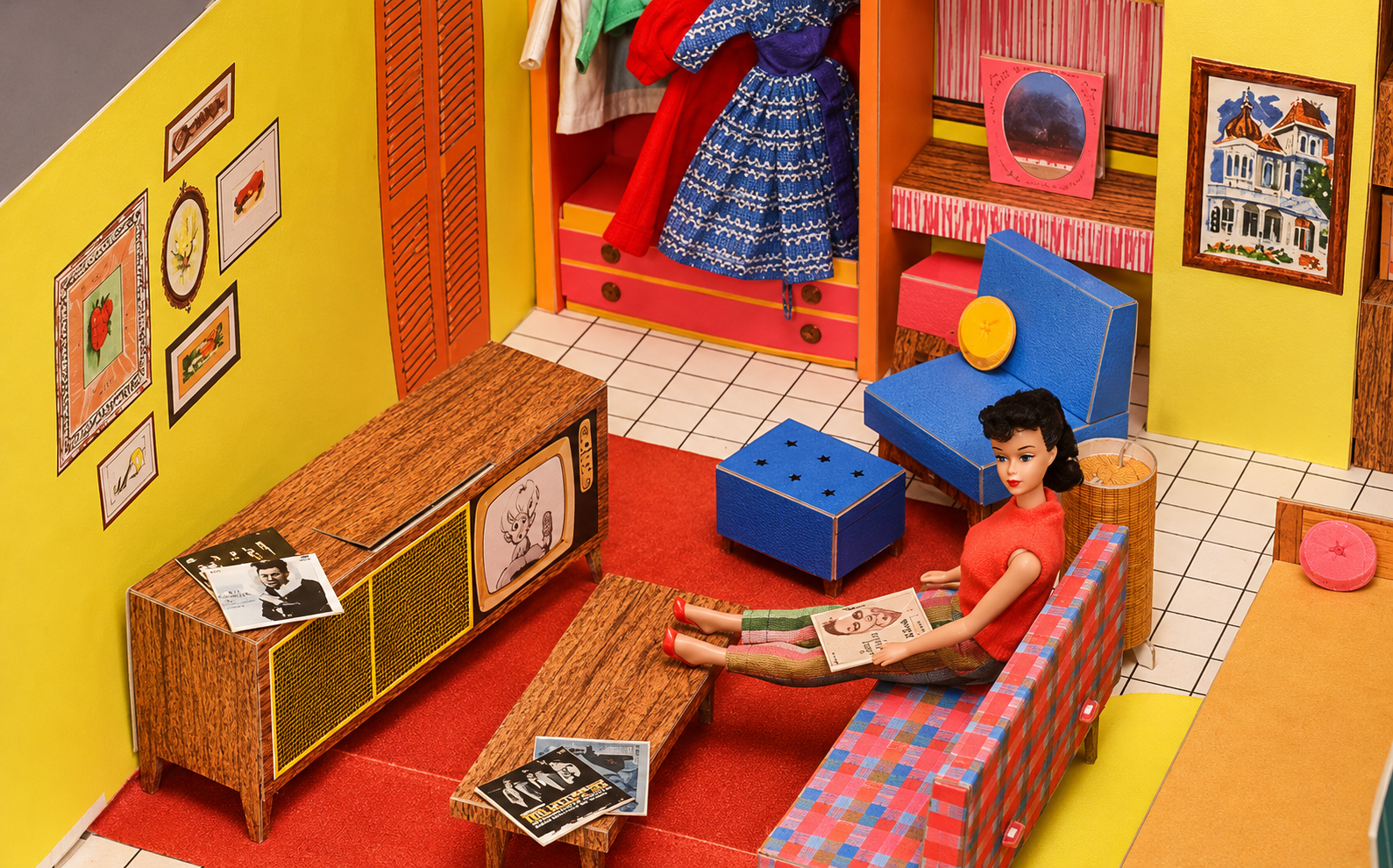
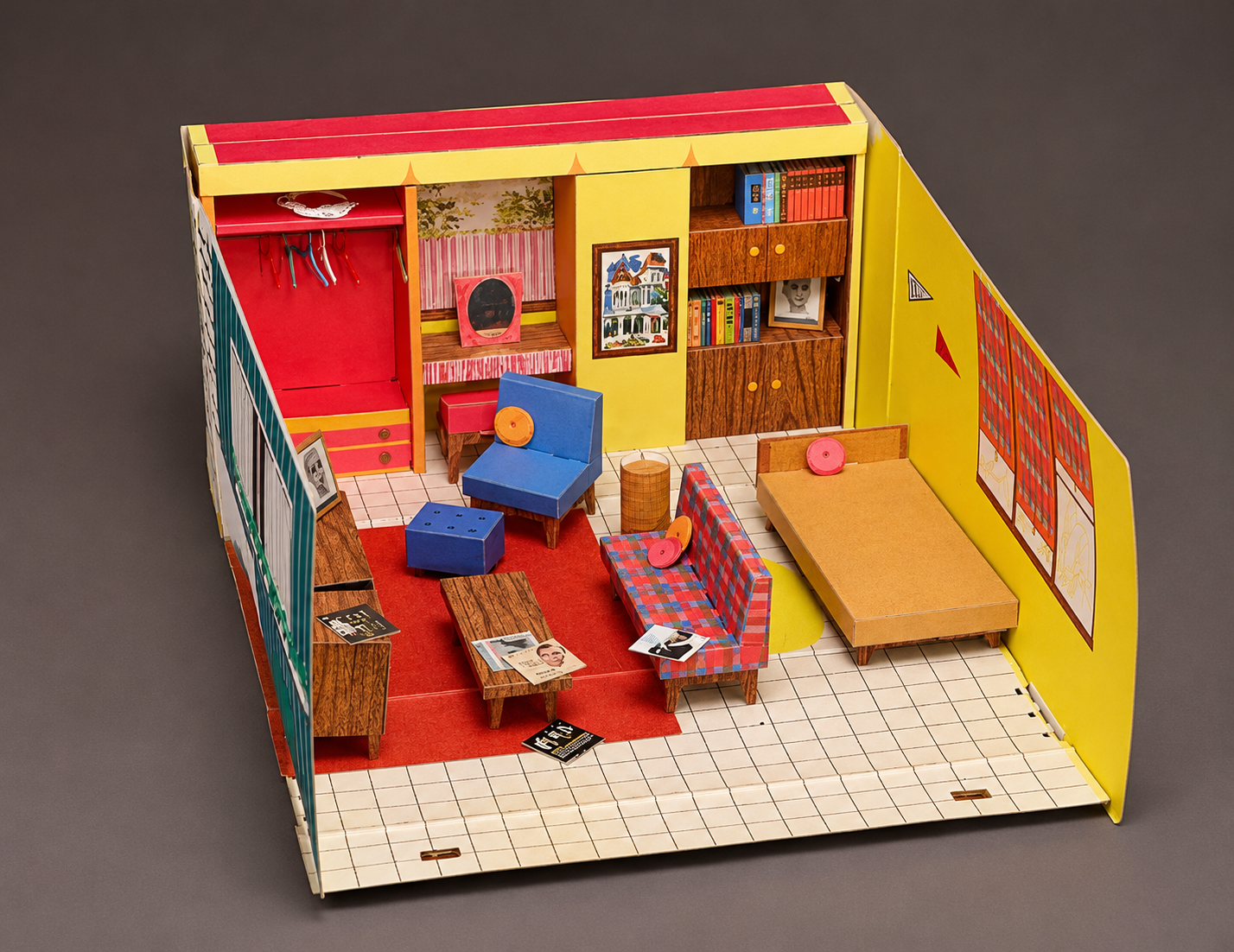
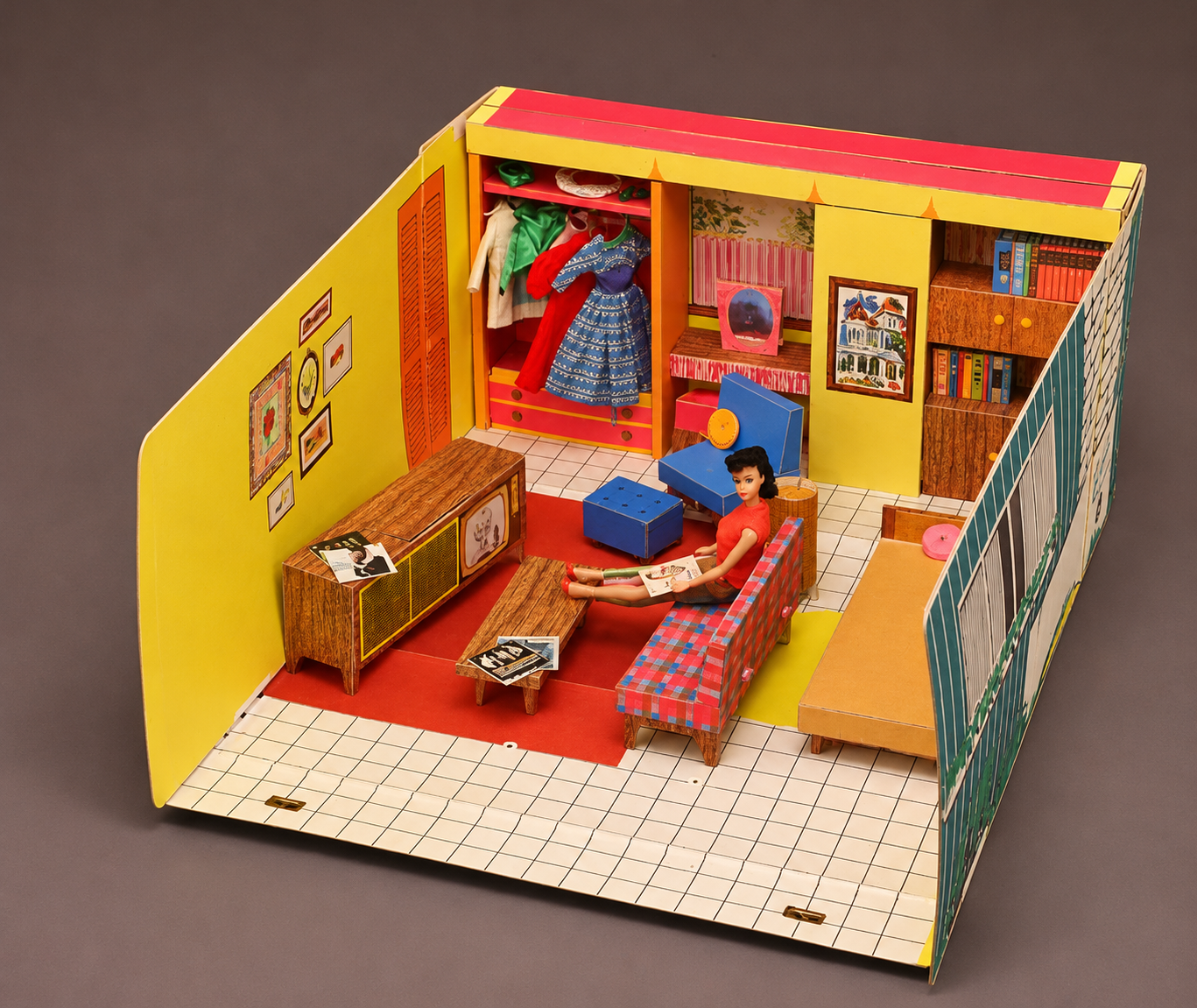
Barbie’s Dream House, 1962
Barbie & Skipper’s Deluxe Dream House, 1965