Original size 600x842

Paleopark Interactive Journal

PROTECT STATUS: not protected
Longread translated automatically

A concept for an interactive journal detailing three types of dinosaurs. The book is designed as part of the «PaleoPark» student project—a futuristic zoo where extinct animals exist as holograms.

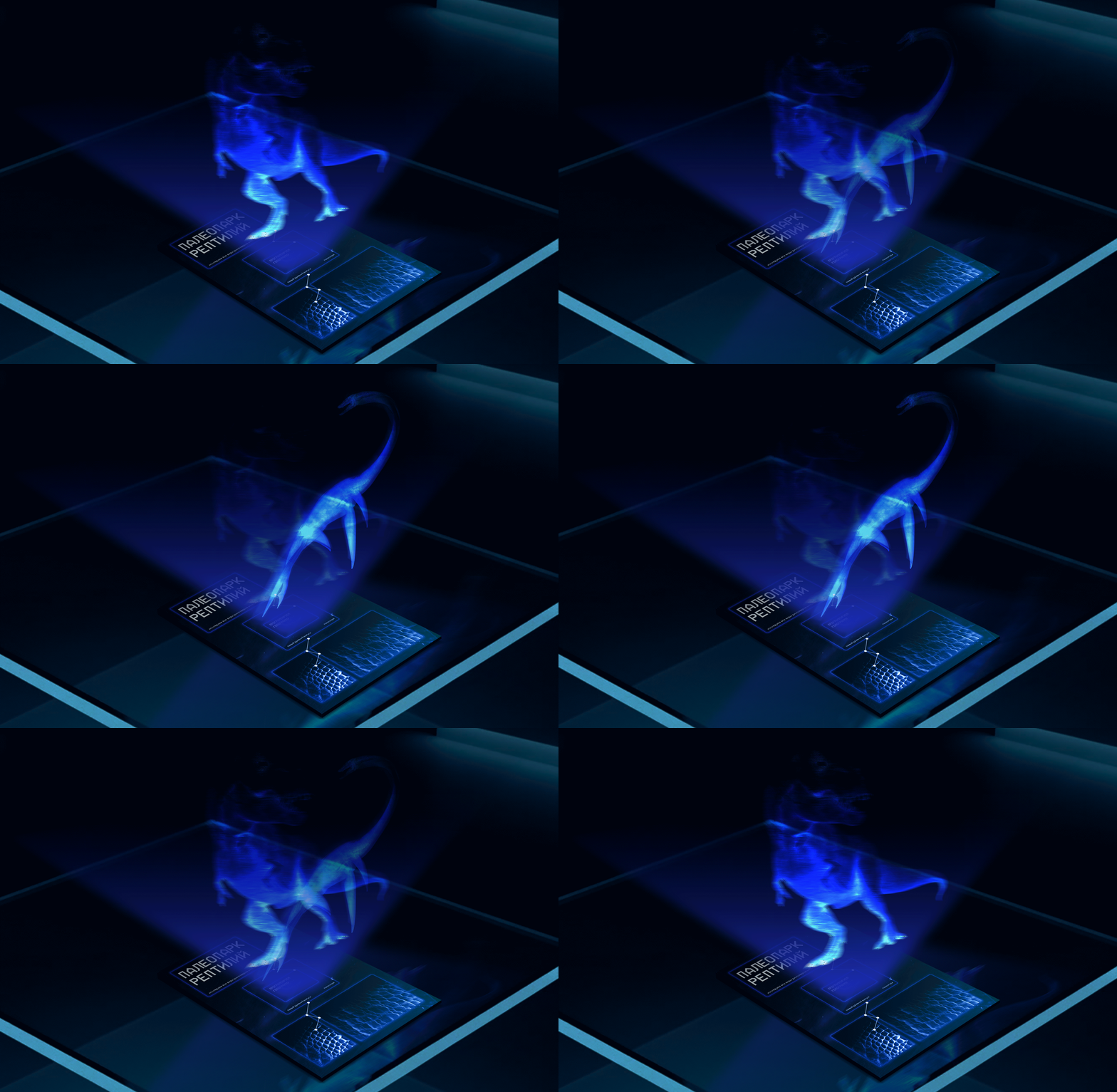
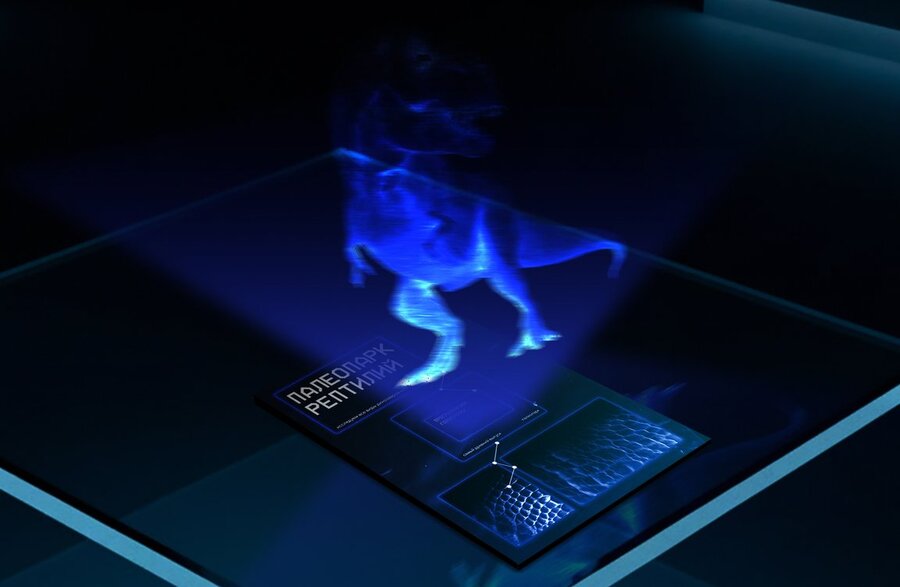
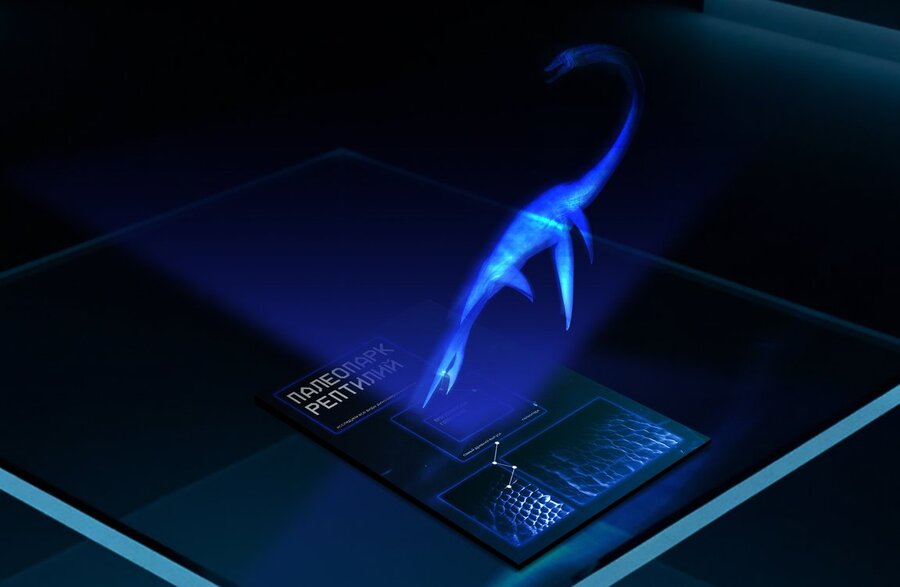
The project’s metaphor was the construction of extinct animals, which is emphasized through a holographic recognition system. With its help, knowledge of the ancient world is «reconstructed.» The use of neon, bright colors reveals the brand’s technological nature and visually demonstrates what dinosaurs looked like—something that will resonate with both adults and kids.

big
Original size 2060x950

format: 210 mm × 165 mm

big
Original size 1152x823

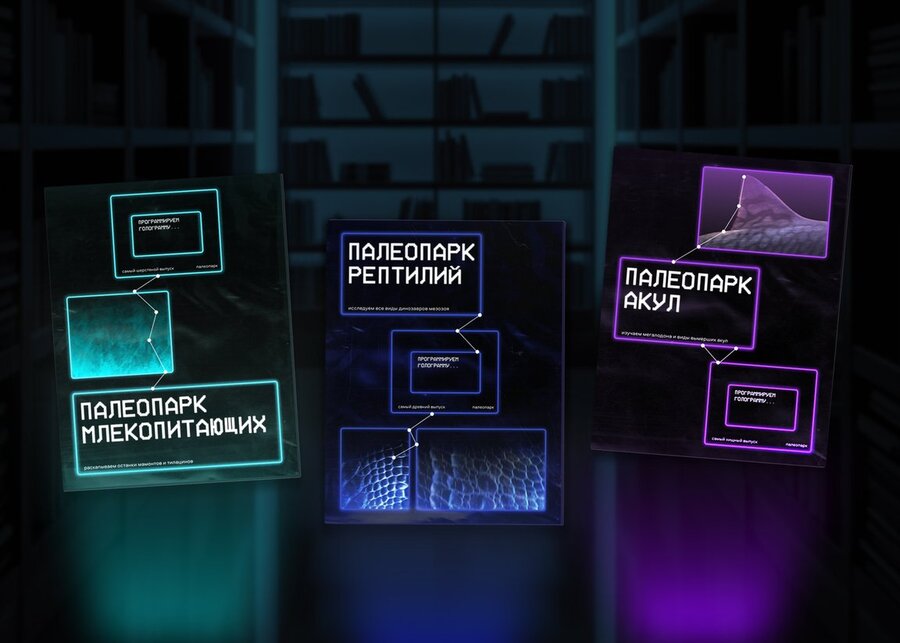
Magazine cover series

big
Original size 2683x1750
0
1/2
Original size 2384x1556

thesis system

Original size 2384x1556

Section on Marine Dinosaurs

Original size 1152x823

Interactive elements and comparing dinosaurs with objects from the surrounding world help our young students learn about the ancient world through vivid imagery.

Original size 1152x823
Original size 1152x370
Original size 2384x1556

Part 2: Earth Dinosaurs

Original size 1152x823
Original size 1152x370
Original size 2384x1556

Chapter 3: Flying Dinosaurs

Original size 1152x823
Original size 1152x1237

Magazine floor plan

Paleopark Interactive Journal
Project created at 20.10.2026
More projects in book design
GLOBAL STANDARDS:

1. English Variant:
   — Use American English spelling (e.g., «Program», «Color», «Organize», «Enrollment», «Defense»).

2. Typography & Formatting:
   — Quotes: Convert Russian «…» or «…» to «…» (curly quotes).
   — EXCEPTION: In Category 1 (UI) and Category 4 (Tags), use straight quotes or no punctuation if specified by the category rules.
   — Dashes: Use en-dashes (–) for ranges (e.g., 1990–2020) and em-dashes (—) for sentence breaks.

3. Official Naming Conventions:
   — «Школа дизайна НИУ ВШЭ» → «HSE Art and Design School» (Use «the School» for subsequent mentions).
   — «Детская школа дизайна НИУ ВШЭ» → «HSE Art and Design Kids School».

4. Universal Terminology (Strict Adherence):
   — «Учащиеся / Студент / Ученик» → Always «Student» (NEVER «Pupil»).
   — «Аудитория» → «Classroom», «Studio», or «Lecture Hall» (NEVER «Auditorium» unless referring to a theater).
   — «Кафедра» → «Department».
   — «Актуальный» → «Relevant», «Current», or «Timely» (NEVER «Actual»).
   — «Курс» (Year of study) → «Year» (e.g., «Sophomore», «2nd Year Student»).

5. Vocabulary Strategy (Age Groups):
   — «Дети» → Use «Kids» for UI/Marketing (Cats 1 & 2); Use «Children» for Academic/Theory (Cats 3 & 7).
   — «Подростки» → «Teens» (UI/Marketing) vs. «Young Adults» (Academic).

---
ВУАЛЬ
GLOBAL STANDARDS: 1. English Variant:  — Use American English spelling (e.g., «Program», «Color», «Organize», «Enrollment», «Defense»). 2. Typography & Formatting:  — Quotes: Convert Russian «…» or «…» to «…» (curly quotes).  — EXCEPTION: In Category 1 (UI) and Category 4 (Tags), use straight quotes or no punctuation if specified by the category rules.  — Dashes: Use en-dashes (–) for ranges (e.g., 1990–2020) and em-dashes (—) for sentence breaks. 3. Official Naming Conventions:  — «Школа дизайна НИУ ВШЭ» → «HSE Art and Design School» (Use «the School» for subsequent mentions).  — «Детская школа дизайна НИУ ВШЭ» → «HSE Art and Design Kids School». 4. Universal Terminology (Strict Adherence):  — «Учащиеся / Студент / Ученик» → Always «Student» (NEVER «Pupil»).  — «Аудитория» → «Classroom», «Studio», or «Lecture Hall» (NEVER «Auditorium» unless referring to a theater).  — «Кафедра» → «Department».  — «Актуальный» → «Relevant», «Current», or «Timely» (NEVER «Actual»).  — «Курс» (Year of study) → «Year» (e.g., «Sophomore», «2nd Year Student»). 5. Vocabulary Strategy (Age Groups):  — «Дети» → Use «Kids» for UI/Marketing (Cats 1 & 2); Use «Children» for Academic/Theory (Cats 3 & 7).  — «Подростки» → «Teens» (UI/Marketing) vs. «Young Adults» (Academic). --- ВУАЛЬ
adcr.dafes
The Art Directors Club of Russia sets the benchmark for creative excellence in design and advertising, serving as a central hub where industry professionals connect. Since 2004, the Club has hosted the ADCR Awards—a premier national competition celebrating creativity, design, and advertising. The core mission of the awards is to champion agencies and independent creators making their mark in the local market. By presenting this honor on behalf of the professional community, the Club reaffirms its endur... Show more
adcr advertising
adcr design
adcr students and young creators