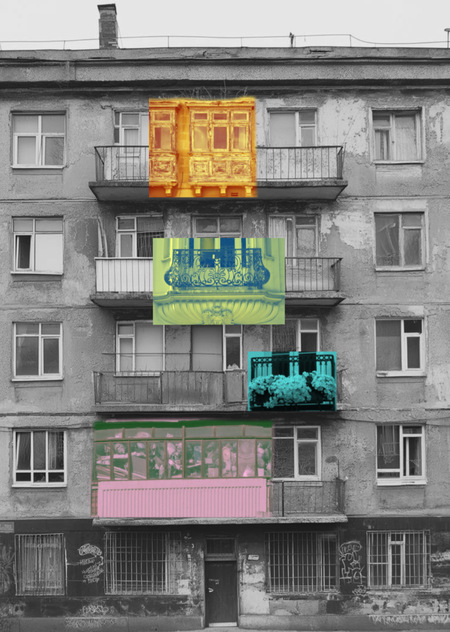
Prepare to immerse yourself in the world of architectural transformations and their visual manifestations. Balconies, as elements of urban infrastructure, often bear the marks of time, influenced by external factors, human activity, and design choices. As part of a visual study, I examined various types of balcony deformation—from those requiring restoration to unconventional structures and aesthetic modifications.
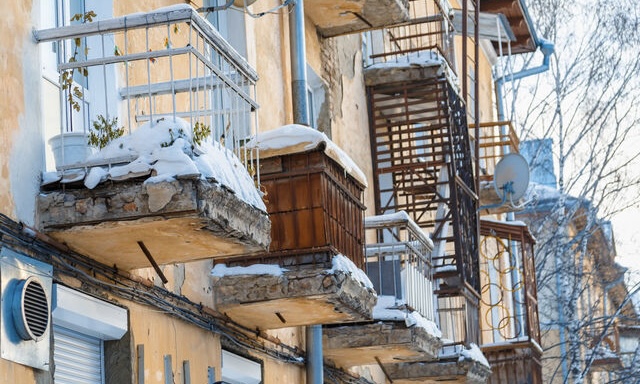
1. Balconies Requiring Restoration
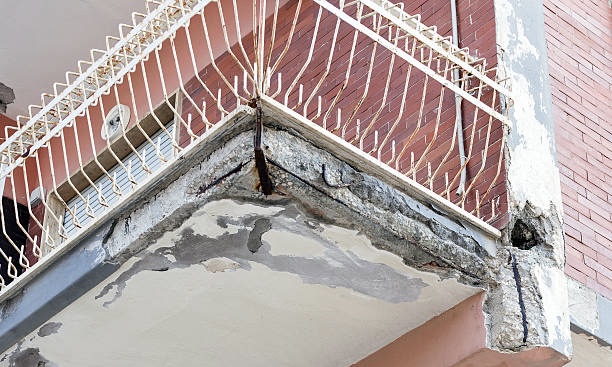
Balconies requiring restoration are most frequently found in older housing stock (Stalinist, Khrushchev-era, and pre-revolutionary buildings), particularly in historical city centers. Signs of structural failure include cracks in the slab, rebar corrosion, plaster deterioration, and structural sagging.
2. Cluttered Balconies
Cluttered balconies are most commonly found in older, high-rise residential buildings—apartments that use the balcony as storage for seasonal tires, old furniture, or household appliances. Clutter is also characteristic of enclosed loggias converted into utility workshops, especially if the finishing materials are flammable.
3. Balconies attached to the apartment
Attached (add-on) balconies are most commonly found on the first floors of Khrushchevkas, Stalinka buildings, and some types of new panel constructions where balconies were not originally present. Residents of warm climate regions (Southern Russia), as well as in older housing stock with small initial apartment sizes, are usually responsible for issues related to adding, expanding, and finishing these balconies. The leading regions in terms of the presence of balconies and loggias requiring finishing are the Mari El Republic, Chuvashia, and the Kirov Oblast. This type of balcony can detract from the aesthetic appearance of the building and generate resident complaints regarding obstructed views from the windows.
4. French Balconies
French balconies are full-height, panoramic windows with a narrow or nonexistent platform, commonly found in modern residential complexes (luxury and comfort classes), country cottages, and historic European city buildings. They embellish facades while providing maximum light.