Concept
In Tang dynasty funerary art, fantastic creatures intended to guard the tomb hold a special place. Their depictions are difficult to associate with any single animal; the figures might possess the body of a predator, a human face, hooves, horns, claws, and protrusions resembling tongues of flame. Parts that do not exist together in nature are combined into one creature, forming an unfamiliar—and at times overtly frightening—appearance.
But what precisely makes these figures threatening?
At first glance, the answer seems obvious: an open mouth, exposed fangs, horns, and claws. However, when comparing the funerary figures, it becomes apparent that the impression of danger does not always depend on the presence of such details. Some creatures appear aggressive due to their tense posture and wide-open mouths, while others create an equally strong impression despite their stillness. The threat can arise not only from facial expression but also from the silhouette, body proportions, direction of gaze, and the combination of incompatible anatomical features.
This distinction was the basis of the research.
Key research question
What visual characteristics transform a funerary figure into an image of a supernatural protector?
Hypothesis
This work examines fantastical guardian beasts known as zhenmushou. The focus will primarily be on Tang Dynasty (618–907) ceramic figures, whose protective function is corroborated by museum attributions and studies of burial rituals. The goal is not to inventory the fantastic creatures of Chinese art, but rather to analyze the specific techniques sculptors employed to create an image of power capable of resisting danger.
The research is based on the premise that the sensation of threat arises not from a single expressive trait, but from the interaction of multiple elements. The silhouette establishes the overall impression, the posture indicates potential action, the head details demonstrate aggression, the hybrid body pushes the figure beyond the realm of conventional animals, and the color and surface enhance the expressiveness of individual parts. To test this hypothesis, the material will be examined sequentially across five categories: silhouette and scale; posture and direction of movement; head details; the combination of animal and human traits; and surface, color, and decoration.
The visual sequence will serve as the primary evidence. General shots will capture the silhouette and posture, while close-ups will reveal expressive details and texture. The images will be juxtaposed based on similarity and contrast, allowing the logic of the research to be grasped without lengthy explanations. Captions will provide the object’s name, date, location of storage, and source. The text will explain the context that cannot be seen in the images but will not substitute for visual analysis. The project’s goal is to demonstrate the forms that constitute the impression of threat and how consistently the chosen examples support the hypothesis.
Funerary figure as part of a tomb
The Tang Dynasty (618–907) was one of the most significant periods in the development of Chinese funerary sculpture. Beliefs in the continuation of existence after death dictated the contents of the burial inventory. Tombs contained figures of people, animals, carriages, household items, and fantastical creatures. These objects were intended to replicate the deceased person’s familiar world, signify their social status, and fulfill specific ritual functions. Figures, which in Chinese funerary art are called mingqi, were part of a broader funerary complex. The Metropolitan Museum describes them in relation to funerary architecture, beliefs, material surroundings, and conceptions of the afterlife. During the Tang Dynasty, tombs contained, among other things, protective figures and animals; human figures and objects related to earthly life also played an important role.
In the Tan tombs, such creatures were often situated in pairs near the entrance to the burial chamber. Along with the figures of armed warriors, they formed a guard group, separating the deceased’s space from potential threats.
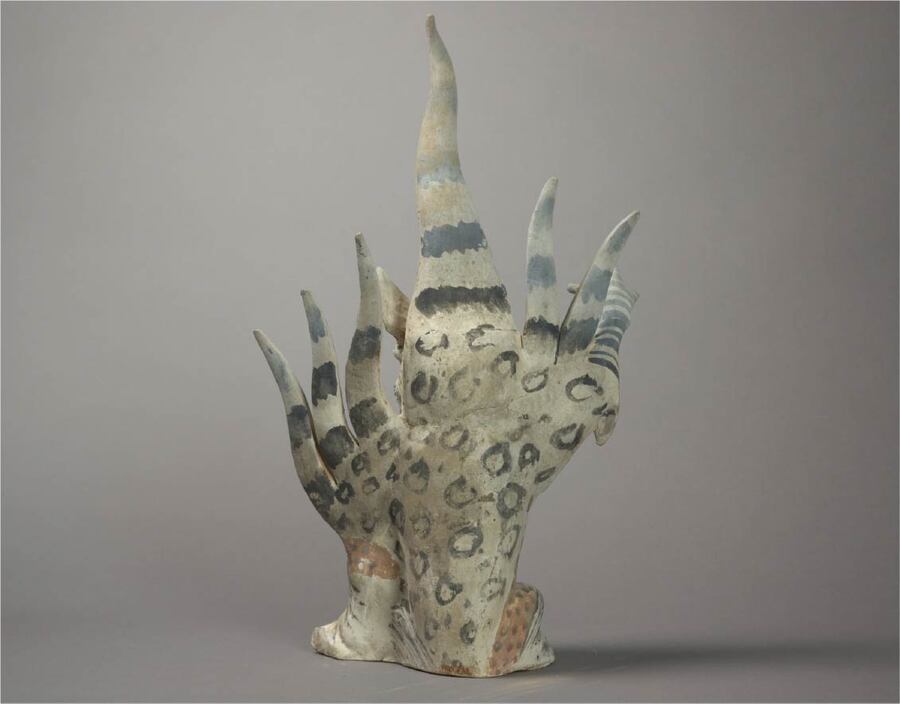
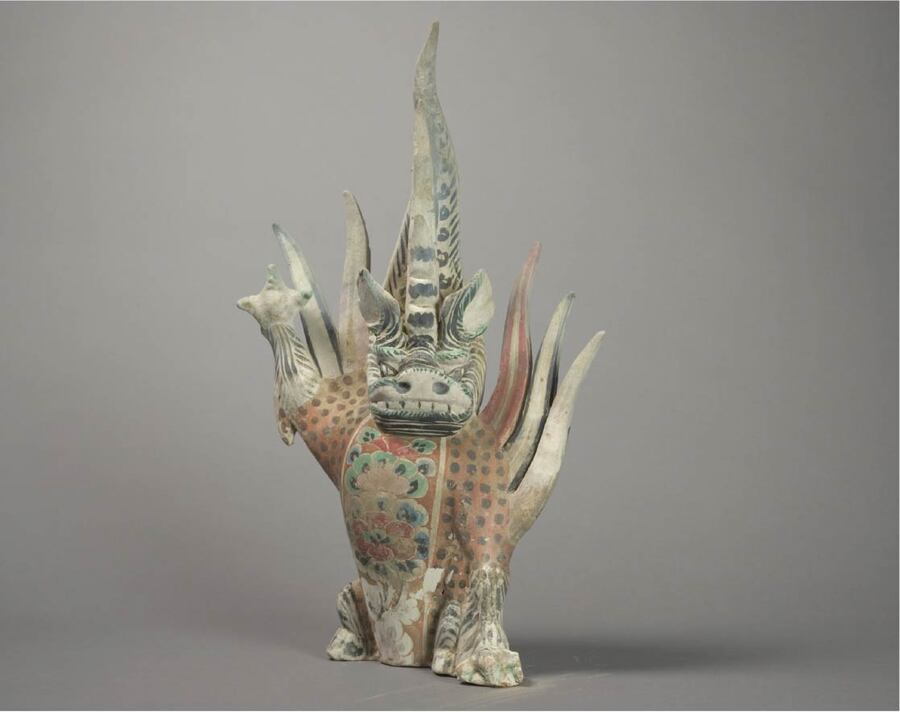
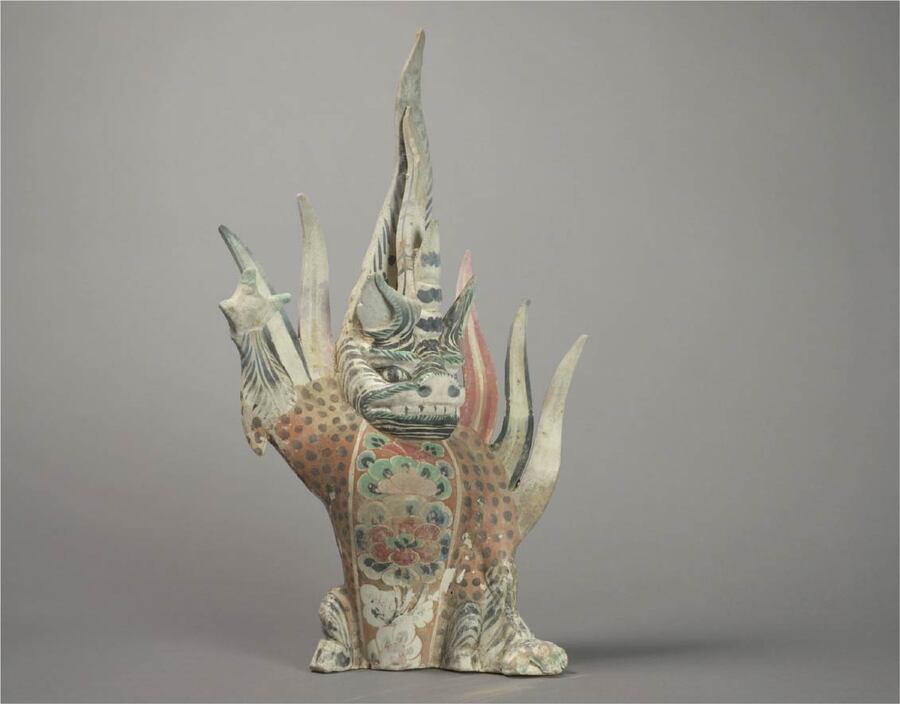
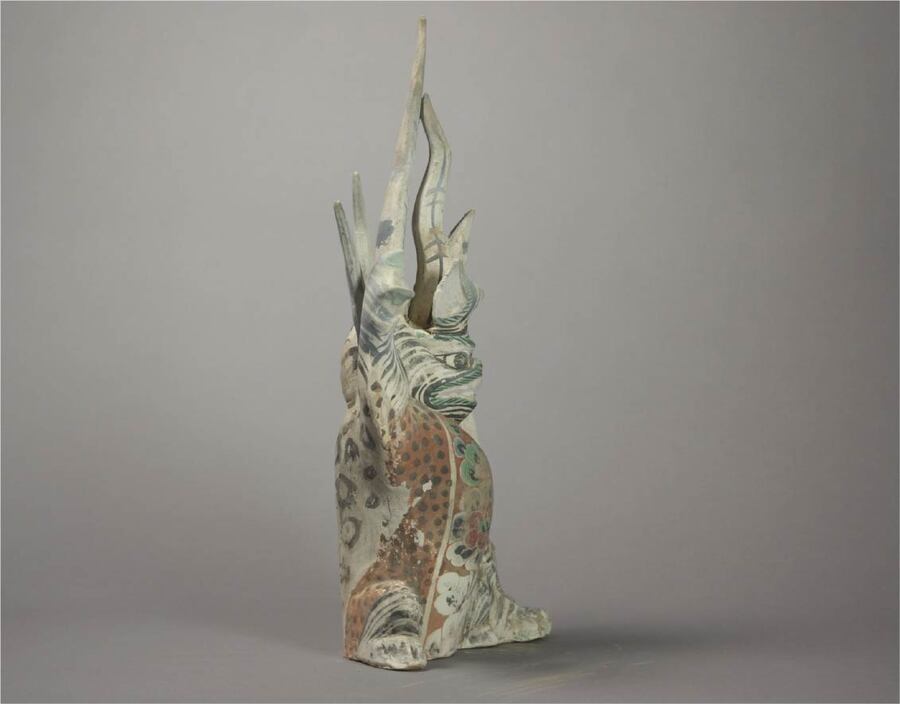
Pairwise Buried Guardians (Qianmushou) China, Tang Dynasty (618–907)
It was believed that these figures not only protected the tomb itself from intrusion but also prevented the deceased’s soul from becoming lost and returning to the living world. Wealthier tombs often featured four guardians—a pair of zhenmushou and zhenmuyong (warrior guardians) placed in each corner.
Paired Winged Funerary Guardians (Qianmushou) China, Tang Dynasty (618–907)
Why Location and Context Matter
The funerary guardian is perceived not only through its appearance. Its function and its presumed placement within the tomb are significant. Sources connect these guardian animals with the protection of the deceased, and some museum descriptions detail the placement of figures near the entrances or gates of burial chambers. However, placement cannot be automatically ascribed to every object: if the origin of a specific figure is unknown, this should be noted.
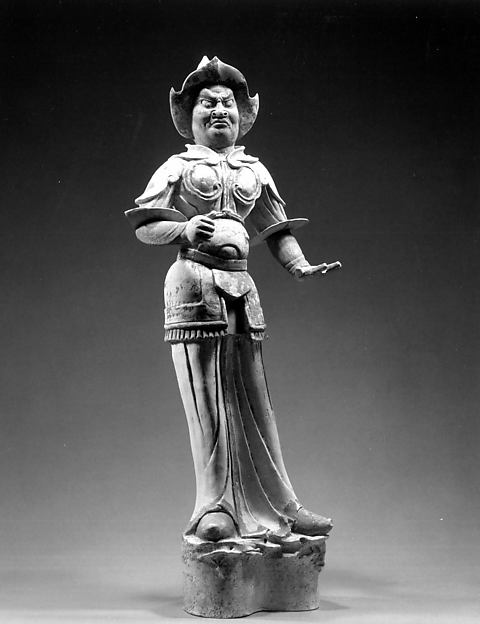
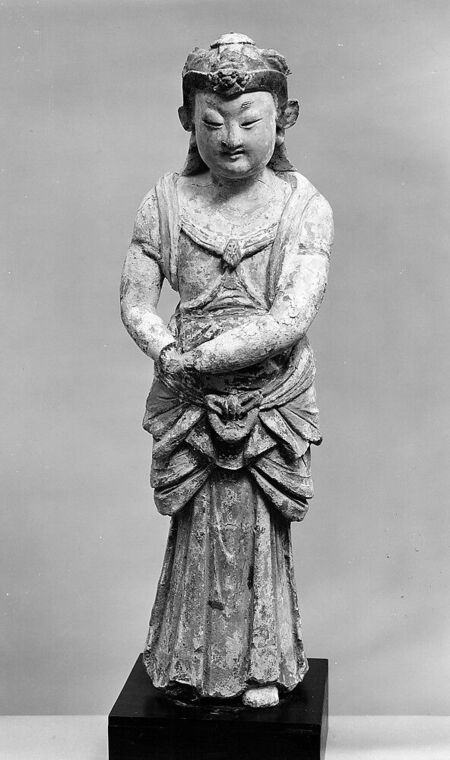
Guardian Beast, China, early 8th century. Clay with pigment.