Categories
- Concept
- A Brief History of Robots in Cinema
- The Terminator (1984)
- Terminator 2: Judgment Day (1991)
- Terminator 3: Rise of the Machines (2003)
- Terminator: Salvation (2009)
- Terminator: Genesis (2015)
- Terminator: Dark Fate (2019)
- Conclusion
1. Concept
This visual study examines how cinema has approached representing robots to the viewer on screen since the early 20th century. The analysis draws from a series of Terminator films: The Terminator (1984, directed by James Cameron), Terminator 2: Judgment Day (1991, directed by James Cameron), Terminator 3: Rise of the Machines (2003, directed by Jonathan Mostow), Terminator Salvation (2009, directed by McG), Terminator Genisys (2015, directed by Alan Taylor), and Terminator: Dark Fate (2019, directed by Tim Miller). The topic is of interest to the author because it intersects with the final master’s thesis, «Current Practices of Using Visual Effects in Media Presentations of Robots and Robotic Systems, ” and parts of this research are included in the final thesis. All the Terminator films address a similar visual challenge—convincingly presenting a mechanical body (a robot) in the frame alongside a live actor. This challenge is addressed through various methods, depending on the available pool of advanced visual effects technology at the time of each film’s production.
For several decades, the Terminator film franchise has served as a testing ground for technological experimentation. Virtually every installment in the series reflected a new stage in the development of filmmaking technology. The first film showcased the potential of practical special effects, while Terminator 2: Judgment Day marked a significant milestone in the evolution of computer graphics and the integration of CGI into cinema. Later installments demonstrate a shift from mechanical effects to digital technologies. This allows us to trace changes not only within a single franchise but across the film industry as a whole. The visual research is structured chronologically. The study is divided into distinct phases, dedicated to the key films and the technologies employed in their production. This structure enables us to track the evolution of character creation methods—from practical effects to digital technologies. The central question of this research is how the advancement of visual effects technology has influenced the transformation of the Terminator’s on-screen portrayal. The research hypothesis posits that the evolution of these technologies has altered not only the level of character realism but also the very nature of their visual perception. As the films transitioned from practical effects to CGI, the Terminators gradually transformed from mechanically tangible objects into complex digital renderings—a shift that is clearly perceptible to the viewer, especially when watching the Terminator films in chronological order.
2. A Brief History of Robots in Cinema
Analyzing the depiction of robots in the Terminator film series is impossible without a brief detour into the history of robots in general. The word «robot» was coined by the Czech artist Josef Čapek, and his brother, the writer Karel Čapek, introduced it to literature. The word first appeared in Karel Čapek’s science fiction play R. U. R. (Rossum’s Universal Robots), written in 1920. The term is derived from the Czech word robota, which means «forced labor, ” „corvée, ” or „hard work.“ This word shares a common Slavic root with the Russian word rabota.
Fig. 1. The British adaptation of «R.U.R,» 1938.
Interestingly, in Čapek’s own play, the robots were not metallic machines but artificially grown biological beings (living synthetic humans) created for heavy labor. The next historical example is the famous robot android named Maria (Maschinenmensch, «machine-man») from Fritz Lang’s iconic silent film Metropolis (1927). Maria’s costume was created using materials and techniques that were groundbreaking for its time.
Fig. 2. Actress Brigitte Helm during the filming of Metropolis. Circa 1925
The costume design was conceived by sculptor and architect Walter Schulze-Mittendorff. It is believed that the sculptor was inspired, in part, by Tutankhamun’s golden funerary mask, which was discovered shortly before filming began. To ensure the costume fit the performer Maria’s figure perfectly—the actress Brigitte Helm had a plaster cast of her body made, based on which the sculptor sculpted the details. The costume was modular, resembling knight’s armor. The completed pieces were coated in a silvery bronze paint (Silberbronze), which gave the effect of gleaming metal on film. Brigitte Helm had to spend long hours in this rigid, heavy, and poorly ventilated costume.
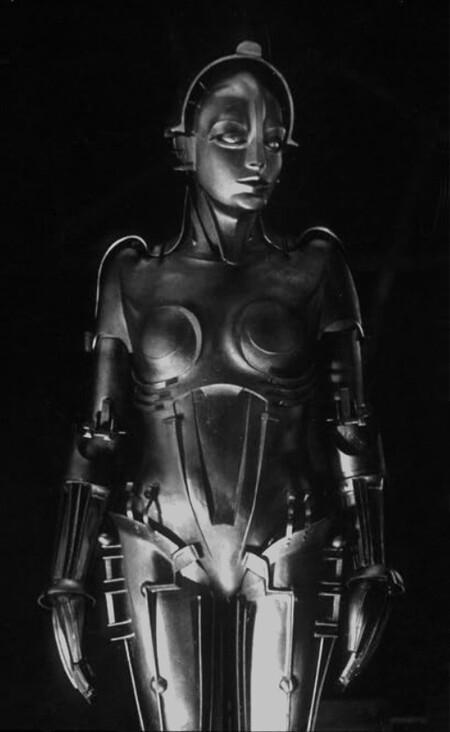
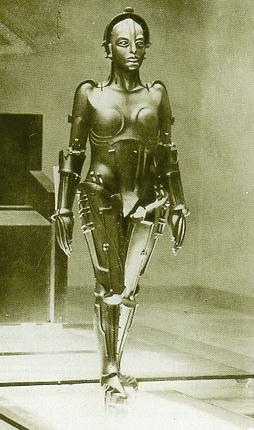
Figure 3. Maria’s Costume
Another important example of the robot archetype in cinema is Robbie the Robot from the 1956 film «Forbidden Planet.»
Fig. 4. Still from the film «Forbidden Planet»
Robbie was an innovative and costly costume, constructed from rubber, metal, plexiglass, and plastic, priced at around $125,000 in 1956 dollars—nearly 7% of the entire film budget. The stunts for Robbie were managed by stuntmen Frankie Darro and Frankie Carpenter, both of short stature, around 160 cm. Robbie’s voice was recorded in post-production by actor Marvin Miller. Since all three actors were uncredited in the titles, this allowed the studio to present Robbie as a character.
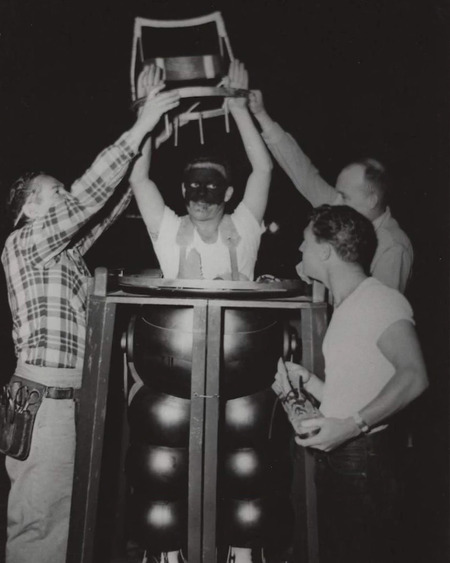
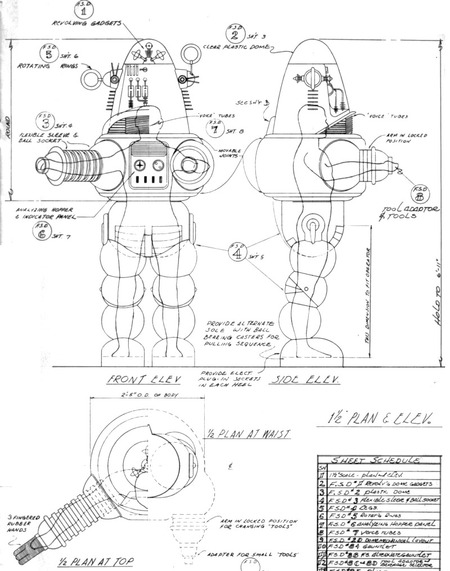
Fig. 5. Costume design and costume sketch
The suit, standing slightly over 7 feet tall, consisted of three detachable sections: the head, the torso, and the legs. The suit weighed around 45–50 kilograms, with the weight distributed across the entire body. The actor’s field of vision was extremely limited. He viewed the world through subtle slits in the robot’s chest «amplifiers,» meaning movement across the stage had to be performed almost blindly, strictly along memorized trajectories. Inside the suit, it was unbearably hot.
3. «The Terminator» (1984)
During the 1970s and 1980s, cinema moved away from the «man in a box.» Influenced by space exploration, robots adopted functional, industrial design, or revealed their frightening internal anatomy—endoskeletons. In this period, mechanical puppets, remote-controlled models, and stop-motion animation began to be applied in cinematic technology.
Figure 6. A Director Surrounded by Terminators
The story of the creation of the first Terminator began with James Cameron’s idea, who independently developed not only the film’s plot but also its visual concept. It was Cameron who established the initial image of the Terminator as a mechanical entity concealed beneath a human shell. To realize this idea, the director sought to involve special effects makeup and practical effects experts capable of creating a convincing cyborg image without relying on computer graphics, which were barely in use in cinema in the early 1980s.
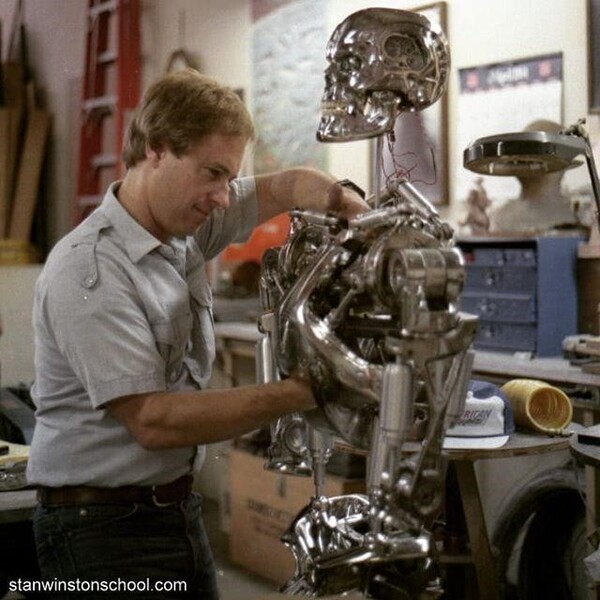
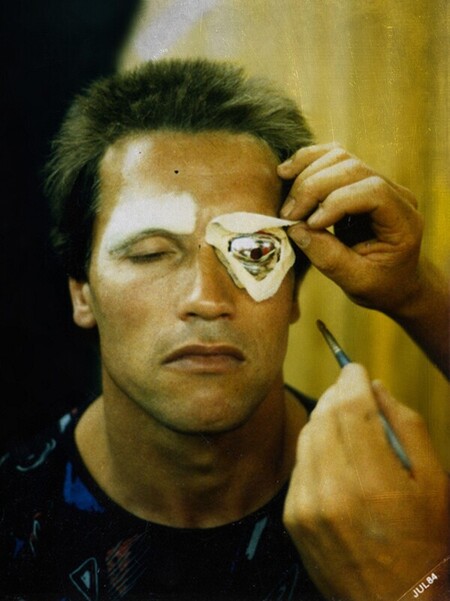
Fig. 7. Conceptualizing the Terminator Image
Stan Winston was actively involved in developing the visual identity of the Terminator and creating the practical effects for the film. Under his direction, a mechanical endoskeleton T-800, animatronic elements, and intricate prosthetic makeup were developed, which allowed the destruction of the Terminator’s human shell to be displayed on screen. Winston’s work was so convincing and technologically innovative that he became the primary designer of the Terminator’s look in subsequent films of the series.
Figure 8. The Process of Creating Terminator Components
At the time the film was produced, the film industry was already actively using stop-motion animation, miniatures, and mechanical models, so the special effects studio team could have taken a more traditional approach to creating the on-screen cyborg. However, Winston bet on a different approach—a maximally realistic reproduction of the human body and the actor’s appearance using anatomically precise mannequins, elaborate makeup, and mechanized puppets.
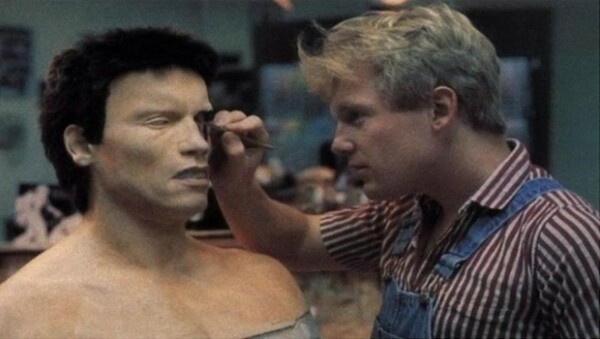
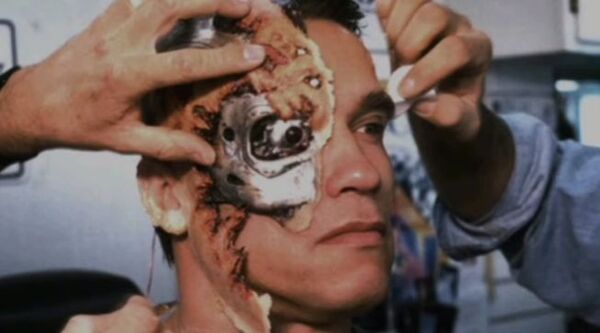
Fig. 9. The process of creating practical effects for a film