Contents
- Introduction: The unique appearance, function, and history of Gothic architecture
- France — Amiens Cathedral
- England — Salisbury Cathedral
- Germany — Freiburg Cathedral
- General summary of the visual study
Area of Study
The history of medieval art, Gothic architecture, and European architectural sculpture.
Subject and Object
Subject — gargoyles on Gothic cathedrals. Topic — their functional, plastic, and visual characteristics: silhouette, creature type, anatomy, expression, placement on the facade, execution technique, and state of preservation.
Research Question
How did the appearance of the Gothic gargoyle change from the advent of the Gothic period through the 14th century, and what similarities and differences can be observed in examples from France, Germany, England, and Spain?
Hypothesis
In terms of their drainage function, gargoyles present a diverse visual range: from recognizable animals to fantastic hybrids and human figures. Comparing specific monuments will help reveal general trends in Gothic sculpture and test the extent to which regional variations are linked to the time of creation, architectural context, and workshop traditions. The hypothesis does not assume that every country must have its own unique type of gargoyle.
Concept
I have always been drawn to subjects where aesthetics intertwine with something bizarre and unusual. Therefore, gargoyles caught my attention—the stone figures that watch people from the rooftops of Gothic cathedrals. They are simultaneously repulsive and captivating: some have the faces of predators and sharp fangs, others possess human features, and a third group appears to be creatures from a fantasy world. I became interested in why such unconventional imagery appeared on religious buildings and what lies behind their eccentric appearance.
At first glance, a gargoyle seems like a decorative sculpture, but it has a practical function—to divert rainwater away from the walls. This reveals that behind a fantastical image lies an engineering solution, and a structural necessity becomes a catalyst for artistic creativity. I was intrigued by how medieval masters merged functionality with expressiveness and why the same architectural element could take on such diverse forms.
In this study, I intend to trace the evolution of gargoyles from the emergence of Gothic architecture in the 12th century through the end of the 14th century. I have chosen four countries for comparison: France, Germany, England, and Spain. France allows for the examination of early examples, while the monuments from the other countries enable a comparison of the sculptures' characteristics across different architectural traditions. The focus will be on the imagery itself: their silhouettes, proportions, poses, facial expressions, and techniques of stone carving.
The main research question is: how do gargoyles from different countries and eras differ, and what can we learn by closely examining their form? I hypothesize that the common function of water diversion did not dictate a uniform appearance for the sculptures. Masters created images of recognizable animals, anthropomorphic figures, and fantastic hybrids. Moreover, these differences are not necessarily explained by national characteristics; they could have been influenced by the time of creation, the workshop, the sculpture’s placement, and subsequent restoration efforts.
The primary research method is visual analysis and comparison. I examine each gargoyle as a whole, and then I study the details: the mouth, eyes, limbs, body curves, and stone texture. It is also important to understand how the sculpture relates to the architecture and whether it truly performs a drainage function. Comparing them using unified criteria will help reveal patterns that are not always apparent when studying individual monuments.
For me, this is an opportunity to view Gothic architecture from an unexpected perspective.
1. Introduction: The unusual form, function, and history of Gothic architecture
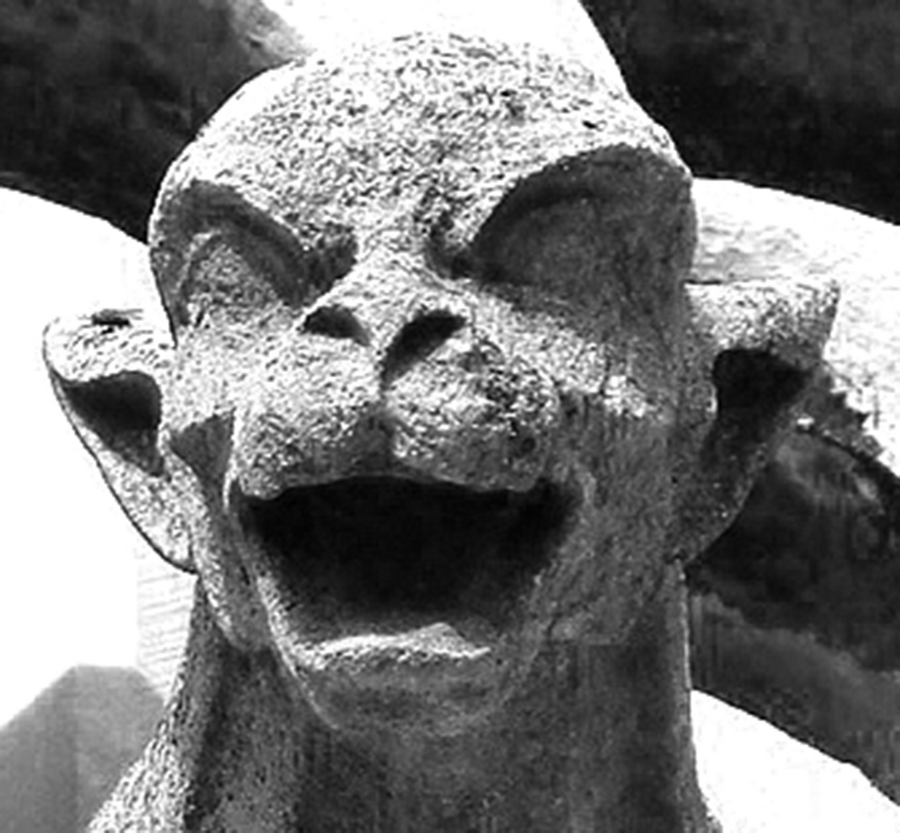
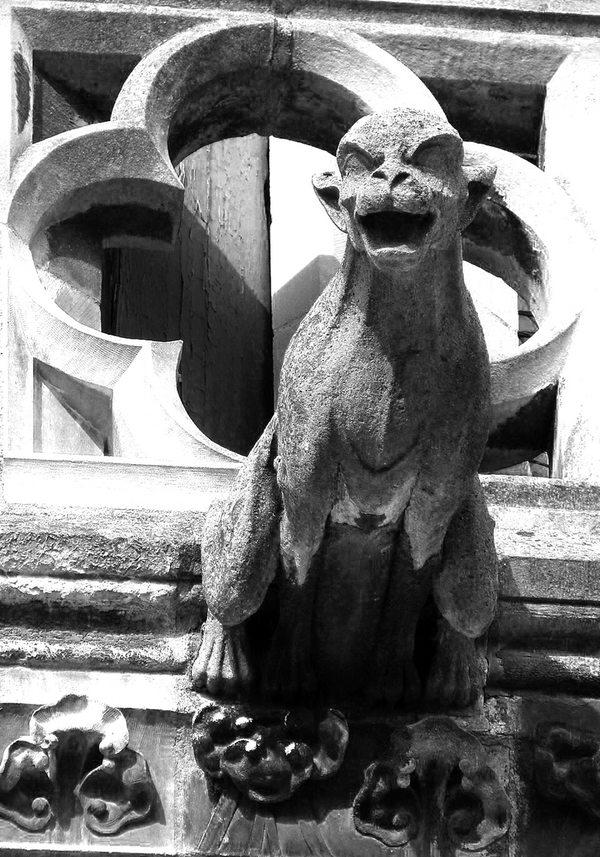
Gargoyle of Notre-Dame Cathedral in Amiens
Gargoyles occupy a transitional space: they are positioned high above the street, at the juncture of the roof and the facade. They are difficult to discern from the ground, but it is precisely this obscurity that often leads to them being perceived as a separate world of fantastic creatures, concealed within the architecture.
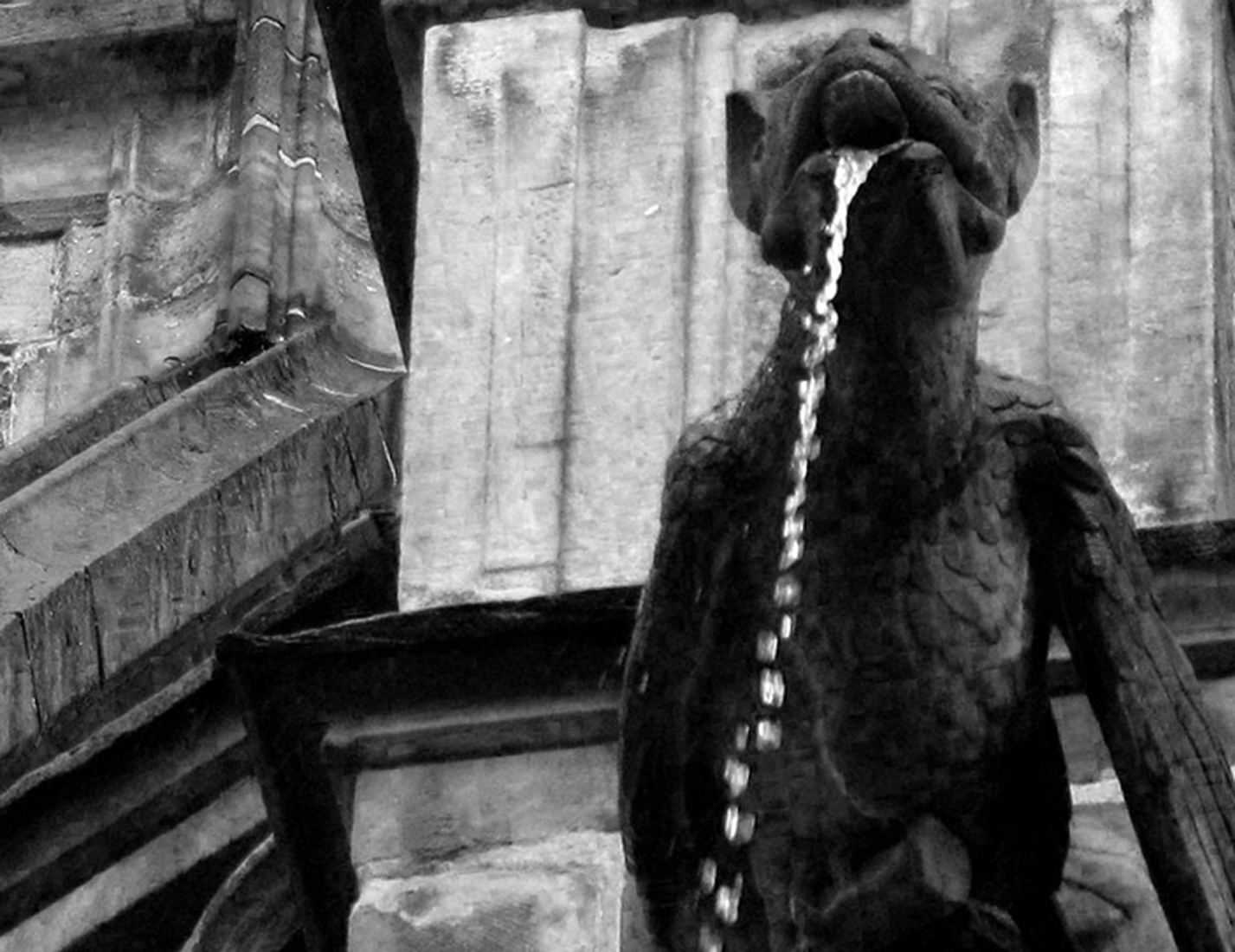
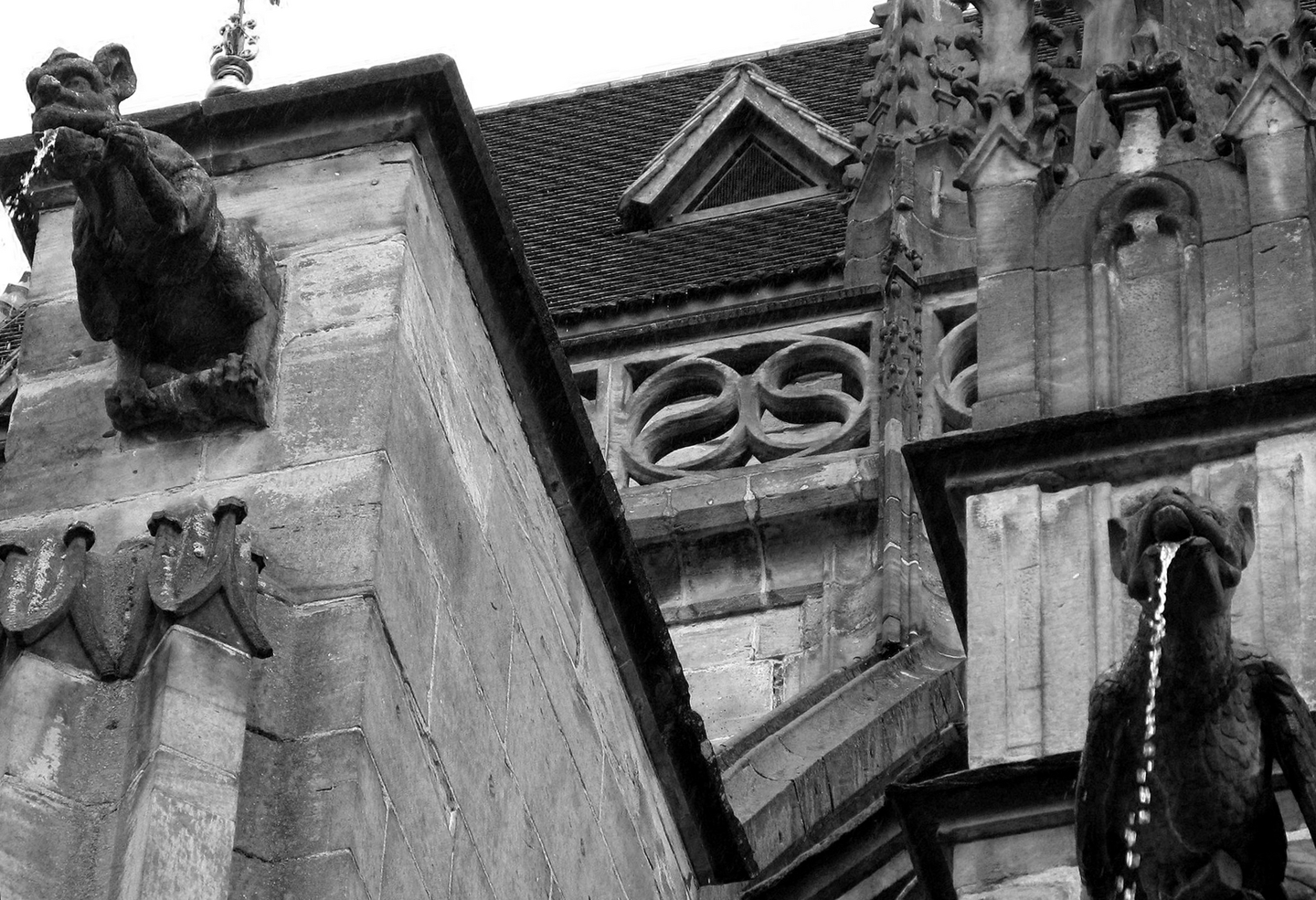
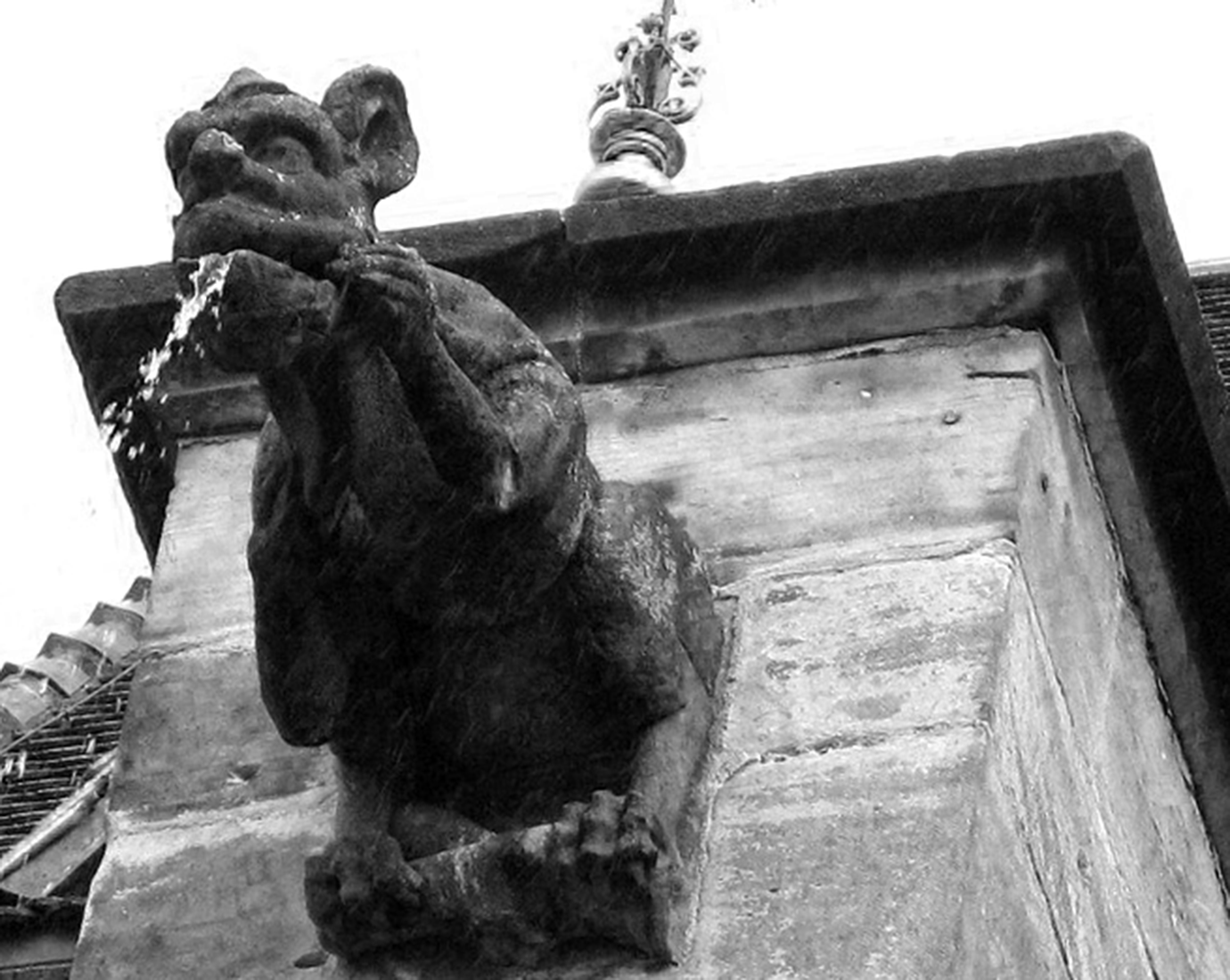
Sculptural downspouts of the Freiburg Cathedral, Germany
A gargoyle doesn’t just adorn a cathedral. Its original function is to divert rainwater away from the walls, reducing moisture damage to the masonry. The form of the downspout becomes sculptural: the water exits the mouth, and the body projects beyond the wall’s plane. Function and fantasy coexist.
«Gothic architecture is the result of an engineering challenge: how to span increasingly wider spaces at greater heights with stone?»
France is the starting point of this story. Early Gothic architecture developed here, and in the 13th century, major cathedrals became venues for the evolution of gargoyles with fantastic forms.
Saint-Denis Basilica, France
Gothic architecture formed in France during the 12th century. The eastern part of the abbey church of Saint-Denis was rebuilt under Abbot Suger between 1140 and 1144; this ensemble is considered one of the key early examples of Gothic style. However, the characteristic elongated stone gargoyles became widespread later—in the early 13th century.
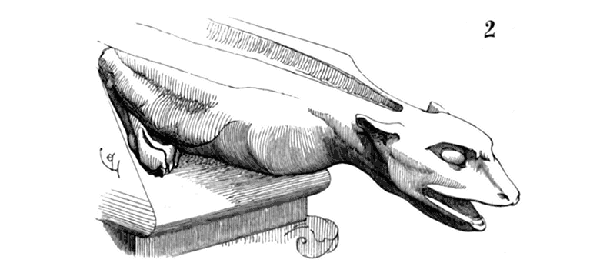
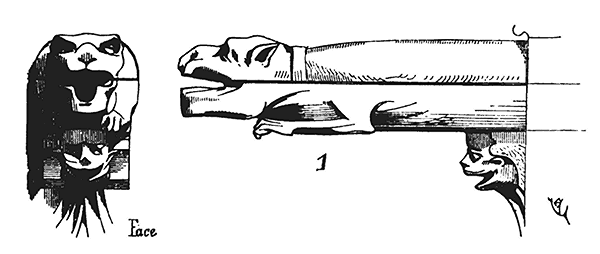
Гаргулья собора в Лане — исторический рисунок Эжена Виолле-ле-Дюка.
«The Gothic style first appeared in the early 12th century in northern France.»
In the mid-13th century, gargoyles were systematically utilized on the Notre-Dame de Paris cathedral. Early examples may have been relatively short and supported by additional sculptural elements; later, an elongated silhouette became more characteristic. Thus, this technical solution became established and transformed into a recognizable architectural motif.
2. France — Amiens Cathedral
Amiens Cathedral
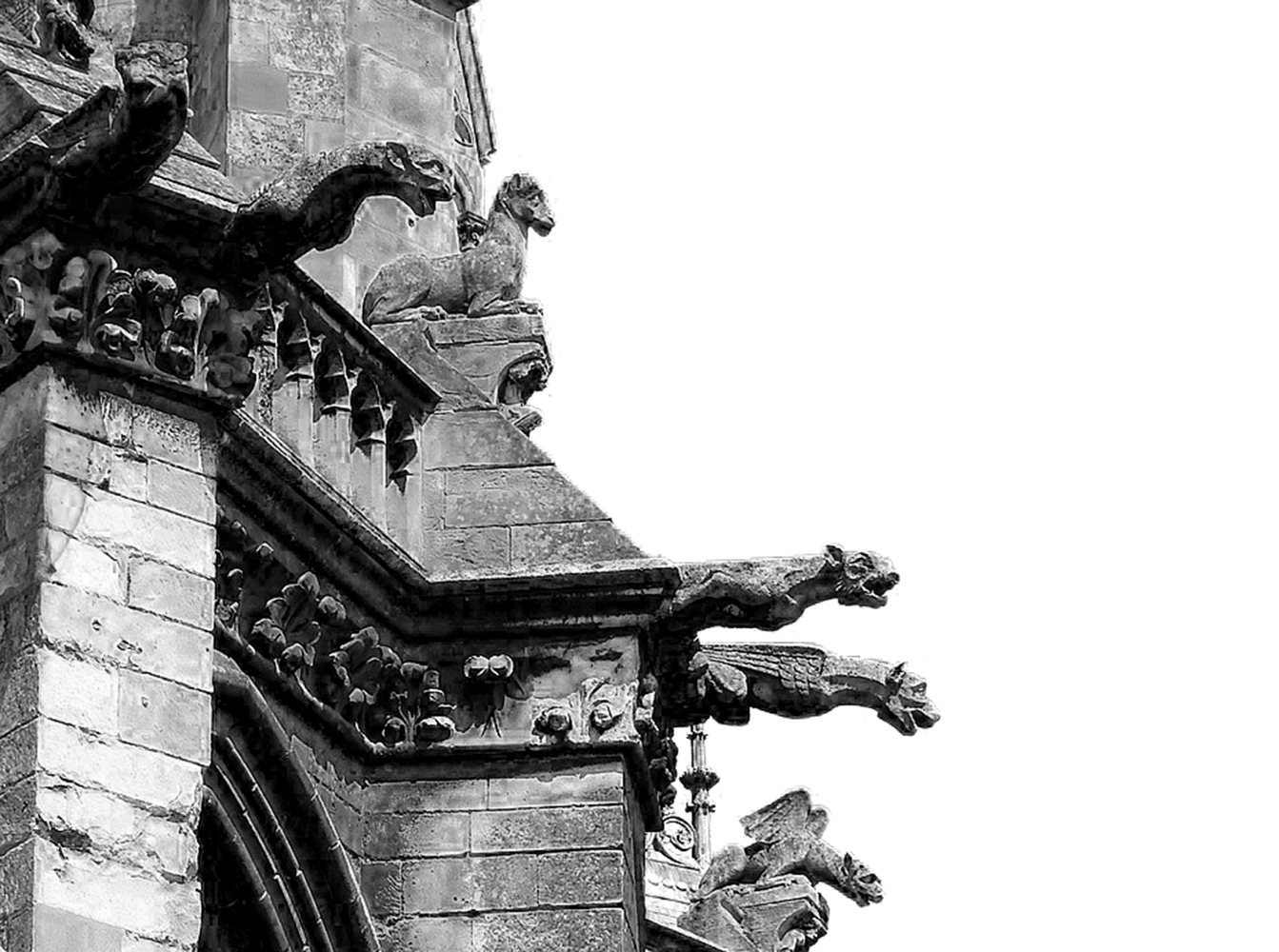
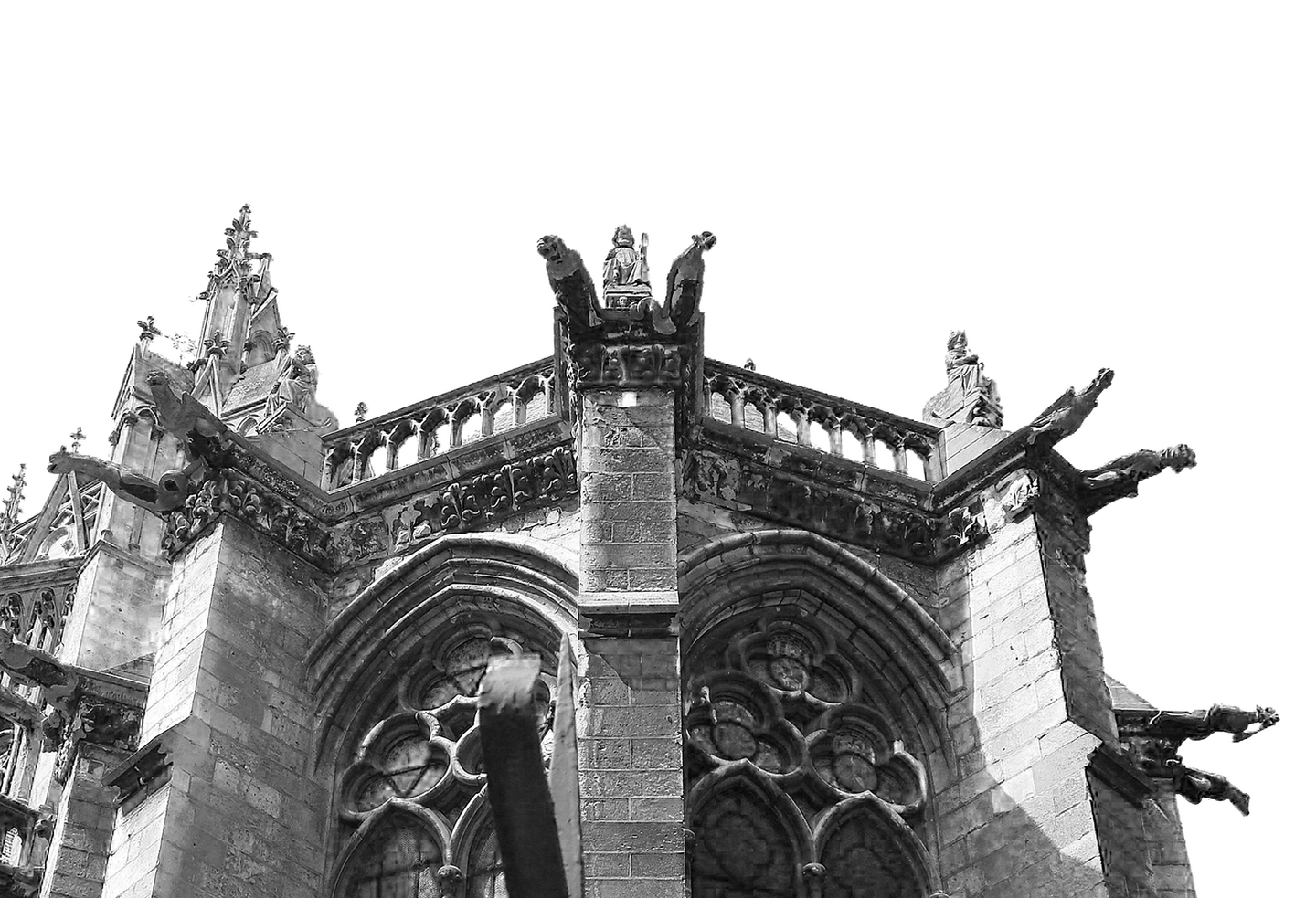
Amiens Cathedral, France
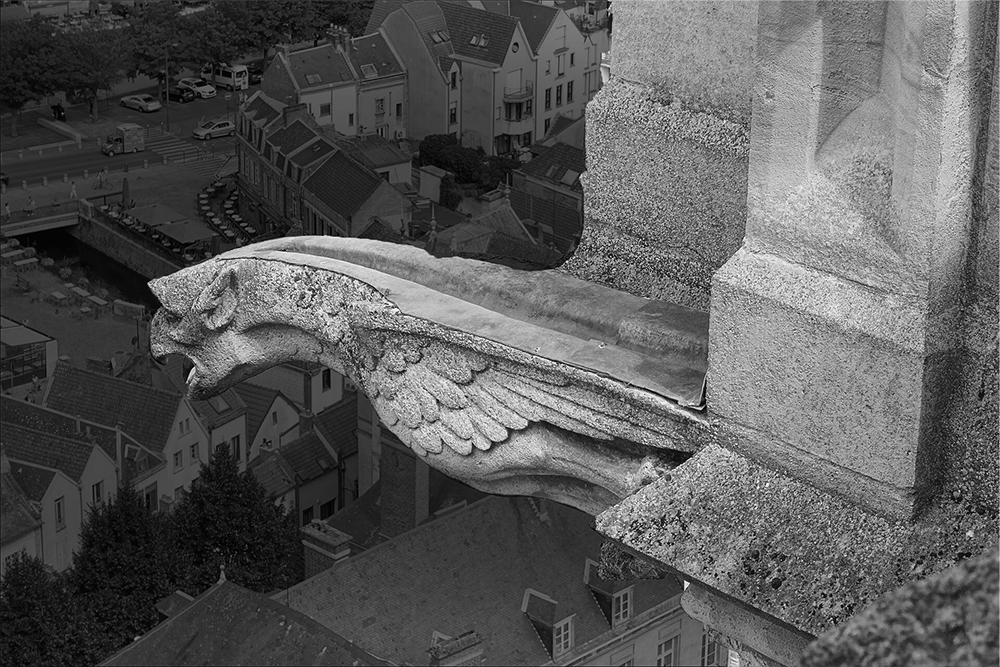
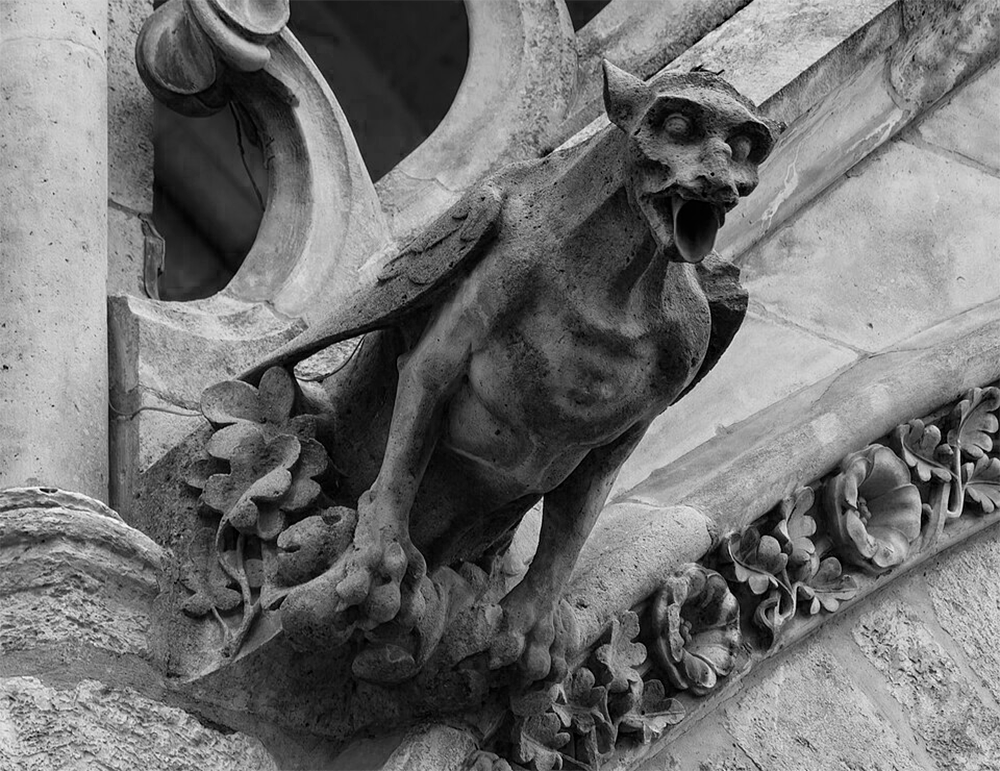
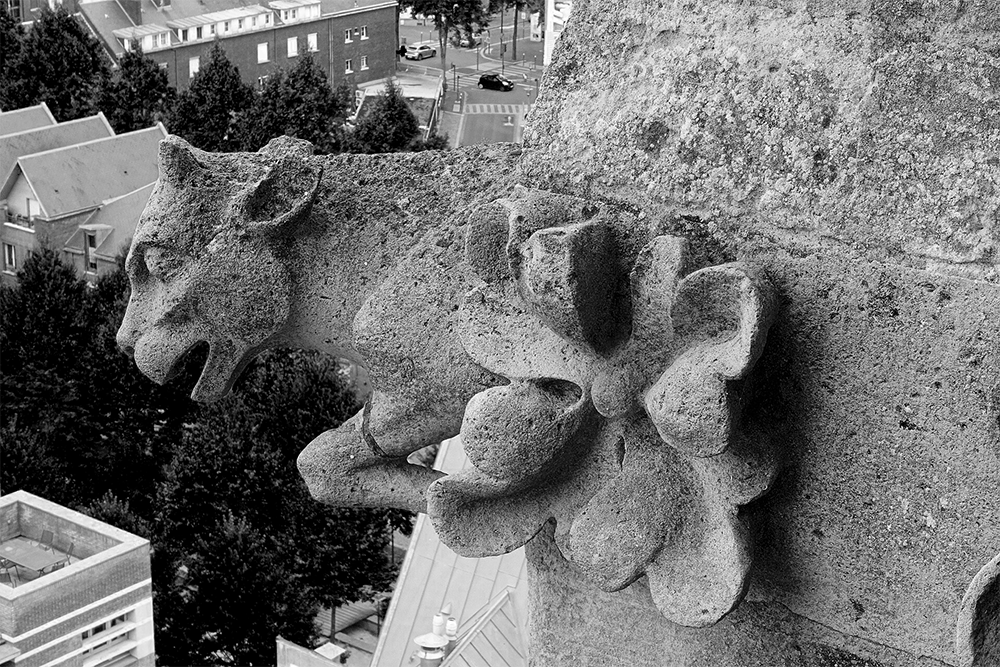
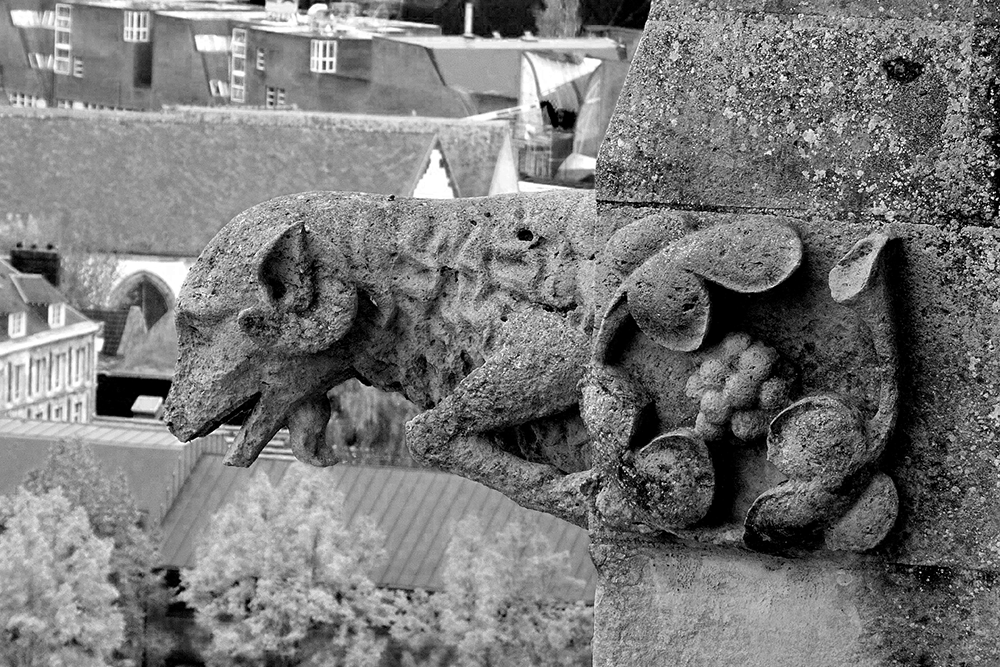
Gargoyles of Amiens Cathedral
By the end of the 13th century, grotesques began to include not only animals and fantastical creatures but also human forms. This shift does not imply that every figure held a singular meaning. The Boar Grotesque from Amiens Cathedral, France
In this photograph, the grotesque is shown in profile among other stone waterspouts protruding from the cathedral wall. Its silhouette is stretched horizontally: the head faces forward, the pointed snout projects noticeably beyond the body line, and the figure itself seems to extend the architectural cornice. Thanks to this placement, the sculpture not only becomes part of the decoration but also serves a practical function—diverting rainwater away from the masonry.
The image reflects the artist’s engagement with the forms of real animals. Yet, the figure is subservient to the building’s structure: the body is stretched along the downspout, and the details comply with the overall direction of the projection. The stone and the side angle emphasize the animal’s silhouette, although individual anatomical elements are not fully distinguishable due to the distance and shadows.
This example demonstrates how recognizable animal characteristics are transformed into an architectural form. The grotesque retains a likeness to a living creature, but its proportions and placement are determined not only by artistic intention but also by the drainage function. Furthermore, without additional historical sources, one cannot confidently assert that the image of the boar held a specific symbolic meaning.
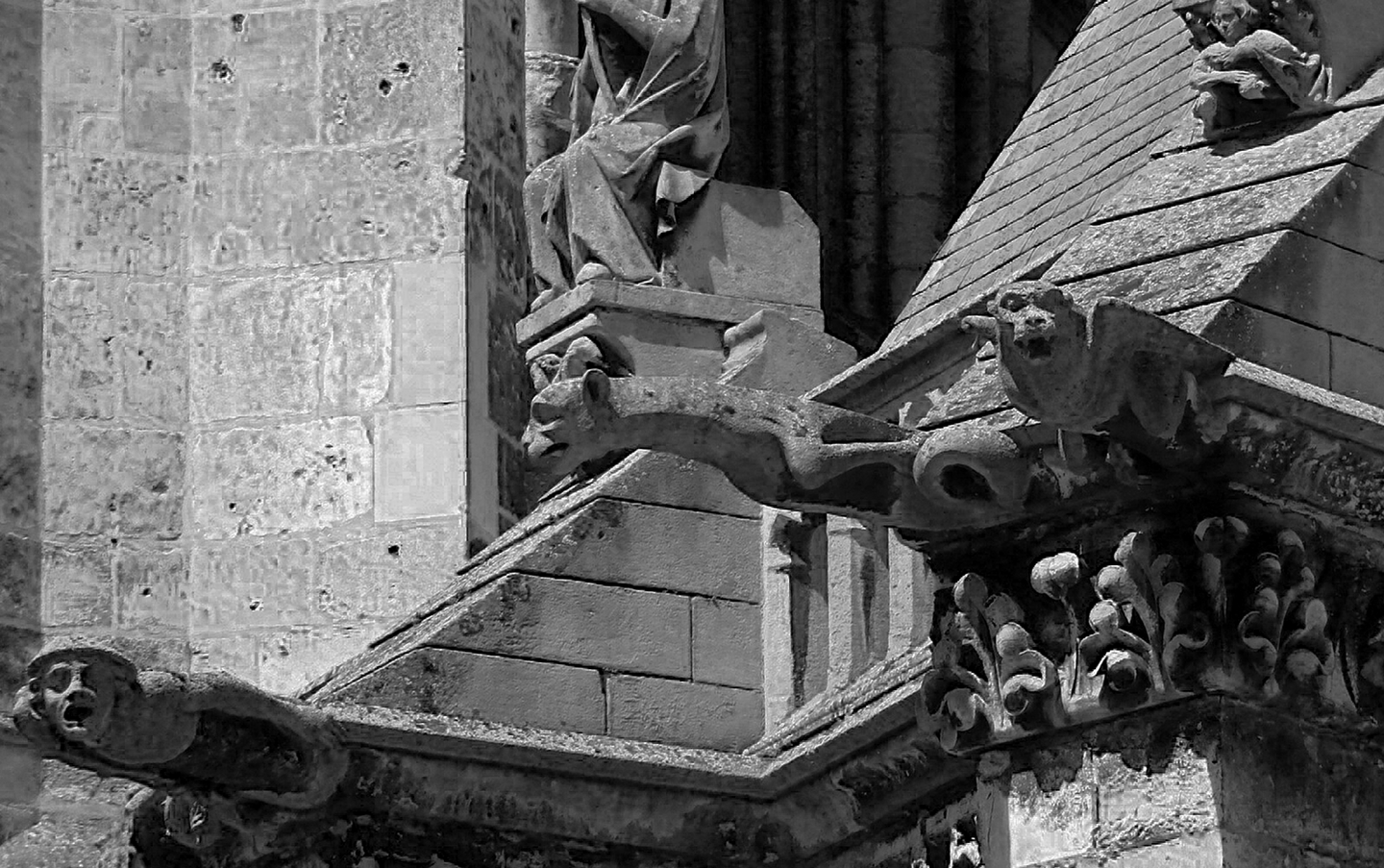
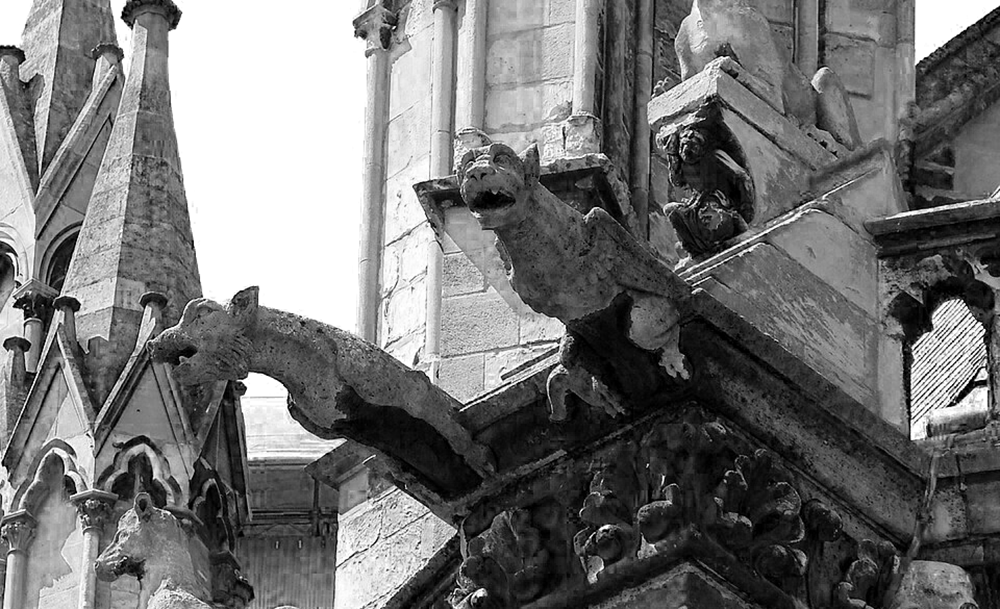
Gargoyles of Amiens Cathedral