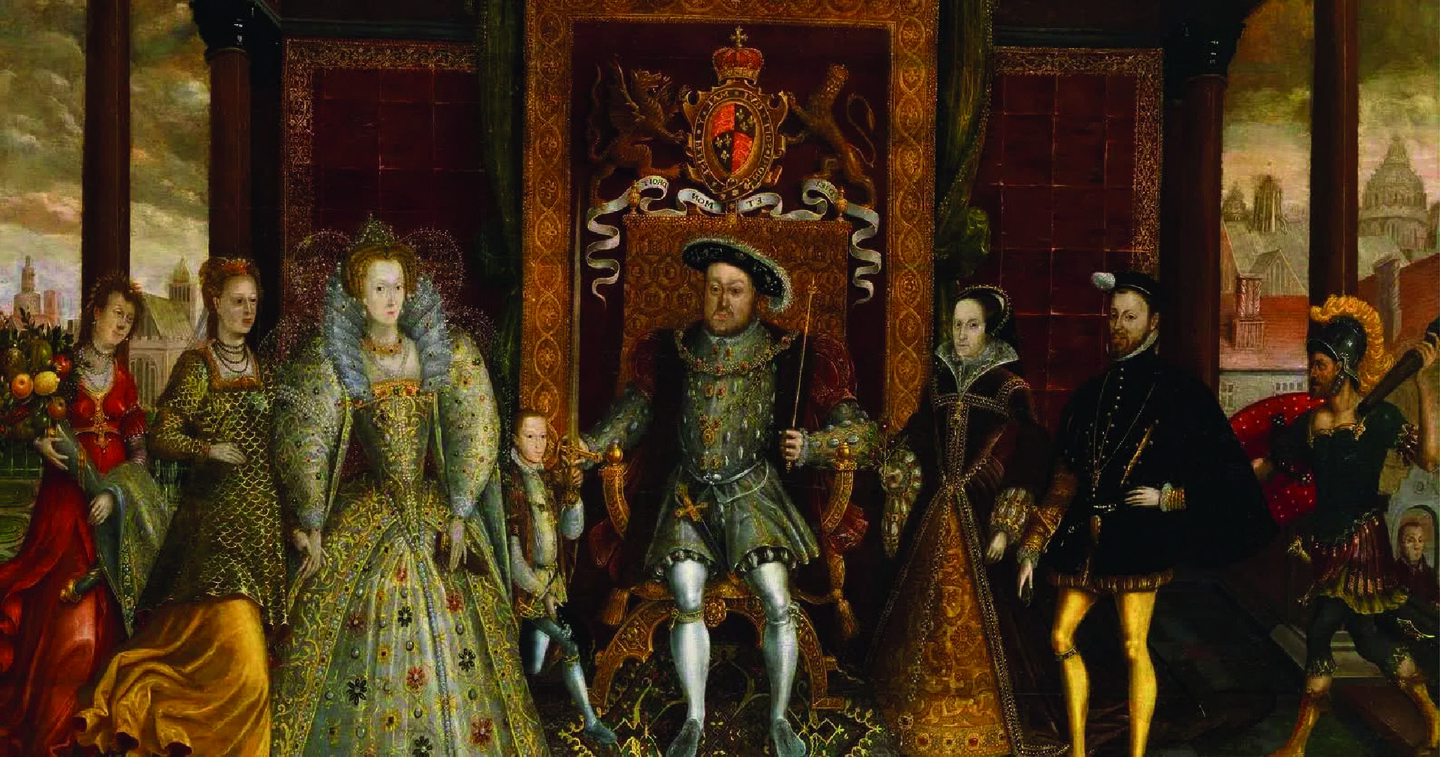
Визуальная репрезентация власти
механизмы легитимации через портрет в искусстве Ренессанса
This project is an academic assignment by a student of the HSE Art and Design School or a research project by a faculty member of the School. This project is not commercial and serves educational purposes.
Concept
A ruler is the embodiment of their nation. It is the portrait of the ruler that must stand out from the other portraits through its grandeur, stateliness, and majesty. The primary goal of a ruler’s portrait is not to display their beauty or compositional harmony—its foremost purpose is to express the ruler’s dominance and self-assurance in themselves, their country, their citizens, and their subjects. Portraiture in Renaissance art is not a depiction of a person’s appearance; it is an indication of their superiority. In this period, power ceased to rely solely on brute force and began requiring aesthetic justification. Artists created a visual language in which appearance was linked to divine right, classical virtue, and moral excellence.
The relevance of this research stems from the need to understand how visual images construct social and political reality. Despite the evolution of image-making technologies—from oil painting to the digital pixel—the fundamental principles of visual propaganda have remained unchanged.
Hypothesis
Portraits of rulers during the Renaissance were not merely aesthetic depictions of appearance; they were indicators of the ruler’s dominance and superiority over their people and, specifically, over other rulers, a notion expressed through carefully selected attire, interior design elements, entourage, and perspective.
Research Question
What artistic techniques and expressive means did artists of the 14th–16th centuries employ to legitimize the ruler’s image?
Research Material
Portraits of Renowned Writers of the Renaissance Era (14th–16th Centuries): Jan van Eyck, Hans Holbein the Younger, Titian, Merry Joséph Blondel, and Raphael Santi
Research Methods
Analysis
Induction
TABLE OF CONTENTS
Attributes of Power
Geometry of Domination
Sanctification of Image
Space and Context
Conclusion
Bibliography
Image Sources
Chapter 1: Attributes of Power
The first and most obvious step in constructing an image is the attributes—a collection of objects surrounding the model. In Renaissance portraiture, an object is never incidental; it functions as a visual synonym for the subject’s qualities or status.
Arnolfini Portrait (Jan van Eyck, 1434)
To understand how attributes function together, let’s look at Arnolfini Portrait by Jan van Eyck. Although it is often interpreted as a wedding portrait, it serves as a prime example of how everyday objects are used to symbolize status and sacred covenant. The dog symbolizes fidelity, the beads symbolize piety, and the chandelier suggests divine presence.
Even the most inconspicuous elements of the environment are important. On the left side of the painting is a window. On the windowsill and a stool near it lie fruits resembling oranges, a conclusion supported by their shape and hue. Oranges were a very costly luxury in the time of Van Eyck, and their presence in a bedroom could signify high social status and a life of affluence.
The materiality and texture of expensive fabrics also play a significant role in shaping an image and demonstrating economic superiority.
Hans Younger Holbein — Portrait of Henry VIII
Let’s look at another example: Portrait of Henry VIII. The dark monochrome background and lack of interior setting allow the viewer to focus on the attire, which strikes with its richness and splendor. Intricate embroidery in gold thread on the sleeves contrasts with the dark red velvet of the main garment. The numerous jewels adorning the collar and the breastplate underscore his high social standing.
Chapter 2: Geometry of Dominance
Expensive fabrics and ornamentation alone are insufficient; it is also vital to visually convey the ruler’s authoritative nature. Without character, the ruler becomes merely a very wealthy nobleman who inspires no respect. It is important for the viewer to understand that the person depicted in the portrait is firm and severe, a perception actively supported by the skillfully constructed silhouette of the portrait and the correctly chosen angle.
If the first chapter addressed content, the second chapter investigates form—how physical arrangement dictates the psychological distance and degree of submission felt by the viewer.
One of the most potent tools for legitimization is the low-angle shot. When an artist positions the horizon line low, the viewer is forced to look up at the image subject. This creates an effect of physical dominance—the ruler’s figure appears to tower over the viewer, heavy and unattainable.
We could observe this feature in the portrait of Henry VIII; not only costly adornments, but also an element of superiority or even a smirk in Henry’s eyes, looking slightly below the horizon line, played a vital role in constructing his image.