Why does a utilitarian object start resembling a toy, a character, or a small sculpture?
A chair can look like a painted canvas, a bookshelf—like a fantastical creature—and a teapot can greet a person with a bird whistle. These objects don’t cease to be functional, but they offer more than convenience: they offer surprise, play, and emotional connection.
In Italian design during the second half of the 20th century, this approach to objects became a whole movement. Designers began working not just with function, but with the character of the object—its ability to tell a story, evoke a smile, and change the mood of a space.
Research Hypothesis: A household object begins to resemble a toy, a character, or a sculpture when its form does not merely explain its purpose, but invites human emotional engagement.
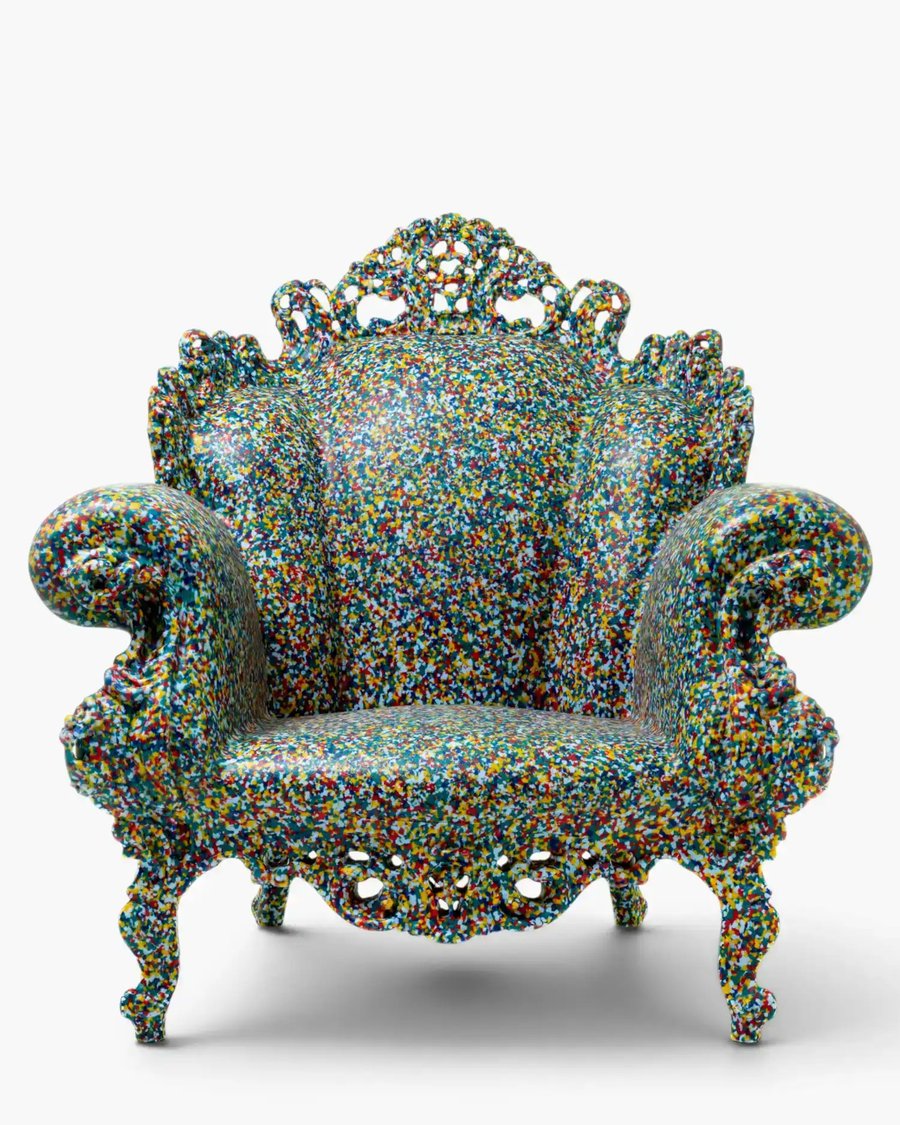
Proust Chair by Alessandro Mendini
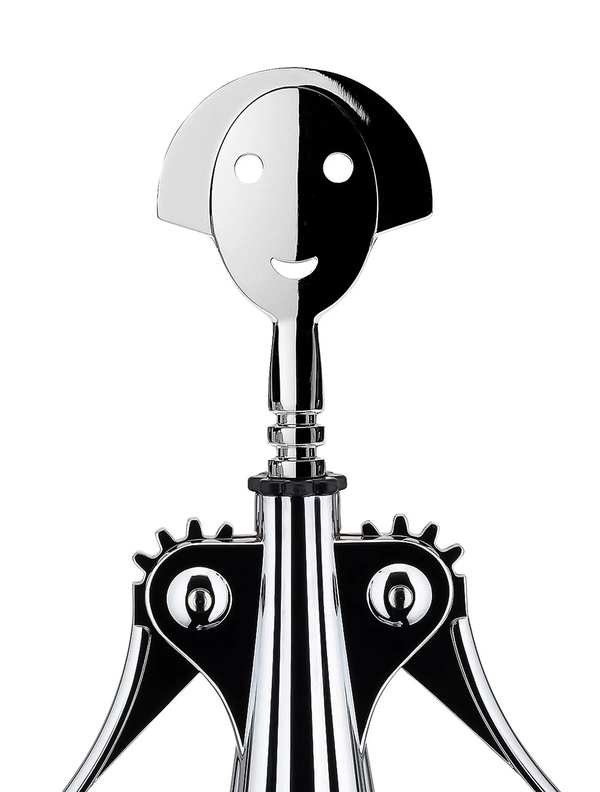
Corkscrew Anna G. Mendini
Studio Alchimia: an object no longer has to be serious
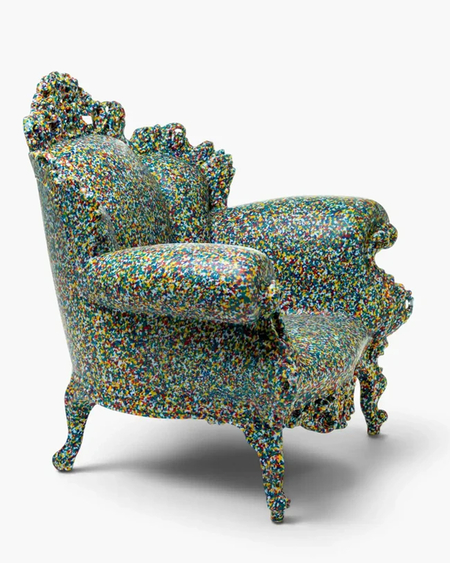
Studio Alchimia was founded in Milan in 1976 by Alessandro Guerrerro with the participation of Adriana Guerrerro. Its work continued the experimental line of Italian radical design, which questioned the conventional notion of the «proper» object.Why must a good object look restrained? Why is ornamentation considered secondary? And does a new idea necessarily require an entirely new construction?For Alchimia, an object could be not only a solution to a practical problem but also a space for artistic expression. Ornamentation, historical quotation, unexpected coloring, and deliberate decorative qualities became full design tools.The Proust chair, created by Alessandro Mendini in 1978, is particularly telling. Its original form resembles historical furniture: curved legs, plush armrests, and a complex silhouette. However, the multicolored polka-dot pattern covers both the fabric and the wooden frame.The ornamentation seems to ignore the boundaries between materials. The chair begins to be perceived as a single painted surface—almost like a canvas one can sit on.The tension here arises from the mismatch of expectations: the form promises solemnity and tradition, but the color transforms it into a visual experiment.
«The ornament unites the structure and the upholstery: the chair is perceived not as a collection of parts, but as a unified color event.»
Radical Prehistory: A Familiar Form, An Unfamiliar Behavior
To understand the Alchimia experiments, it is useful to briefly revisit the radical Italian design of the late 1960s and 1970s. Even then, designers explored what would happen if a household object violated expectations instead of confirming them.
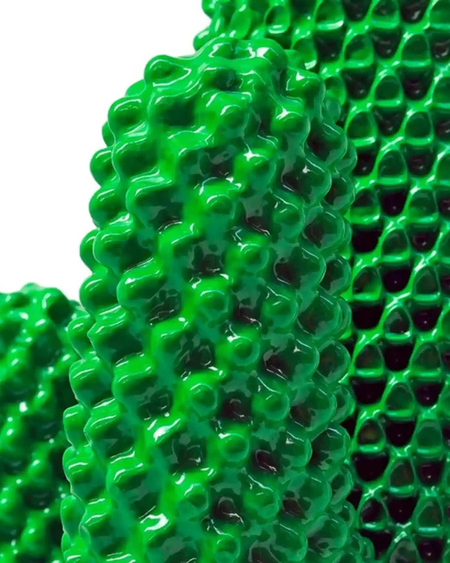
The Cactus Hanger, created by Guido D’Ariccia and Franco Mello in 1972 for Gufram, resembles an enlarged cactus. In the interior, there is an object that can be mistaken for a decoration or a sculpture. Its practical purpose is not immediately clear.
Several substitutions occur here: the plant becomes a piece of furniture, the prickly surface becomes an elastic polymer, and the natural form becomes a mass-produced item.
This is a crucial premise for an «object with character.» To evoke an emotion, an object does not necessarily need a face. It is enough to make a person pause for a second and ask: «What is this—and how do I use it?»
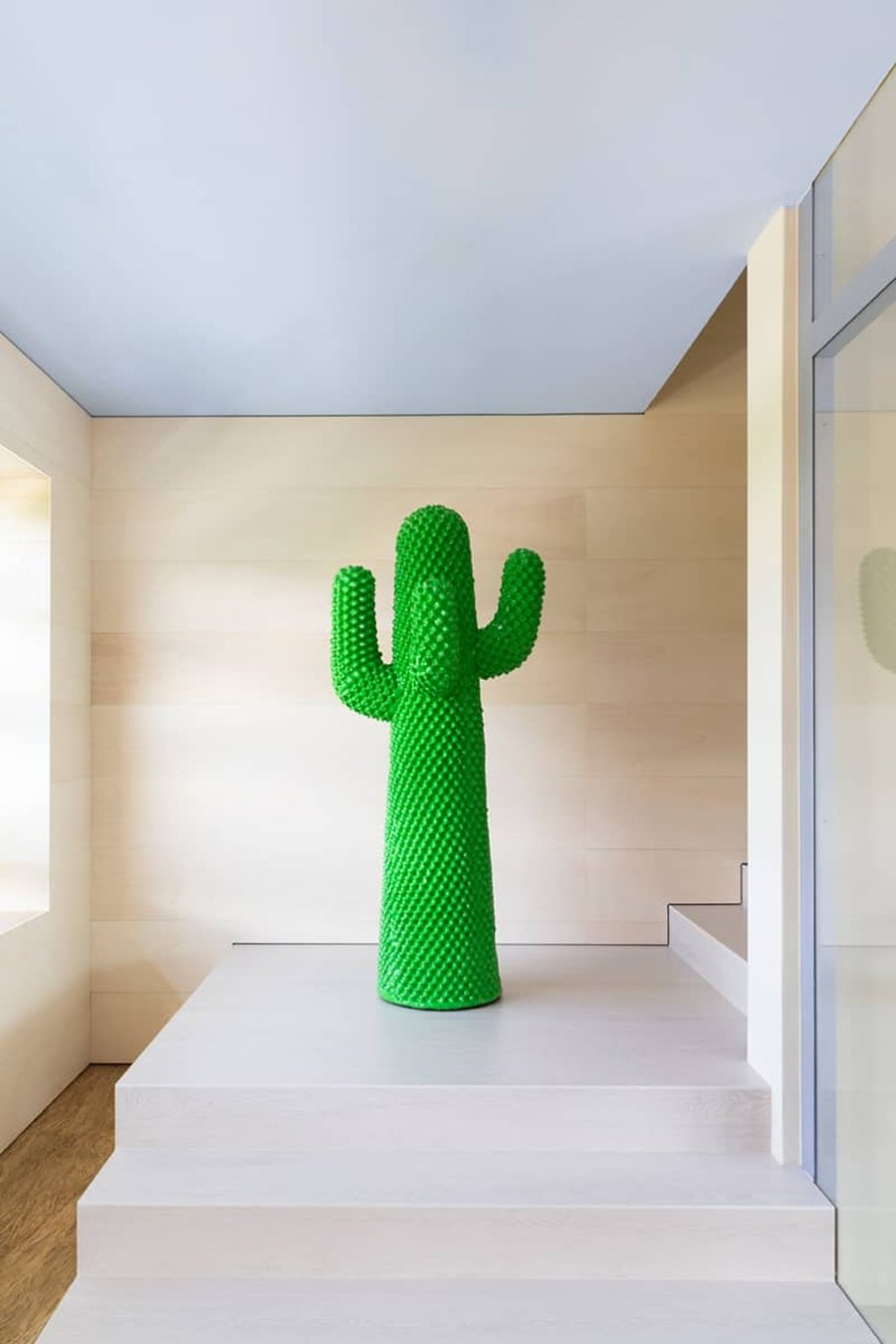
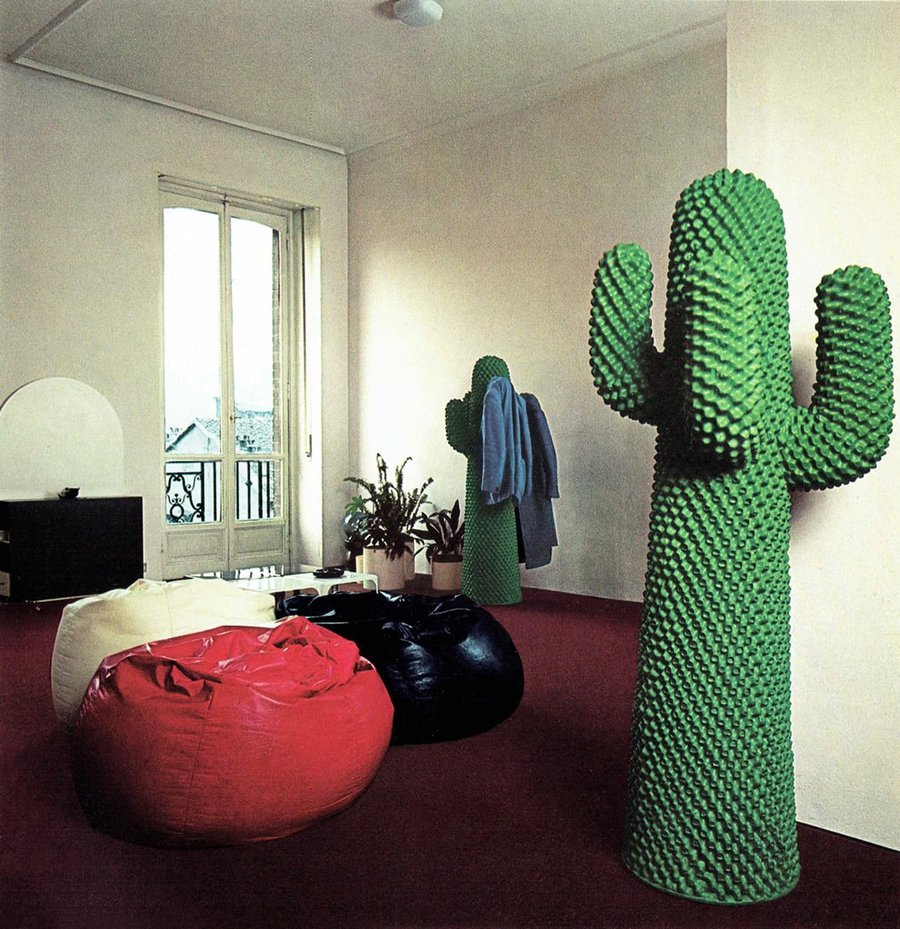
Gufram Cactus Coat Rack — Gufram Green
From Alchimia to Memphis: Character Forged from Geometry
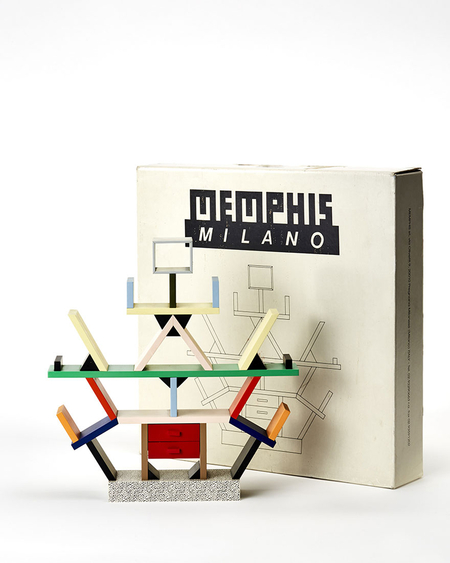
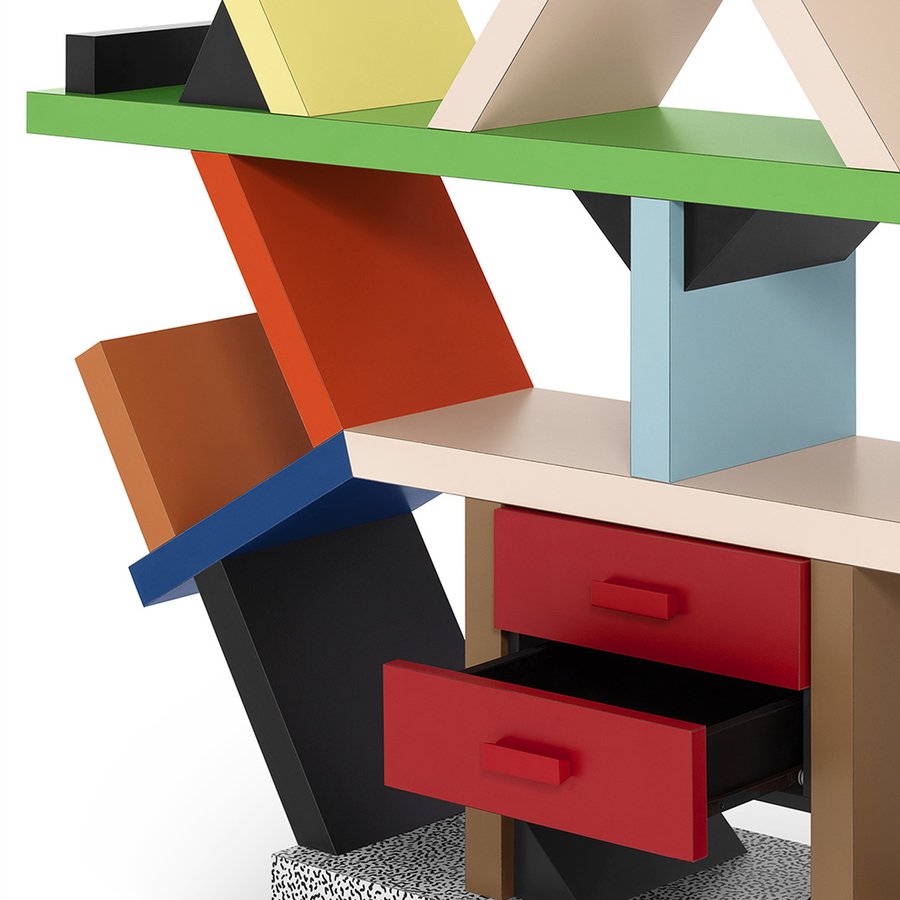
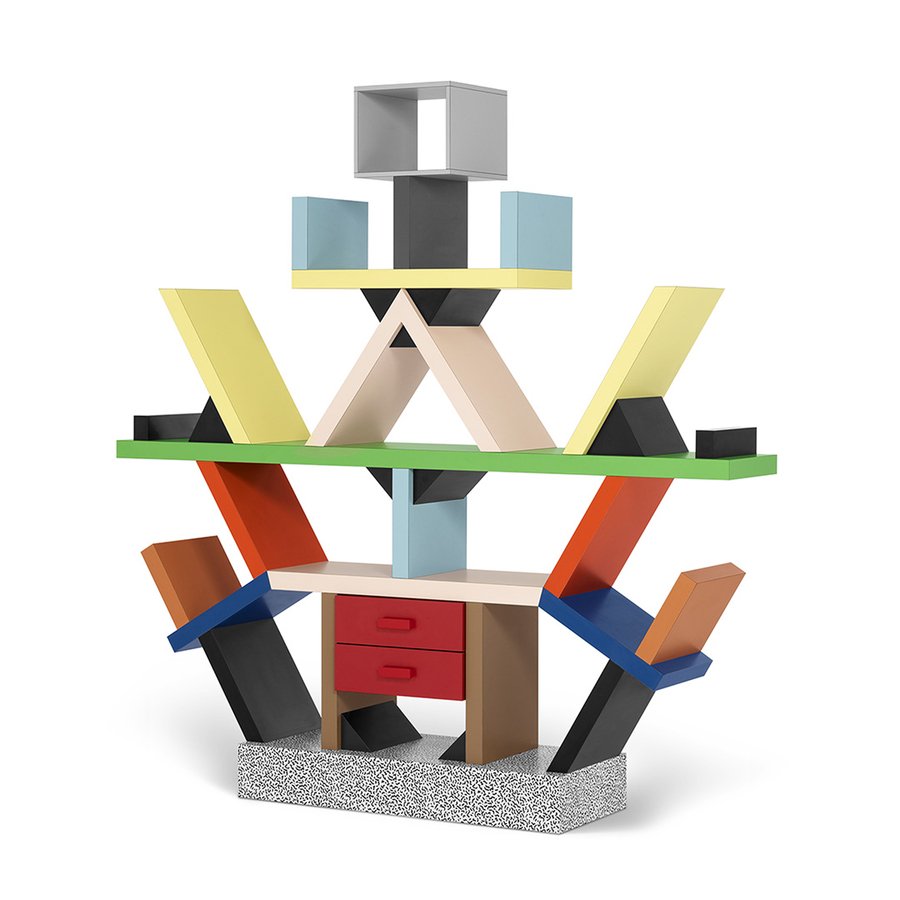
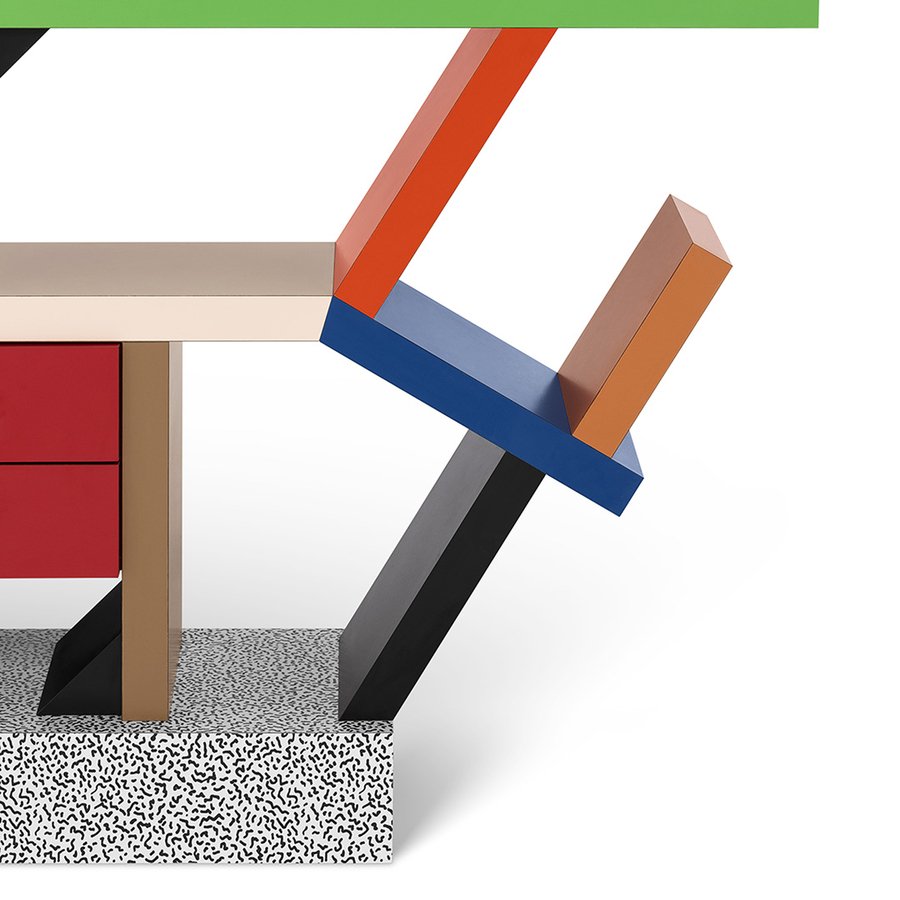
There is a direct connection between Alchimia and Memphis through their shared experimental environment and the involvement of Ettore Sottsass. However, Memphis, which emerged in 1981, should not be viewed merely as a renaming of Alchimia, but rather as an independent project.While the character of an object in Proust is primarily created through the transformation of its surface, in Memphis objects, this character is often inherent in the silhouette.Sottsass’s Carlton Shelving Unit, created in 1981, simultaneously evokes furniture, an architectural structure, and a figure with widely spread arms. It is not a literal depiction of a person—the sense of a character emerges from the symmetry, the vertical axis, and the slanted elements.Vivid color blocks amplify the impression of a construct. Each part seems autonomous, and the entire object appears to have been assembled according to the rules of its own game.The shelving unit retains its function of storage, but it does not dissolve into the room. On the contrary, it demands attention and becomes the room’s main protagonist.In Memphis, color and geometry do not simply decorate an object—they define its behavior in space.
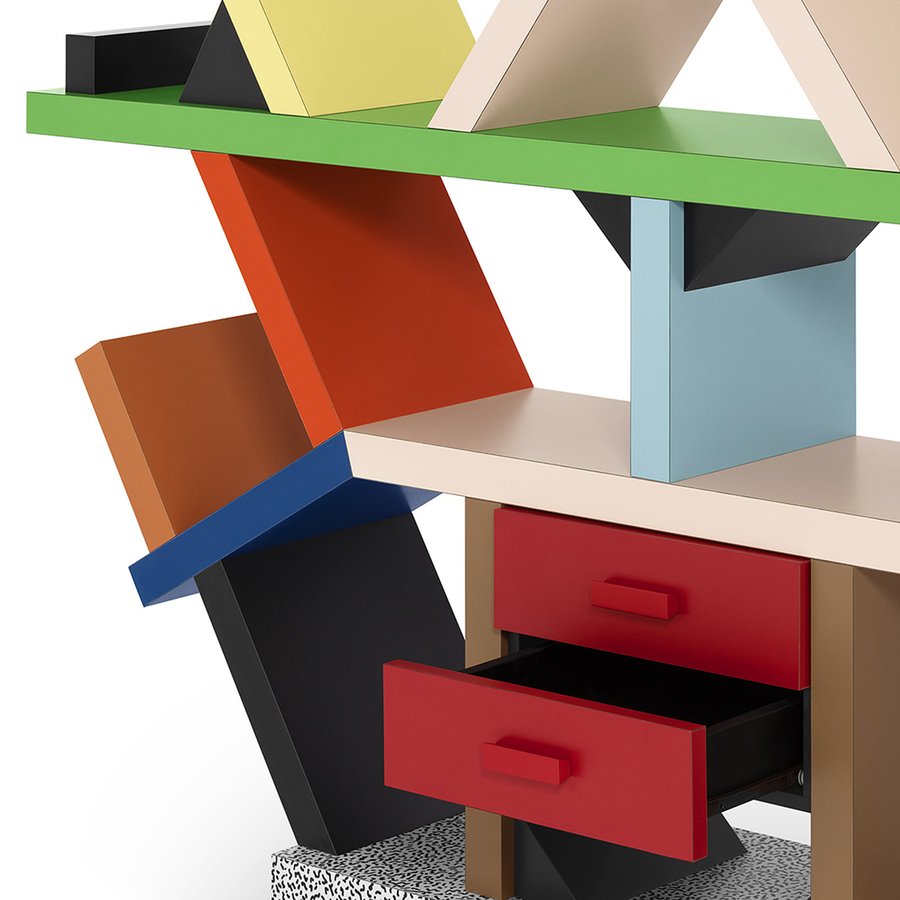
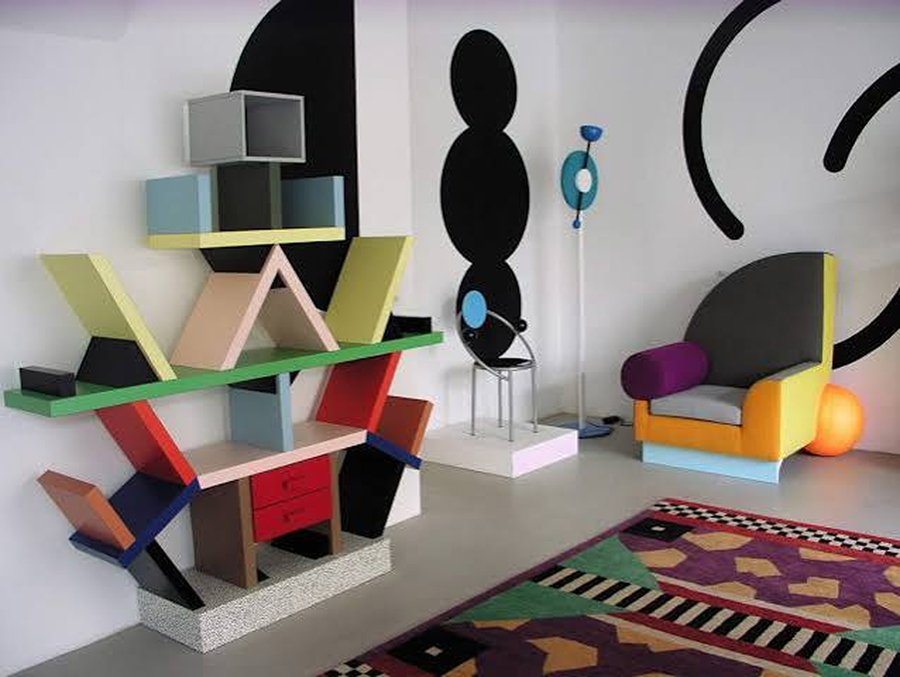
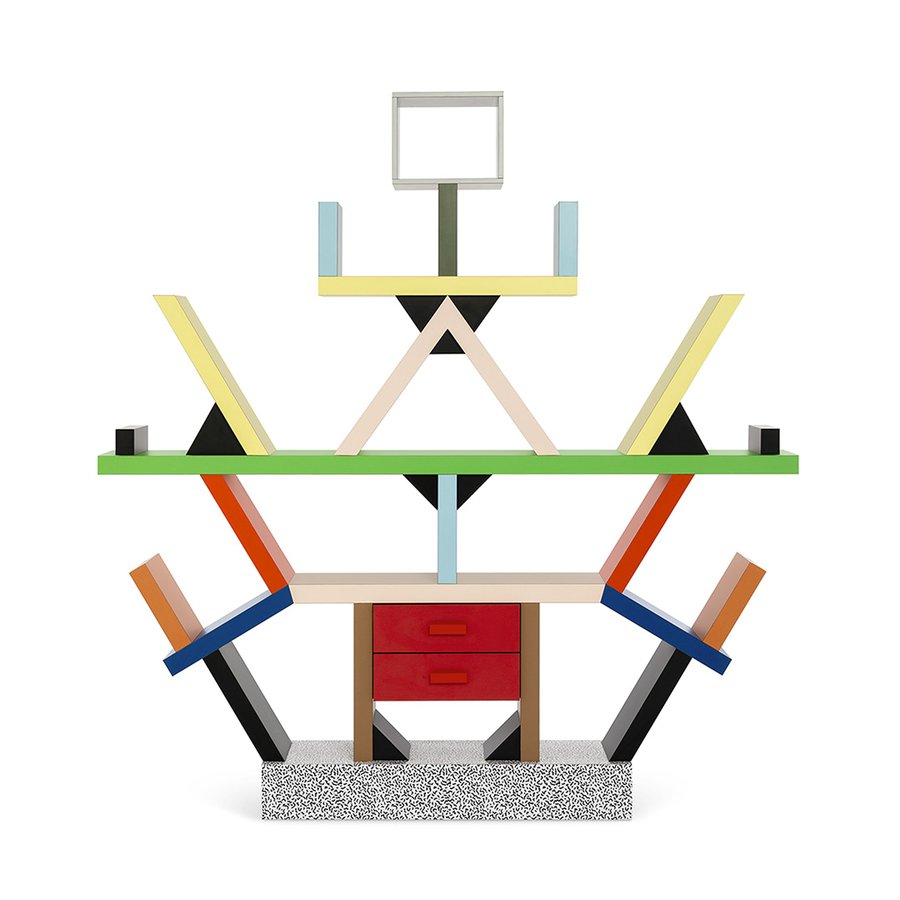
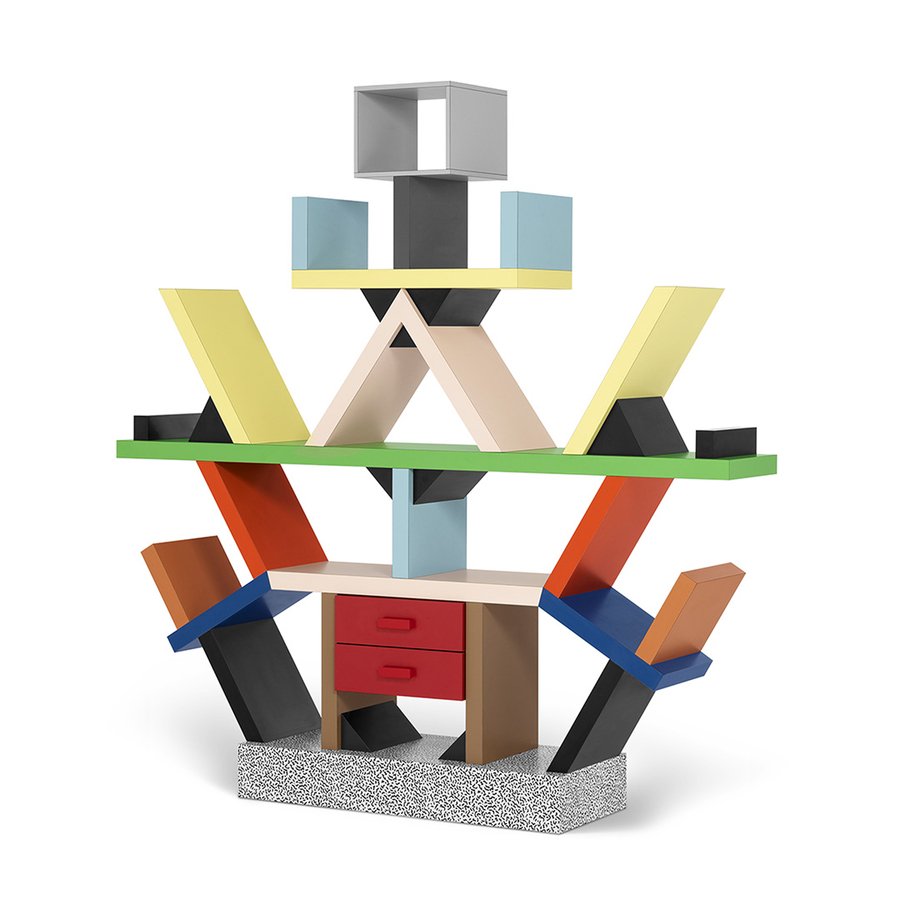
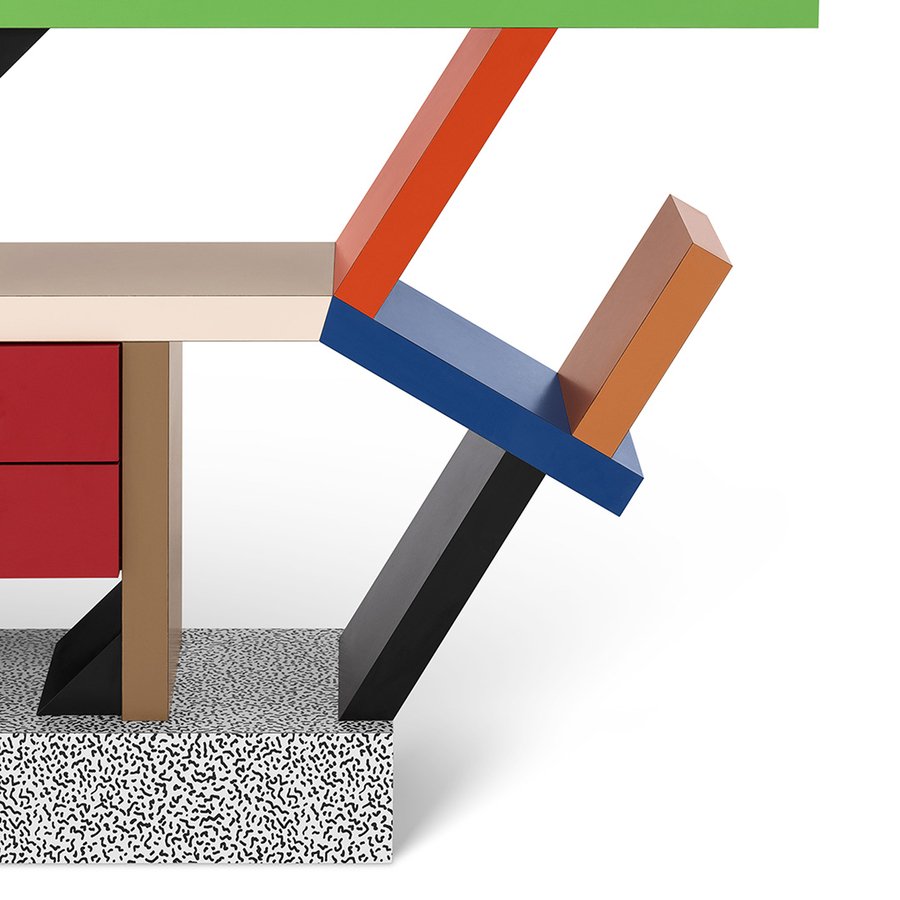
The Carlton Sassassa shelving unit, created in 1981
When the Lamp Resembles a Bird
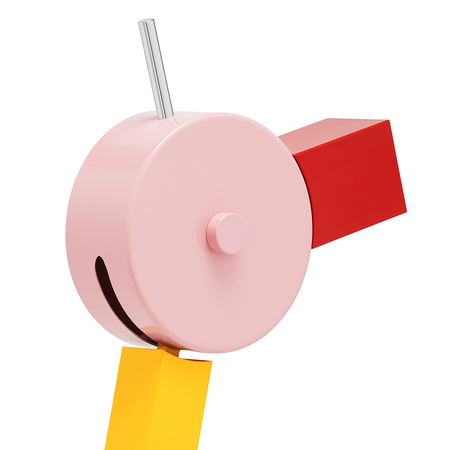
In the Tahiti table lamp, designed by Sottsass for Memphis in 1981, the geometry becomes even more expressive. The angled stand resembles a neck, the elongated shade—a head or a beak—and the base anchors this figurative shape.What we see is still a lamp, but the eye almost automatically assembles its details into the image of a bird.This effect can be called zoomorphism—a resemblance to an animal. It differs from literal representation; the designer doesn’t need feathers, eyes, or realistic anatomy. A few relationships between forms are enough.It is this ambiguity that makes the object playful. The viewer completes the image themselves, thus becoming a participant in its creation.
The Tahiti table lamp, designed by Sottsass for Memphis in 1981