Concept
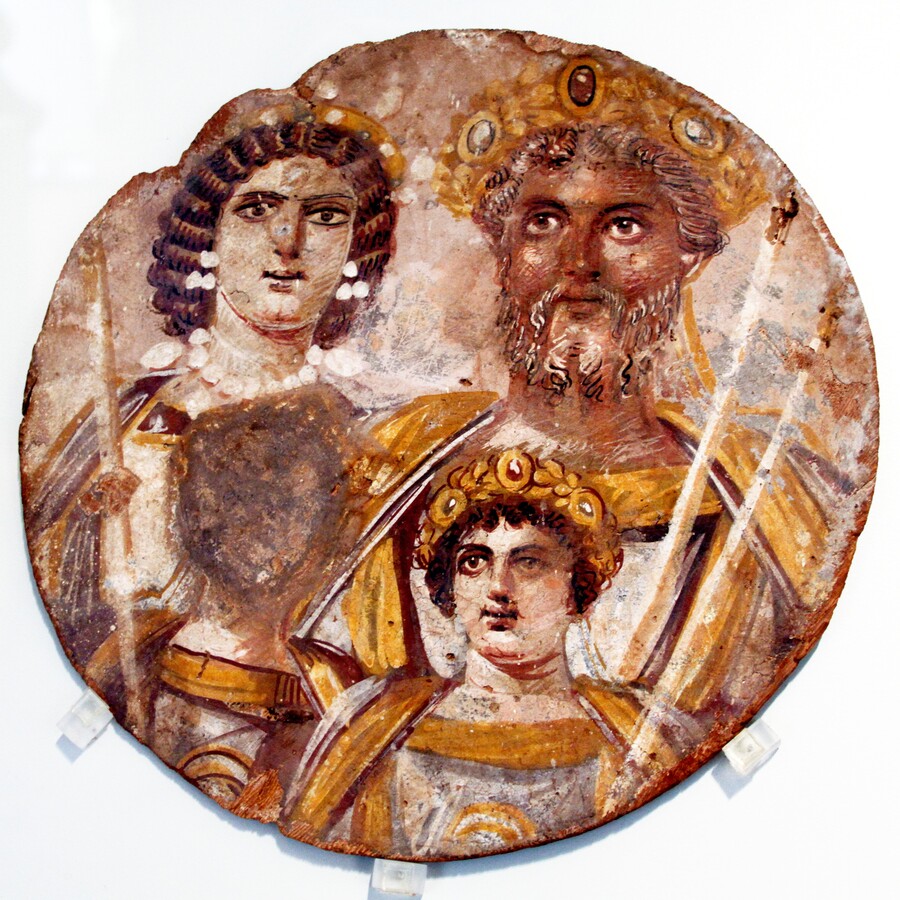
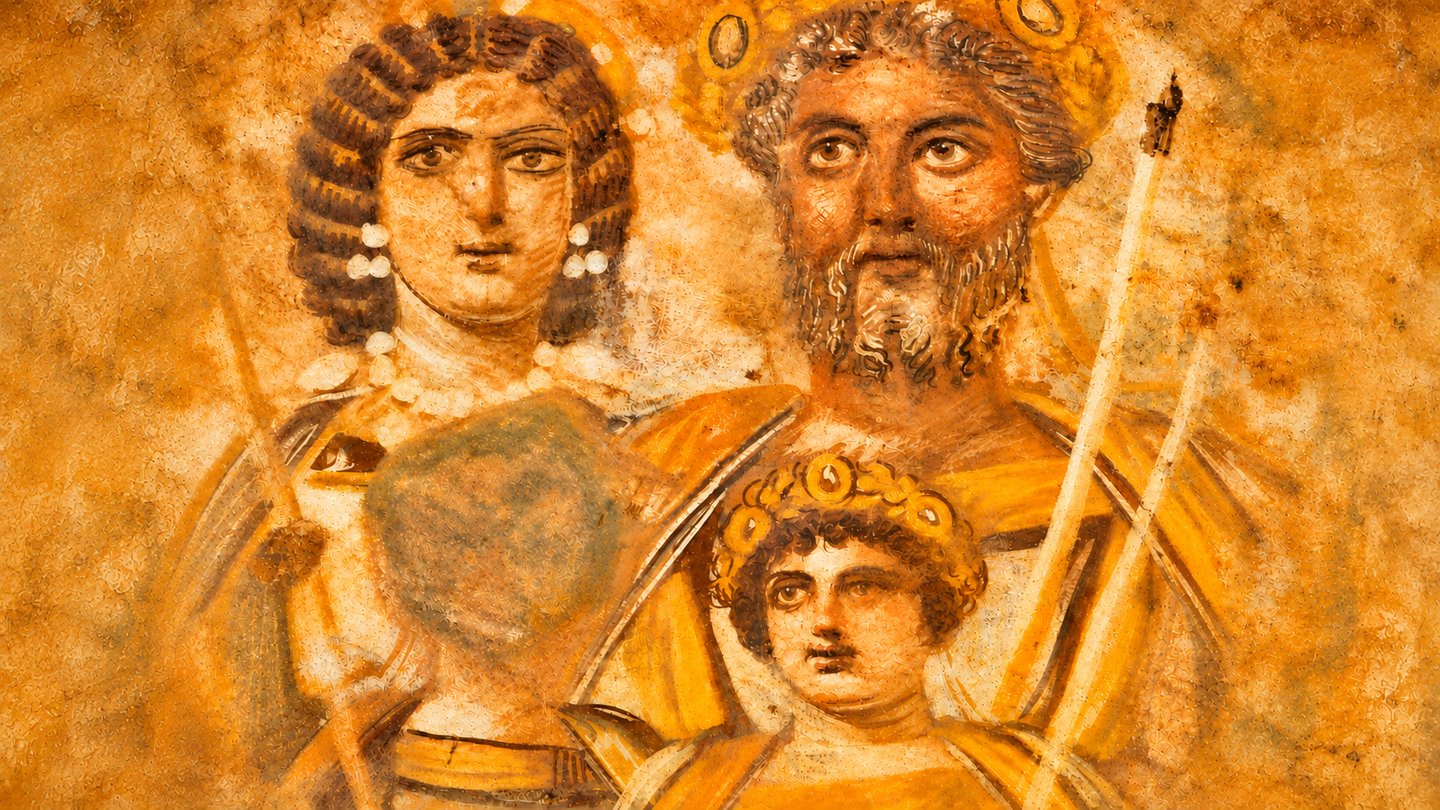
The meaning of a piece of art can change not only through the addition of new details but also through their removal. Deliberately erased details or damaged surfaces that become part of the composition influence the viewer’s perception, and this warrants explanation.My interest in this topic was sparked by the question of why an erased detail can attract the viewer’s attention. In a sample of ancient Roman painting—specifically the Severi Tondo—my eye is first drawn to the spot where one family member’s face has been erased. When viewing a popular work by American artist Robert Rauschenberg, it initially appears as just a blank space until one notices the traces of the drawing that have also been removed from the surface. I wanted to understand how my impression of works changes as I study the reasons behind the omission of details or entire images.
Why and how do faded details in a work of art affect the viewer’s perception?
I suggest that the erased details capture the viewer’s attention because they sense that images should occupy those spots, images that would complement the work. On Severin’s tondo, this impression is created by the composition of four family members, one of whom is depicted only as a figure outline. In Roushenberg’s piece, this effect is created by barely visible traces of a drawing that was removed, as well as the title itself: «The Erased Drawing by Kooning.» In both cases, the viewer’s eye will first fall on the erased details, and the subsequent understanding of the reason for these alterations in the composition will change their perception.
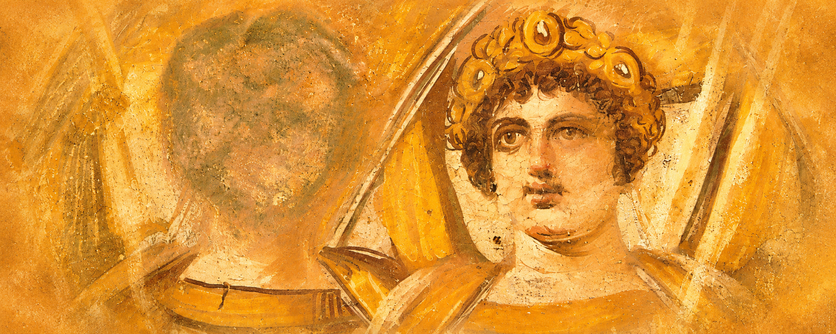
Part of Severov’s tondo composition with the obscured face of Geta
To conduct this research, I utilized museum catalogs. For the analysis of Severin’s tondo and Kooning’s «Erased Drawing, ” I consulted materials from cultural institutions that allowed for a detailed examination of the works and an understanding of their meaning.
I selected two pieces of art where portions of the imagery have been removed. Severin’s tondo intentionally features a damaged face of one of the emperor’s family members, although the rest of the composition remains untouched. In contrast, in the 1953 work by Rauchenberg, individual lines are barely discernible. These examples help illustrate how the viewer notices missing details and subsequently perceives the whole piece.
The Principle of Rubrication
In each of the three chapters, I compare Tondo Severo and «Erased De Kooning Sketch» to understand how the viewer’s perception changes from a first glance to a deeper understanding of the work’s history.
1. Concept
2. Main Body:
Chapter 1
Chapter 2
Chapter 3
3. Conclusion
How does the viewer notice the loss?
In the family portrait of Severus, created around 200 CE, Emperor Septimius Severus, his wife Julia Domna, and their children—two sons who would become emperors—Caracalla and Geta, are depicted. However, Geta’s face has been intentionally removed from the work. This is attributed to the loss of Geta’s power, which resulted from a violent quarrel between the brothers. Ultimately, Caracalla killed Geta. This was followed by the purging of Geta’s supporters, and he himself was posthumously accused of conspiring to overthrow the state. After Geta’s murder, Caracalla ordered that Geta’s memory be consigned to curse—that is, to condemn and erase his likeness from the tondo.