Research Concept
Chapter 1. Attributes and Recognition
Chapter 2. Body, Movement, and Clothing
Chapter 3. Divinity in Composition
Conclusion
Sources
Concept
In this study, I examine the depictions of gods in Ancient Greek sculpture from the 5th–4th centuries BCE. I am interested in how sculptors differentiated between deities and what specific details help us understand who is represented and what role they play in a scene. To do this, it is crucial to consider not only the figure’s external appearance but also the work’s intended purpose. The work examines individual statues, architectural reliefs, and votive images. In some cases, the deity is presented alone; in others, they are situated near other gods or mortals. Therefore, the figure cannot be fully separated from its environment. At first glance, attention is often drawn to the face, body posture, and movement. However, an expressive pose does not always allow for the identification of the deity. For instance, the statue from the Artemision promontory is known as either Zeus or Poseidon. The object held in the hand is lost, making the name ambiguous. This example shows how a small detail can significantly contribute to understanding the entire image. In other works, identification is supported by a combination of traits. Elements such as helmets, aegis, weapons, or wings are considered alongside clothing, gestures, and the figure’s stance. Furthermore, the presence of weaponry does not necessarily imply a battle. A deity may retain characteristic attributes in a calm scene or while interacting with mortals. I chose this topic because I am interested in understanding how recognizability relates to artistic decision-making. It is not enough to simply list objects next to a god; it is vital to understand how those elements are integrated into the figure, what the body position conveys, and how perception changes when moving from a single detail to the overall composition. I am also interested in comparing different depictions of the same deity. These comparisons allow us to see which traits are consistent and which depend on the specific context. This approach prevents us from reducing the image of Athena or Nike to a single pose and action.
Key Research Question How are the images of gods created and differentiated in ancient Greek sculpture from the 5th to 4th centuries BCE through visual means?Hypothesis I hypothesize that the uniqueness of the divine image is created by combining attributes, bodily form, pose, drapery, and setting. These elements serve different functions. Some help establish which deity is depicted, while others reveal their action and place within the scene. Moreover, similar poses can carry different meanings. The figure’s inclination alone does not explain the event; one must also consider the placement of the hands, the support structure, and the surrounding objects. Therefore, recognizability and expressiveness are related but not entirely coincidental.Structure The work is divided into three chapters based on the main elements used to create the divine image. The first chapter examines attributes and recognizability. The second chapter focuses on the body, movement, and drapery. The third chapter addresses composition, where I pay attention to the scale of the figures, their arrangement, and their interaction.Material Selection Principle For this study, Greek statues, architectural elements, and reliefs from the 5th to 4th centuries BCE were selected. Primary attention is given to attributes, poses, drapery, and the relationship between figures. The visual sequence moves from the overall view to details and comparison. As most of the monuments are related to Athens, the conclusions are limited to the selected material.
Chapter 1
The first question that arises when looking at a depiction of a god is defining its name. However, this is not always a simple task in sculpture. A similar human appearance may belong to various deities, and the loss of a small attribute can alter the possible interpretation of the image. The statue on Cape Artemision illustrates this problem well. Wide-set legs, a tense posture, and directed movement create the impression of action. But without the attribute, it is impossible to definitively establish who is depicted. The museum associates the work with Zeus or Poseidon. This means that the expressive body itself does not substitute for the lost characteristic. A similar situation arises with the torso of a god from the eastern pediment of the Parthenon. The surviving portion allows us to examine the figure’s structure, but it does not provide an unquestionable name. This does not make the monument any less interesting for analysis. On the contrary, such examples demonstrate the boundary between plastic impression and precise identification.
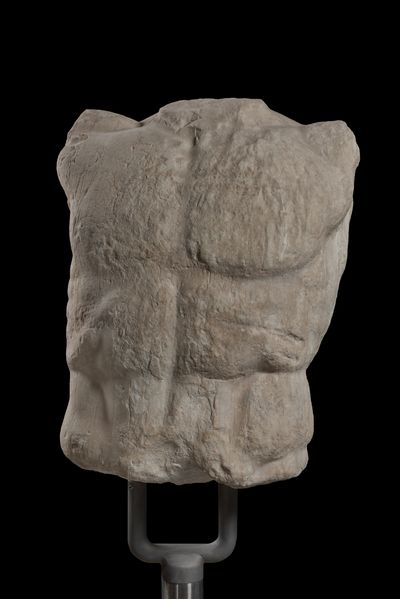
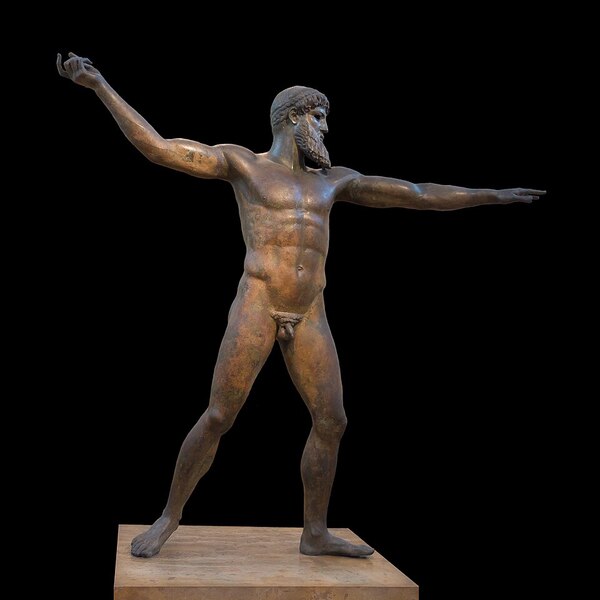
1. «Torso of a god from the eastern pediment of the Parthenon.» 437–432 BCE. Phidias’ Workshop 2. «Zeus or Poseidon from the Artemisium promontory.» c. 460 BCE. Unknown Artist
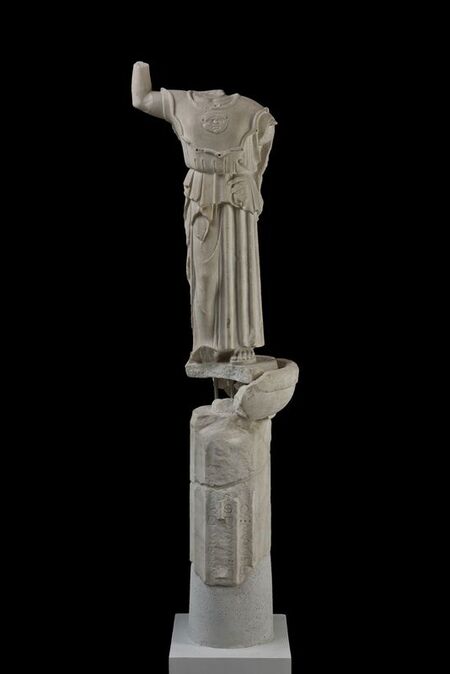
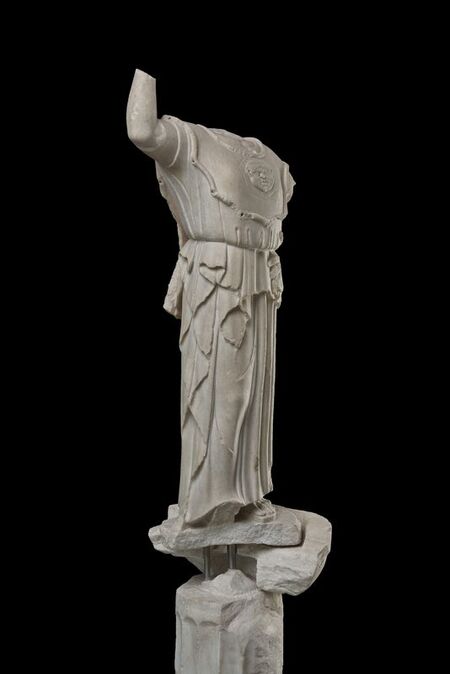
«Athena Angelita.» 480–470 BCE Evenor
The situation is different with the images of Athena. Her image is supported by a recurring combination of attributes. The helmet, aegis, and weaponry can occupy different positions relative to the body, but they maintain a connection across the works. Furthermore, the posture is not static: Athena may be standing, seated, or leaning on a spear.
Therefore, the attributes should not be viewed as isolated markers, but as part of a complete composition. In one instance, the armament accompanies a calm, vertical figure. In another, it is integrated into action. The same attribute takes on a different meaning depending on the body’s posture and its surroundings.
Author unknown. «Votive Relief with Athena.» Circa 405–390 BCE.
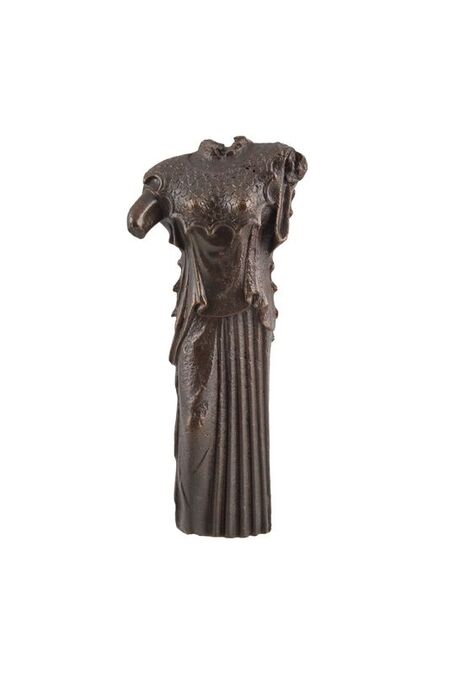
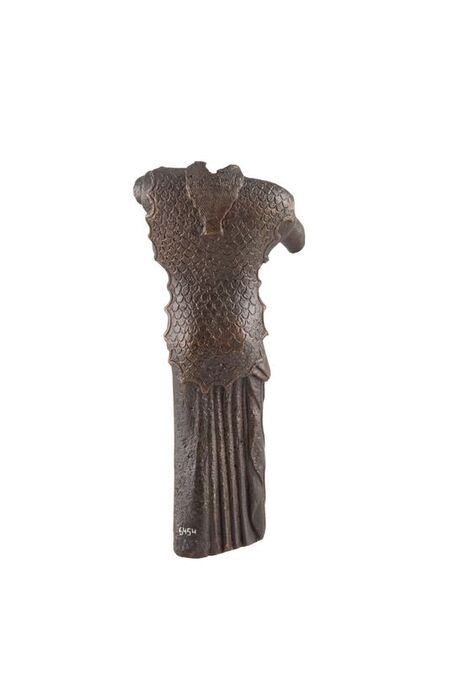
Author unknown. «Bronze Figurine of Athena.» 470–460 BCE.
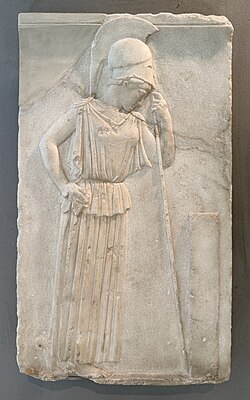
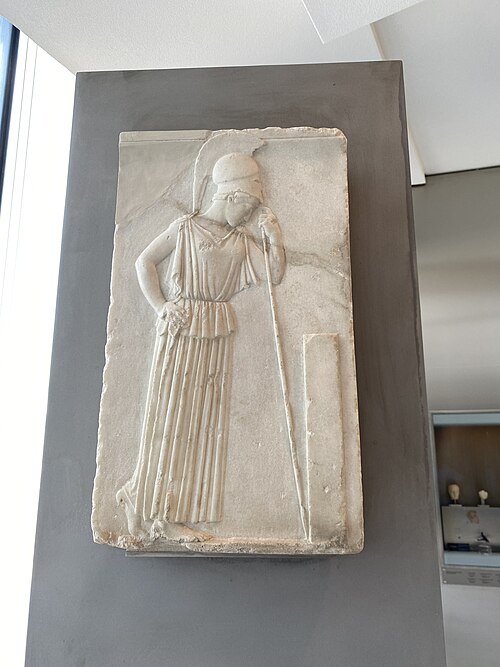
Attic Master. «Pensive Athena.» Circa 460 BCE.
Comparing calm depictions of Athena with the Gigantomachy scene shows that armament does not always signify combat. In a tranquil pose, it remains an attribute of the goddess; in the Metope of the Parthenon, however, it becomes part of a directed action. This suggests that an attribute informs not only who is depicted but also contributes to the narrative structure. In a multi-figure scene, this dependency becomes even more evident. The recognizable Nike helps interpret the motif of reward, but it does not conclusively identify the figures beside her. Therefore, one cannot limit the analysis to defining a single attribute. Instead, one must move toward analyzing the entire scene without filling in its lacunae with familiar mythological explanations.
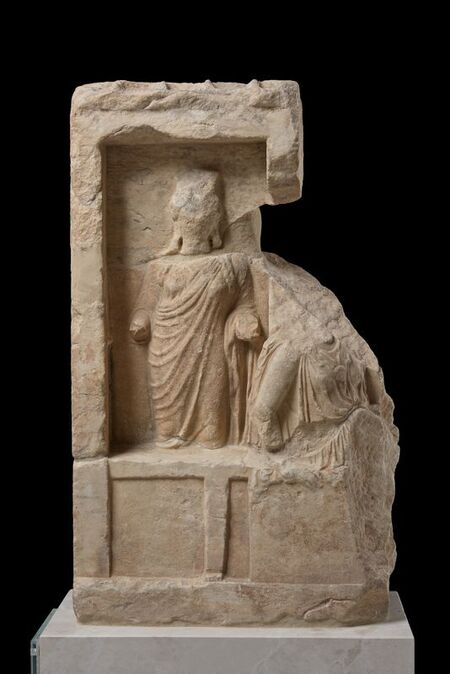
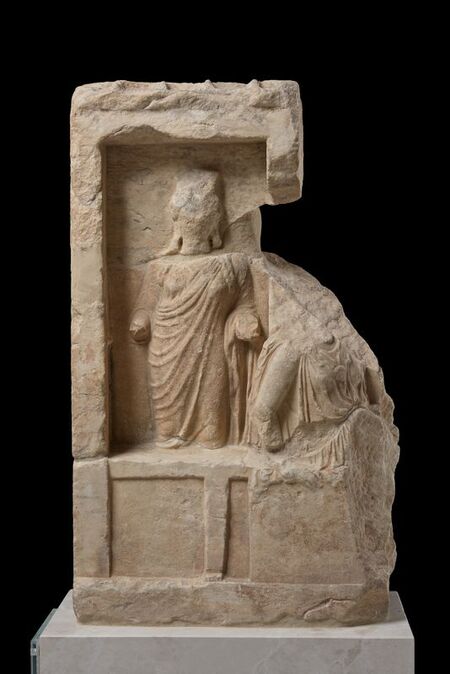
Unknown Artist. «Relief with Athena.» Circa 420 BCE.
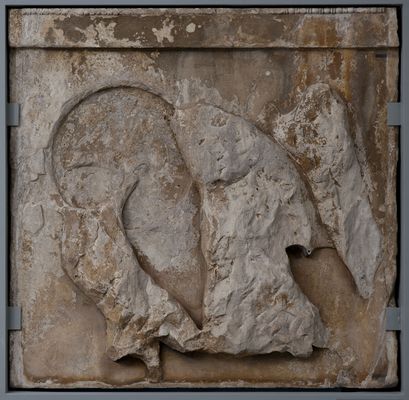
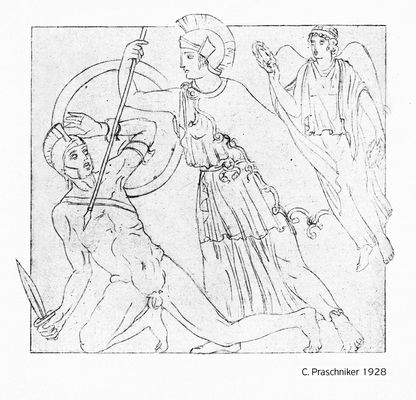
Phidias' Workshop. «Athena in the Gigantomachy.» Eastern metope of the Parthenon. 445–440 BCE.
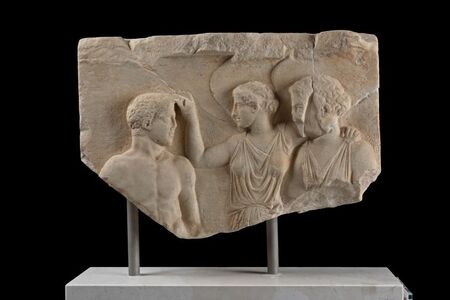
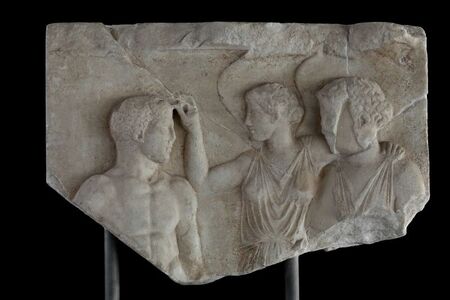
Author unknown. «Relief with Nike, the goddess, and Heracles or an athlete.» 420–410 BCE.
Thus, attributes ensure recognizability, but they do not replace analysis. They help establish a name or a range of possible definitions. However, the meaning of the action is revealed through the body’s posture and the relationships between the figures.
Chapter 2
If the attributes allow for distinguishing divine figures, then the body and clothing determine how precisely they are represented. The comparison of several images of Nike is particularly illustrative. Belonging to one figure does not imply repeating a single gesture. The figures on the balustrade of Athena’s temple depict various actions, including leading a sacrificial animal and adjusting sandals. Therefore, the image of the goddess of victory cannot be reduced to flight or a triumphal appearance; it unfolds through a sequence of bodily states.
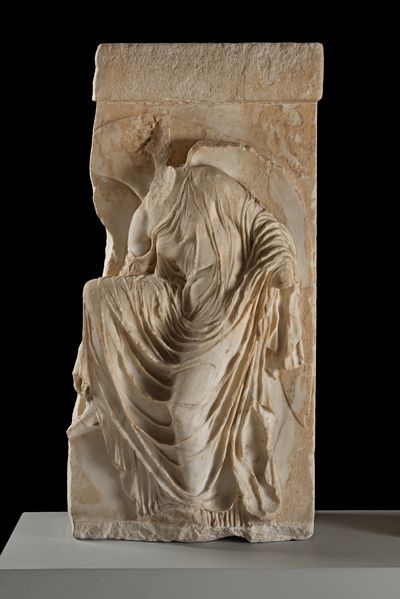
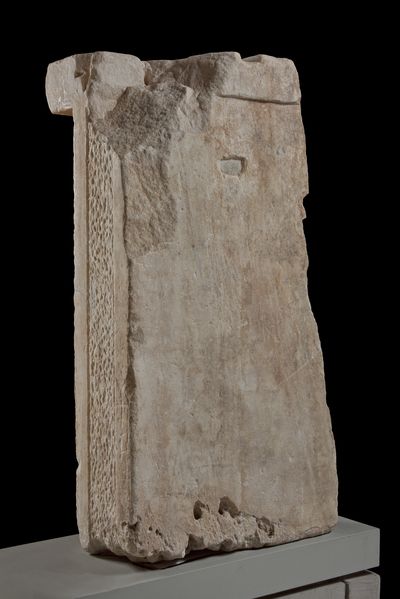
Agoracritus Workshop. «Nike Adjusting a Sandal.» Circa 410 BCE.
Author unknown. «Two Nikis Leading the Bull to Sacrifice.» Parapet of Athena Nikis’ Temple, North Plinth IV. Circa 410 BCE.
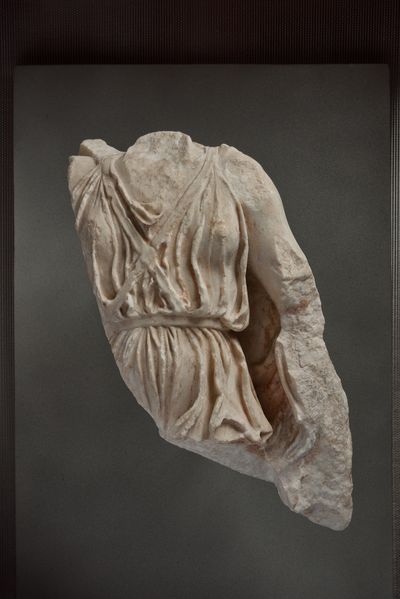
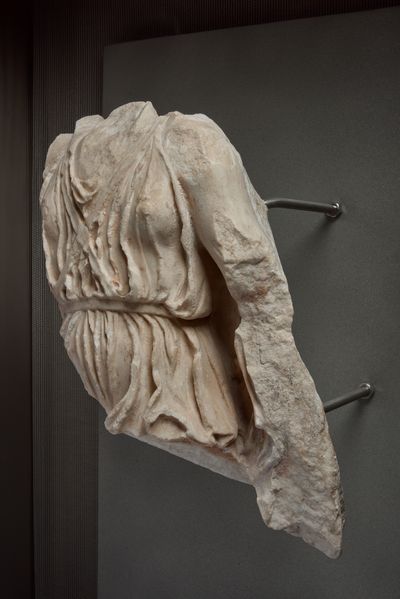
Unknown author. «Nika.» Parapet of the Temple of Athena Nike, northern slab V. Circa 410 BCE.
In these reliefs, clothing is not a separate shell around the body. The direction of the folds relates to the curves, the position of the legs, and the transfer of weight. When comparing the figures, attention shifts between the bodily volume and the surface of the fabric. The clothing simultaneously covers the figure while making its structure visible.
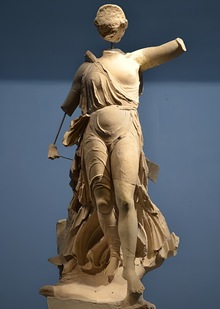
In the freestanding Nike Peony, the task changes. Here, the image of descent is important, and movement is perceived not only through the body’s posture but also through the figure’s interaction with the surrounding space. Therefore, a similar motif of light fabric yields a different result in relief versus in round sculpture.
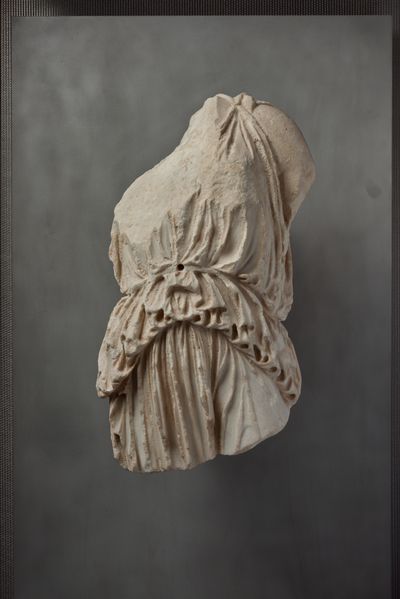
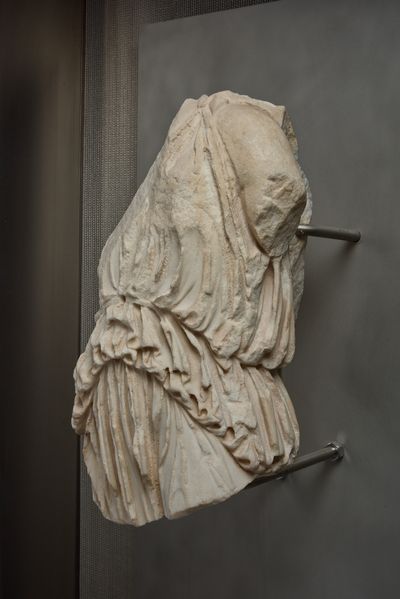
Author unknown. «Nika.» Parapet of the Temple of Athena Nike, western slab, VII. Circa 410 BCE.
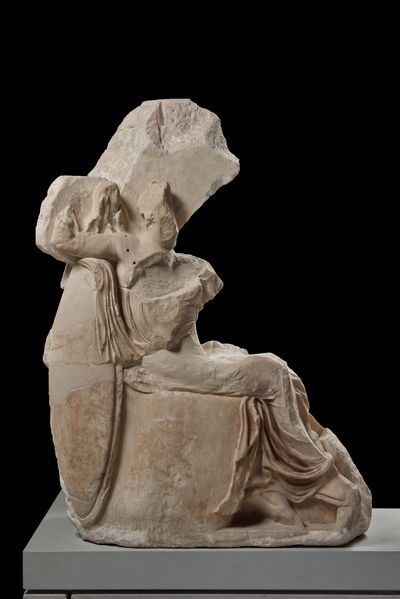
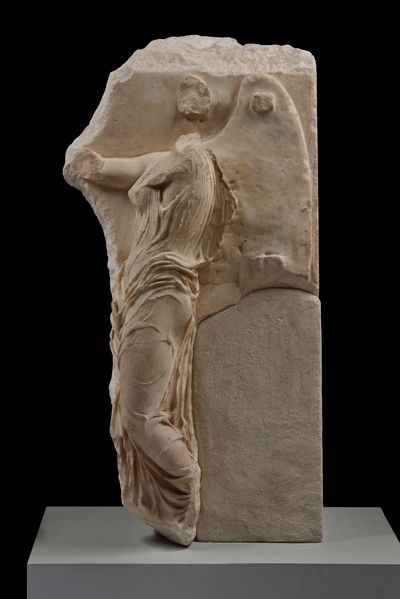
Unknown artist. «Athena and Nike.» Parapet of the Temple of Athena Nike, southwest corner block. Circa 410 BCE.
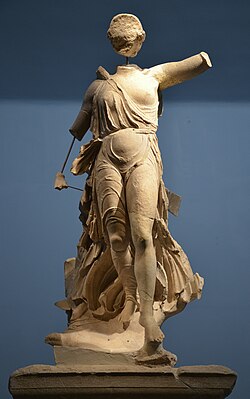
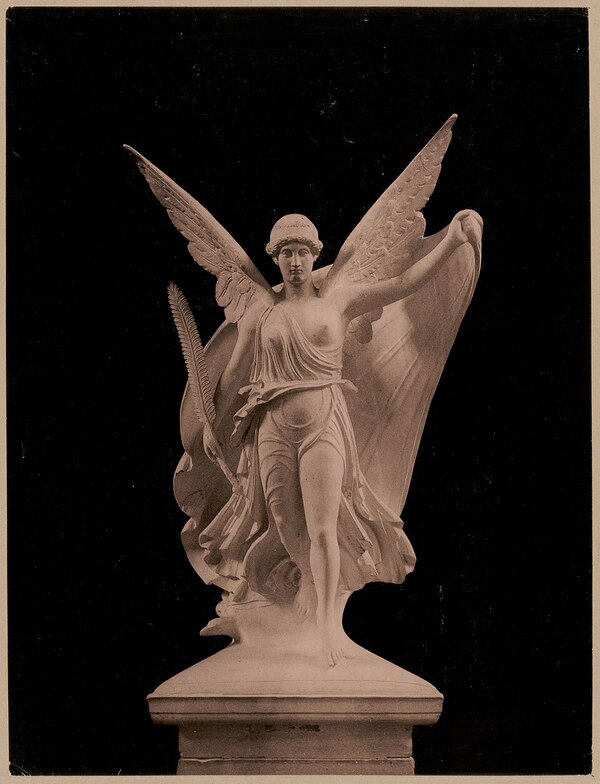
Peony from Mendi. «Nika.» Late 5th century BCE.
However, movement is not a prerequisite for expressiveness. In the Frieze of the Parthenon, the interaction between the gods is built upon subtle turns and gestures. The seated figures are not isolated from one another. Their placement allows one to read a calm exchange. Compared to the figures of Nike, the action here does not disappear; rather, it becomes less dramatic. The pedimental fragments allow us to examine the drapery even without precisely identifying the figures. Even when a figure cannot be definitively named, the relationships between major masses, the rhythm of the folds, and the placement of preserved parts remain available for analysis. It is important not to turn observation of plasticity into proof of a debatable attribution.
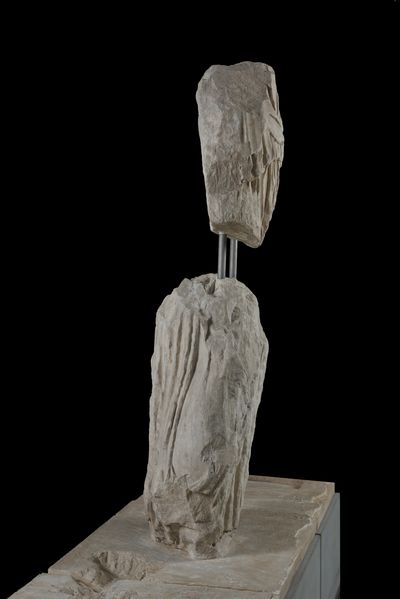
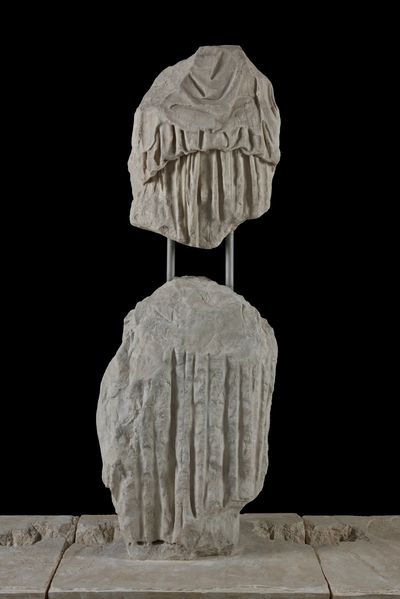

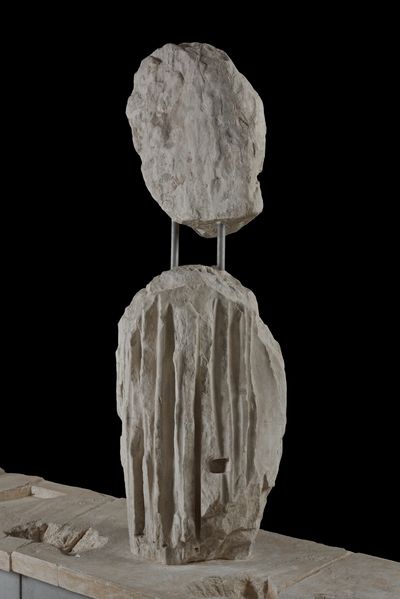
Phidias’s Workshop. «Goddess on the Eastern Pediment of the Parthenon: Hera or Ilithyia.» 437–432 BCE