Concept
Dmitry Prozorov, known by the pseudonym Tamplier, is a Russian digital artist and illustrator whose work is closely connected to the fantasy and gaming universes of Blizzard Entertainment.
He began studying digital art in 2010, gaining recognition for his original illustrations based on Warcraft, Diablo, and StarCraft. His early works predominantly featured portraits of famous game characters, executed in a realistic style with meticulous attention to anatomy, materials, and lighting.
Participating in Blizzard art competitions was an important stage in Prozorov’s career.
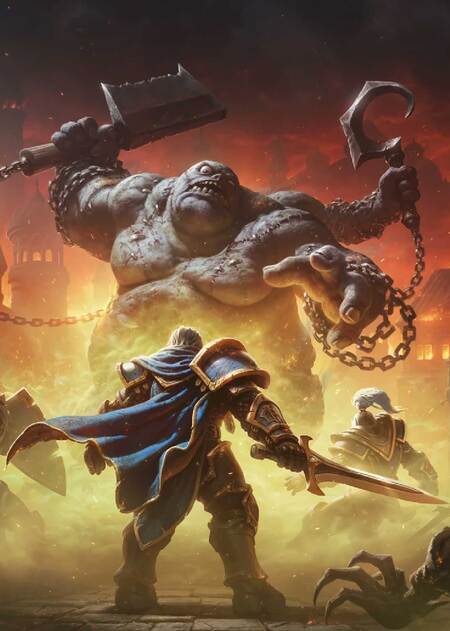
Thanks to his first win at a competition with the painting «Victorious, ” he gained widespread international recognition. Later, winning another competition several years later with his work „Clash, ” Blizzard offered him a job. Since 2016, he has been officially creating promotional and key art for Blizzard games, which caused him to stop competing as a hobbyist.
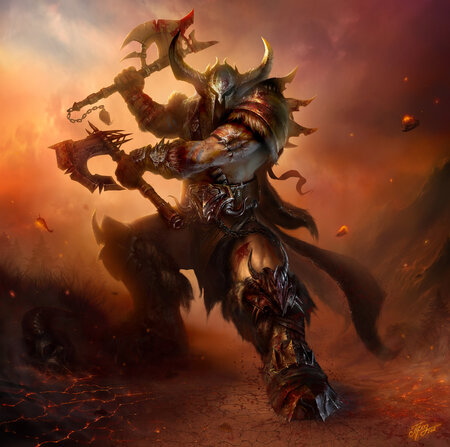
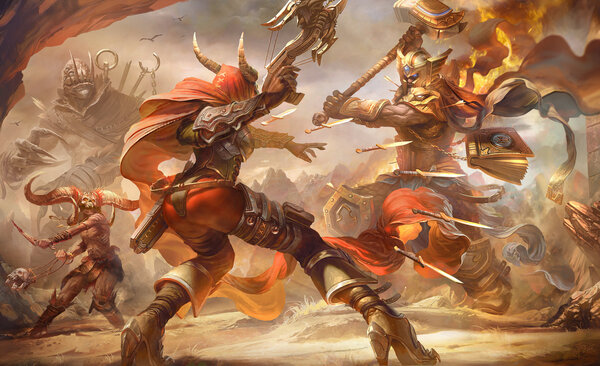
Dmitry Prozorov, «Victor,» 2012 / «Clash,» 2015
Tamplier’s work is characterized by a combination of detailed digital painting and a clear organization of large forms. The character’s silhouette is composed of body proportions, pose, clothing, and attributes, while the surrounding space either complements it or creates a contrast. The interaction of these elements forms the character’s essence, a sense of movement, and the scene’s compositional integrity.
Among the projects connected to his creative work are World of Warcraft, Heroes of the Storm, and Diablo III.
Working on Heroes of the Storm required a shift in the artist’s usual approach. While Prozorov’s earlier illustrations aimed for realism, the game’s style demanded more stylized proportions, expressive poses, and vivid imagery. This difference is particularly interesting from the perspective of silhouette: exaggerated elements in the costumes, weapons, and anatomy allow the character to be immediately recognizable and convey their personality even before scrutinizing the fine details.
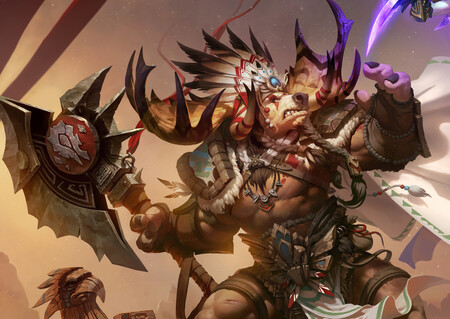
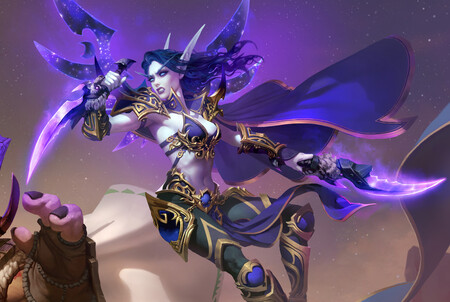
In his Warcraft universe illustrations, Prozor references imagery of warriors, mages, fantastical creatures, and the game’s iconic heroes. His characters are distinguished by massive armor, complex weapon silhouettes, expressive gestures, and contrasting proportions. The artist pays attention not only to the figure but also to the space surrounding it. Architecture, natural forms, and light accents help convey the scale of the events and emphasize the character’s placement within the composition.
My interest in Dmitry Prozorov’s work stems primarily from the expressiveness of his characters.
Additionally, as part of this study, we want to trace how characters interact with their environment. The forms of architecture, natural objects, and the open space surrounding the figure do not simply supplement the image; they influence its perception. Therefore, based on the silhouettes, we will examine precisely how Prozorov distinguishes the main character and connects him to the surrounding space.
Categories
- Concept
- Character Silhouette and Persona
- Figure, Pose, and Silhouette Dynamics
- Environmental Silhouettes
- Character-Environment Interaction
- Conclusion
Character Silhouette and Personality
Silhouette forms the initial impression of a character even before the viewer has time to examine their face, clothing, or individual details. From the general outline of a figure, one can surmise how strong, agile, or dangerous the character is. In Dmitry Prozorov’s illustrations, the characters' personalities are often emphasized through body proportions, expressive poses, and exaggerated physical features.
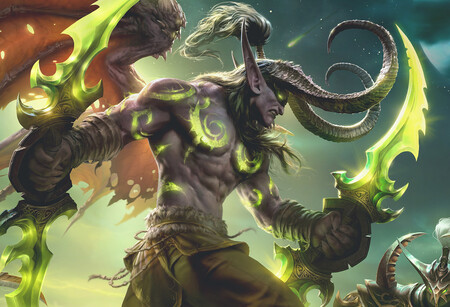
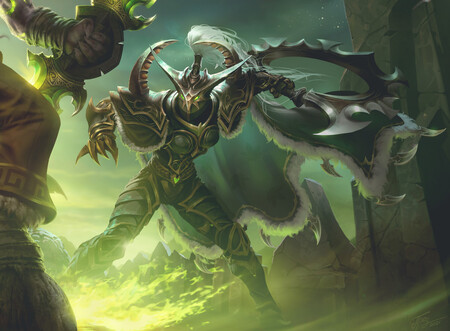
The artist actively utilizes the contrast of forms.
Broad shoulders, massive arms, and heavy armor evoke a sense of physical might. Elongated limbs, slender curves, and sharp, protruding elements render the silhouette more taut and dynamic. Furthermore, character is defined not by a single shape, but by their combination. Smooth lines can coexist with sharp angles, and a massive torso can be paired with delicate details, resulting in a more complex and ambiguous image.
Elements that venture beyond human anatomy lend exceptional expressiveness to characters. Horns, wings, serpentine bodies, and unusual headwear alter the conventional contours of the figure. They expand the silhouette, dictate the direction of movement, and help distinguish one hero from another. Such details become an intrinsic part of a character’s nature, rather than mere embellishment.
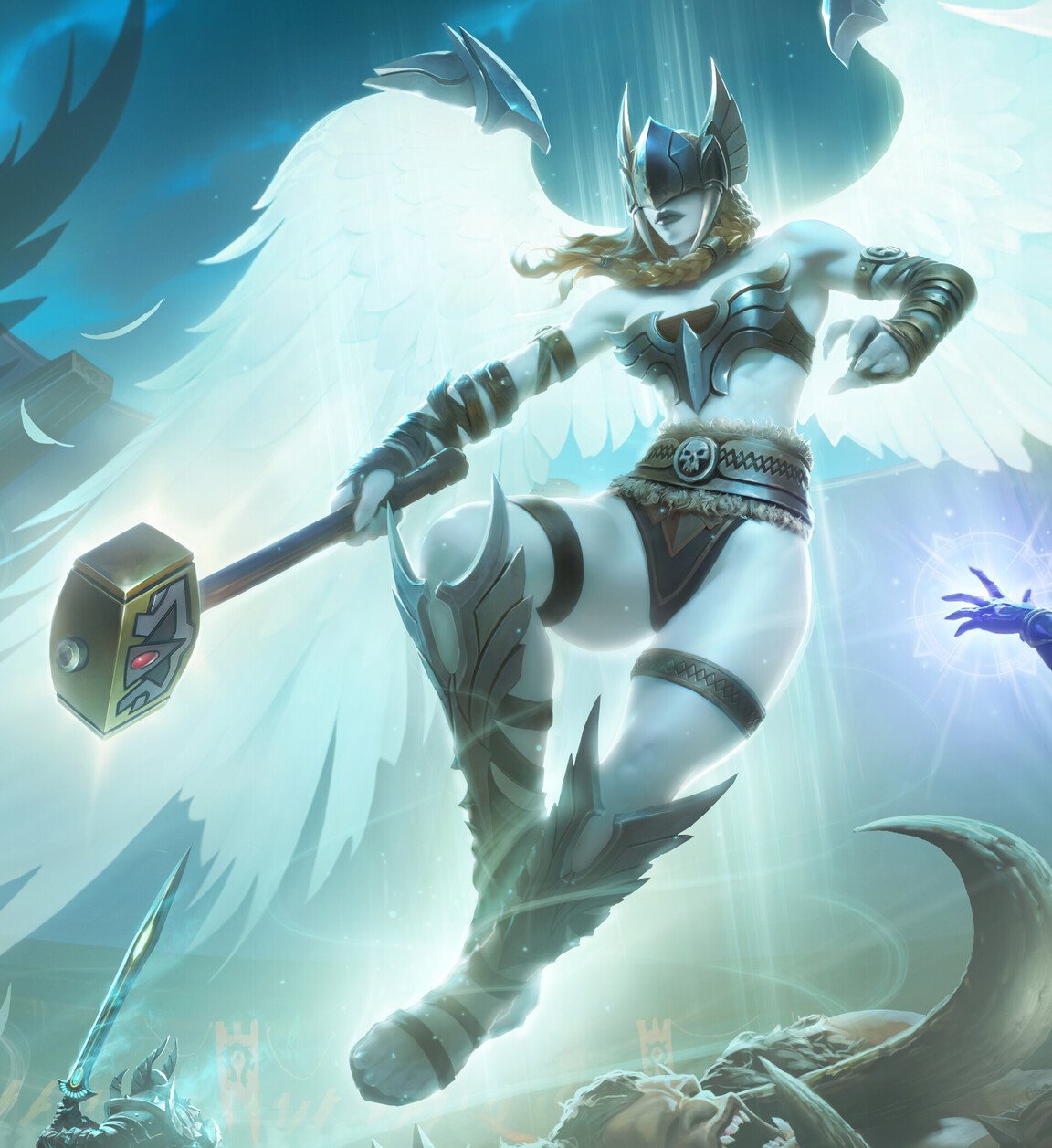
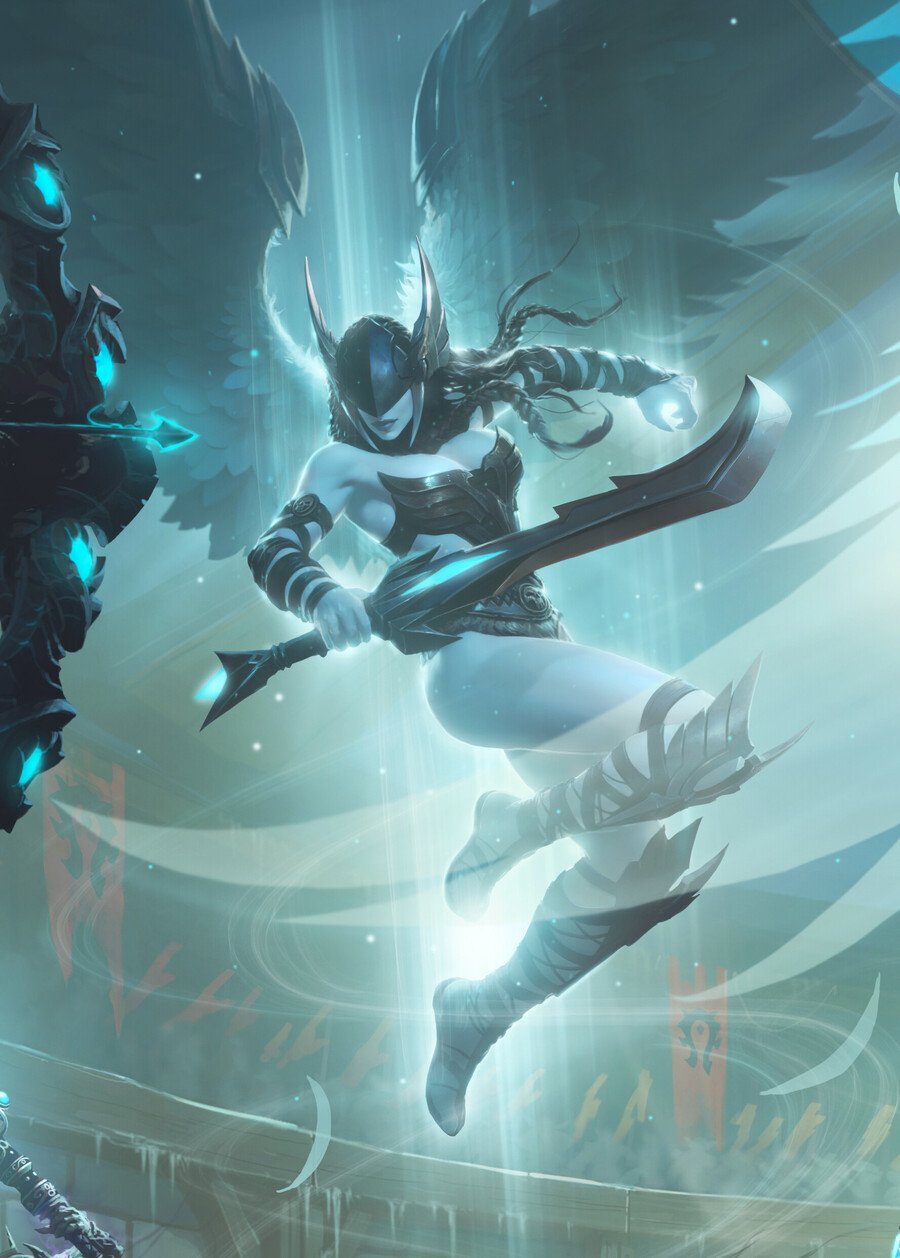
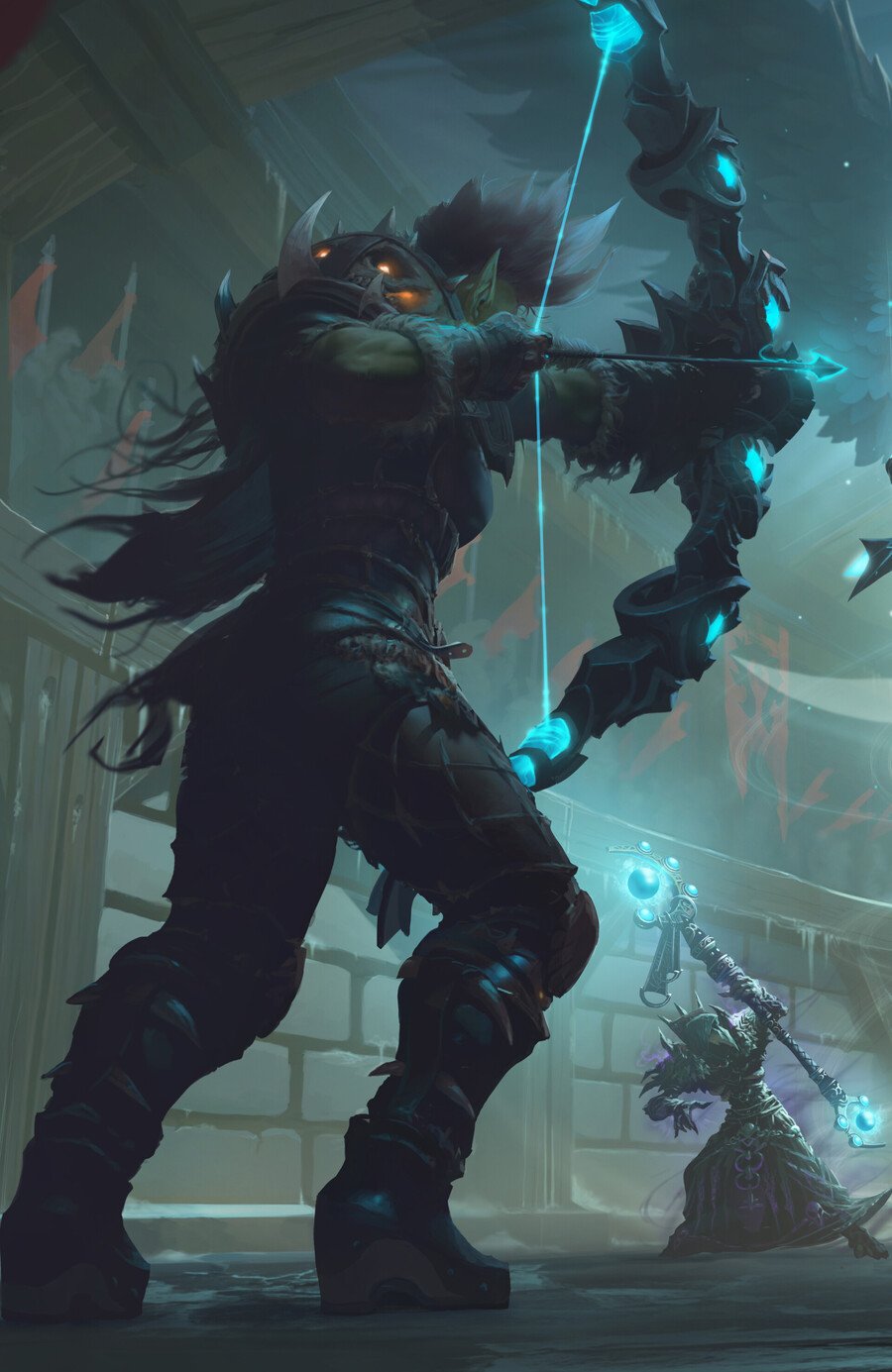
Exposed armor elements, flowing hair, weapons, and unusual proportions also disrupt the form’s balance. This allows characters to develop individuality, so their character is conveyed not only through facial expressions but also through the overall rendering of their figure.
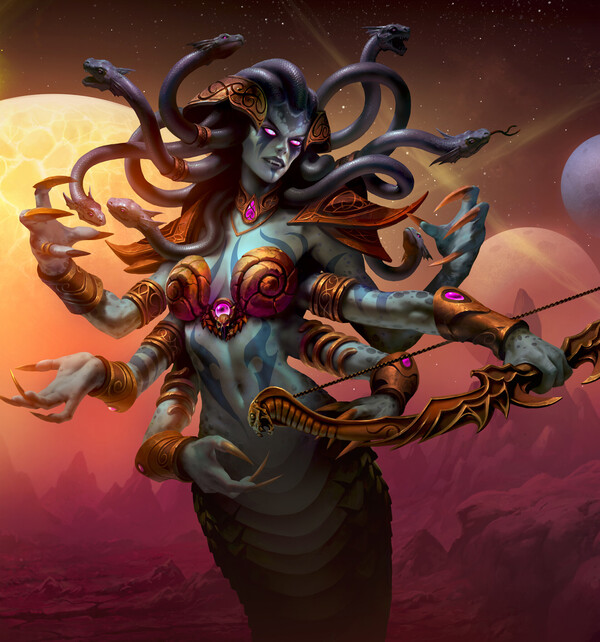
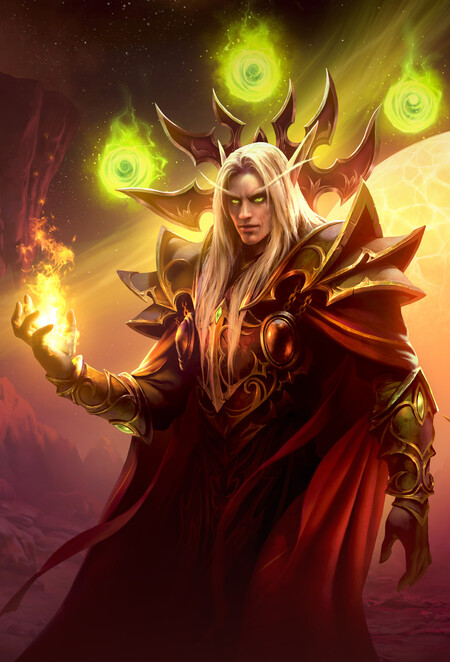
The openness of the silhouette is also important.
Broadly spread arms and an open posture convey a sense of confidence and readiness for action. More closed poses, where limbs are held close to the body, may be perceived as reserved or guarded. Torso curves and asymmetry lend life to the figure, even when the character is depicted without active movement.
Sculpture, Pose, and Silhouette Dynamics
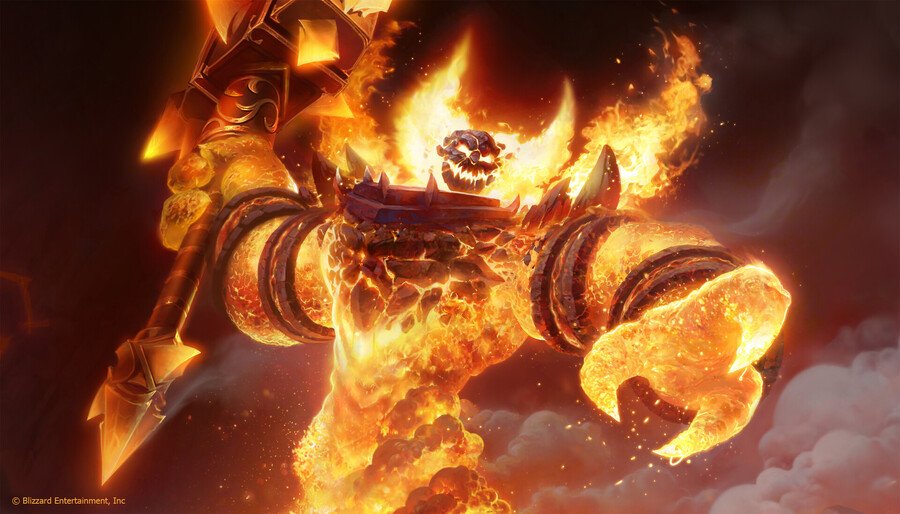
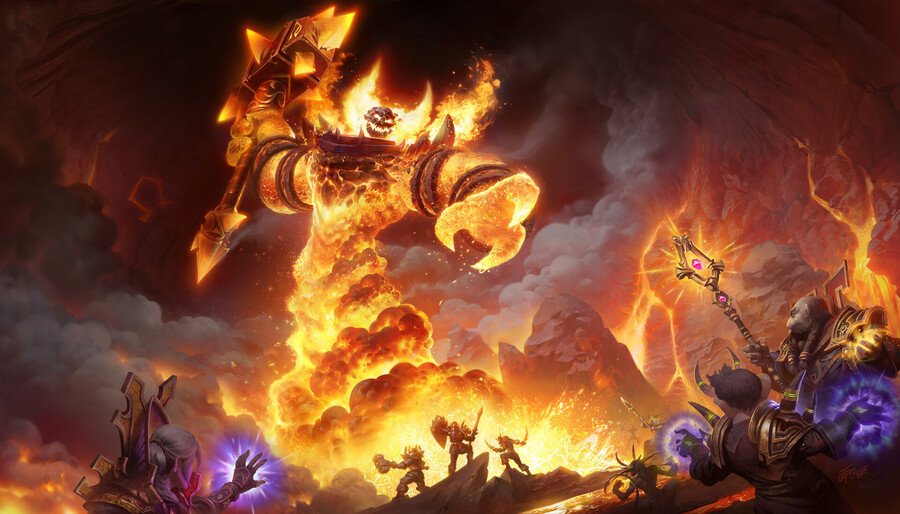
In Dmitry Prozorov’s illustrations, movement is conveyed through the posture of the body at a specific moment of action. The artist frequently chooses poses featuring sharp turns, strong leans, and shifted centers of gravity. Characters are depicted in the moment of impact, defense, or collision—when the figure’s posture is most intense. This choice allows him to showcase not only the action itself but also the effort the character exerts upon it.