The August digest features several noteworthy Moscow exhibitions that approach the nature of the sign as a philosophical category.
A sign rarely exists in isolation. It combines with other signs to form semantic structures, becoming a carrier of memory, emotion, power, embodied experience, and cultural prejudice. Symbolic structures integrate image, word, and matter into a unified system of meaning.
The authors explore language as a form of resistance and compulsion, transforming tears, color, graphic gesture, and poetic text into autonomous symbols, offering a view of semiotics not as an abstract theory, but as a mode of existence.
Shift Gallery x FUTURO Gallery / FUTURO
(Moscow)
July 29, 2026 — August 15, 2026
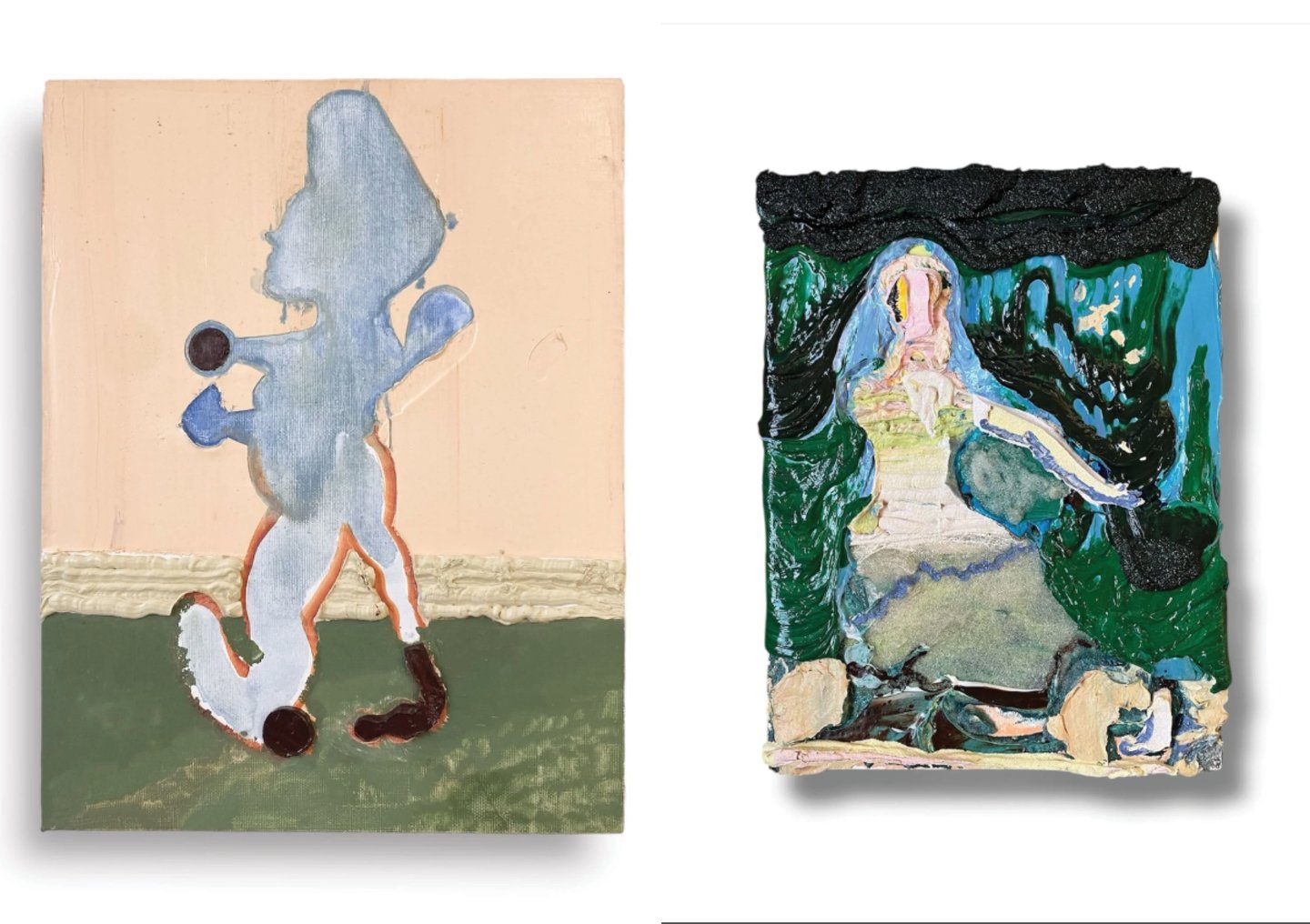
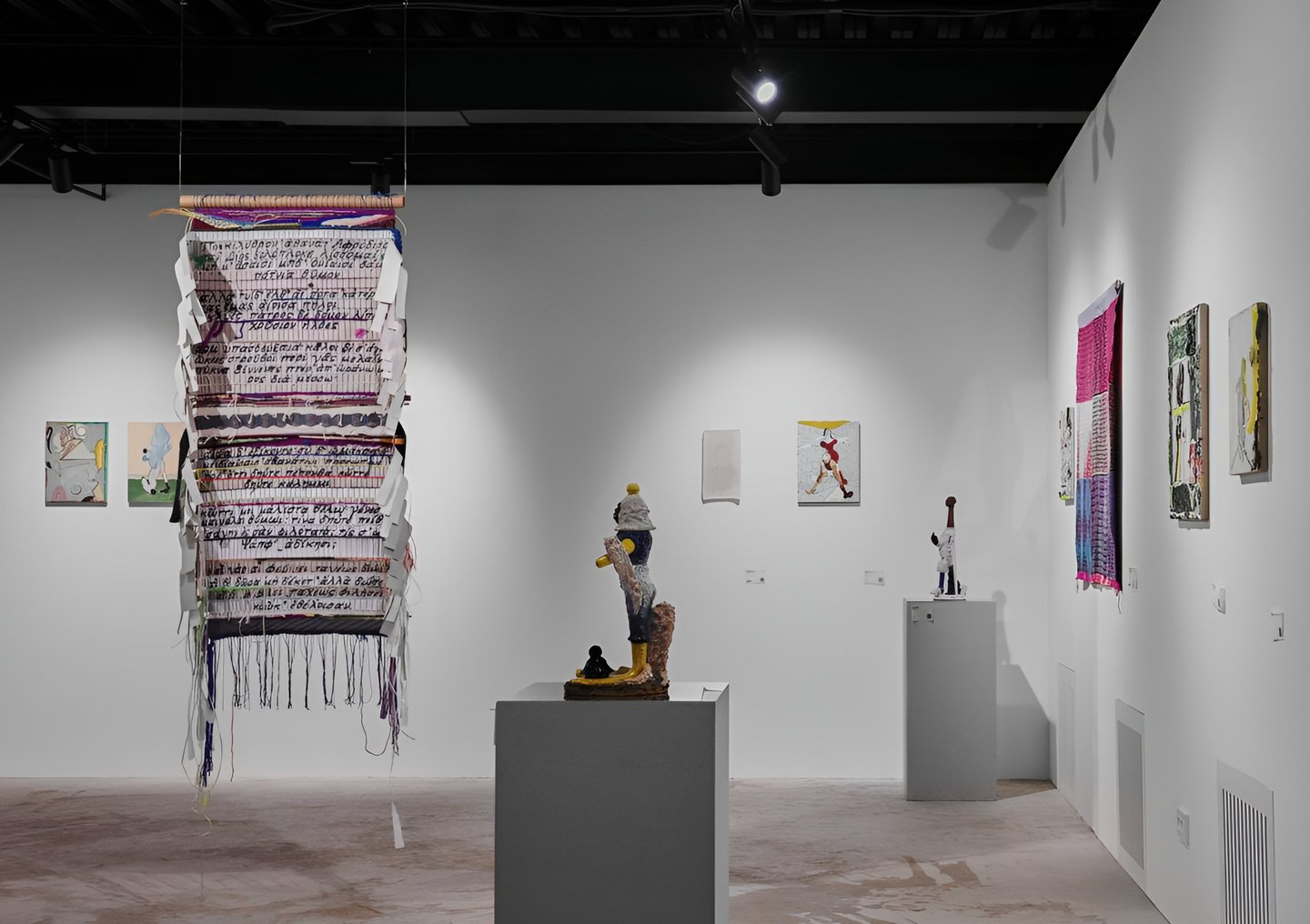
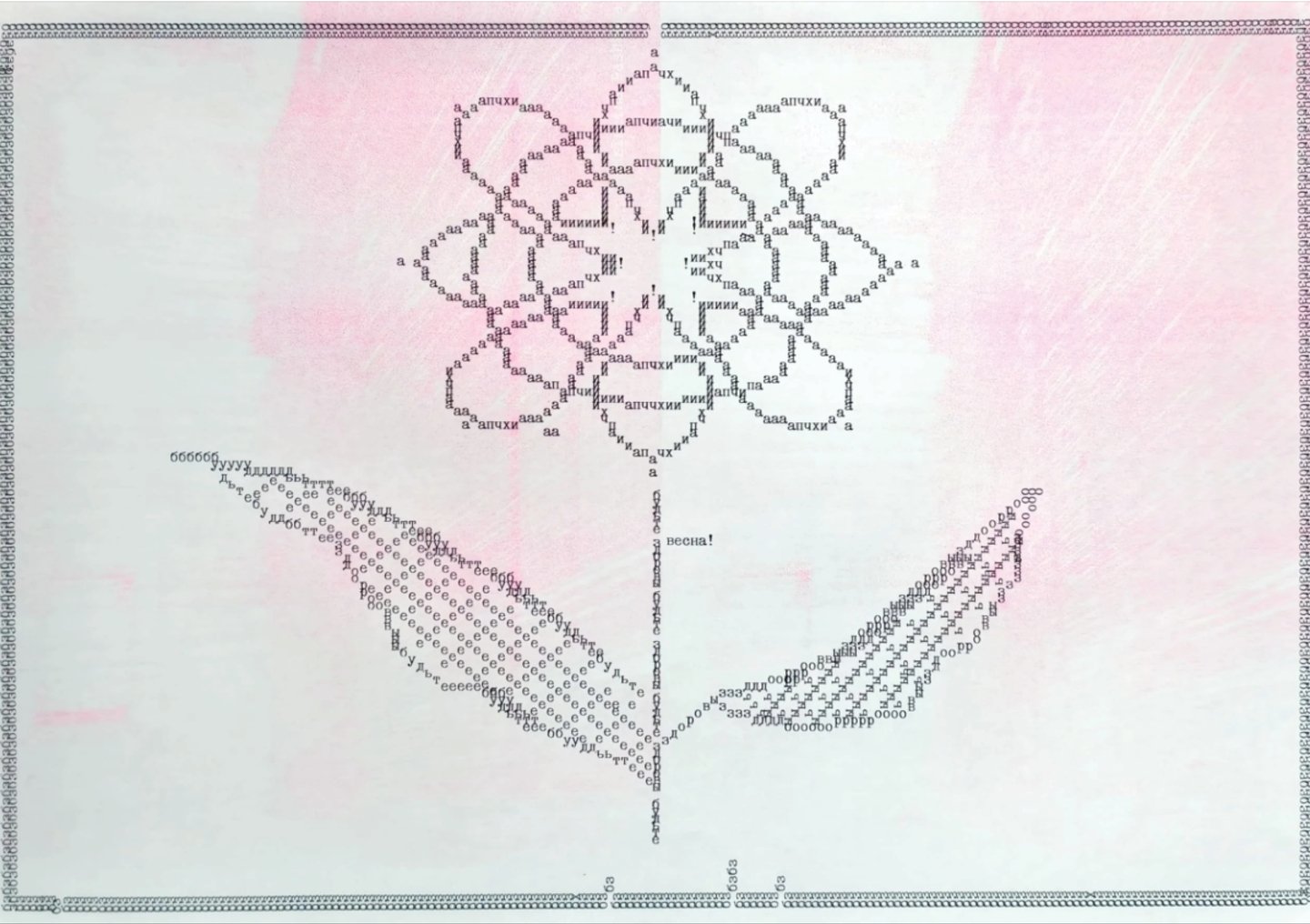
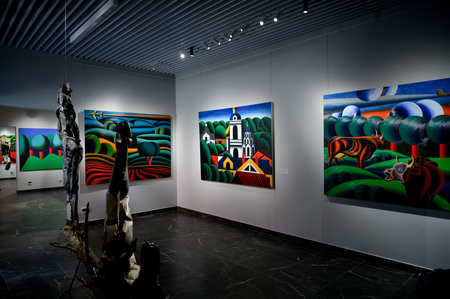
Types of exhibits and works from the exhibition «Delightful Songs» by Kristina Pashkova and Pavel Grishin at the Shift Gallery
Image source: Shift Gallery Telegram Channel
The duet exhibition explores the relationship between a word and its material manifestation on a single surface and within a unified space. When looking at a letter, a person perceives not just an image, but also deciphers its sound, feels its color, and understands its structure. In this sense, symbols weave together to form a complex conceptual work. The exhibition sets the rules of the game. The viewer is faced with a choice—what does a sign mean, and what is its role in the language system?
Two artists. Two different approaches to this puzzle of symbols. Kristina Pashkova weaves patterns onto the body of the fabric, while Pavel Grishin takes the word—something that can deform the body and alter structure through its power—and puts it into motion.
On the loom, Pashkova addresses the fragmentary language of the ancient Greek poet Sappho as a pattern, where the letter becomes the foundation for mythology and abstraction. In the series «Ovezhurk» (2026), the artist pushes language into an absurd game that breaks down meaning in pursuit of unity between the living body and automated technology.
Pavel Grishin interprets language as an external, compelling force that deforms painting and sculpture, creating tension between the submission of form to meaning and the resistance of the flesh—what he calls «voluntary servitude.» In the artists’ collaborative work—a cut and rewoven «Hymn to Aphrodite» (2026) embedded with random fragments of life—poetry becomes a textured body, and their shared conclusion is that the word produces form, whereas matter always reminds us of its silent resistance.
Shmukler Gallery (Moscow)
June 20, 2026 — August 16, 2026
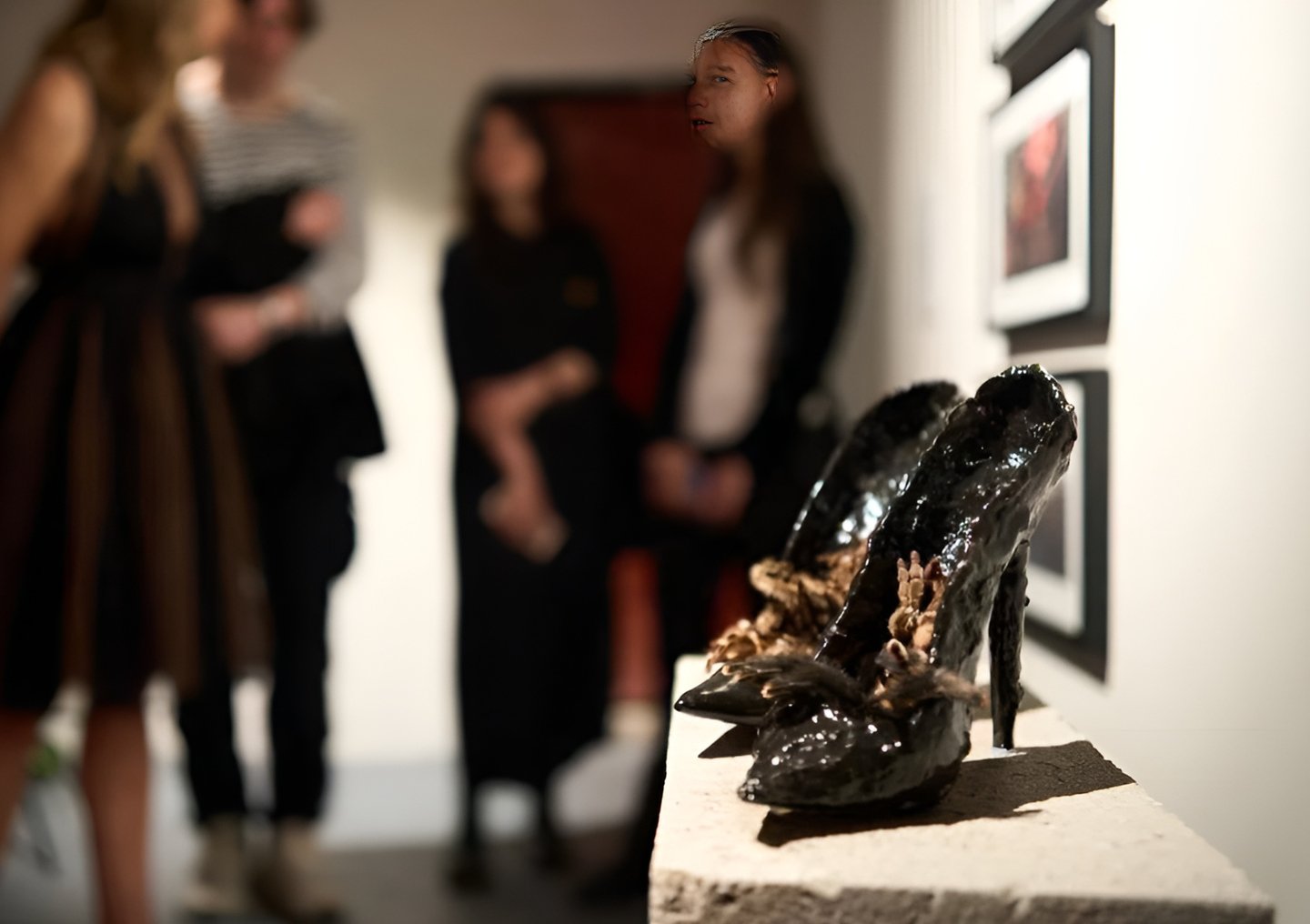
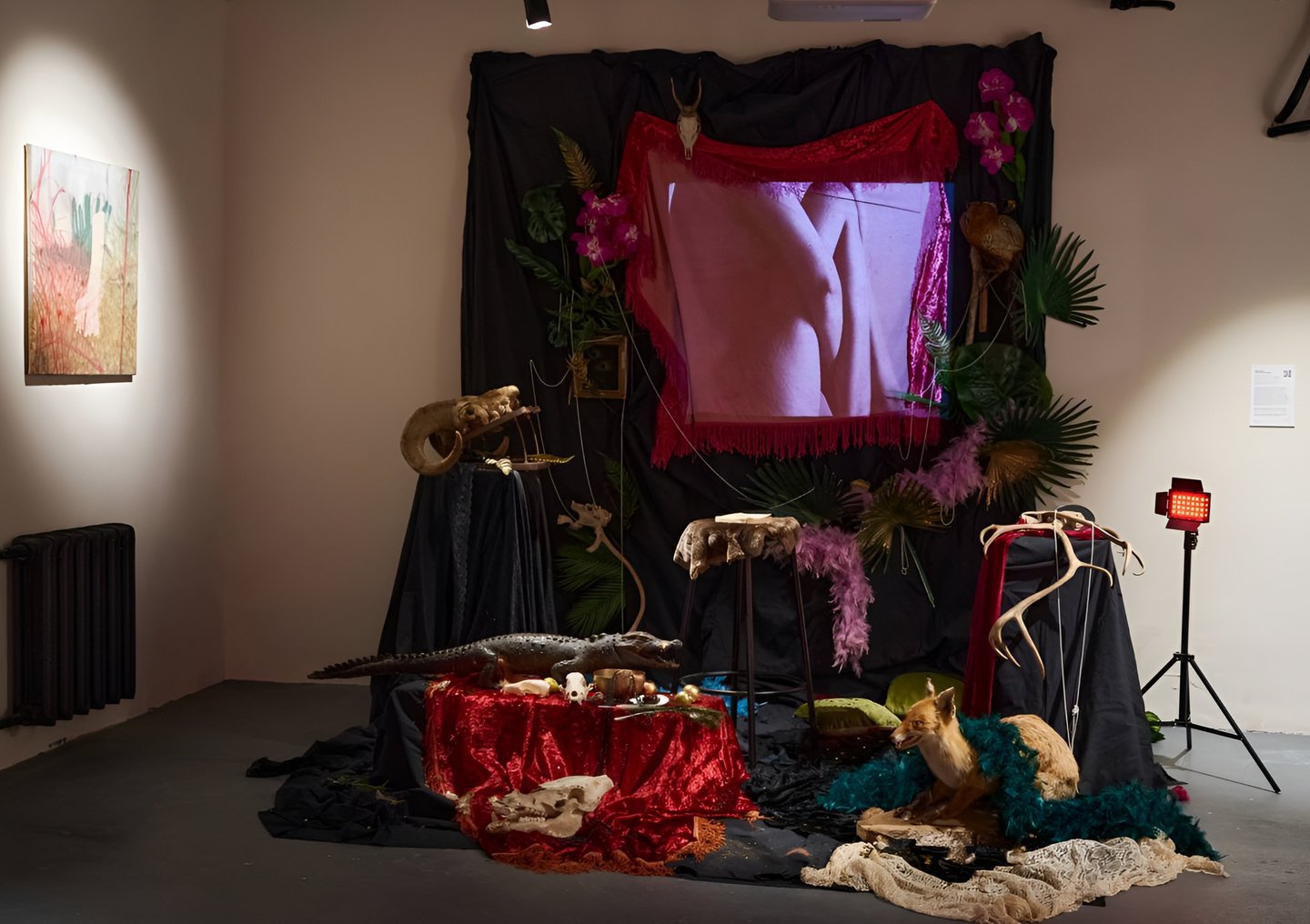
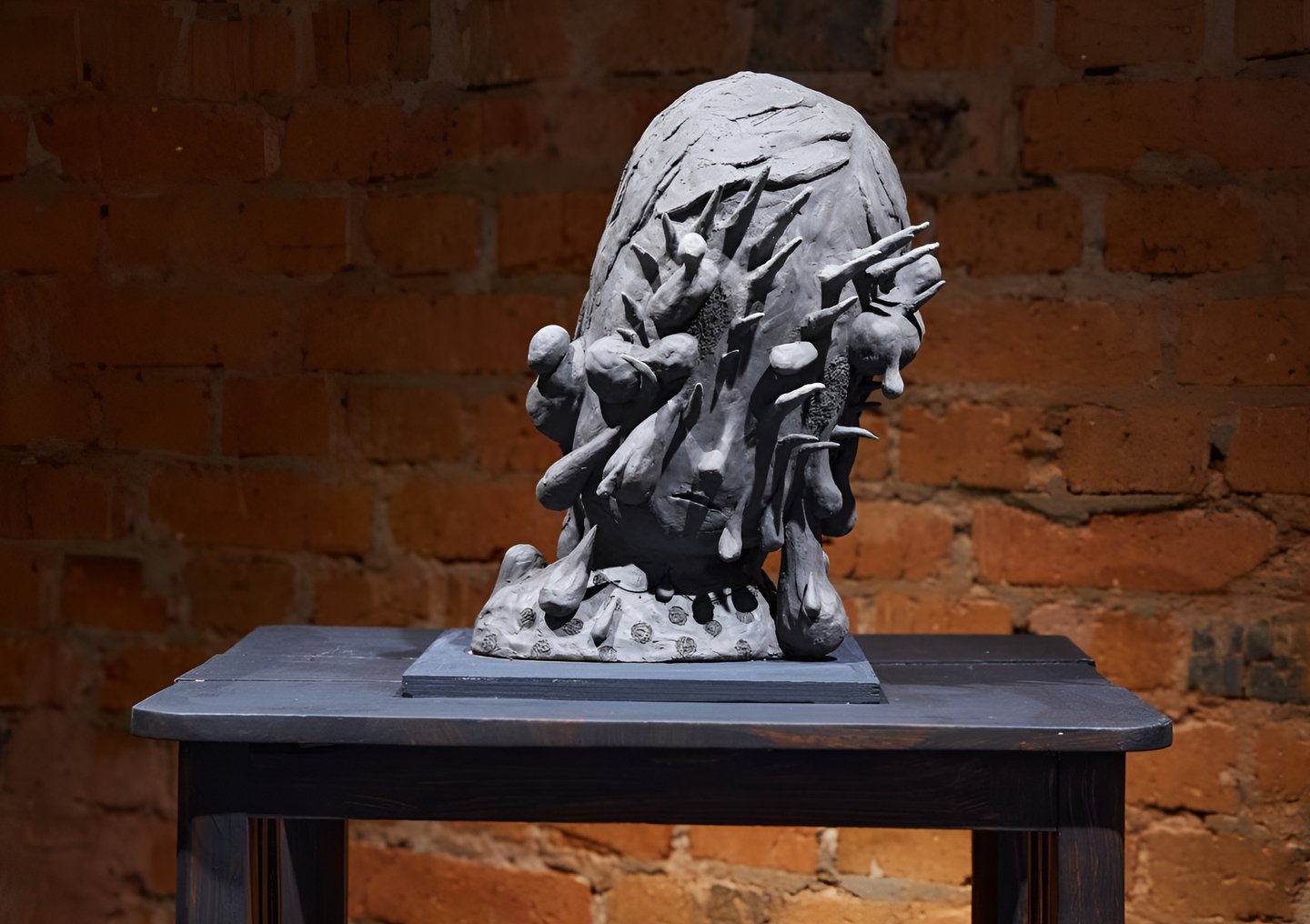
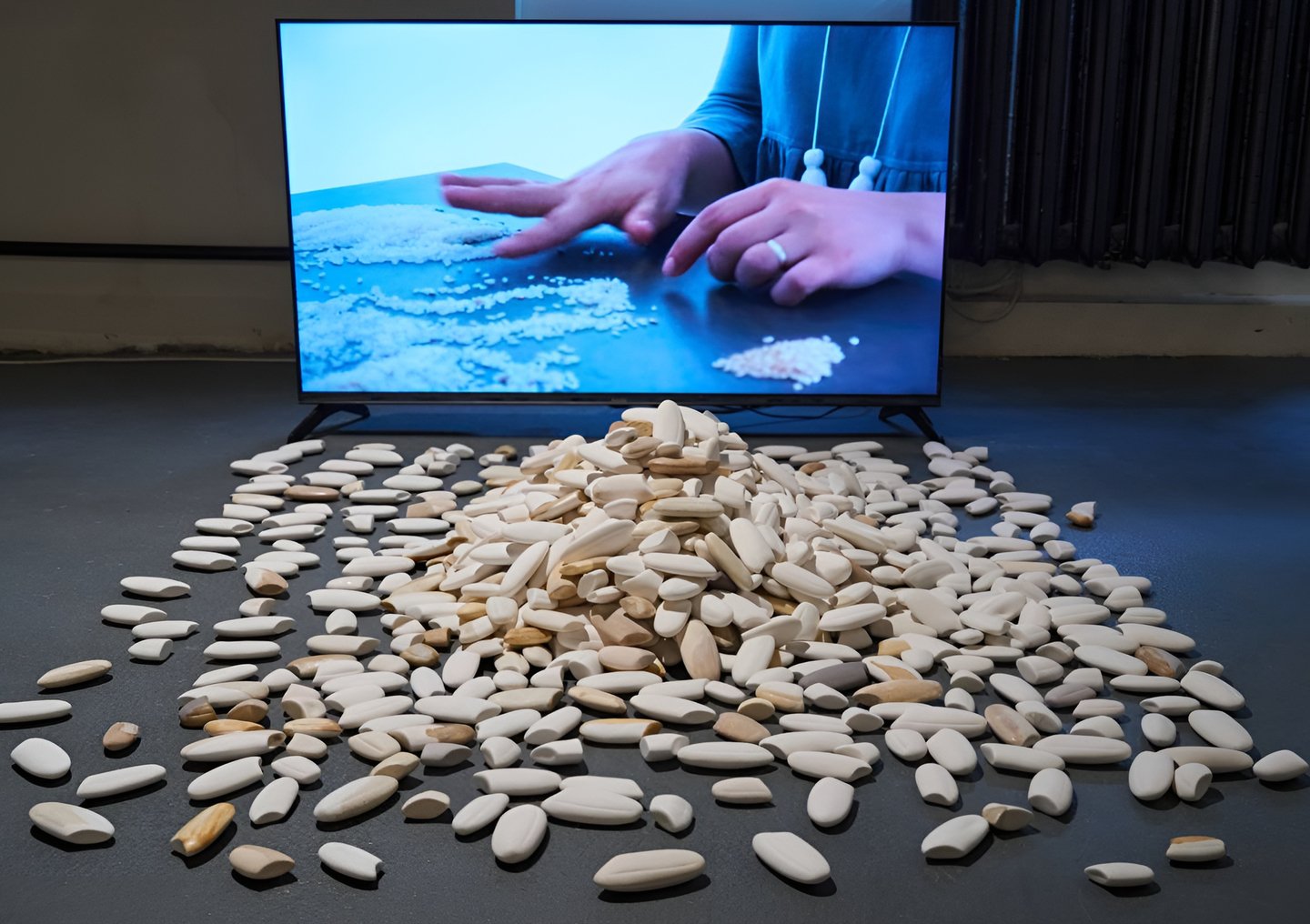
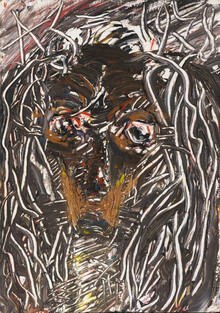
Exhibition formats for the group show «Girls' Tears» at the Schmuckler Gallery
Image Source: The Schmuckler Gallery Telegram Channel
An exhibition about tears. About how endless cataclysms trigger them within the body, manifesting on the surface to narrate everything and nothing at the same time: strength and resilience, powerlessness and fear. In resisting a collapsing world and attempting to master the emotional whirlwind, tears speak of endurance and perseverance.Artists explore the philosophy of tears through a variety of sign objects and abstract, enigmatic images that prompt reflection on experiencing trauma, loss, and finding strength where it seemed impossible.Within a single gallery space, reflections on the inherently feminine and corporeal aspects coexist with meditations on the brutal, destructive forces that must be confronted in this very moment./ Curator: Olya Makhno/ Artists: Ulyana Agban, Yulia Biktimirova, Olya Vasilyeva, Nina Veresova, Katya Gerun, Anastasia Dozortseva, Daria Klementyeva, Olya Makhno, Alexandra Nesterkina, Alexandra Pavlovskaya, Masha Shishova, Anastasia Shneps-Schneppe, Alina Yambayeva
Crokin Gallery (Moscow)
July 16, 2026 — August 23, 2026
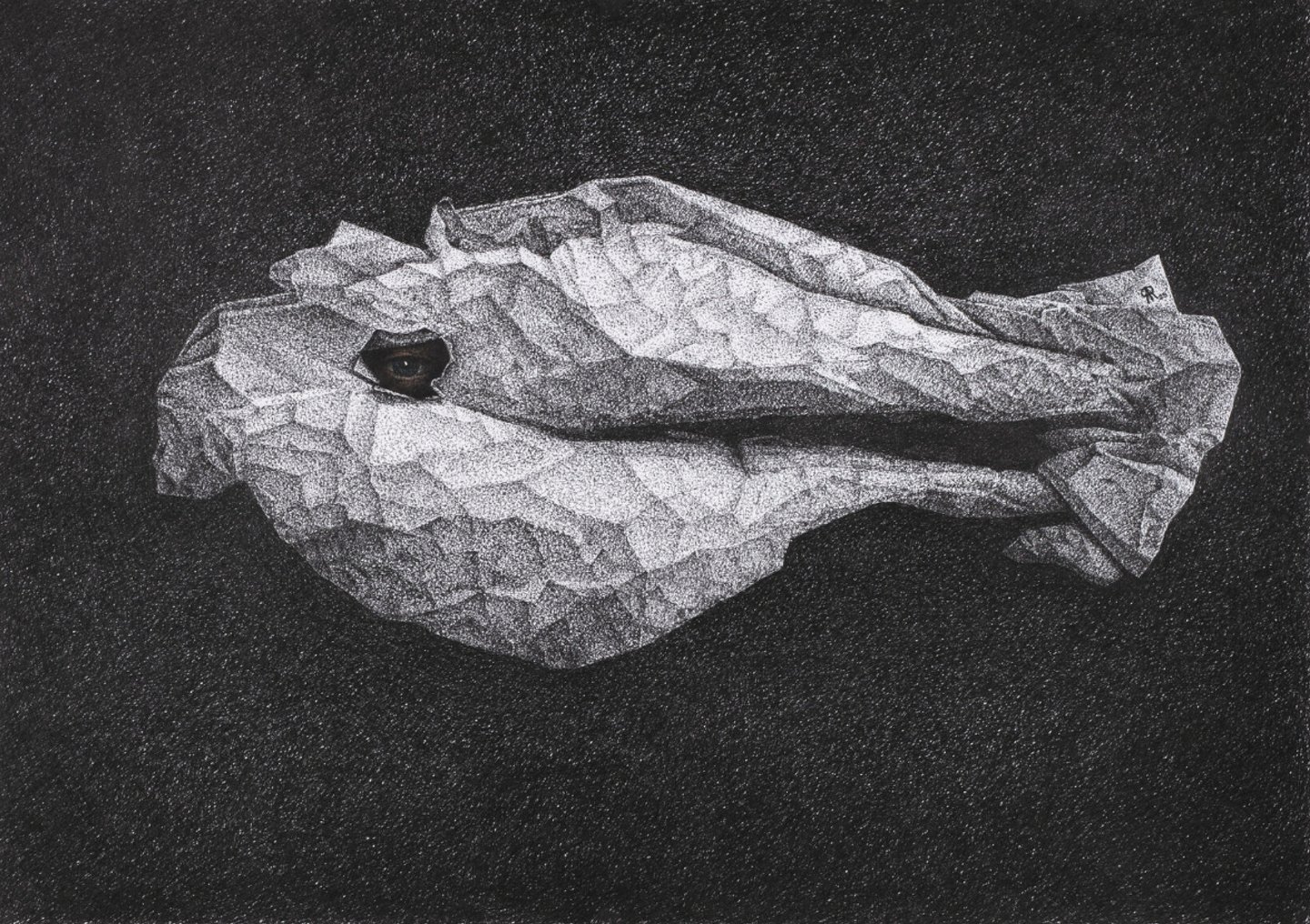
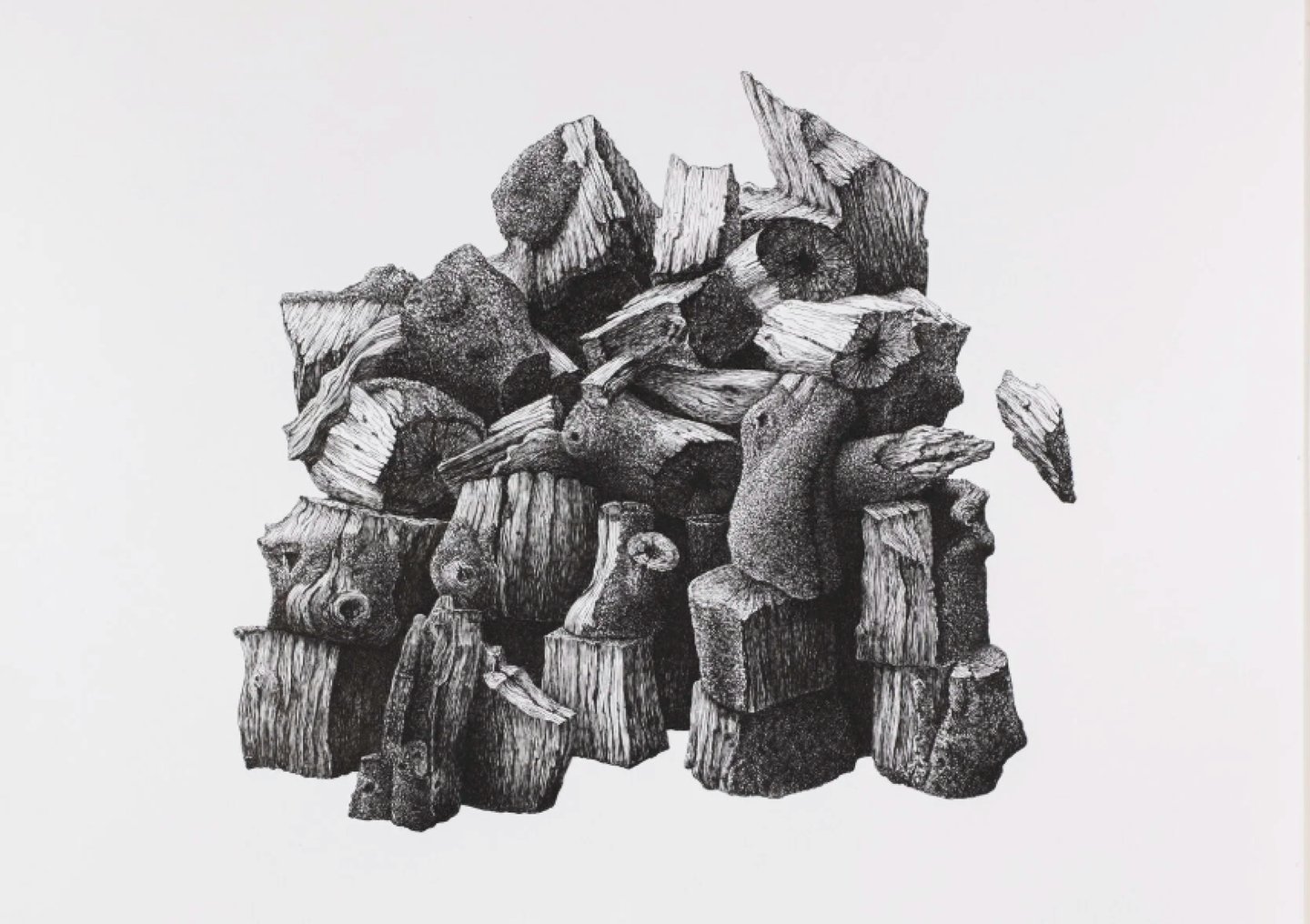
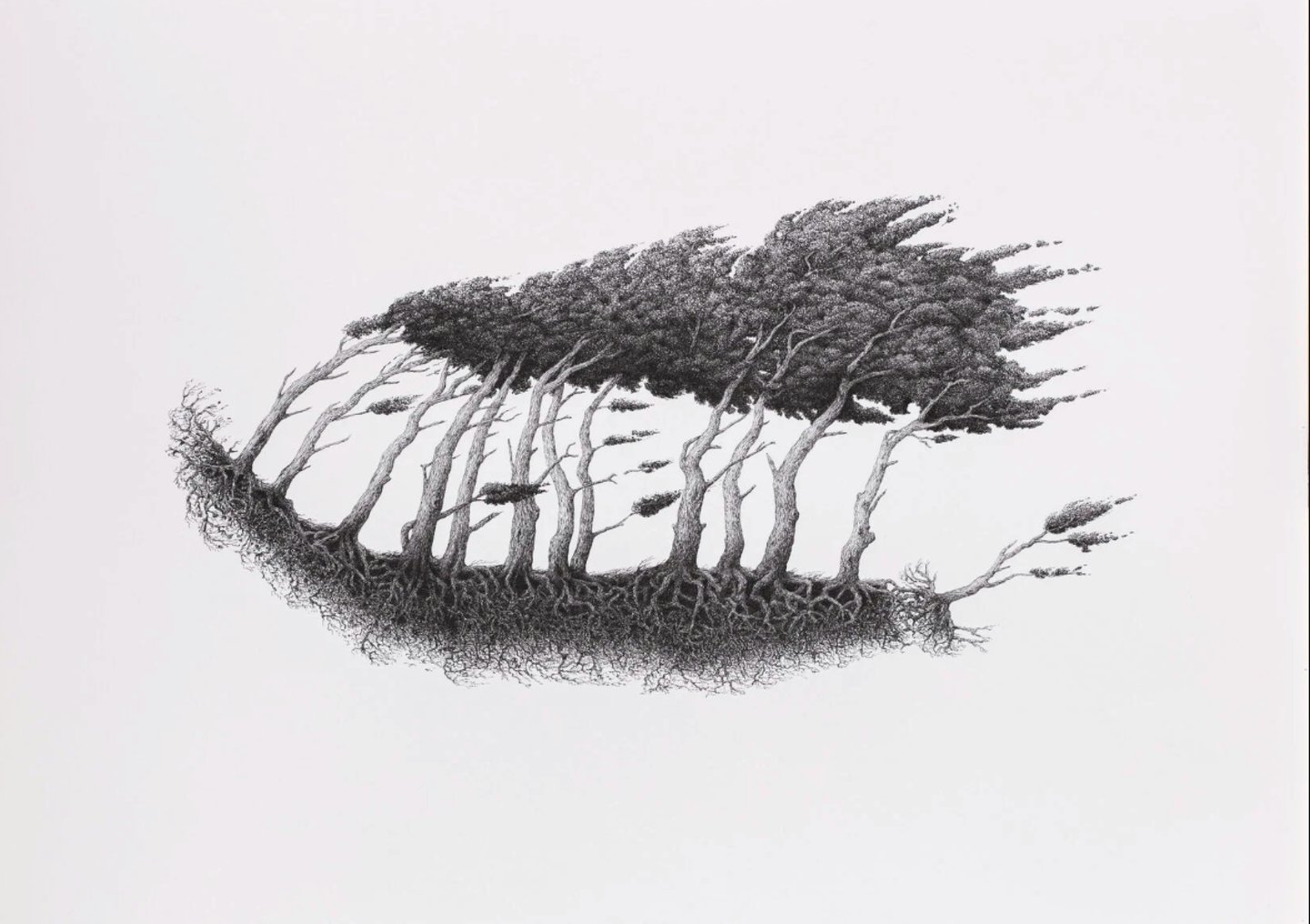
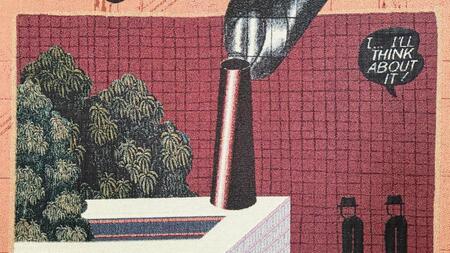
Excerpts from the works at Andrei Frolov’s solo exhibition «Signs» at the Crokin Gallery
Image source: Crokin Gallery Website
The exhibition showcases graphic works from recent years, revealing the subtlety with which the visual image is realized in the artist’s work.Frolov masterfully synthesizes the artistic solution of the sign with an extremely varied context, transforming each graphic element into a nexus of meaning. The series of signs on display does not descend into chaos; rather, it creates a cohesive narrative, a unified body of exhibition material, and a single, multilayered metaphor that permeates the entire space. One of the key themes Frolov explores is time, which in his works gains a visible substance, density, and weight.The visual sequence of the artist’s graphic signs is akin to a hieroglyph: each one contains a profound narrative while remaining exceptionally concise. The main strength lies in this conciseness: the sign of reality is synthesized with the author’s personal perception, transforming into a universal language that is both comprehensible and open to infinite interpretation./ Curator: Alexander Petrovichev
Gallery at Peschanaya (Moscow)
July 31, 2026 — August 30, 2026
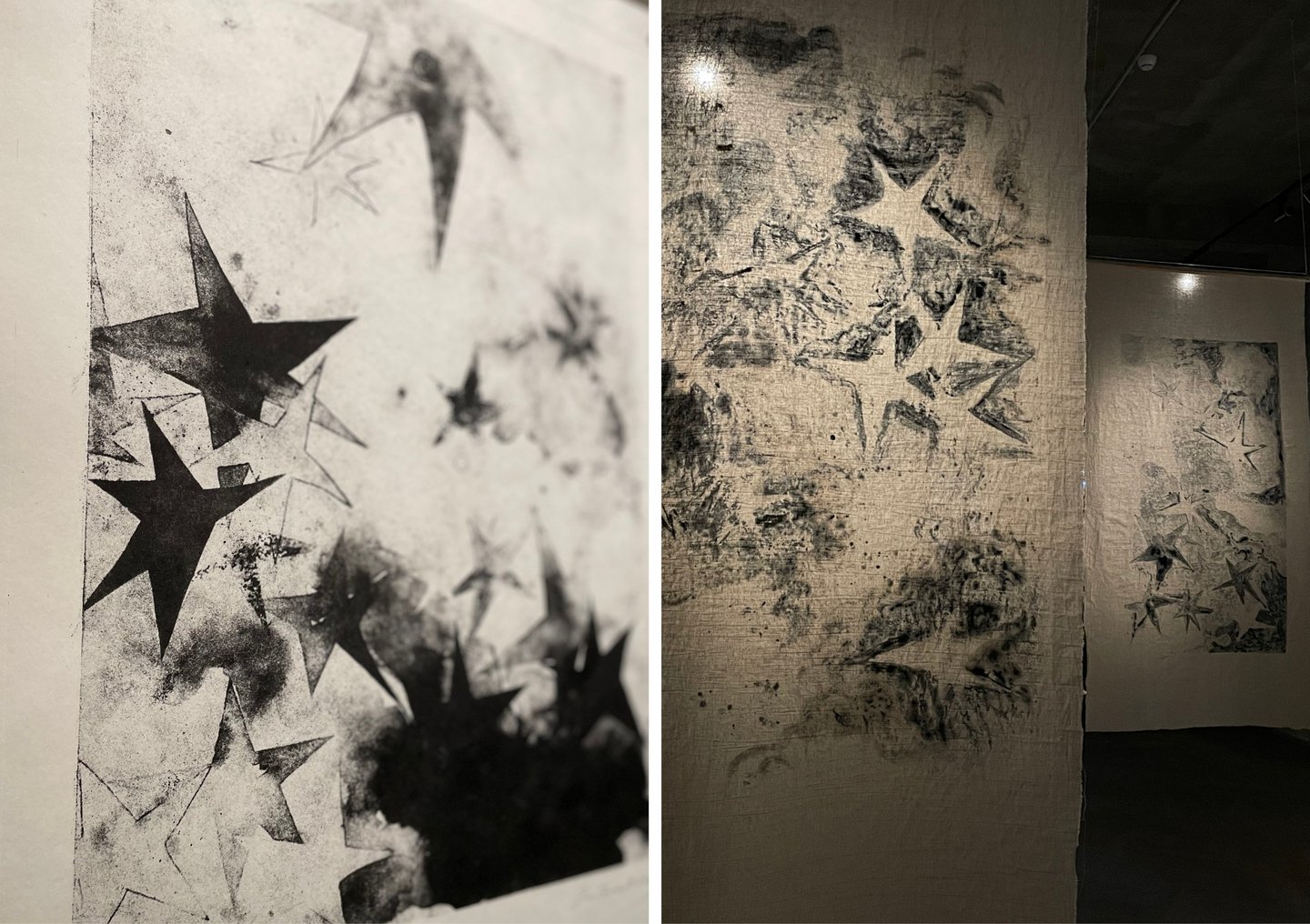
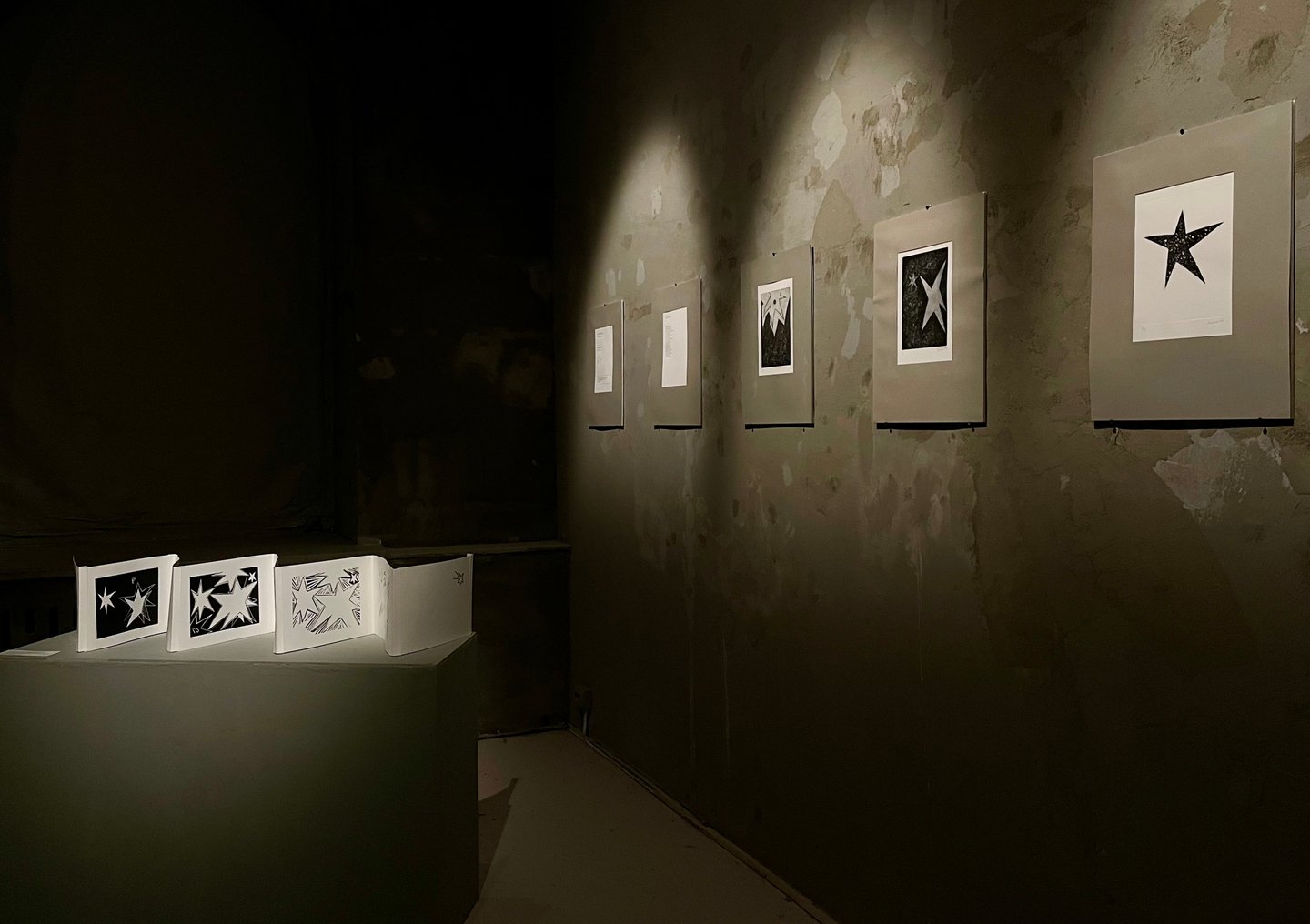
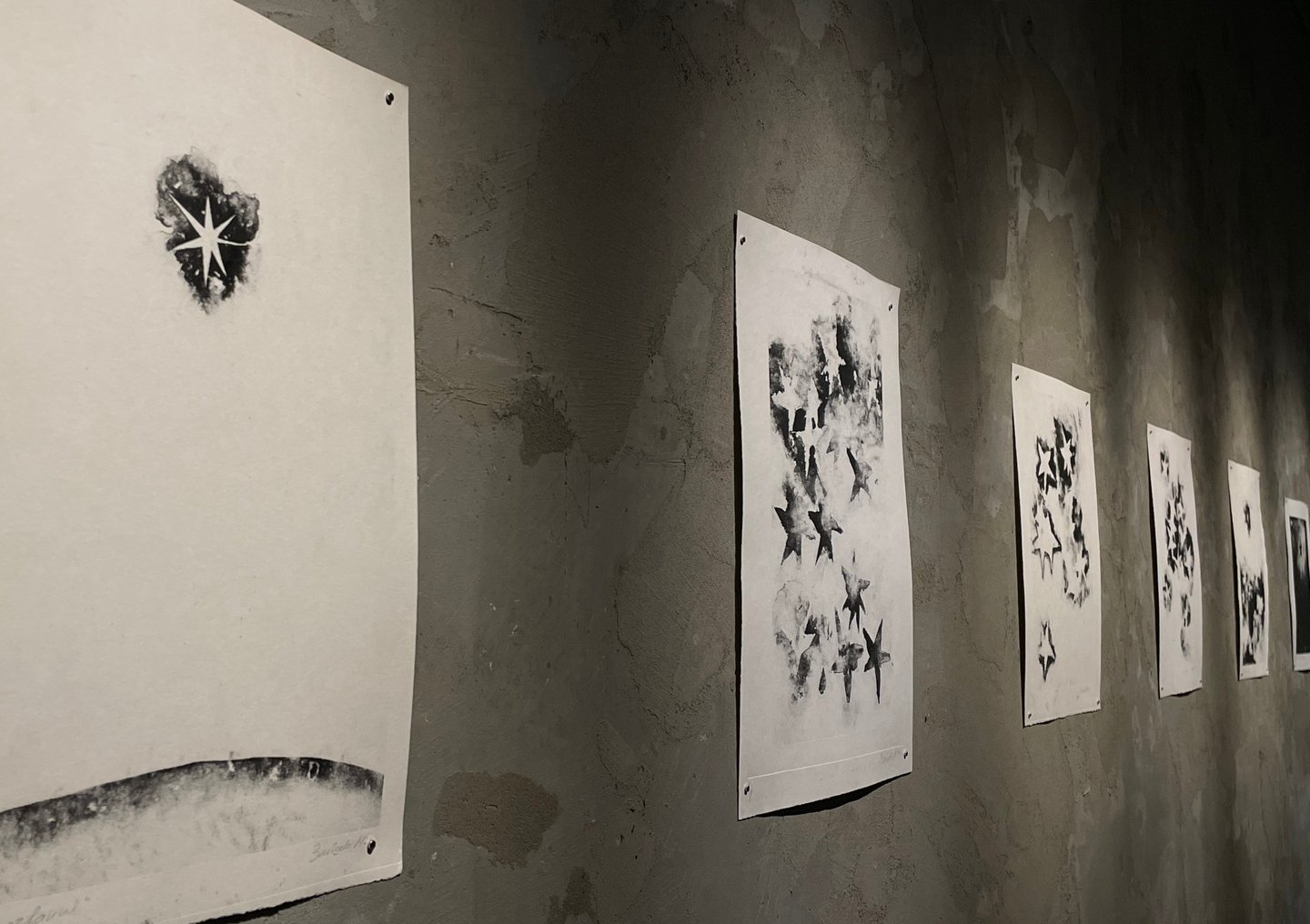
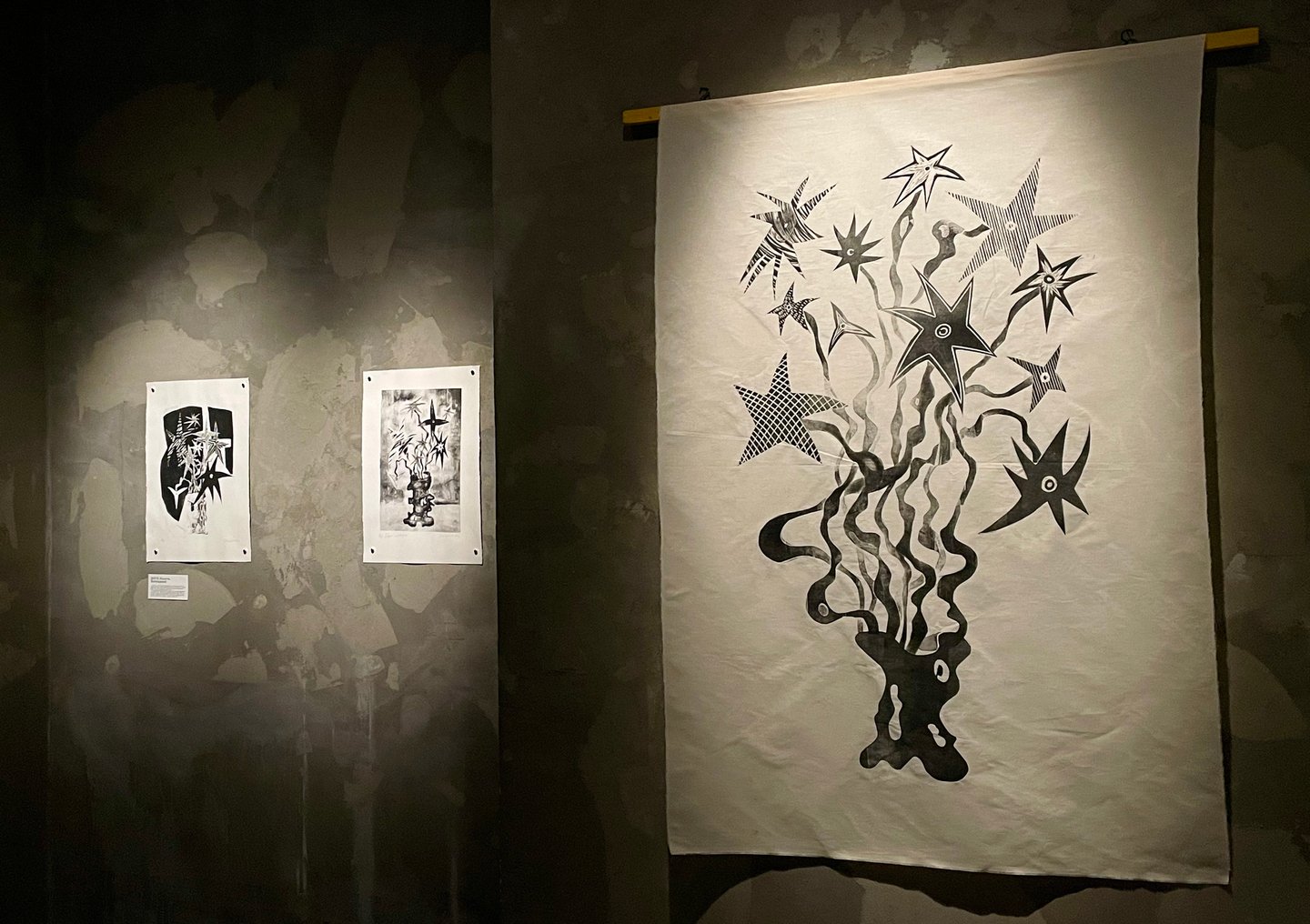
Exhibition types for Maria Zaitseva’s solo show, «Unfurling Scrolls,» at the Gallery on Peschannaya
Image source: The Gallery on Peschannaya
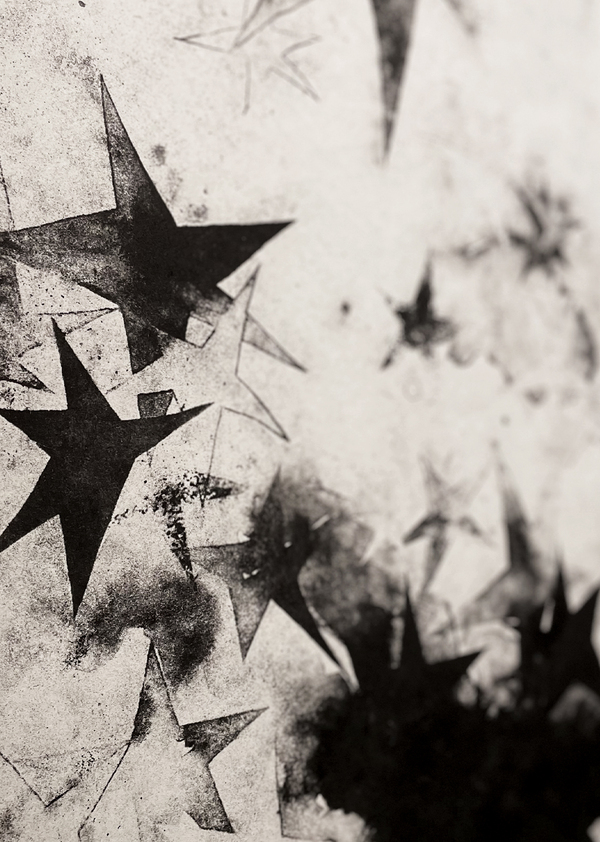
The exhibition traces the birth of an idea as a journey from chaos to form, drawing inspiration from the stellar language of Velimir Khlebnikov, whose poetics serve as the foundation for the artist’s visual vocabulary. The star functions as a metaphor for creative impulse and an ancient cosmogonic symbol. The exhibition is organized around the stages of this impulse’s existence: from shapelessness to a completed image where concept and its unexpected transformations are fused. To achieve this, the artist employs multilayered monotype, which captures spontaneous movement; copper plates whose corrosion transforms chemistry into a co-creator; and artist’s books in various scales—from small prints to large canvases that themselves define the exhibition space. Thus, the work with different printmaking techniques reflects the uncontrollable nature of creativity, where every print is a testament to a moment, and the rust on the copper is a reminder that an idea lives not just in the concept, but also in the material—a material that breathes, ages, and resists./ Curator: Elizaveta Fadeeva
CTI «Fabrika» — Assembly Hall (Moscow)
07/30/26 — 08/30/26
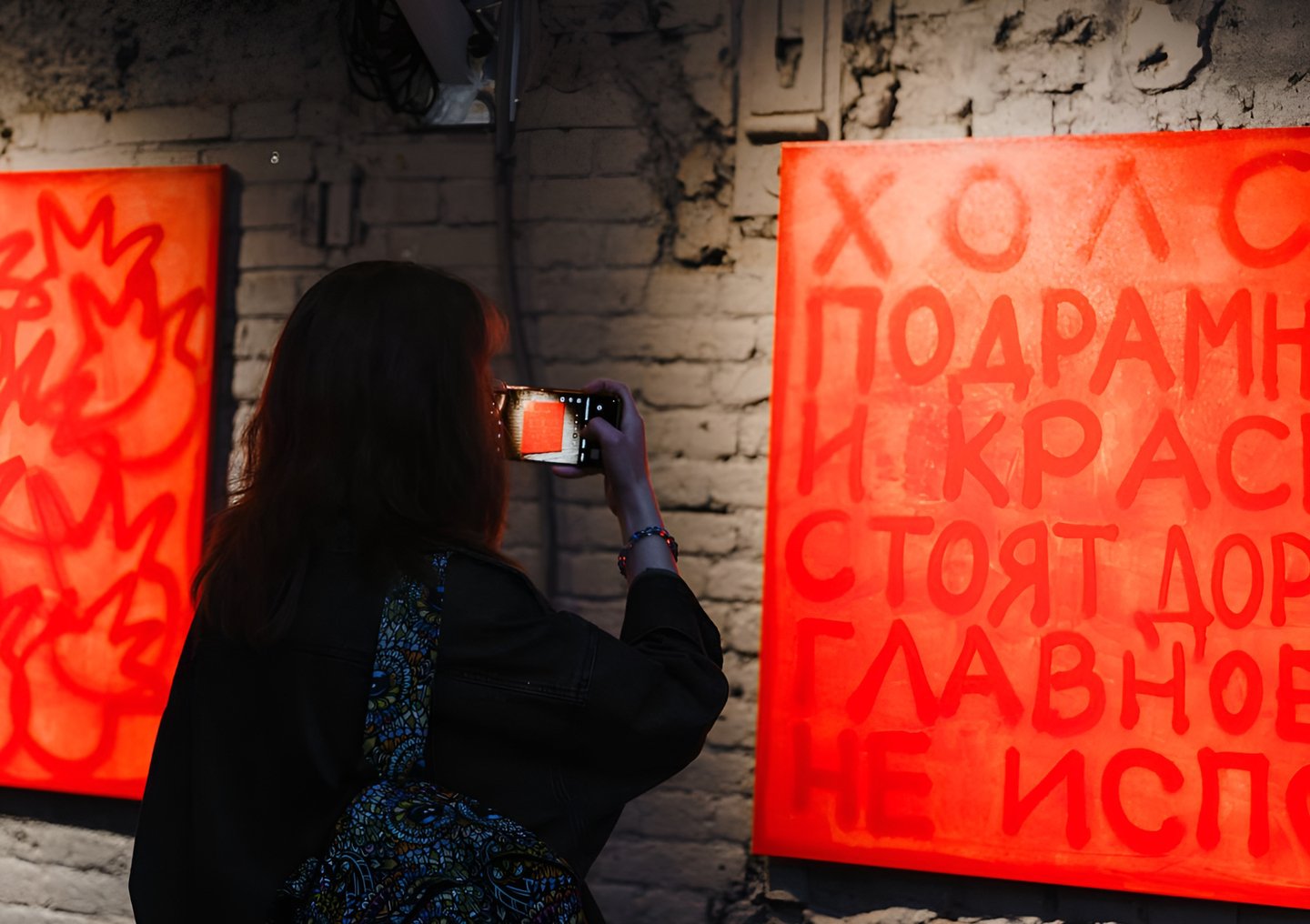
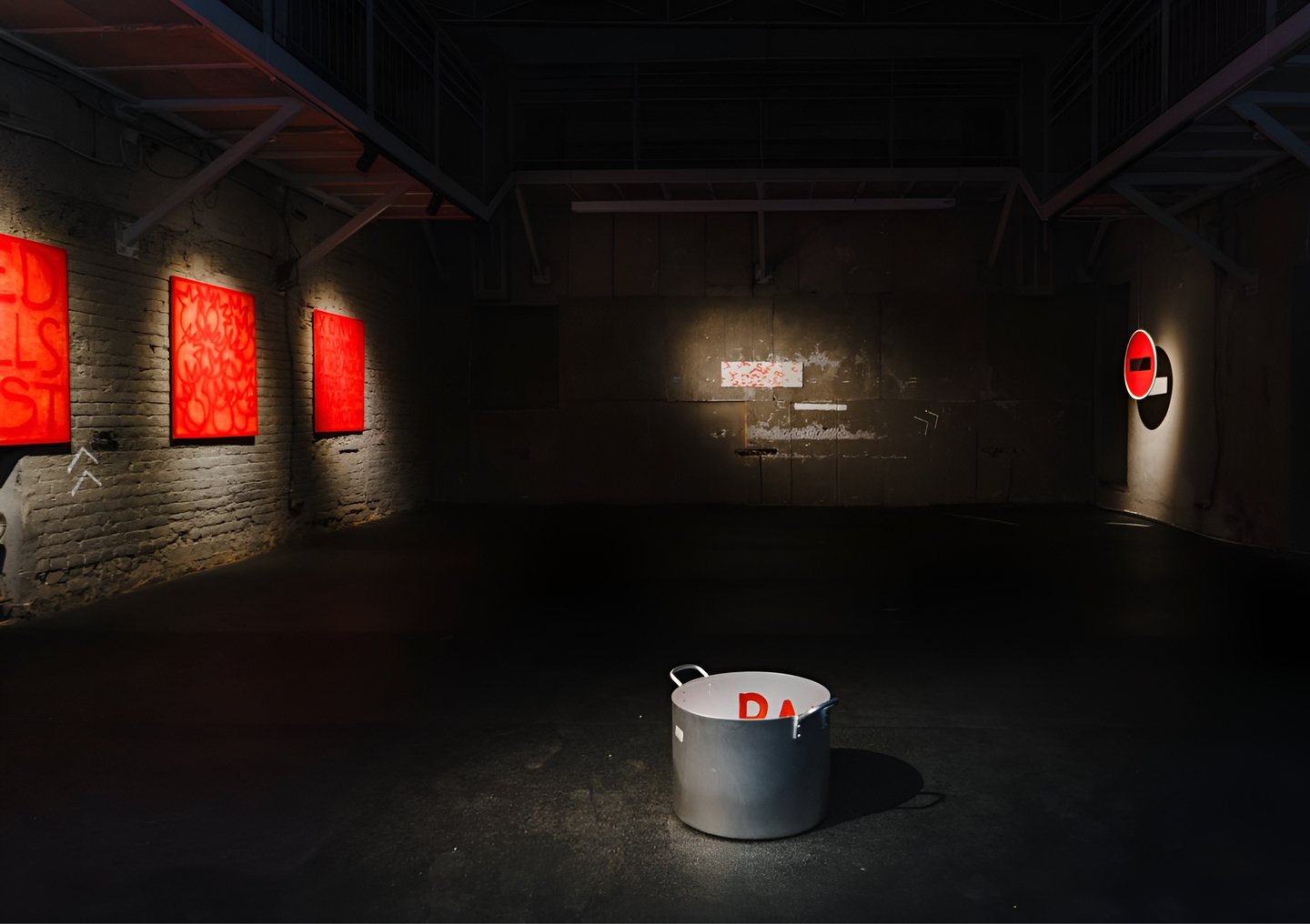
Types of exhibition for Konstantin Ajera’s solo show, «Red Cells Best, ” in the main hall of the CTI „Factory“
Image source: CTI „Factory“ Telegram channel
Artists have repeatedly drawn upon the symbolism of the color red. However, few have approached the study of the evaluative value of an event saturated in red. Konstantin Ager’s exhibition—on the phenomenology of red—invites dialogue about its contemporary relevance and the «ironic seriousness of artistic expression.»
There is a prevailing idea that one must inevitably invest in things that are red. Profiles on dating services, where a person wears red or is surrounded by that hue, appear to be the most appealing. Ager ironically comments on this mechanic of color commodification and critiques the market—all the works presented in the exhibition are available for purchase. You must act fast to buy! Who will dare to embark on such an adventure?
Gallery.com features a wide variety of printable thematic calendars. In addition to ready-made calendars showcasing art from Antiquity to the present day, there are unique builders that allow you to assemble your own personalized piece of fine art. Visit the site and create your custom calendar! Meanwhile, we invite you to view a calendar featuring Symbolist art, presented within a digest on signs and symbols.
Calendar featuring a selection of Symbolism art on Gallllery.com
Image source: Gallllery.com
Text Author: Michael Arutyunyan
On the cover: Maria Zaitseva. Fragment of a monotype from the «Star Alphabet» series, 2024. The work was exhibited at the solo show «Unfurling Scrolls» at the Gallery on Peschanaya (July 31, 2026 — August 30, 2026).
Image Source: Gallery on Peschanaya