Format: multi-channel sound installation
Location: can be anywhere

1. Where is this from
2. Location
3. Space
4. Plato’s Circle
5. Sound
6. What is sounding
7. How it is arranged
8. How it was created
9. Multichannel recording
10. Protagonists
11. Voices
12. Unpresence
13. Пригов as a method
14. Why this
15. What resulted
16. What is needed for realization
17. Conclusion
1. Where Did This Come From
At one point, my life began to unravel. Schizoaffective disorder, depersonalization, derealization. Reality was breaking down into fragments. I went through rehabilitation and started immersing myself in creative work. When reality fragments, you only see pieces: a window, a bench, a crosswalk, someone’s hand. They don’t fit together.
Thoughts almost disappear. Sound becomes the first thing to pull you back into the world. Not an image, not text, not logic. You hear footsteps, the wind, a voice through the wall. You don’t understand it yet, but you already hear it. And that means you exist. That is why my first major work is sound-based. Sound is the most alive thing. It never stops. It cannot be fixed. It is where you haven’t even had time to think yet.
2. Location
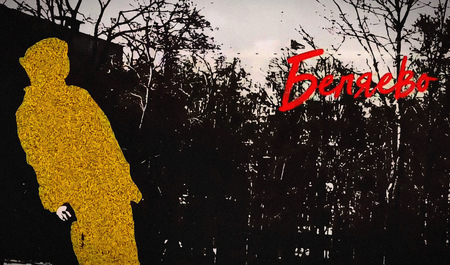
The installation doesn’t need a dedicated hall. It needs sound and two benches. It can be placed in a cultural center, a courtyard, a passageway, a park, or a small room. This is not an «exhibit.» It is a space created here and now. Shizomir is not bound to a single location. In Belyevo, it will be one thing; in Yasenevo, another; in the city center, a third. But the voice will always remain the same. The location can become a favorite place. You can come. Sit. Listen. Leave. Return. Bring someone. Just be.
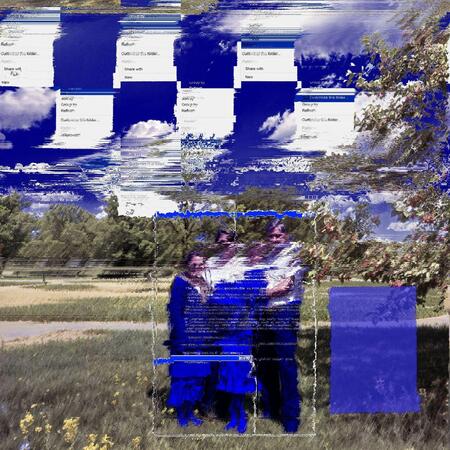
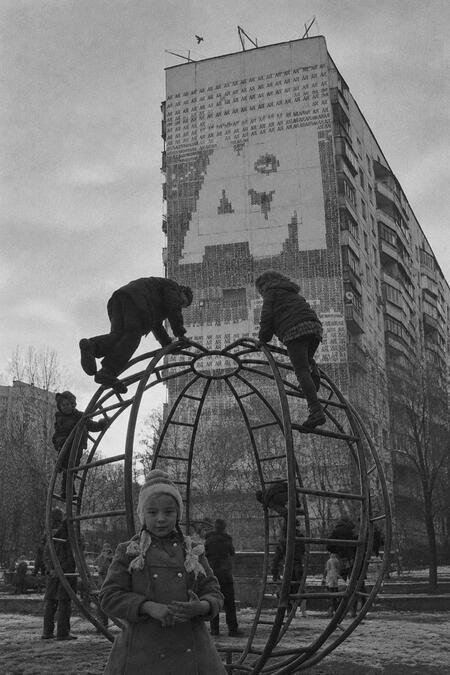
- The Space I grew up my entire life in Belyayevo. It is my place of power. Bitsevsky Park is my Shire. But the neighborhood evokes a sense of emptiness. It seems to lack time. Near Yasenevo—the highest point in Moscow. Khrushchev-era buildings amidst the greenery resemble an ancient world. Bitsevsky Park is majestic. As a child, I encountered groups in the park creating battle installations in the style of «The Lord of the Rings, ” and I felt like a small hobbit, Bilbo Baggins. Myth infused the streets. It is a genuine labyrinth. The playground became the only place where there were no shadows. There you could sit for hours, unsure of where to go. Someone would play guitar, someone would read, someone would just be silent. There, reality did not disintegrate. But there was also no movement. An eternal crossroads. Reflection without grounding led nowhere. This place is the embodiment of self-discovery. It protects, yet it never lets go. I know cinematographers, managers, and musicians from there. That is what I wanted to tell about.
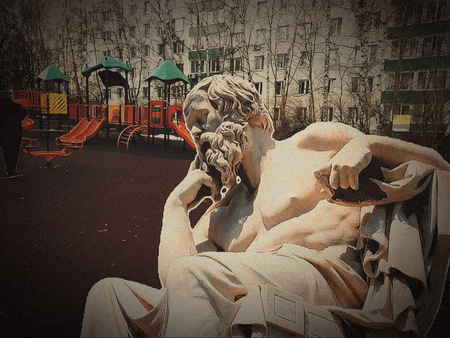
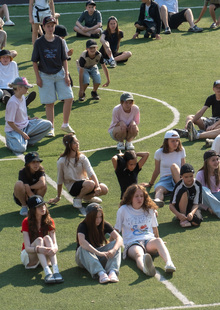
- The Plato Circle I call this space the «Plato Circle.» Not because philosophers gathered there. But because people came together in a circle and talked—or remained silent. But they were together. Plato describes the cave: people are chained and only see shadows on the wall. But outside the cave is the world of ideal forms. There was no field of ideal forms. But there was a circle of people discussing poetry, beats, concepts—things you couldn’t touch. It was a thought born from conversation. In a circle. Without a center. Without hierarchy. Without a «right» answer. The Plato Circle is a metaphor. Not a place, but a way of being together.
5. Sound
I see the world through sound. Sound is a completely untamed medium in art. It is
abstract. AI is already composing music, but sound is not subject to predetermined forms—it must
evolve. The installation format suits it. There is no song structure here, no logic of recording, mixing, or mastering. It is sound in the space of ideas. It cannot be simply
abstract or overly logical. But how much it speaks.
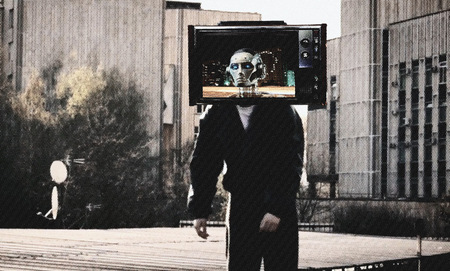
- What Sounds The installation is not music. It is the soundscape of the location. I recorded the field sounds of the neighborhood: footsteps on the crossing, a ball on the playground, a rehearsal in the basement, a snippet of a phrase, Prigov’s voice (archive), a modern indie track from a rented apartment. All of this overlaps, creating a polyphony. A separate layer consists of monologues from contemporary authors (ages 18–25) who started in similar environments. These are not interviews. They are the sound of thought being born within a circle—without a center, without a hierarchy. A visitor can sit on a bench. Swing on the swings. Stand. Walk. The installation does not demand attention. It simply exists.
7. How it Works
Technically, it is several columns or speakers in a space. Sound moves. It surrounds. The venue is not a stage. It is a circle. You are inside it. Yet, you are also outside it. You are not part of the recording. You are the one listening. The recordings were made in Belyevo and the surrounding areas. I walked along routes I have known since childhood. I recorded everything. Without commentary. Prigov’s voice from the archive. He was here too. He called himself the «Duke of Belyevo.» He created culture here, without waiting for a central authority. A modern indie track recorded in a rented apartment. Someone continuing the lineage. All of this is layered to show that the language of the periphery does not have a single center. It is polyphonic.
8. How This Was Created
Sonya is my girlfriend, a designer. She made the benches—real ones that you can sit on. Sasha writes music under the pseudonym Gasoline Slick. She grew up with me in Belyaevo. We know the same yards. She writes about the same things, but differently. Anton Tvoyshchen is an electronics engineer. He helped with the mixing. He doesn’t «describe» the place; he is in it. Together, we created schizopspaces—places where reality doesn’t fall apart, but it also doesn’t coalesce into one single thing. Where familiar objects refract different hues every time, even if the voice remains the same. I tried to create an oikoumene—an inhabited world. Not a «neighborhood on a map,» but a space that we carry with us. The connection is painful. Ghosts that might never let go for our entire lives. This is what Anton and Sasha write music about.
9. Multichannel Recording We used multichannel recording. The sound doesn’t come from a single point. It surrounds you. You are inside it—but also outside of it. We created two tracks for teens—not «characters.» Two ways of existing in that space. The first is a prototype of Gazdanov and Chekhov: a clarity that is uncertain of itself. The second is Dostoevsky and Dovlatov: a disjointed quality that knows more than it says. They aren’t «conversing.» They sound. Simultaneously. Without merging. Like on a stage where everyone spoke about their own thing, but they were all together.
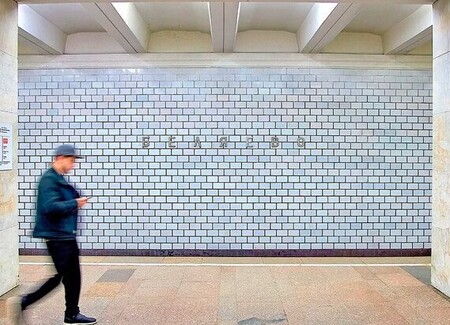
- Characters We want to expand the roster of characters. The courier. The careerist. Someone else. Not «types.» People who inhabit their own poetic worlds. The objects within these worlds might be logical. Even static. But they are nevertheless dusted with time. They are understandable only as shimmering lines—depending on the viewer’s gaze. This isn’t «symbolism.» It’s a way of showing: even the most logical object becomes ephemeral. Because you are not looking at it from the center, but from the periphery.
11. Voices
The voices possess authenticity. Yet, as if in a state of immersion—or paranoia. They seem to genuinely speak to one another, but only through the protagonist. Through his gaze. It is not a «dialogue, ” but what happens when one voice passes through another. Without blending. Without disappearing. Leaving a trace. That is the language of the periphery without a single center—polyphony. A multiplicity of voices that do not merge into one. And in that lies the strength. And in that lies the void.
12. Exteriority
Bakhtin said: to see a person whole, one must be outside of them. For me, this isInstead, it gives them a space—from the outside. They stand near the installation, they hear the voices, but they do not becomethat the whole becomes visible. I do not claim to speak from within Belyaevo. I live here, but
I observe it just as a viewer observes an installation: from a point where it can be seen.
The installation does not attempt to become Belyaevo. It offers it up for viewing.
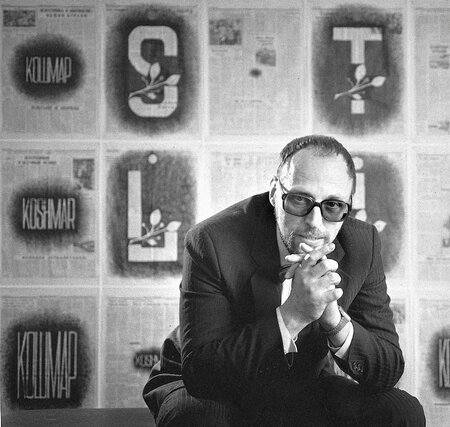
- Prigov as a Method Prigov was not an «issue» of the installation; it was its method. He called himself the «duke of Belyaevo.» He walked the neighborhood. He gave tours. He played in a rock band despite not knowing how to play. He performed with Kurekhin and Tarasov. He created culture here, without waiting for the center. His poem, «AYA, ” became a landmark of the district. The graffiti was destroyed in 2022. They painted over Prigov— you cannot paint over sound. The installation is an extension of that same gesture. Young artists from the Southern Administrative Okrug. Apartment-party gatherings in courtyards. Tsoi’s route. Film screenings by young directors. Prigov created culture here. I am doing the same thing. Not because I am a „successor.“ But because it cannot be done otherwise.
- Why this? I am creating this installation not to «tell the story of Belyayevo.» Not to «showcase the beauty of the outskirts.» Not to «preserve memory.» I am doing this because the neighborhood is fragmented. It is scattered across discrete elements that no one brings together. Panel buildings, dusk, a playground, a crossing, a park. All of this exists—but separately. There is no whole. The installation is an attempt to assemble. Not to «tell.» But to let be heard. Sound is the most vital thing. It does not stop. It cannot be fixed. It captures a moment and then lets it go. When reality disintegrates, sound remains. Footsteps, the wind, someone’s voice. It is the first thing that brings you back into the world. I want the visitor to feel that. Not understand it. Not intellectualize it. But feel it—that they are not alone. That there is a place where one can simply sit. Swing. Be silent. Speak. Just like on the playground where we sat for hours, not knowing where to go.
15. What Came Together
The installation is not music. It is the sound of the space. A polyphony of voices that do not merge into one. Sonya made the benches. Sasha composed the music. Anton mixed and created the piece. I brought it all together. But this is not «my project.» This is what we made together. Because a space is not a place. It is a way of being together. A visitor can sit on a bench. Swing on a swing. Stand. Walk. The installation does not demand attention. It simply is. This is not a «story about Belyevo.» It is an attempt to gather the neighborhood. And ourselves with it. Through sound. Through people. Through a place where there was no shadow. But there was also no movement. An eternal crossroads. Reflection without ground—which finally found ground. In sound.
16. What is needed to make it happen A space or room where sound can be installed. Several speakers or headphones. Recordings: field recordings of the area, author monologues, Prigov’s voice (archive), a contemporary indie track. Two benches. Time: six months for recording, editing, and assembly. No complicated equipment. No complex setup. No permits. All of this is achievable. And most importantly—it can be placed anywhere. In a hall. In a courtyard. In a walkway. In a park. In a small room. In a large space. Shizomir interacts with different places. It sounds different depending on the location. But the voice always remains the same. The place can become a favorite because this is not an «exhibit.» It is two benches and sound. You can come. Sit. Listen. Leave. Return. Bring someone. Just be.
17. Conclusion The playground as Plato’s circle—it is a sound installation about a place where thought is born. Not in an academy. Not in a center. But on the periphery. In a circle. Without hierarchy. Without the «right» answer. This is not music. It is the sound of the playground. A polyphony of voices that do not merge into one. The language of the periphery without a single center. This is not a «project.» It is an attempt to gather the neighborhood—and myself with it. I, a person who grew up here, remember feeling like a small hobbit who escaped from Shire. But now I have returned to show the map itself.