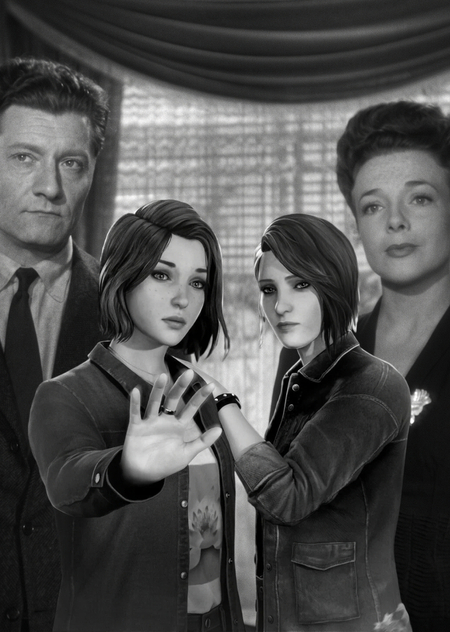
Culture left the game; culture was always being played out.
Concept
In a world of boundless freedom, where individuals suffer from the excessive weight of responsibility for their actions, there exists a series of doubts, hypotheses questioning the very concepts of freedom and the meaning of life—bridging the irrational and the rational—as well as questions concerning the domains of world interaction that an individual who has honed their skills through play might influence. We will examine authentic concepts regarding the impact of play on humans and their choices through the lenses of three philosophers: Johan Huizinga, Roger Caillois, and Jean-Paul Sartre.
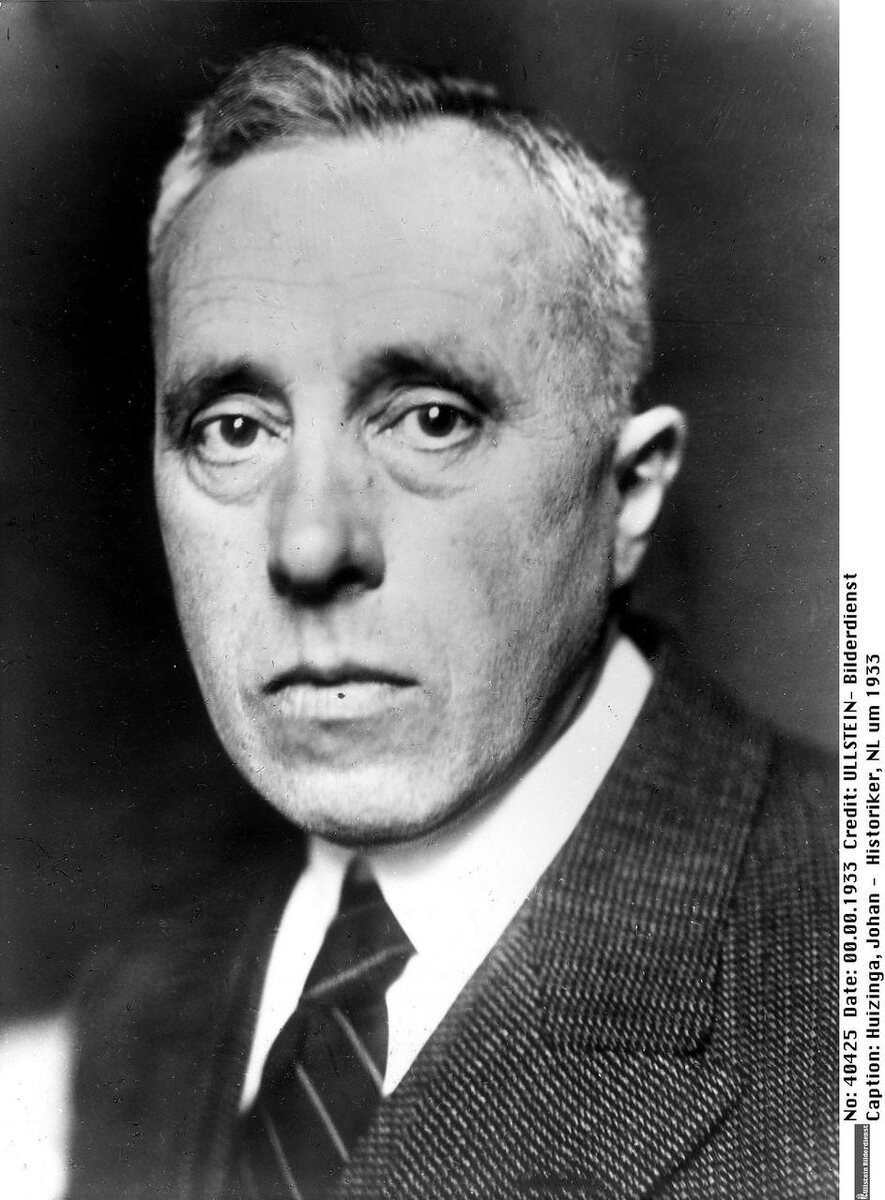
Johan Huizinga
«Every game has its own rules. These rules determine what holds sway within the temporary world created by the game. The rules of the game are undeniable and mandatory. They are immune to any doubt. Paul Valéry once mentioned this, and it was an unusually prescient thought—that any skepticism toward the rules of a game is inappropriate» [5]
Currently, the game is unplayable until a person is certain they can embrace it, because it is the rules that define the in-game activity of «lusory attitude» and generate the connection between the person and the isolated, independent process. The rules must guide the individual and illustrate the unique formal boundaries of the game, but the individual must also retain the freedom to ignore them while searching for new workarounds and meanings.
Roje Kaiwa
«If the game is to give these powerful instincts… limited satisfaction outside the context of ordinary life, then what happens when all conventions are thrown away?» [3]
Beneath instincts, Kaioua implies what expresses and socializes human beings, allowing them to realize the arising need for victory without causing harm to themselves or others. These include competitions (agon), chance occurrences (alea), simulation (mimicry), and dizzying experiences (ilinx). Instincts unite society into a cohesive group bound by unwavering commitments. Without play, these very instincts become masters of life, and order, predictability, and safety depart from it.
Jean-Paul Sartre
«When a person chooses themselves, they choose all of humanity» [1]
Choosing inherently implies the presence of free will and consciousness. However, when examining its global influence from the personal to the communal, games of the postmodern era currently encompass the scope of responsibility for each individual separately. Existential crisis and its resolution cannot arrive simultaneously for every individual in a way that globally shapes their worldviews and consciousness. The central focus of each individual choice will be the narrative and interactivity, not the burden of making decisions for all people «here and now.»
Research Question
Is Hyung-gi’s thesis on the emergence of culture applicable to today’s gaming environment? Can we, as participants and co-creators of this space, «mirror» and translate the studied action, reinterpretation, or attitude in given conditions into the real world? What is the boundary between irrationality and the concept of sufficient saturation? How might the digital game «Life is Strange» and the philosopher Jean-Paul Sartre contribute to this discussion?The progression of this line of reasoning will follow this structure:1. Game Culture and Its Issues2. The Limits of Acceptability and the Dialectics of Freedom3. Sartre’s Philosophy: The Importance of Choice for All4. «Life is Strange» and Its Potential for Action5. Conclusion6. References
The Culture of Play and Its Issues
«Homo Ludens» / Johan Huizinga / 1938
Johan Huizinga’s work, «Homo Ludens, ” has become one of the most influential in the scientific community’s perception and has spawned an entire research tradition that currently holds a dominant position in academia [5].
Johan was the first to discuss how play is a cohesive, structured system that generates culture. In this complex and ever-changing environment, Huizinga outlines a set of characteristics:
- Play is freedom;
- Play is «unreal and ordinary life. It is an escape into a temporary sphere of activity with its own purpose»;
- Play is closed and delineated;
- Play is order;
- Play generates «tension.»
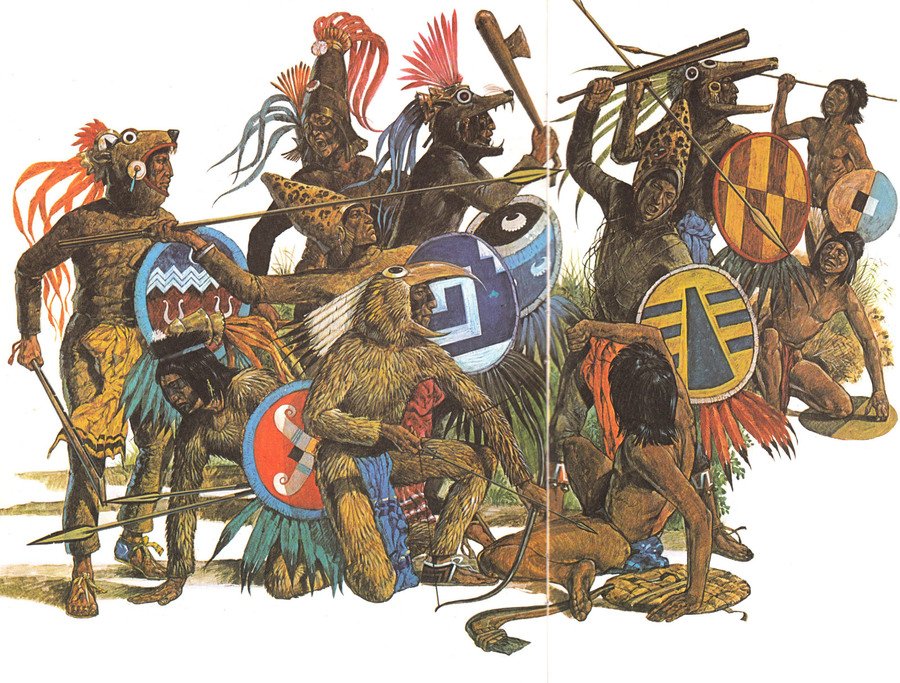
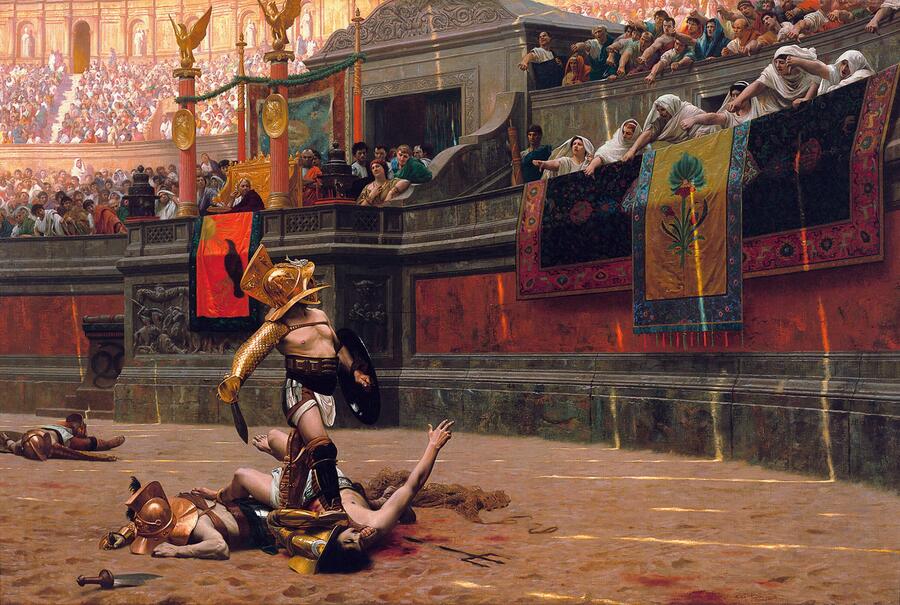
Left to right: 1. «Aztecs» / Richard Hook / mid-1970s. 2. «Kill Him!» / Jean Léon Jerôme / 1872.
Miranda, L. de. Life Is Strange and «Games Are Made»: A Philosophical Interpretation of a Multiple-Choice Existential Simulator With Copilot Sartre / L. de Miranda // Games and Culture. — 2018. — Vol. 13. — Life Is Strange and «Games Are Made». — No. 8. — pp. 825-842.
Babanova, A. I. The Dialectic of Freedom in the Game Space / A. I. Babanova // The Kazan Socially-Humanitarian Bulletin. — 2024. — No. 6 (63). — pp. 138-145.
Novocherkassk Institute of Reclamation Engineering named after A.K. Kortunov (Branch) of Don State Agrarian University. Game in the Philosophy of Roger Kyua: Between Instincts and Culture / Novocherkassk Institute of Reclamation Engineering named after A.K. Kortunov (Branch) of Don State Agrarian University, V. Alikin // Vestnik Volgogradskogo gosudarstvennogo universiteta. Series 7. Philosophy, Sociology, and Social Technologies. — 2016. — Game in the Philosophy of Roger Kyua. — No. 1. — pp. 21-27.
The Potential of Gaming Activities in the Formation of Individual Critical Thinking / Ufa University of Science and Technology, Z. N. Khabibullina, A. M. Kudayarov, Ufa University of Science and Technology // Society: Philosophy, History, Culture. — 2025. — No. 5. — pp. 79-86.
Tuzovsky, I. D. Anti-Huizinga, or On the Question of Whether the Game is the Basis of Culture / I. D. Tuzovsky // Chelyabinskij Gumanitarij. — 2023. — No. 1 (62). — pp. 69-77.
Shevtsov, K. P. Boundaries of the Game / K. P. Shevtsov // International Journal of Cultural Research. — 2019. — No. 2 (35). — pp. 6-16.