G. Zimmerman’s Sidebar and Categories
When discussing the topic of picture frames, one cannot overlook the constraint inherent to the medium itself. This refers to the margins that arise during film development or print production. The artist has a choice: to crop the image or to leave the functional borders—for instance, as a demonstration of mastery in compositional construction at that moment. Beyond this non-trivial method of professional demonstration, the frames also indicate the type of photography used: film, digital, etc.
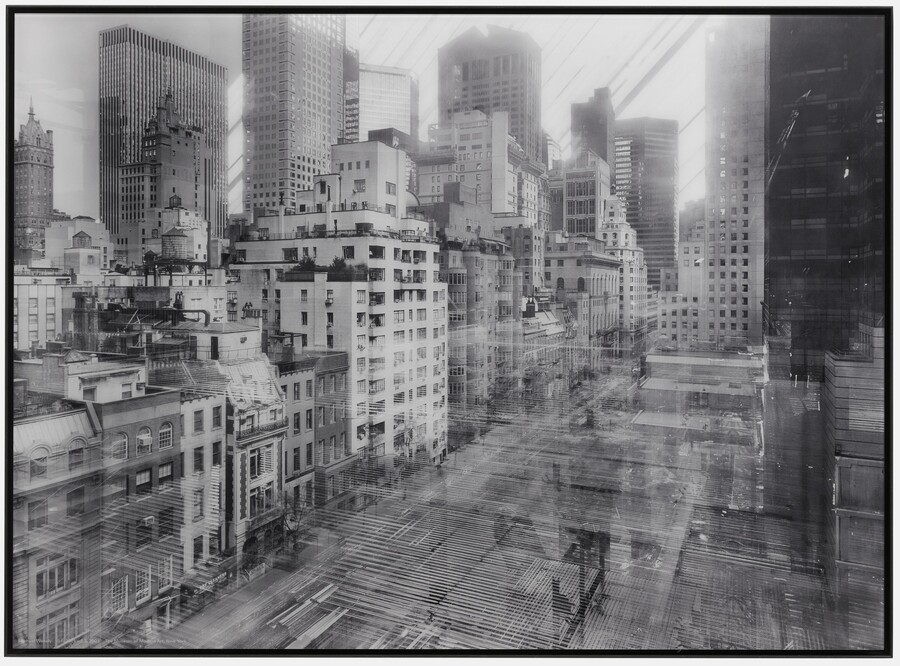
The frame configuration must not allow for any breaks or bridges—through which, so to speak, the outside world could enter or through which the artwork itself could emerge into the world. [Georg Simmel, «The Picture Frame»]
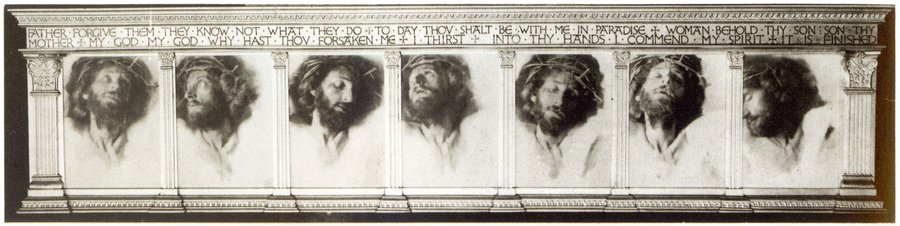
Holland Day, Seven Words, 1898.
«The dynamism of the architectural frame, … parts of which constitute an indissolubly strong connection and, consequently, a delineation.» «Its sides are often depicted as pilasters or columns supporting cornices or pediments, which makes each part and the entire frame much more differentiated and significant compared to modern frames whose sides can easily be interchanged.» [G. Simmel, «The Picture Frame»]
The seven-part work is embedded within what Simmel might consider an «architectural» frame. It is architectural literally: the columns become vertical lines, and the horizontals—the entablature and the crepidoma.

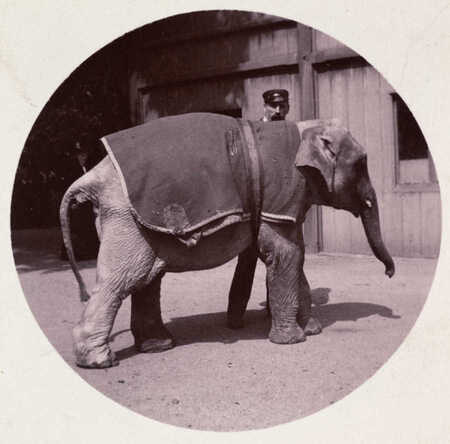
Vladislav Efimov, Details of Moscow, 2017
Liminal Frame
Brassai, Troglodite, Caves in Vetye, 1935.
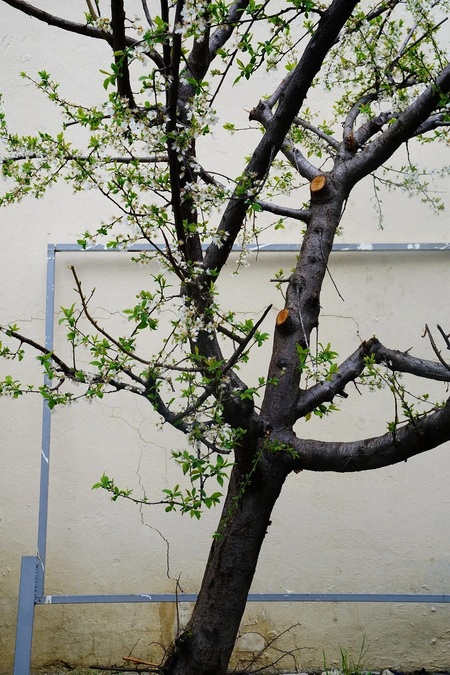
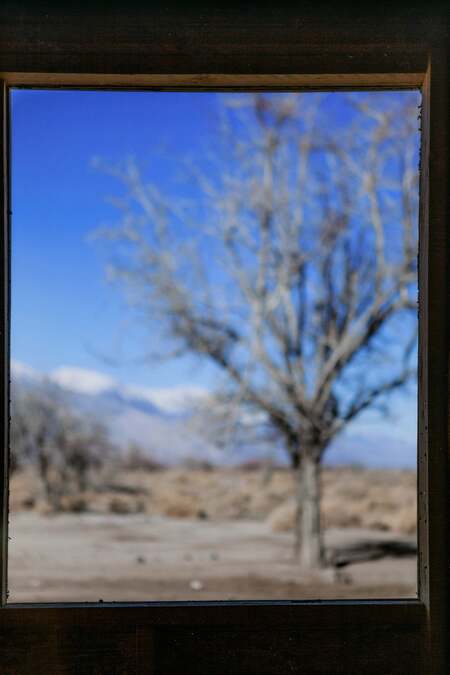
Kinga Ovchennikova, Tirana, 2020. Cristina Fernandez, Toyo (Mansanar), 2017.
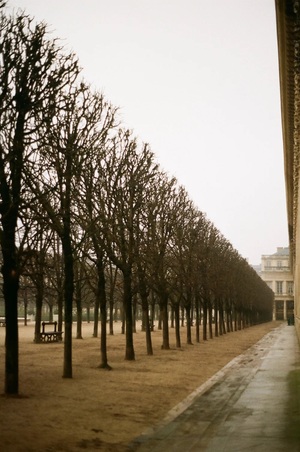
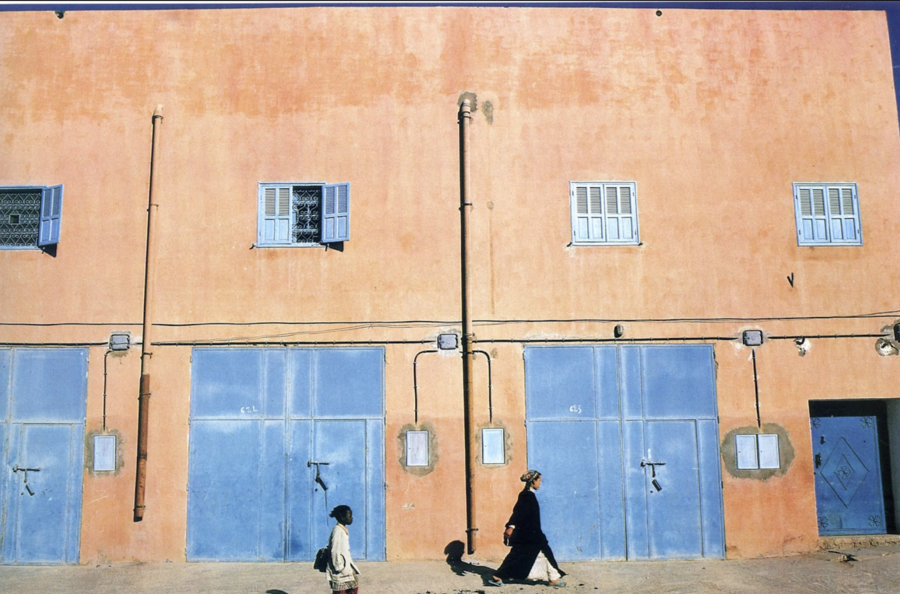
HR Link, Windows/Frames, 2024. Harry Callahan, Morocco, 1981.
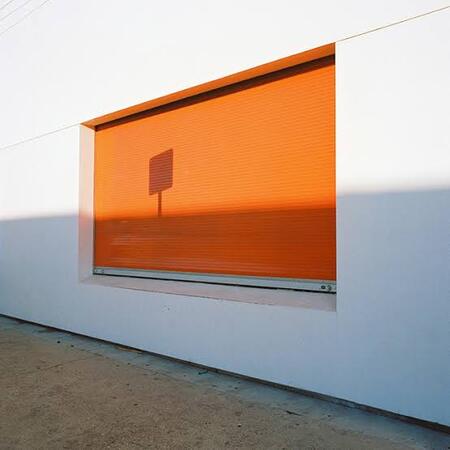
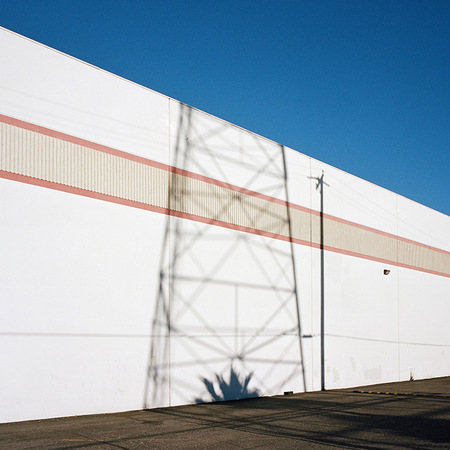
The frame as an afterimage, a shadow theater in the Platonic cave.
Andre Kertes, Shattered Plate, Paris, 1925.
The frame in the photograph
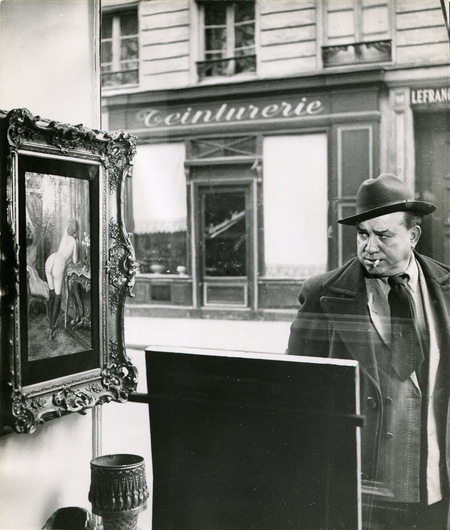
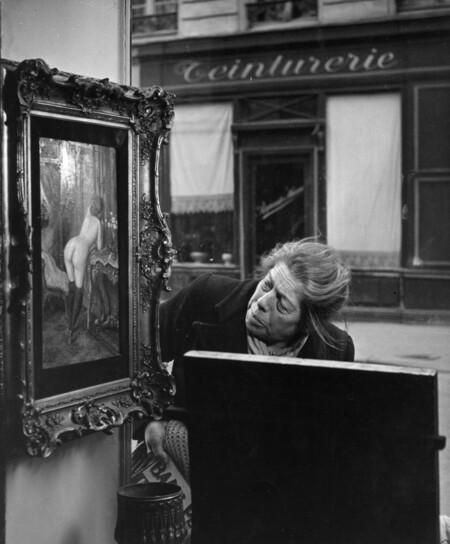
Robert Delaunay, Crooked Gaze, 1948.
Marta Rosler, Vanity, 2004.
Here, the photograph itself becomes the frame. The empty space with a white screen in the center creates potential for any content, mysteriously concealing it with white light.
Photo Frame (Typology)
Brand and Hilla Becher, «Gravel and Crushed Stone Quarries, ” 1988–2001.
Cindy Sherman, Untitled (Bus Passengers II), 1976. Original on the left.
In her work, «Bus Passengers II, ” Cindy Sherman addresses archetypal typology, placing each of her figures within a „mugshot“ card, separated by empty spaces. These empty fields can also be considered borders, as their function of delineation remains crucial for forming the distinct cells for each character. A dense abutment could compromise the autonomy of each figure.
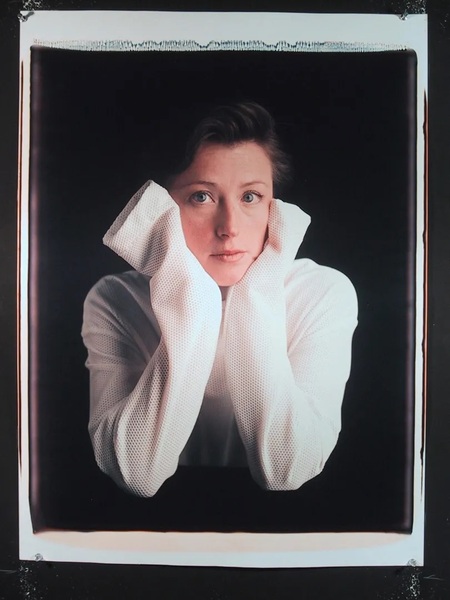
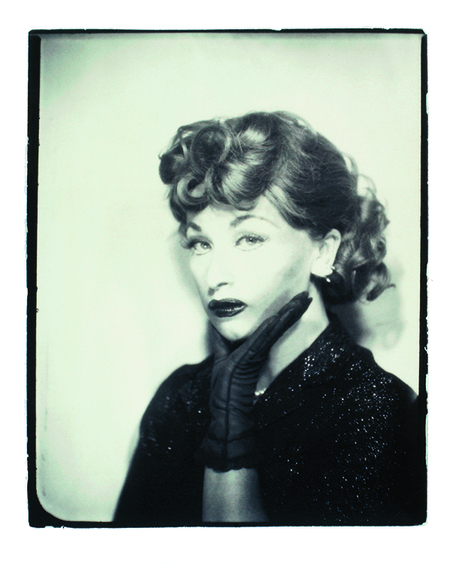
Timothy Greenfield-Sanders, Portrait of Cindy Sherman, 1992
Thomas Ruff, Portraits
Here, the frame plays a crucial functional role. Not only does the enlarged portrait create a hyperbole effect, but the thin, framing border also resembles classical neutral portrait frames. Both the photograph and the frame itself are enlarged, yet the frame maintains its original character.
Guanyue Xu, pendant, 2021.